Cell and Molecular Biology, B.S.
Cell and Molecular Biology (CMB) at Grand Valley State University
Explore life at the molecular level through hands-on research and advanced lab techniques. Grand Valley’s Cell and Molecular Biology (CMB) program combines biochemistry, genetics, and biophysics to prepare students for careers in biotechnology, biomedicine, and research.
Students gain real-world experience through research and internships with faculty and industry mentors. Graduates are ready for careers in the life sciences or advanced study, including Ph.D. and M.D./Ph.D. programs.
The CMB Department offers four programs to support your academic and professional goals.
Cell & Molecular Biology at GVSU
The B.S. in Cell and Molecular Biology (CMB) at Grand Valley State University prepares students for careers and advanced study in biotechnology, genetics, biomedical research, and related life science fields.
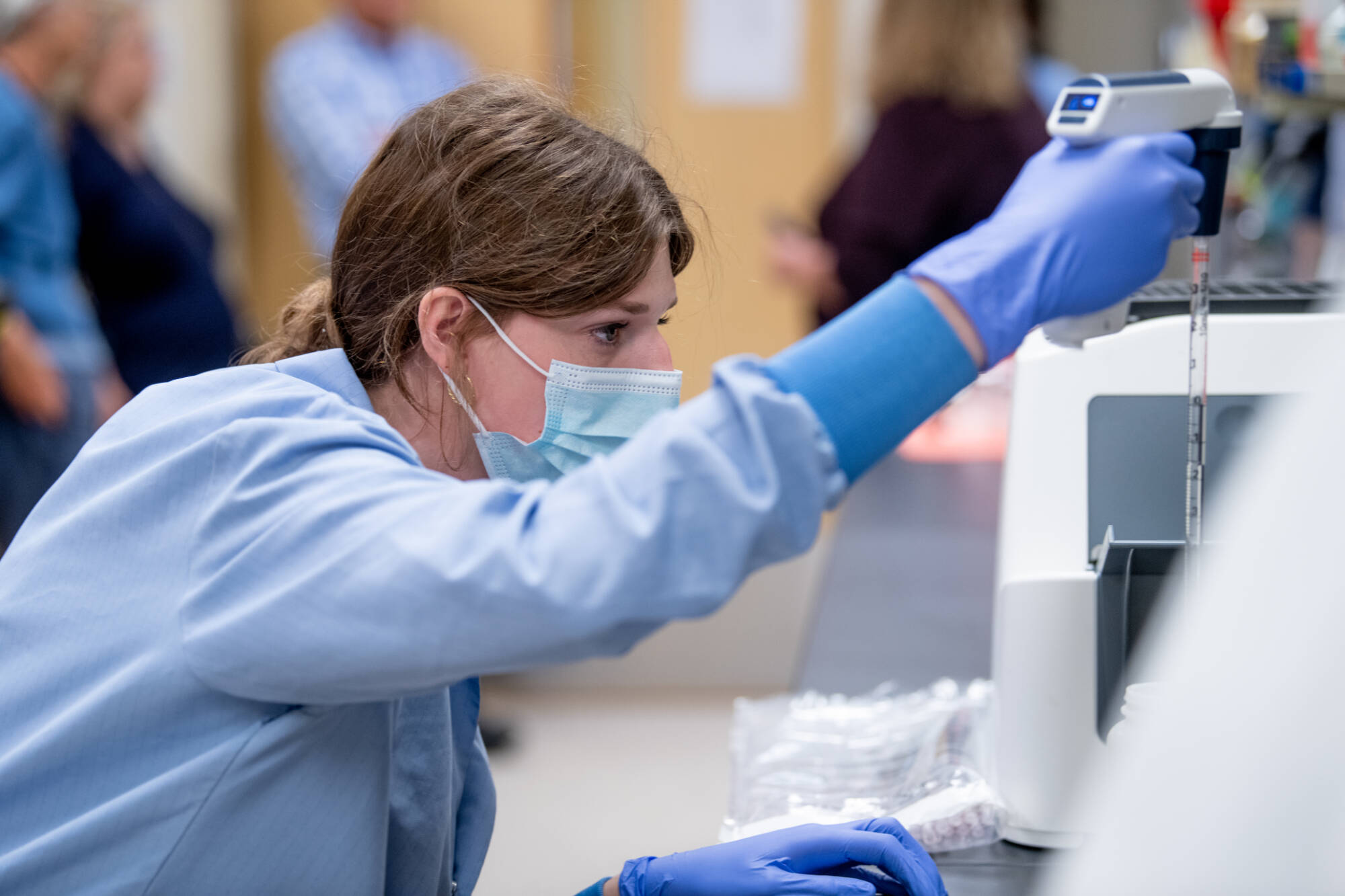
A hallmark of the program is a required independent research or internship experience. Students work closely with a faculty mentor—within CMB, another GVSU science department, or an external organization—to gain hands-on experience and build skills for graduate study or professional careers.
Because many upper-level courses have multiple prerequisites, students are encouraged to begin chemistry, biology, and physics sequences early and meet with a CMB advisor to plan their coursework.
Research at the Core of Our Program
Research from Day One (CMB 156, 426, 499): Build from foundational lab skills to advanced molecular techniques, culminating in your own independent, faculty-mentored research project.
Collaborative Discovery: Work alongside CMB and life sciences faculty to experience how real scientific breakthroughs happen.
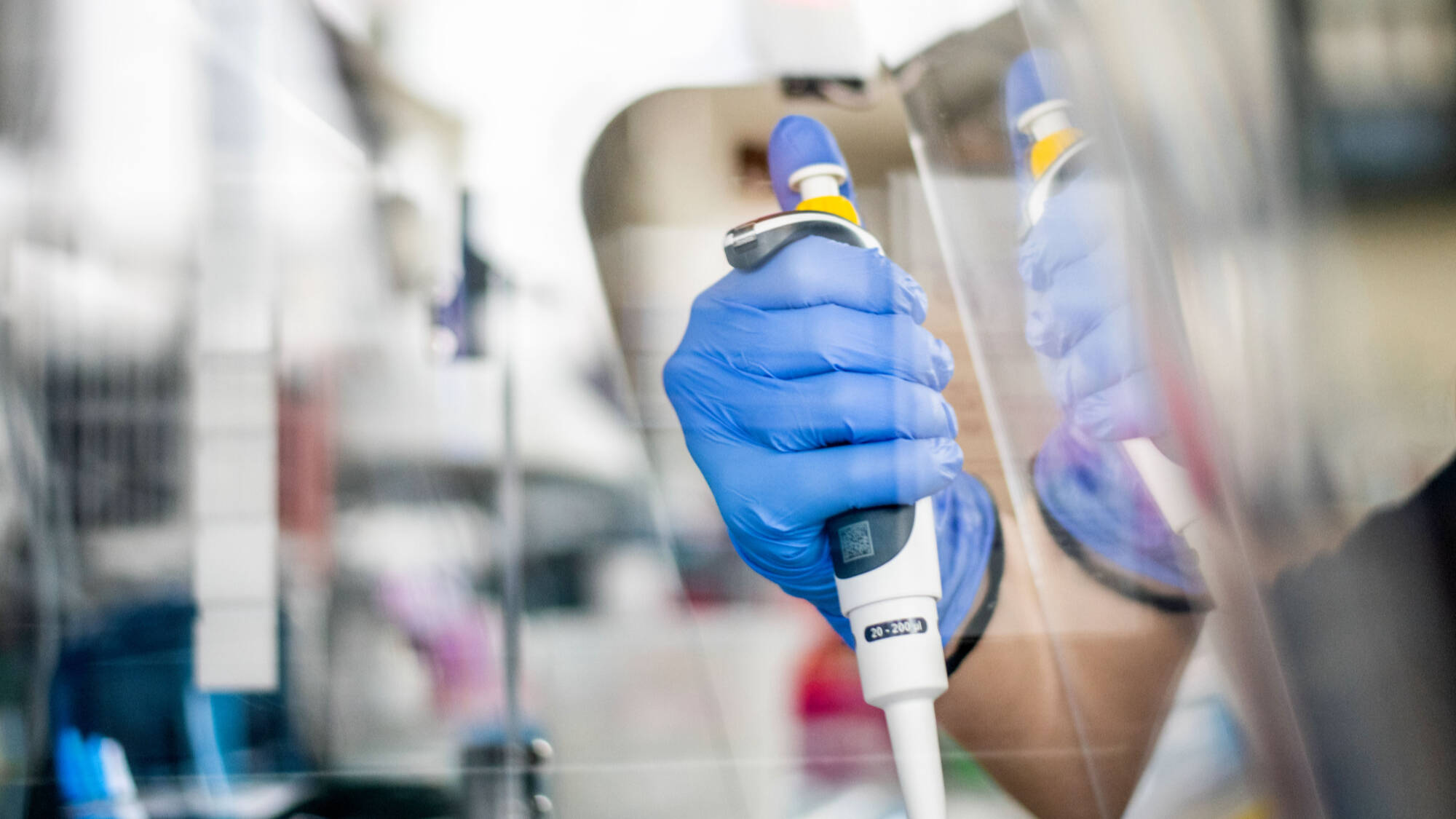
Modern Laboratory Training: Gain hands-on expertise in molecular and cellular techniques, data analysis, and professional lab practices.
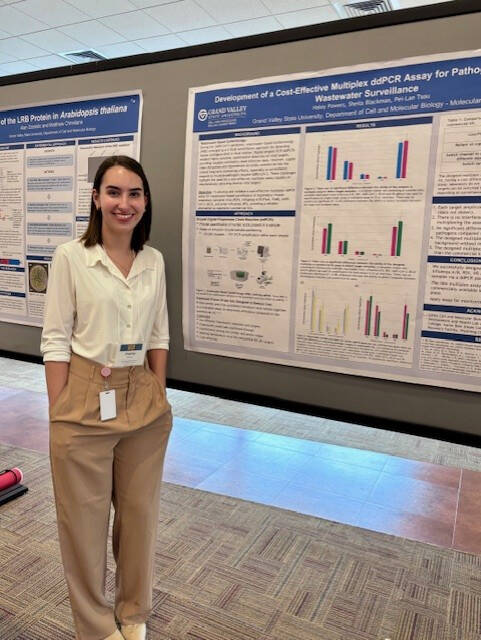
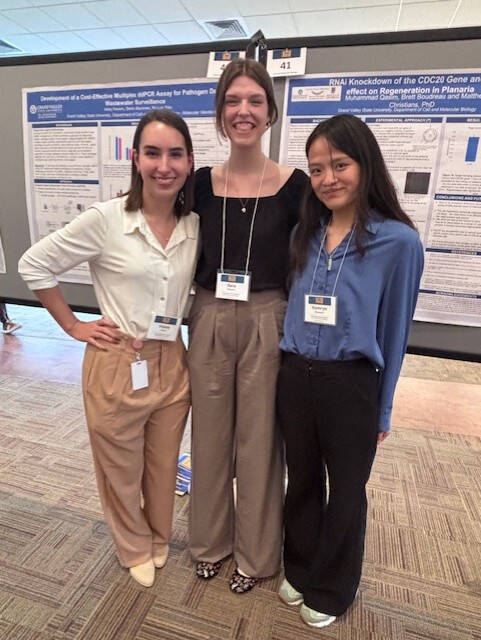
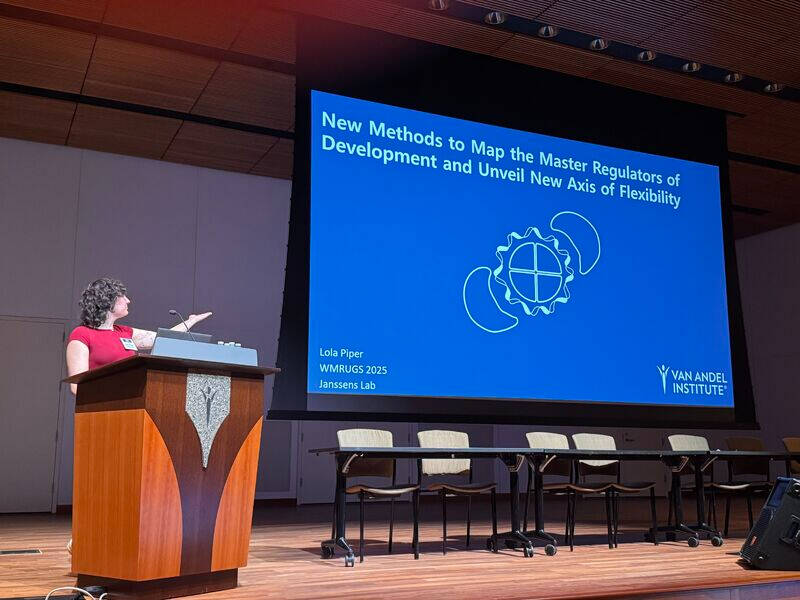
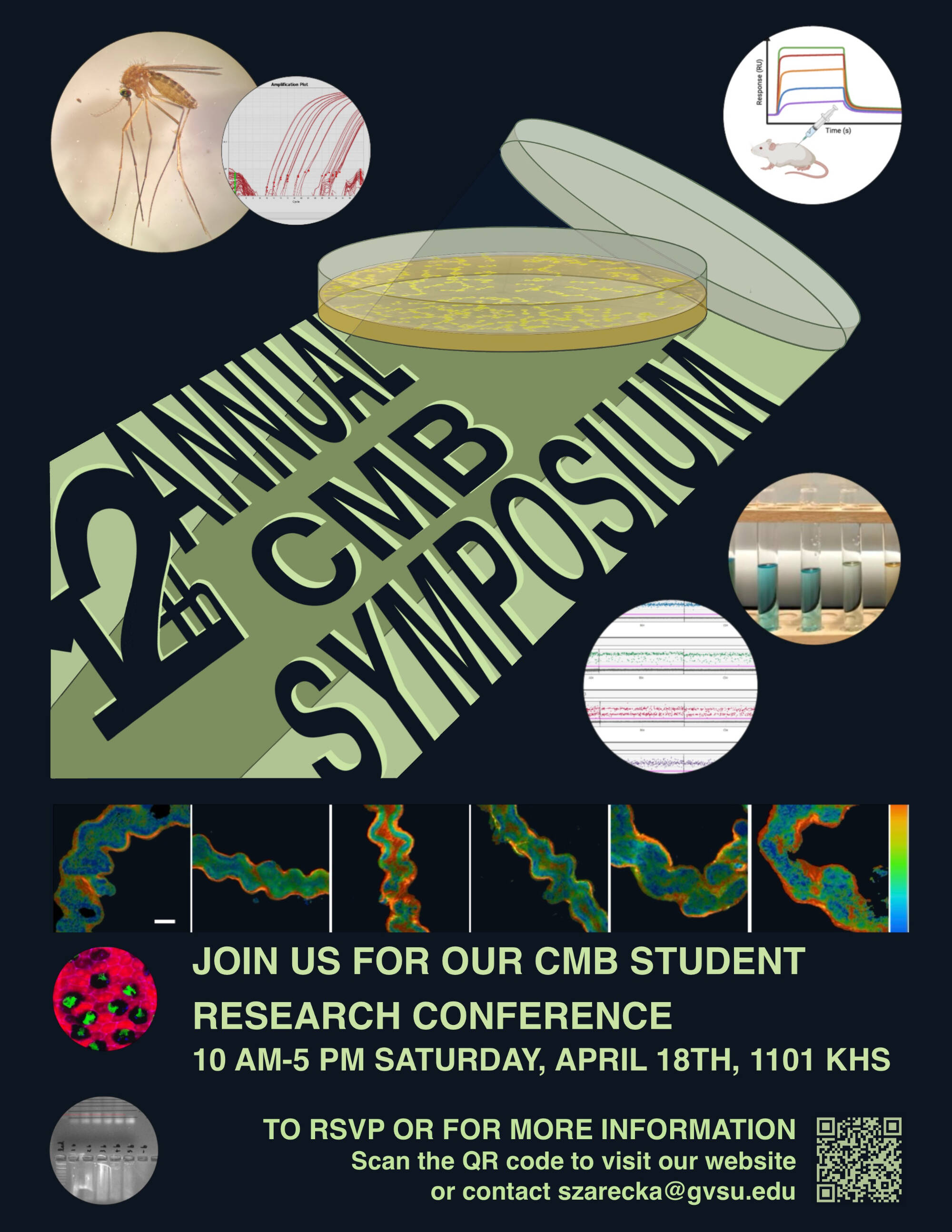
Showcase Your Work: Present at Student Scholars Day, WMRUGS, and the CMB Research Symposium to strengthen your résumé and confidence.
Career-Ready Skills: Graduate prepared with the technical, analytical, and teamwork skills valued by employers and graduate programs.
Begin Your Voyage in Cell and Molecular Biology
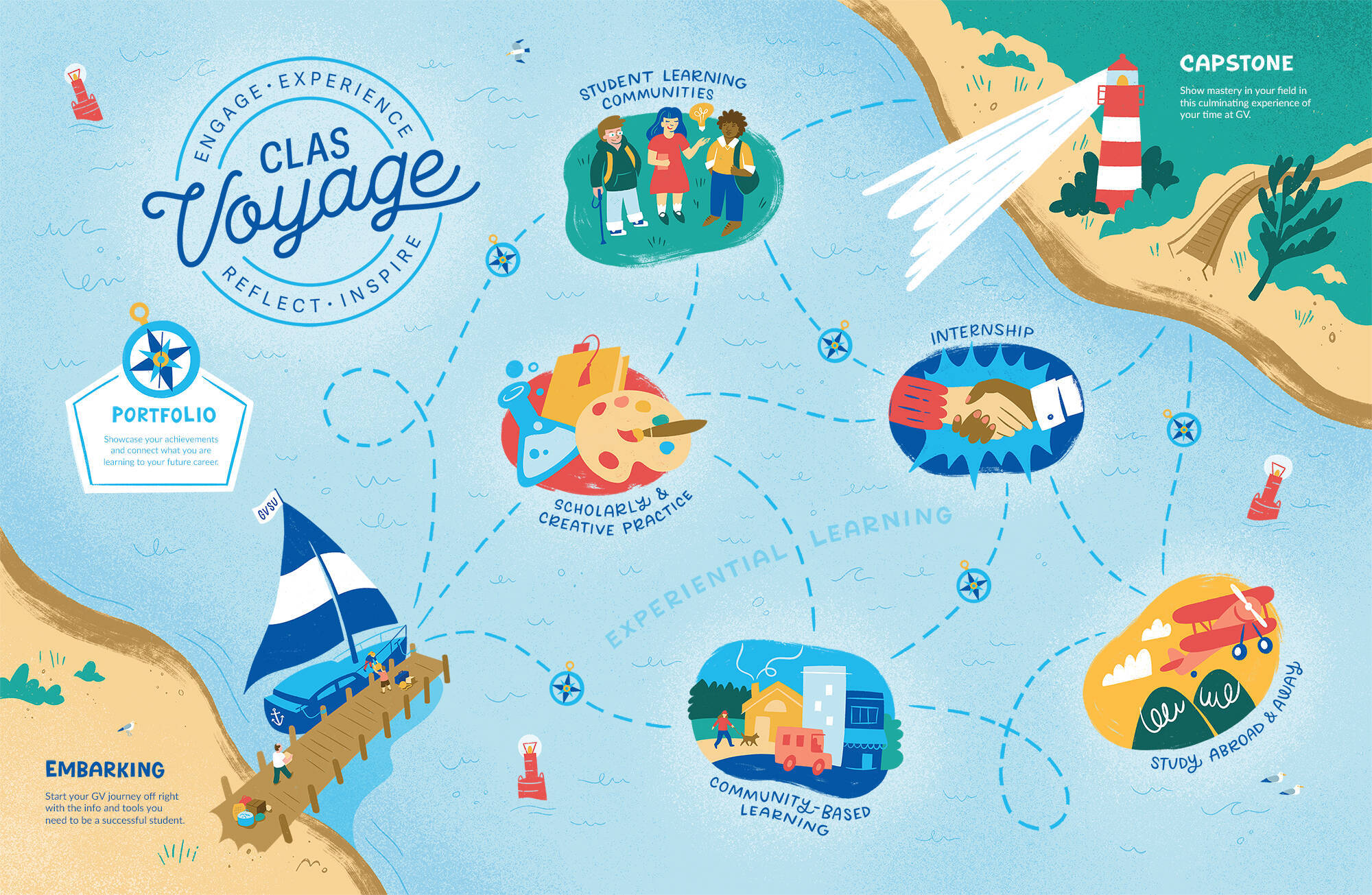
Every student in one of the 50+ undergraduate programs in the College of Liberal Arts and Sciences (CLAS) at Grand Valley State University participates in the CLAS Voyage—an immersive academic journey connecting students’ interests with the skills employers seek.
The CLAS Voyage includes four key components: the Embarking Experience in the first year in that builds academic skills and community; an ePortfolio developed over time to document achievements and explore career pathways; experiential learning opportunities such as internships or research embedded in coursework; and a capstone experience that integrates learning and demonstrates mastery in the major.
Designed to be barrier-free, the CLAS Voyage removes financial and other obstacles so all students can access these high-impact experiences.
Explore the CLAS Voyage website for more information.
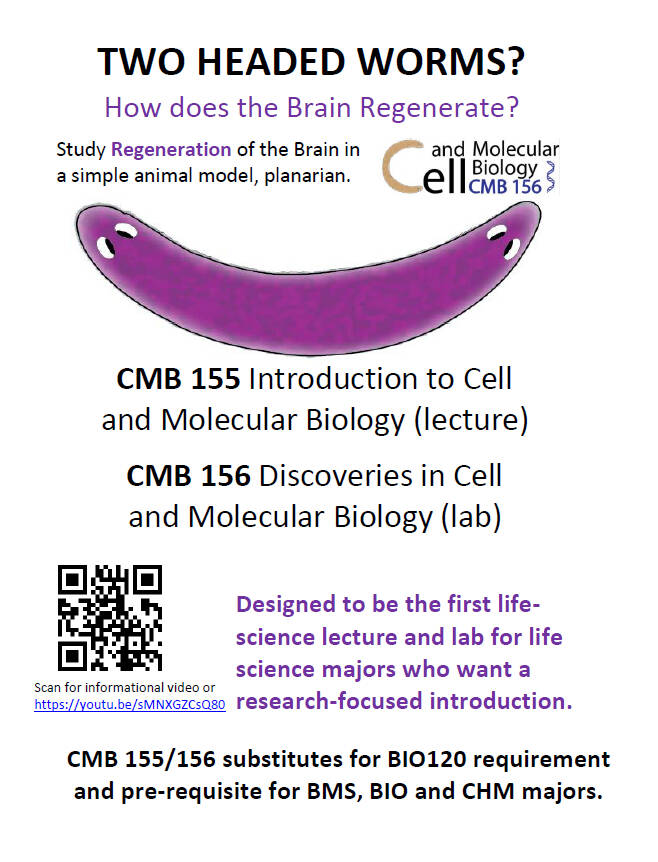
Embarking Experience: CMB 156 - Discoveries in Cell & Molecular Biology
The Voyage begins with an Embarking Experience in CMB 156: Discoveries in Cell & Molecular Biology. In this research-based laboratory course, students explore planaria through hands-on, course-based research while developing foundational laboratory, analytical, and scientific communication skills and building connections within the CMB academic community.
Explore CMB 156

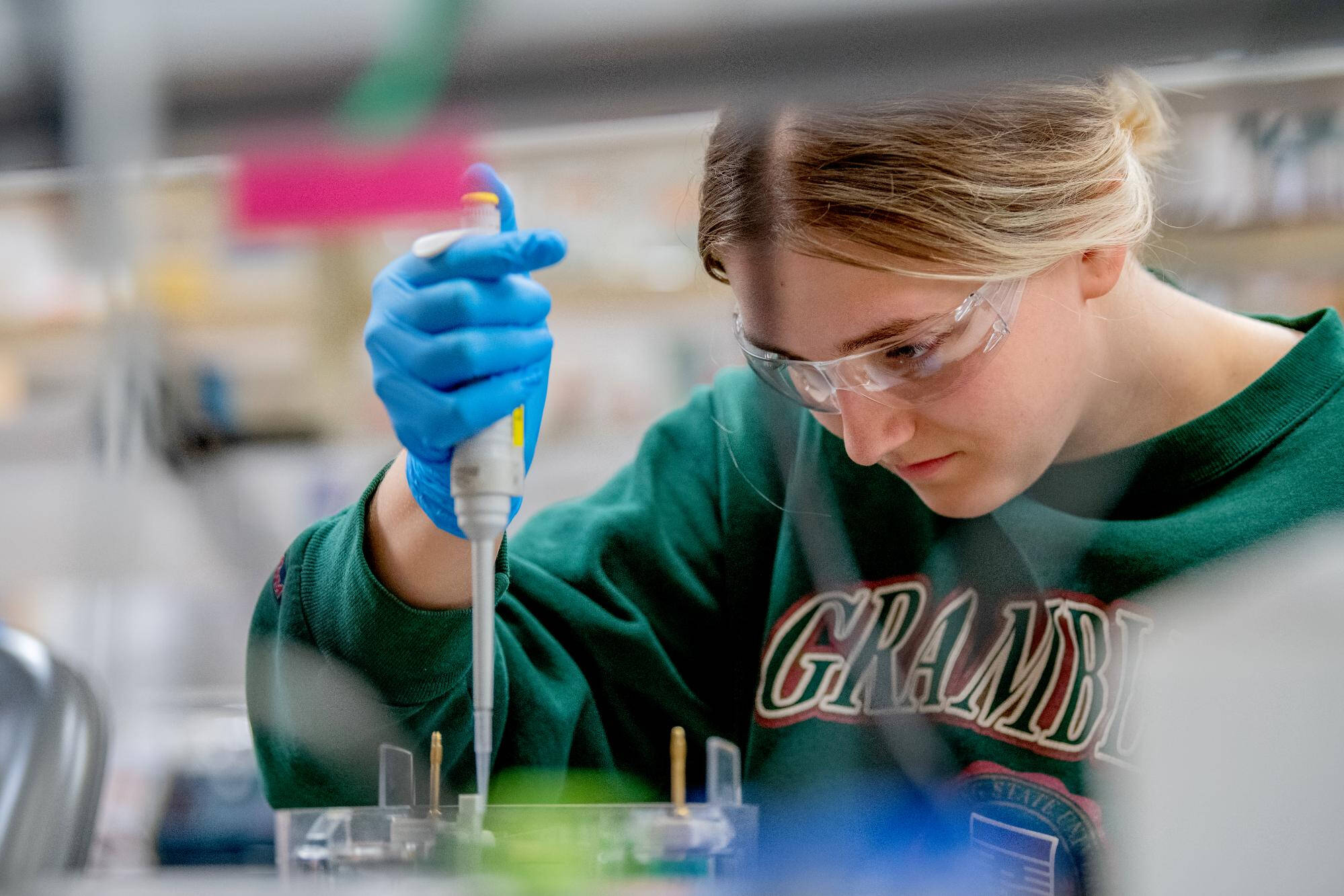
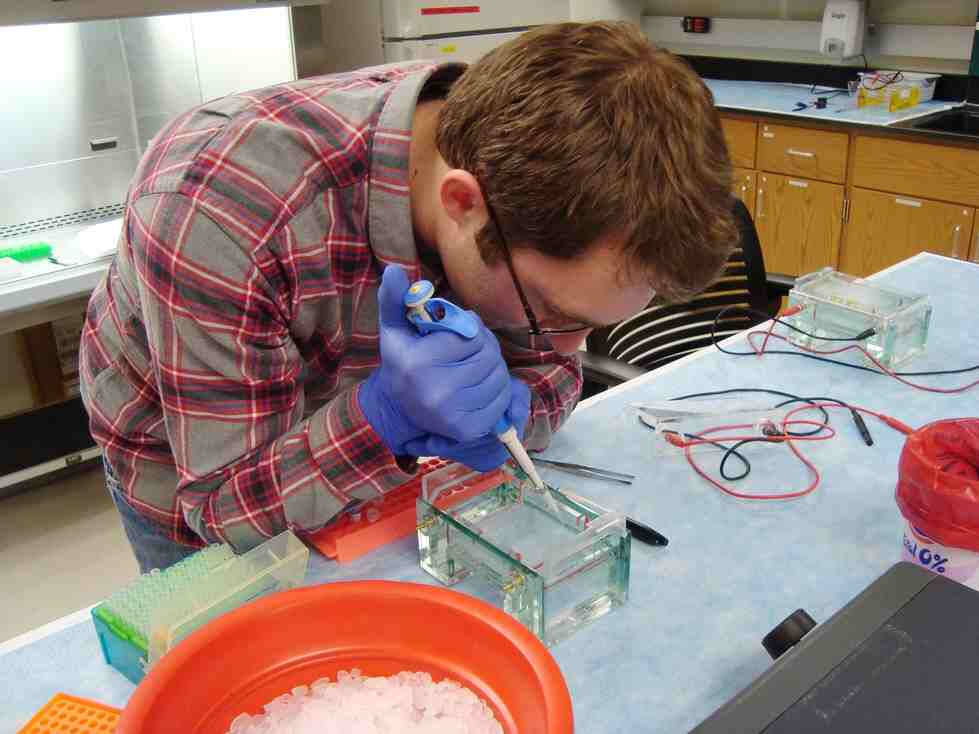
Experiential Learning: CMB 426 - Research Applications in Molecular Genetics
CMB 426 offers hands-on experiential learning through original molecular biology research investigations. Students apply advanced laboratory techniques, explore DNA sequence analysis and bioinformatics, and connect classroom knowledge to real-world research practices in academic and biotechnology laboratories.
Capstone: CMB 495 - Perspectives in Cell & Molecular Biology
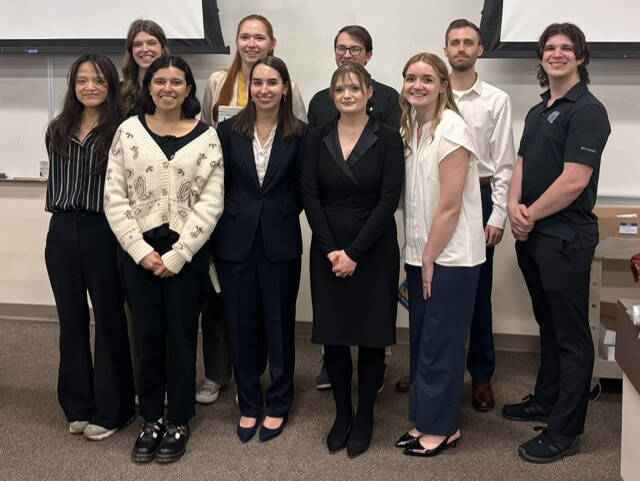
During the capstone, students integrate knowledge from the CMB core with their own research experiences. Through critical reading of primary literature, scientific reporting, and discussions of current issues in cell and molecular biology, students reflect on their growth, strengthen scientific communication skills, and apply their knowledge to real-world scientific questions.
The experience culminates in a senior presentation which students synthesize their coursework and research, demonstrating mastery of the discipline and readiness for careers or advanced study in the life sciences.
CMB Students in Action