

Undergraduate Research & Technical Competencies
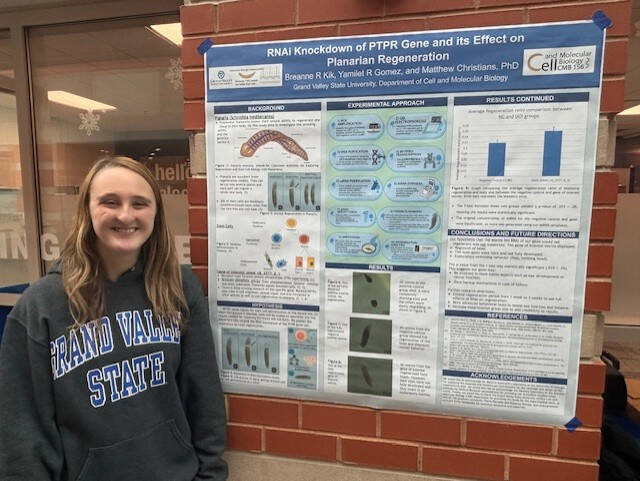
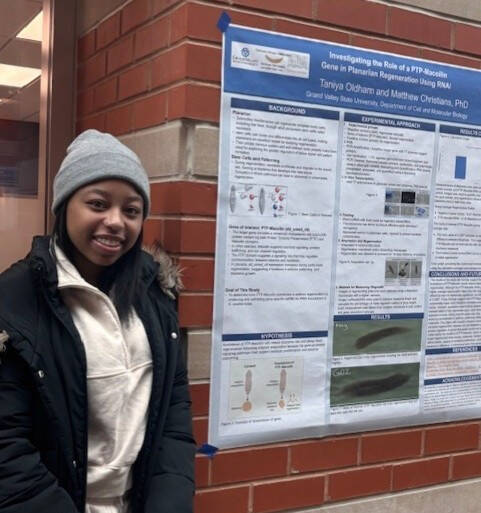
CMB 156 - Discoveries in Cell and Molecular Biology: A Research‑Based Laboratory Course
Laboratory Techniques:
- Precision micropipetting
- Polymerase Chain Reaction (PCR)
- Agarose gel electrophoresis
- Gel documentation and data analysis
- RNA interference (RNAi) and RNA purification
- Microscopy and imaging techniques
Research & Professional Skills:
- Scientific notebook maintenance and accurate documentation
- Experimental design and scientific presentation
- Analysis and interpretation of experimental data
CMB 250 - Introduction to Biotechnology
Molecular Biology Techniques:
- Micro pipetting with precision
- DNA extraction from biological samples
- Polymerase Chain Reaction (PCR)
- Gel electrophoresis for DNA analysis
- DNA restriction enzyme digestion
- PCR-based RFLP (Restriction Fragment Length Polymorphism)
Protein & Immunological Techniques:
- ELISA (Enzyme-Linked Immunosorbent Assay) for protein detection and quantification
Applications & Competencies:
- Hands-on practice in common molecular biology workflows
- Interpretation and analysis of experimental data
- Development of laboratory precision and reproducibility
CMB 406 – Independent Small Group Experimental Design and Execution
Experimental Design & Research:
- Plan and execute independent small-group research projects
- Develop experimental strategies and troubleshoot protocols
Laboratory & Molecular Techniques:
- Chemical solution preparation
- Sterile technique and media preparation
- Sterile cell culturing
- DNA extraction
- Micro pipetting
- PCR and gel electrophoresis
- Gel documentation and analysis
Cell & Protein Analysis:
- Use a hemocytometer to measure cell density
- Protein extraction
- Protein gel electrophoresis and Western Blot
Microscopy & Imaging:
- Microscopy techniques and imaging for experimental analysis
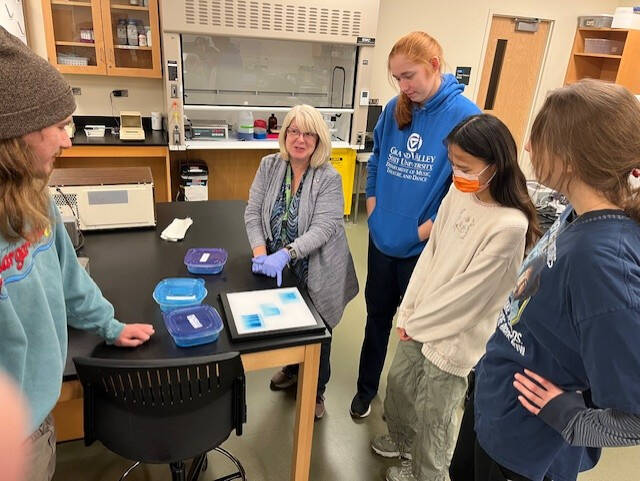
CMB 426 – Advanced Laboratory Techniques and Research
Molecular Biology & Genetics:
- Perform PCR, RT-PCR, and cDNA synthesis
- Conduct DNA restriction digests and plasmid extractions (miniprep)
- Design DNA primers and analyze DNA sequences
- Predict protein domains and analyze gene function
- Extract RNA and perform quantitative PCR (qPCR) analysis
Cell & Microbial Techniques:
- Execute precise micro pipetting
- Prepare sterile media and maintain sterile cultures
- Prepare host cells and excise plasmids from vectors
- Measure cell density and nucleic acid concentrations using spectroscopic techniques (Nanodrop)
Plant Biology Techniques:
- Germinate and care for plants
- Powder plant tissue for molecular analysis
Analytical & Documentation Skills:
- Perform agarose gel electrophoresis and gel documentation
- Prepare chemical solutions accurately
Research & Experimental Design:
- Plan and execute an individual student research project
- Develop experimental proposals and analyze results critically
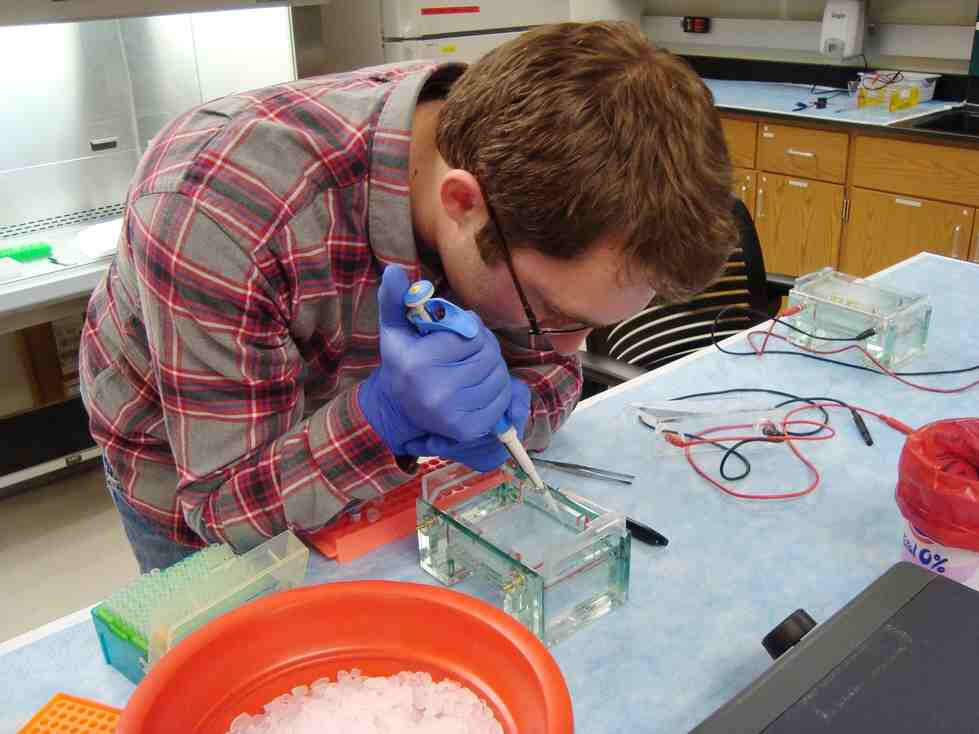
CMB 451 – Bioinformatics and Computational Analysis in Molecular Biology
Databases & Data Resources:
- NCBI: GENE, GENOME, GEO, OMIM, ClinVar
- EBI: ENA, UniProt, PDBe, Expression Atlas
- Protein Data Bank (PDB)
Sequence Analysis & Alignment:
- Pairwise sequence alignment (EBI-EMBOSS)
- BLAST: BLASTn, BLASTp, BLASTx, tBLASTn, PSI-BLAST, PHI-BLAST
- Multiple sequence alignment: CLUSTAL, MAFFT, MUSCLE
- Conserved motif identification: MEME
Gene Expression & Phylogenetics:
- GEO gene expression data analysis (Profiles and DataSets)
- Microarray and RNA-Seq data interpretation
- Phylogenetic analysis of gene families
Structural Analysis & Visualization:
- Protein structure visualization and analysis: VMD, UCSF Chimera, PDBSum
- Genome browsing and sequence annotation
Research & Applications:
- Independent research project involving bioinformatic literature review
- Analysis of sequence–structure–function relationships in a selected gene family
CMB 452 – Computer-Aided Drug Design
Databases & Structural Resources:
- Protein structure databases: PDB, PDBe, PDBSum
- PubChem for chemical and molecular information
Structural Analysis & Visualization:
- Protein structure visualization and analysis: VMD, UCSF Chimera
- Protein surface analysis and cavity identification: ProteinPlus
- Molecular structure building and manipulation: Avogadro
Computational Drug Design:
- Protein-ligand docking simulations: SwissDock
- Design of novel drug candidates based on structural analysis
Research & Applications:
- Independent research project involving literature review
- Selection of a protein target linked to a medical condition
- Computational design of potential therapeutics
- Integration of sequence, structure, and ligand docking analysis
Page last modified April 15, 2026