

Naturalistic Developmental Behavioral Interventions (NDBI)
The purpose of this Bite is to introduce you to the ways that developmental and behavioral approaches are being integrated in early childhood education.
Naturalistic Developmental Behavioral Interventions (NDBIs) are evidence-based approaches that combine principles of applied behavior analysis with developmental science to support social communication, play, and learning. They take place in everyday routines and natural environments, using child-directed activities and interests to increase motivation and engagement.
NDBIs are not a single program but rather a collection of related approaches that share a common foundation. What unites them are shared components such as child choice, embedding teaching in everyday interactions, shared control, and a focus on social communication and reciprocity. Examples include Pivotal Response Teaching (PRT), Early Start Denver Model (ESDM), Project DATA, and JASPER.
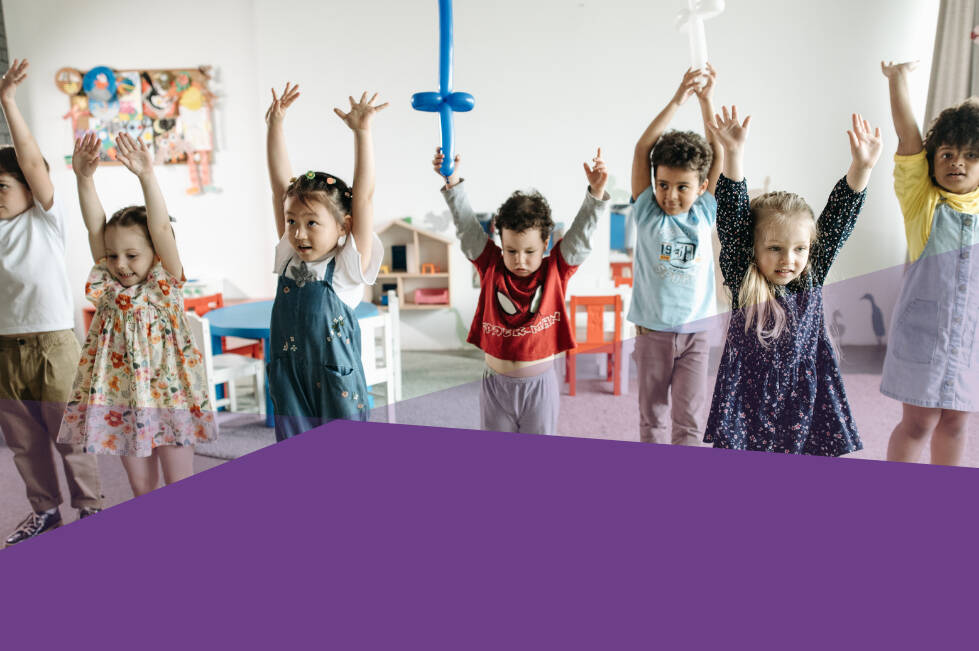
Introduction to NDBIs

This video describes NDBIs as a combination of developmental science with applied behavior analysis to teach and engage young children in early childhood education. It is especially effective for children with developmental delays since it emphasizes the development of social communication and reciprocity, and meaningful participation in daily activities.
The Eight Common NDBI Strategies
This video introduces you to the eight common NDBI strategies, including being on the child's level, following the child's lead, using positive affect and animation, modeling appropriate language, responding to attempts to communicate, using communicative temptations, frequency of direct teaching episodes, quality of direct teaching episodes. The NDBI-Fi is introduced to help you implement these strategies during naturally occurring teaching opportunities.
Practical Application of NDBI within Early Childhood Contexts
This video introduces the selection of NDBI learning targets using a matrix with children's learning objectives. The adult will consider the child's interests, developmental level, and environmental arrangement to support initial and ongoing engagement in an activity that is child-led. During teaching, instructors utilize child-initiated teaching opportunities, modeling behavior, prompting, prompt fading, reinforcement of attempts, and creating conditions for natural reinforcement.
Misconceptions about NDBIs
This video highlights common misconceptions about NDBIs. You will learn that NDBI programs have research support from both developmental and behavioral research literature. And although instructors follow the child's lead, there is shared control and the teaching is structured. NDBIs can be used during play, daily routines, meals, and more to teach a wide range of skills.
Takeaways
- NDBI is derived from Developmental Psychology and the science of Applied Behavior Analysis (ABA).
- NDBIs are empirically validated interventions that address a wide range of developmental areas and skills.
- Several NDBI models have been validated by research and come with manuals to support implementation.
- NDBI is consistent with practices and recommendations from professional organizations such as the Division for Early Childhood and the National Association for the Education of Young Children.
- Current research suggests that NDBI is a promising new approach that is not only effective but socially accepted by providers and families.
Featuring:
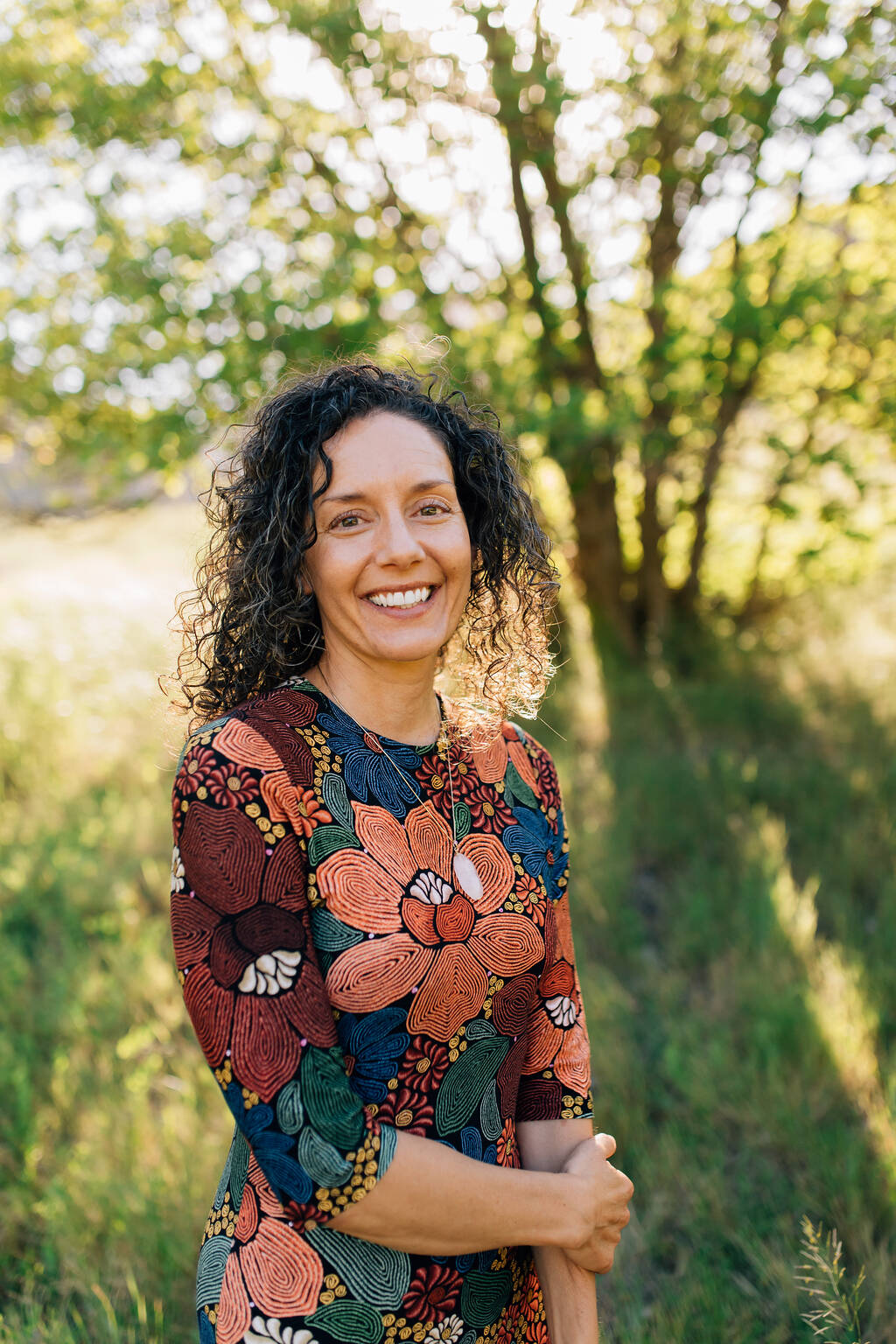
Sophia D'Agostino, Ph.D. - Assistant Professor, Special Education and Rehabilitation Counseling, Utah State University
Dr. Sophia D’Agostino is an Assistant Professor of Special Education. She earned her PhD in Human Development and Family Studies from Michigan State University in 2019. Prior to entering graduate school, she was an early childhood special education teacher, coach, and consultant. Her research interests focus around naturalistic developmental behavioral intervention implementation within inclusive preschool settings. Two primary strands of Dr. D'Agostino's research are (a) understanding and improving teacher preparation and training to increase the quality of services that children with disabilities receive within inclusive settings and (b) dissemination and use of naturalistic developmental and behavioral interventions (NDBI). She is passionate about early childhood pre-service and in-service teacher training and coaching to enhance meaningful inclusion of children with disabilities.