

Theme: The Holocaust
The Holocaust
Between 1933 and 1945, the Nazi government persecuted and murdered over six million Jewish people in Europe. This means that in Europe, nearly two out of every three Jews were murdered. Jewish people were not the only ones who faced persecution and death during this time. Millions of other non-Jewish people – government dissenters, prisoners of war, the Roma, LGBTQ+ peoples, people with disabilities, and more – also died. Entire families and communities were wiped out by government-sanctioned persecution. This tragic time in history needs to be learned and remembered. Many artists who experienced life under Nazi rule and Nazi persecution created work in response to their experiences – whether it was for healing, for their own reflection, or to ensure their stories lived on. Today, artists still respond to the horror of the Holocaust, utilizing their artwork to process their own thoughts and emotions, and giving the viewer a chance to connect with and reflect on a time that feels like it happened long ago – even though it happened less than one hundred years ago.
Artwork reflects individual stories. Artwork is a visual representation of somebody’s experiences/responses and how they process them. Perhaps you are interested in working with your students on the themes of genocide, tragedy, or human resilience – while these themes are not exclusively represented in this section, artworks that explore these complex themes can also be found here.
Holocaust Artwork in the Collection
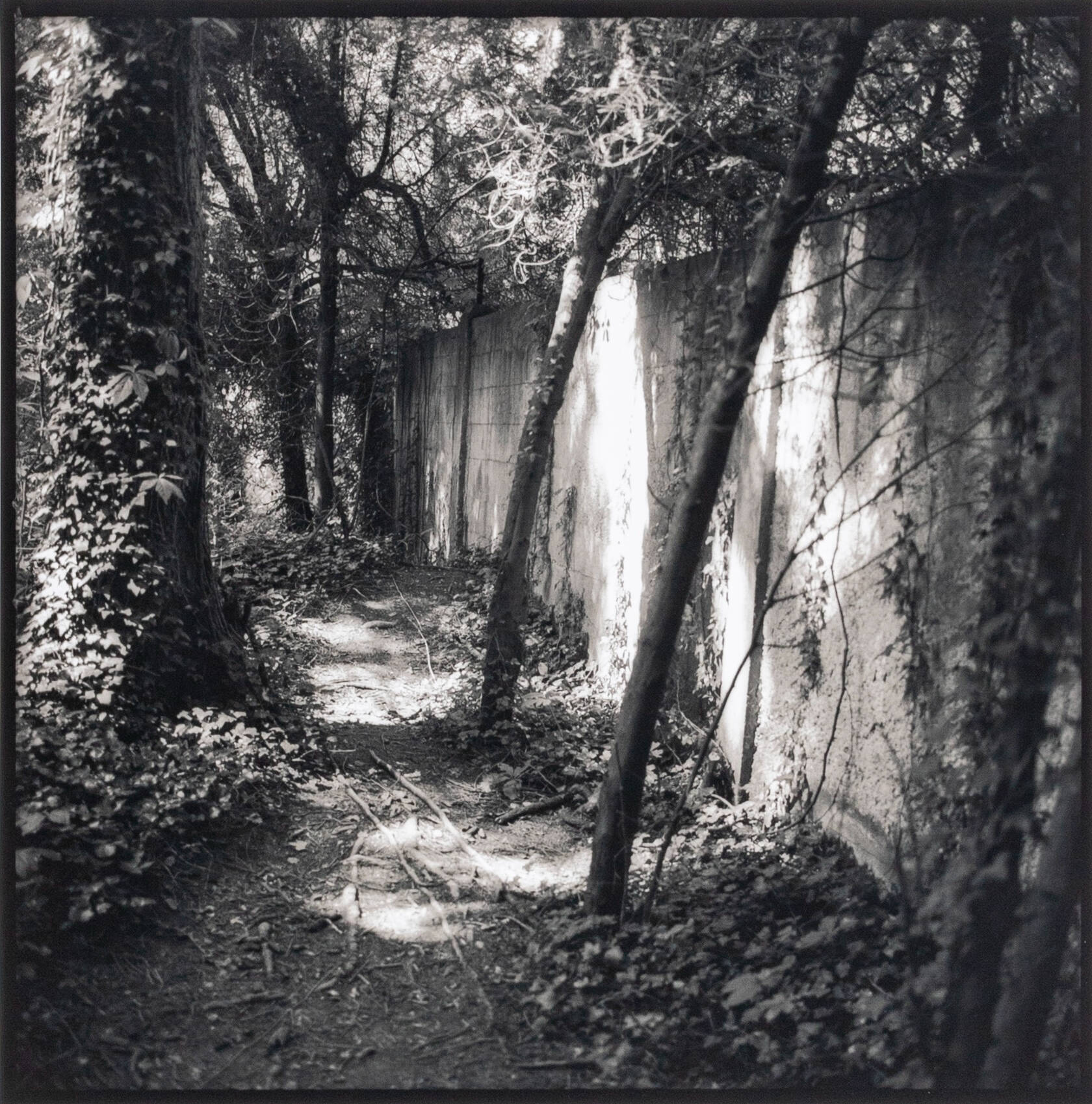
Gloria Baker Feinstein, Execution Wall, Dachau, Germany, carbon piezo print, 2001, 2004.234.1.
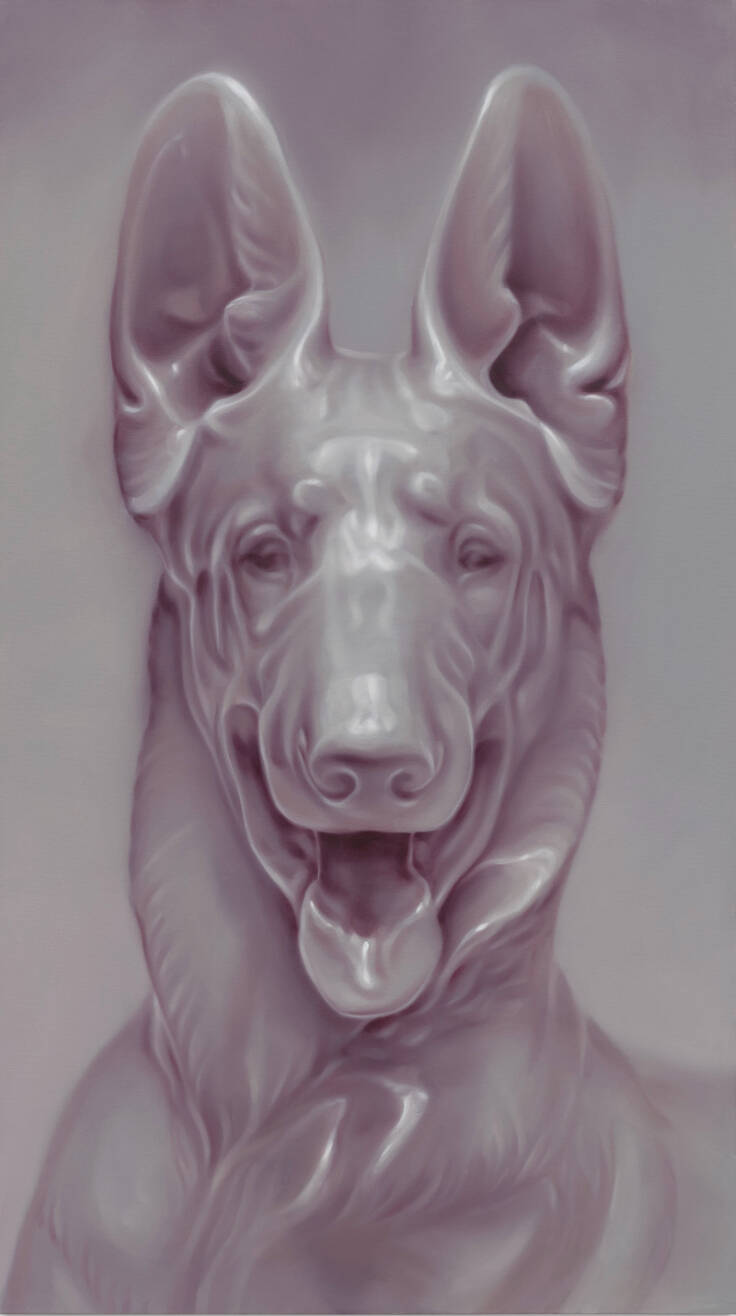
Robert Russell, Grosse Schäferhund 1, oil on canvas, 2022, 2024.17.1.
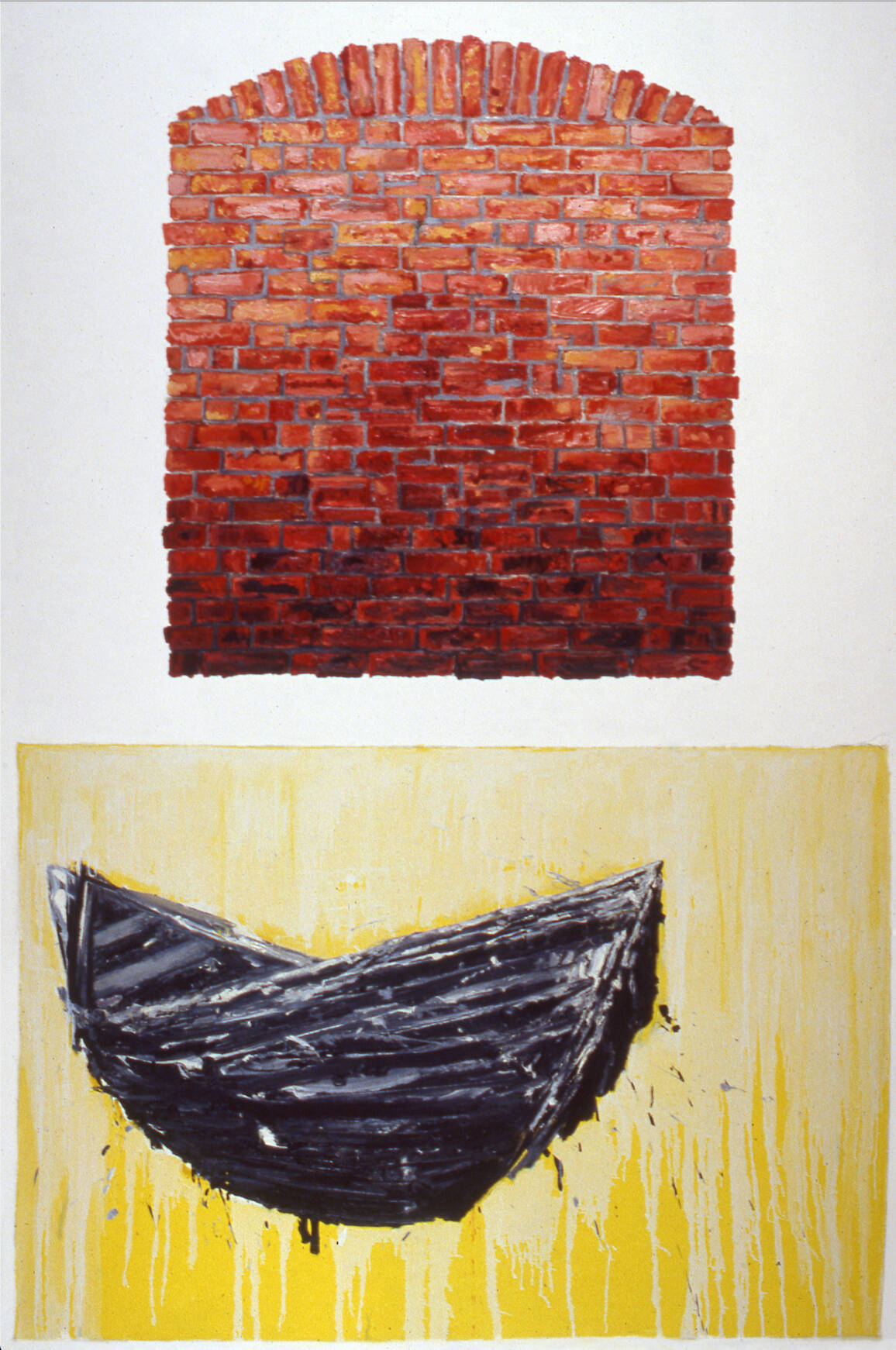
Vera Klement, Lifeboat, oil on canvas, 1998, 2029.29.4.
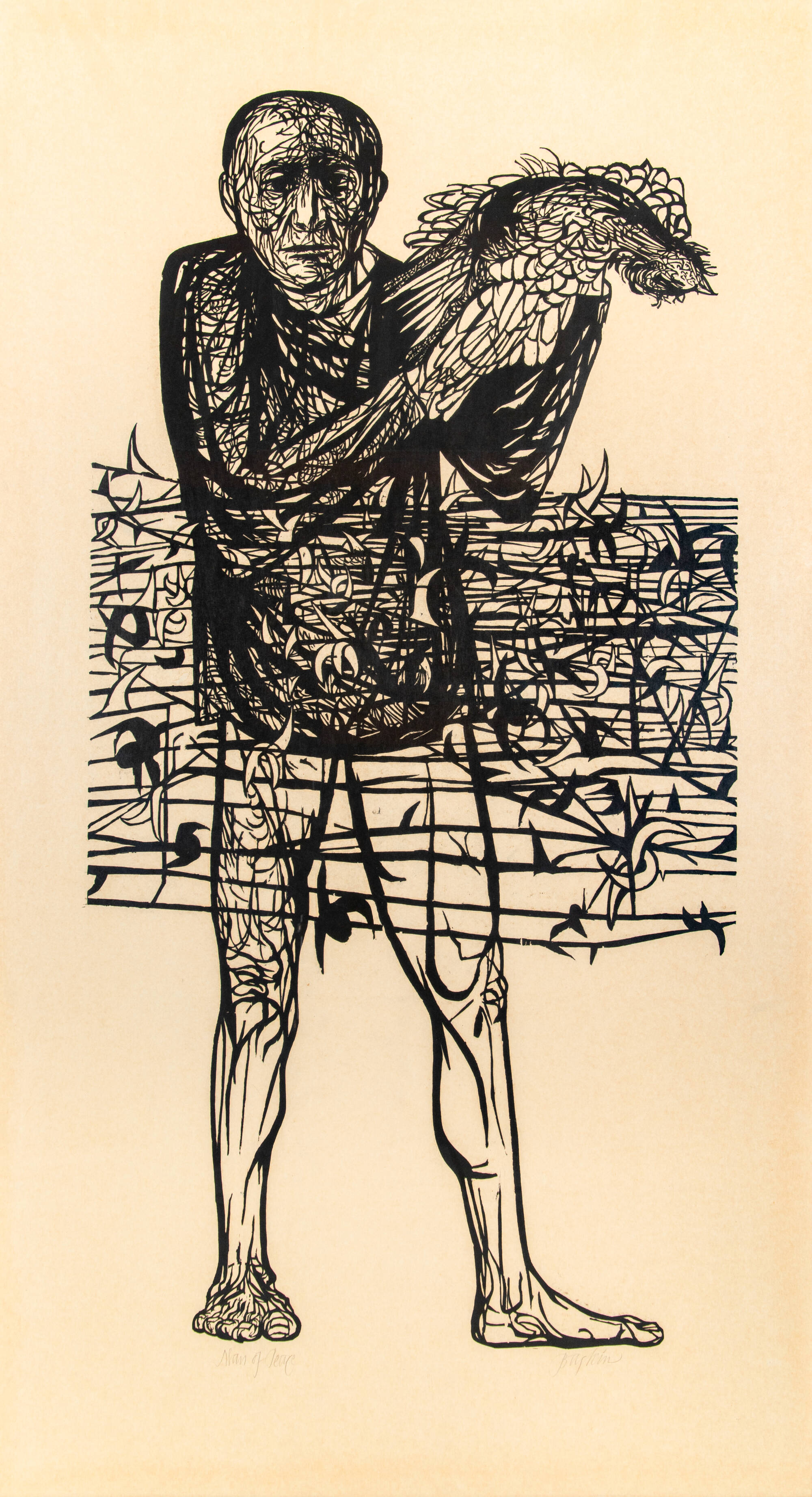
Leonard Baskin, Man of Peace, woodcut, 1952, 2017.48.1.
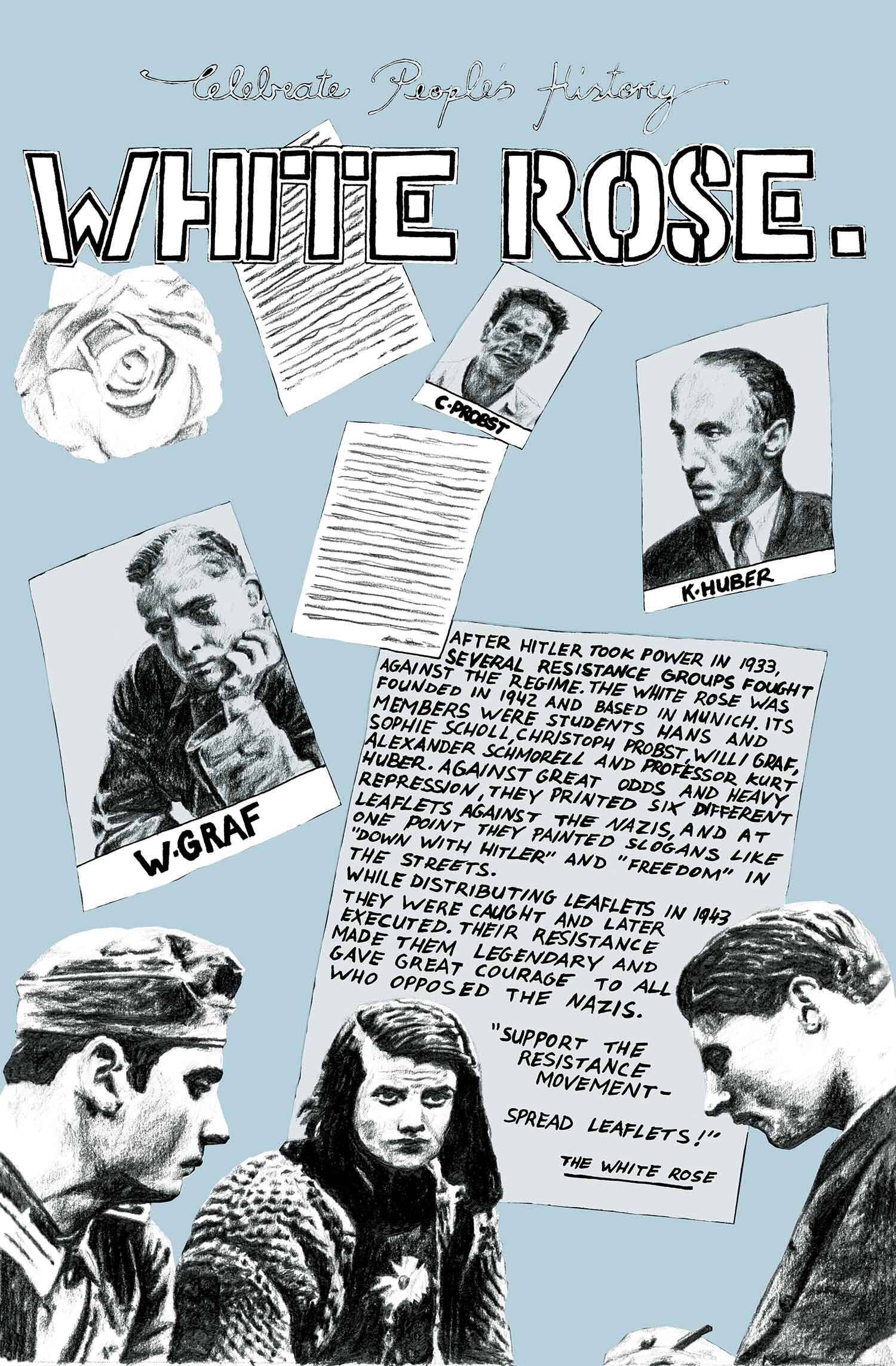
Keinom, Celebrate People's History: White Rose, two-color offset printed poster, 2006, 2020.23.16.
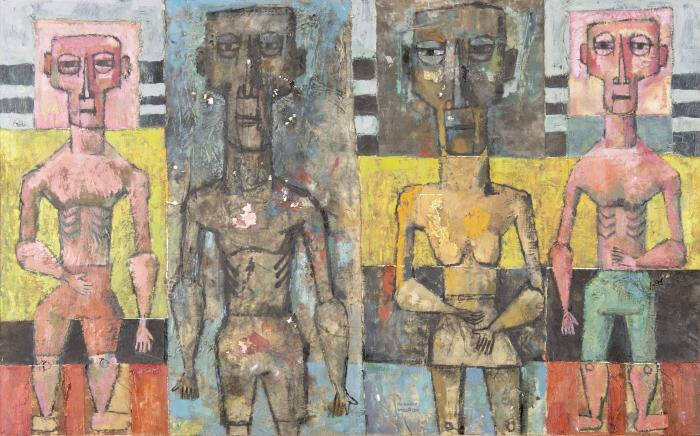
Henk Krijger, The Survivors, oil and rags on masonite, 1972, 2021.66.1.
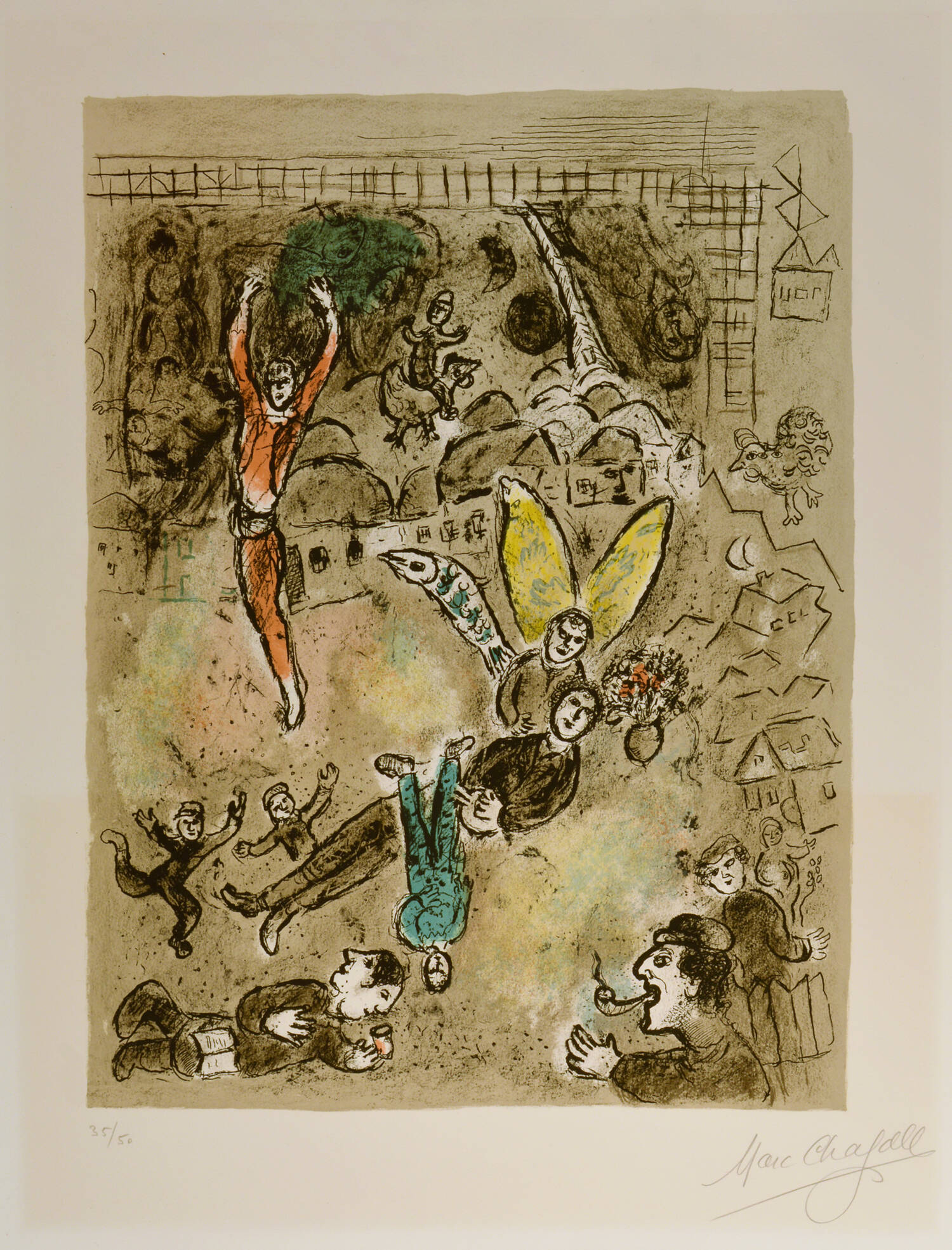
Marc Chagall, Fantastique (Fantastic), color lithograph, 1976, 2013.68.9.
The GVSU Art Museum can integrate artwork into your classroom discussions, assignments, projects, and more. Check out our calendar to see if one of our already planned events meets a goal for your students, or reach out to us directly to plan something tailored to your needs. We can bring artwork to your classroom, you can visit our art storage or office spaces, or book a tour of an exhibition or curated space on campus.
The GVSU Art Museum team can work with faculty one-on-one to create lesson plans or assignments. Whether you are looking for a behind-the-scenes experience, something hands-on, a creative usage of art in your classroom, or a more traditional assignment, we are here to assist you.
The GVSU Art Museum is partnering with many organizations in Grand Rapids to provide resources for the annual Henry Pestka Art and Poetry Contest. The program is designed for students in grade levels 6-12 who are completing Michigan state education requirements for Holocaust and Genocide Education, providing them the opportunity to process and reflect on the concepts they learned through writing or art. We have created contest resources based on artists in the collection; check back periodically for updates.
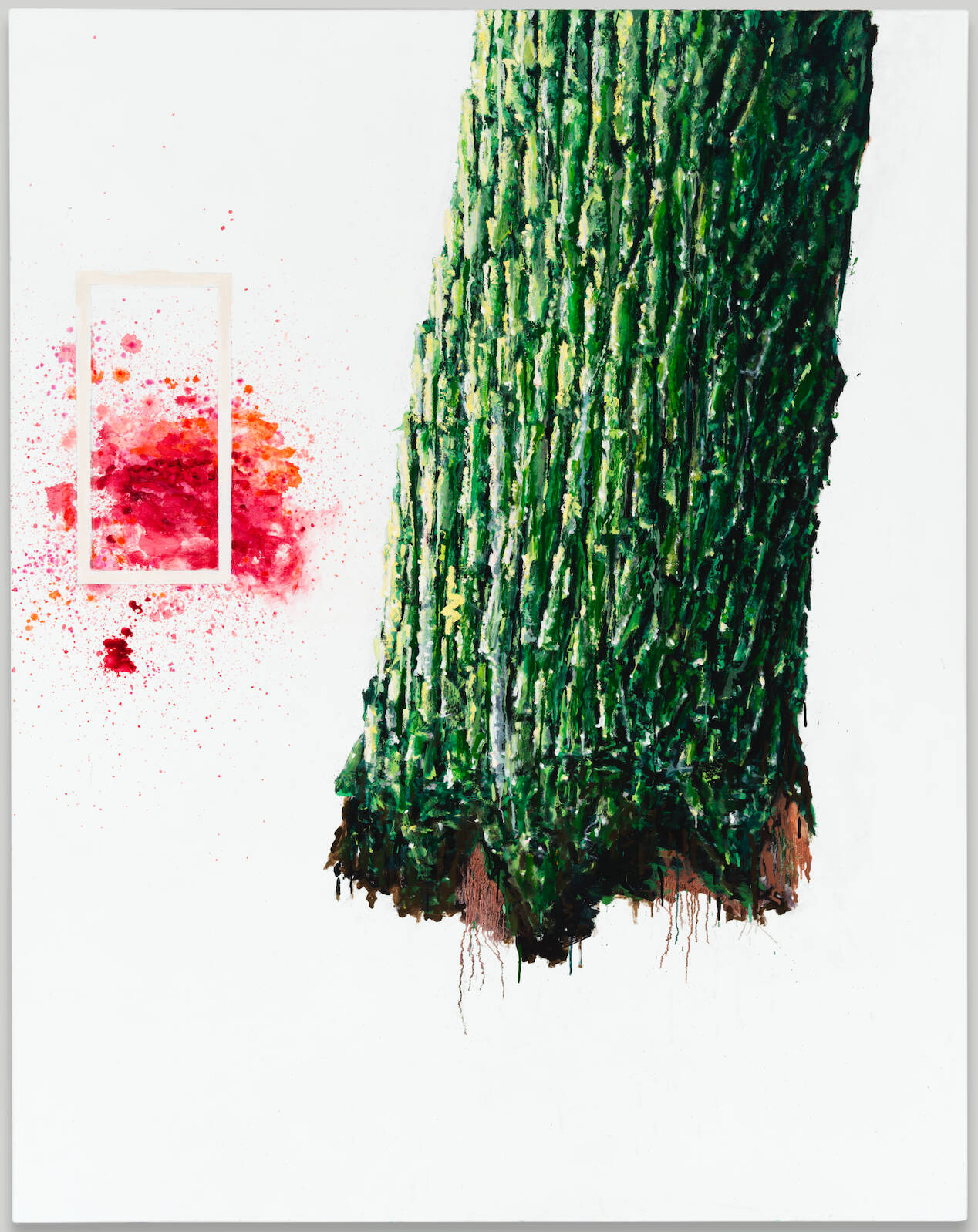
Vera Klement, Greening, oil on canvas, 2014, 2021.29.1.
Art is a powerful tool when it comes to processing emotions, sharing stories, and spreading news. Art has a long history of being used to spread information about historical events, including acts of genocide. While these topics can be hard to read, see, or learn about, it is important to understand the events that happen around the world. Visual artists use their talents and skills to share information that can get lost in the 24-hour news cycle and create a historic record of many perspectives. Here we have collected works in our collection that relate to the topic of genocide outside of the Holocaust. Please enter with care.
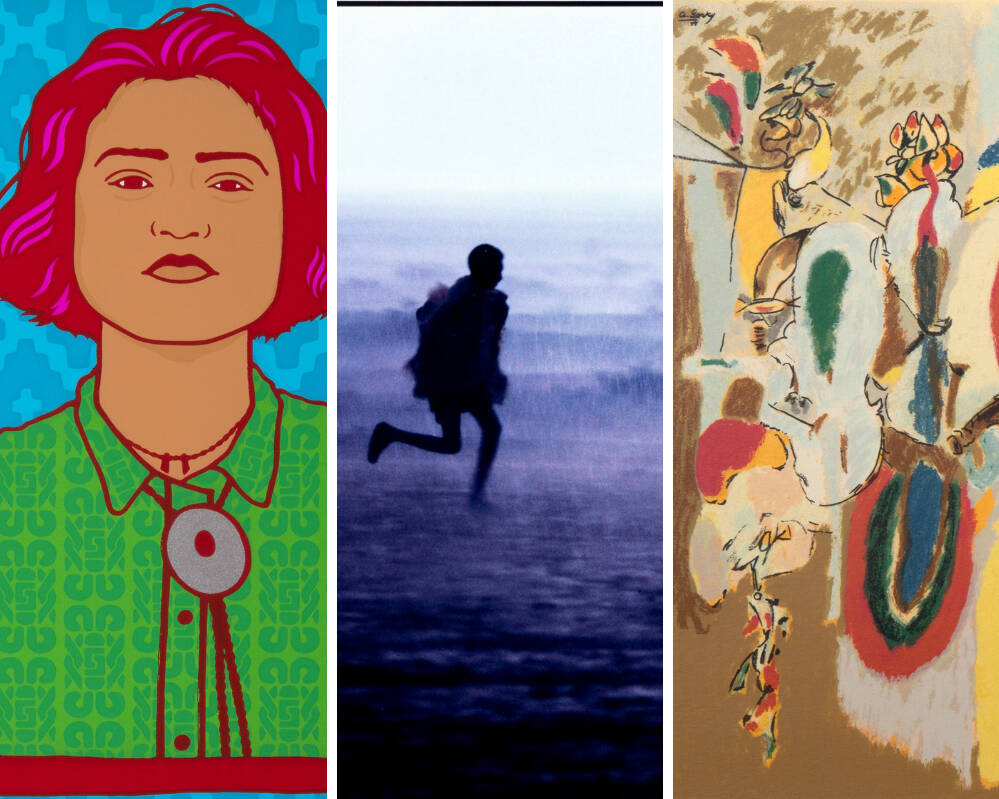
Jesus Barraza, Gente de Maiz, screenprint, 2022, 2024.20.4.
Peter Turnley, Ethiopian Refugee Running in Rainstorm, Togwajaale, Somalia, archival pigment print, 1986, 2020.42.34.
Arshile Gorky, The Liver is the Cock's Comb, serigraph, 1995, 2007.539.1.
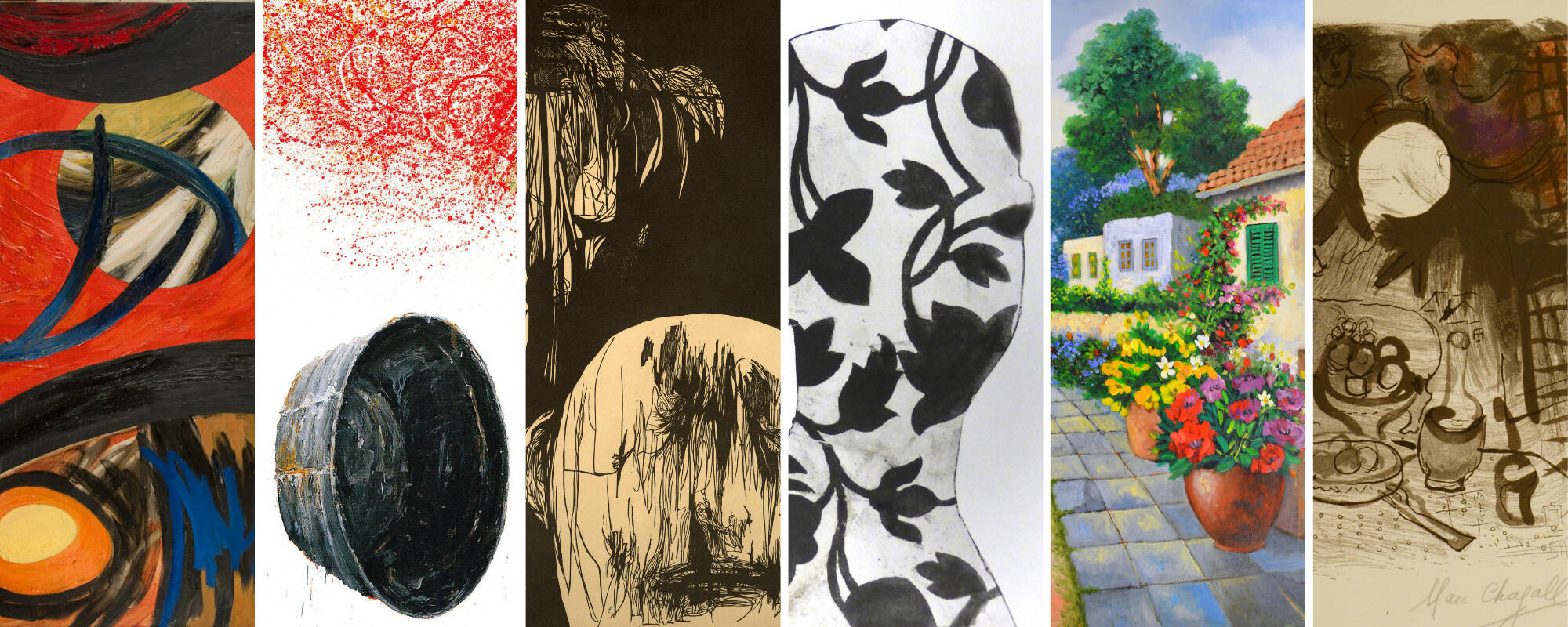
Header Images:
Cyril Lixenberg, Tussendoor: Between Time, oil on canvas, ca 1967, 2013.15.15.
Vera Klement, The East was Red with Cockrow, oil and wax on canvas, 1999, 2012.98.1.
Leonard Baskin, Torment, woodcut print, 1959, L11.2022.964.
Linda Soberman, Untitled, print, 2014.29.1.
Heddy Kun, Flowers Along the Path, oil on canvas, 2006, 2013.92.10.
Marc Chagall, Nature Morte Brune (Brown Still Life), color lithograph, 1957, 2013.68.10.