

Theme: Illustration and Storytelling
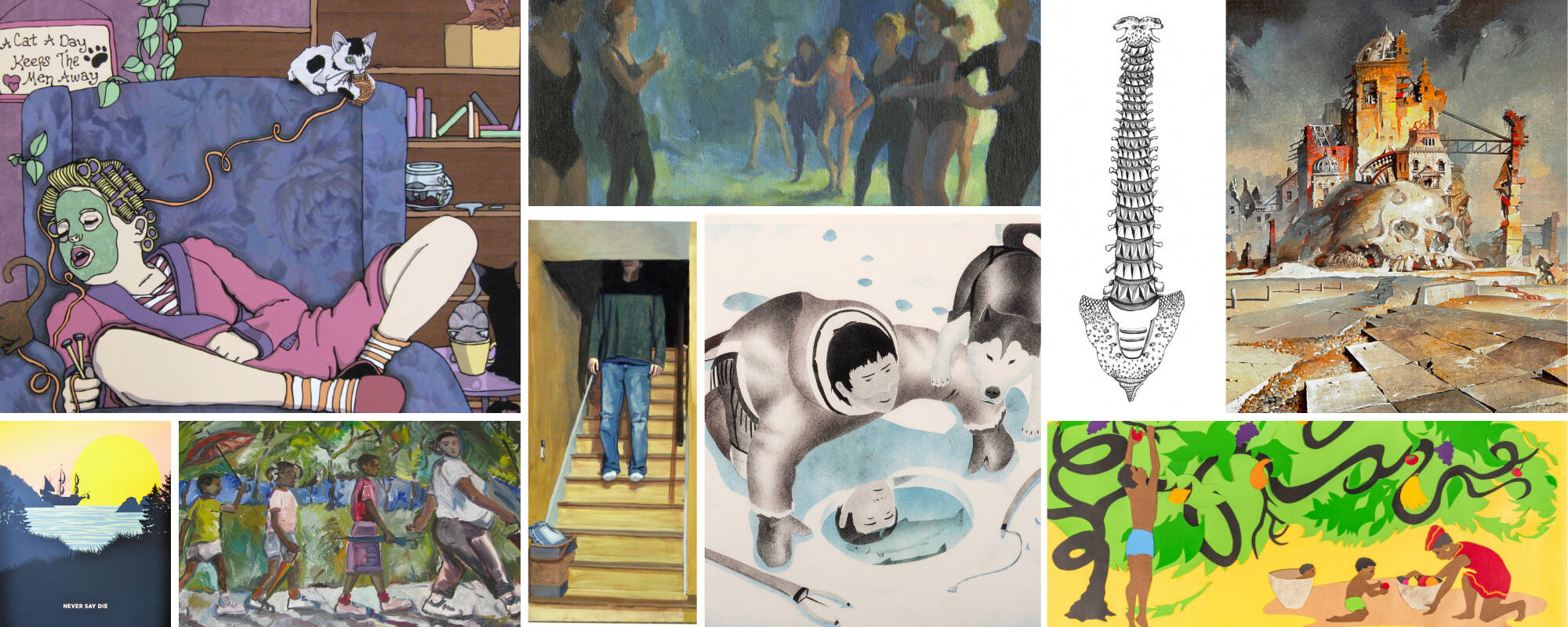
Illustration and Storytelling
We use visual art to portray information. This might be for entertainment, such as illustrative drawings for character development, or instructional, such as medical drawings. Sometimes the purpose is both, such as is often the case in children’s books. These artworks – whether painted, photographed, carved, woven, or digital – tell us about our world, and how others can see it. We can use these stories and illustrations to increase empathy and enhance our perspectives, to understand other cultures, and to increase our knowledge.
Illustrations in the Collection
Incorporating Illustrations and Storytelling into Your Curriculum
Explore More Illustration and Storytelling Themes in the Collection
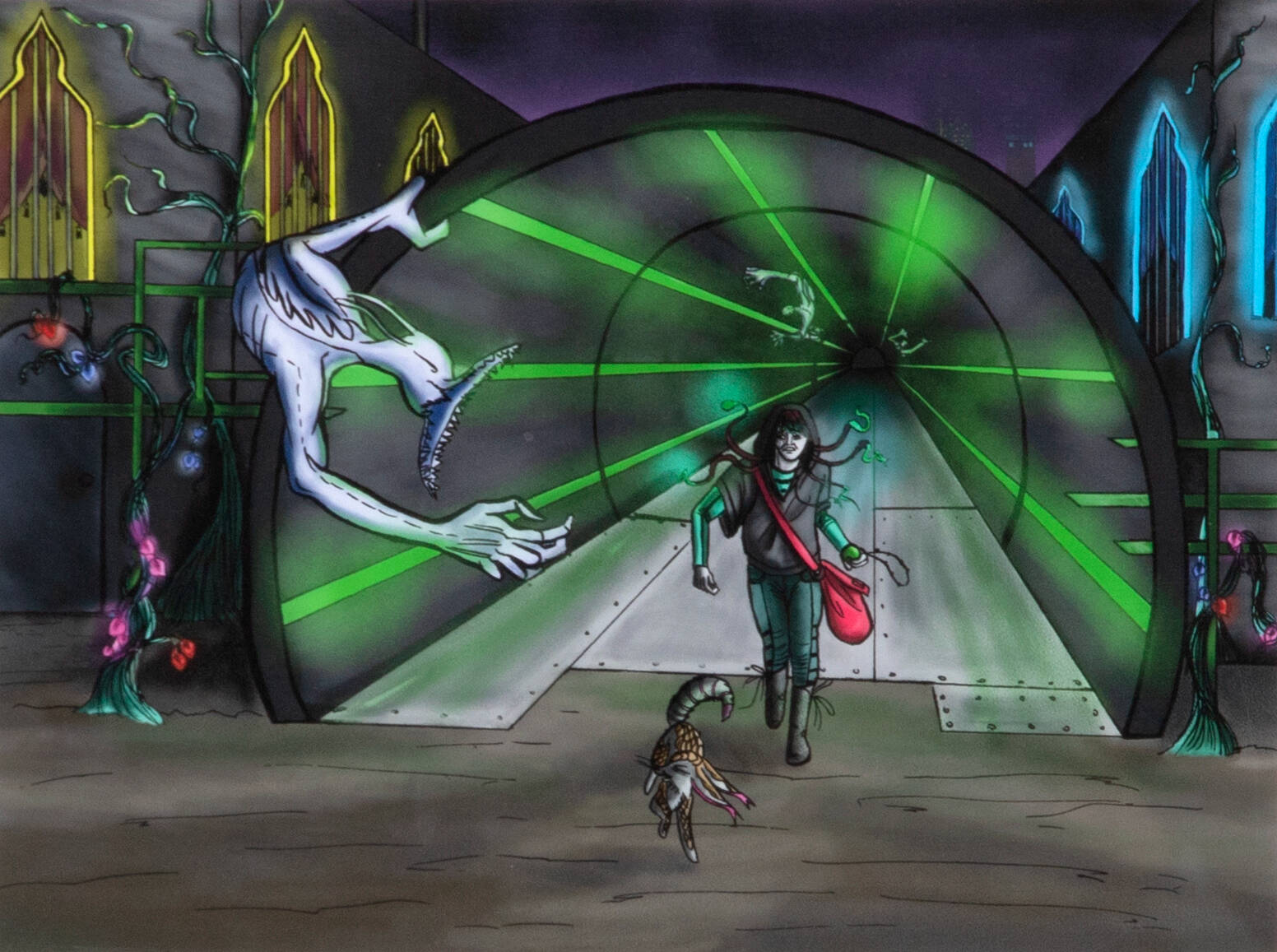
Alexandra Deykes, Releven Environment, digital illustration, 2011, 2011.120.2.
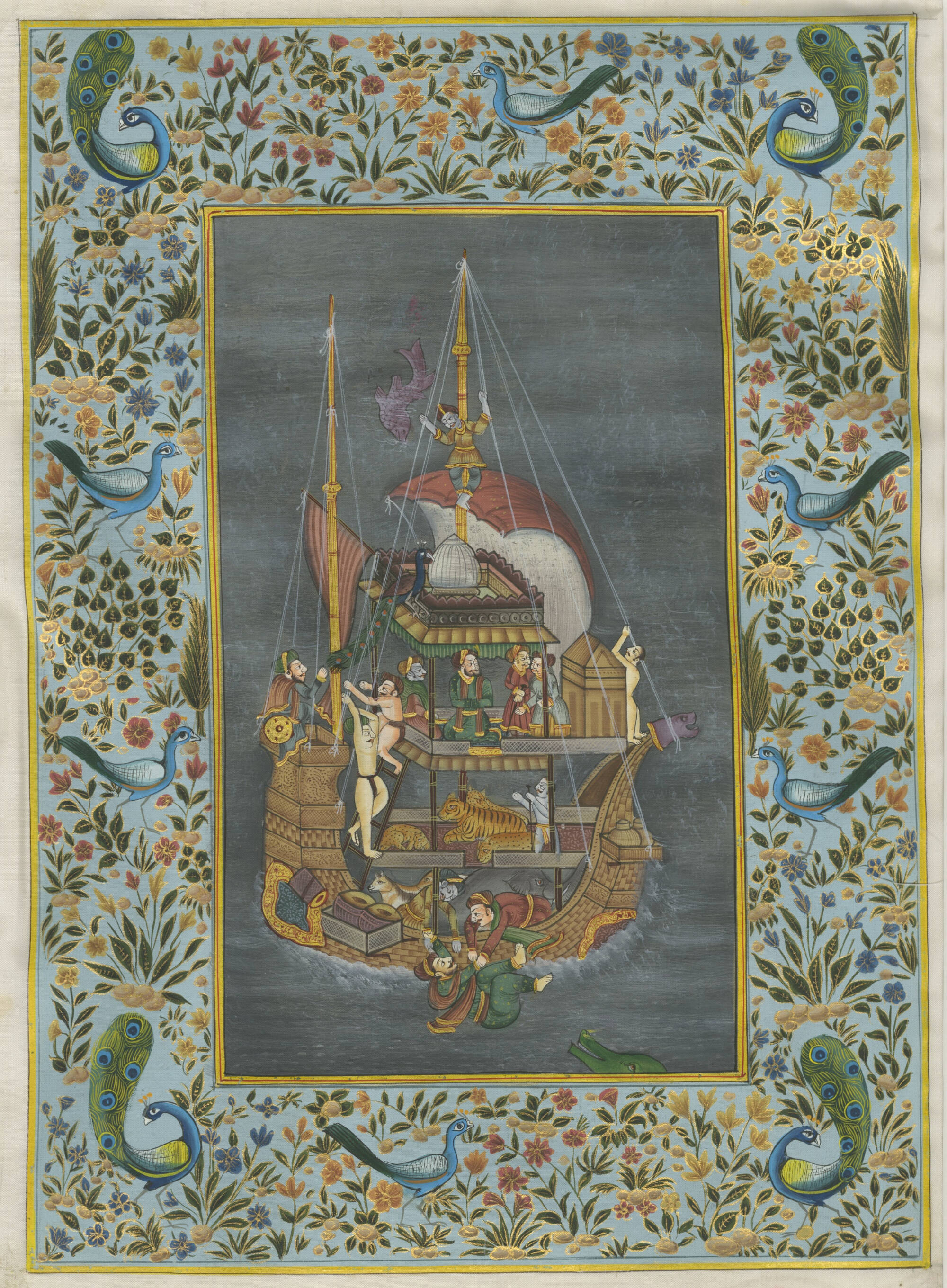
Babulal Marotia, Noah's Art (Attributed to Miskin), paint on silk, 2008.086.1.
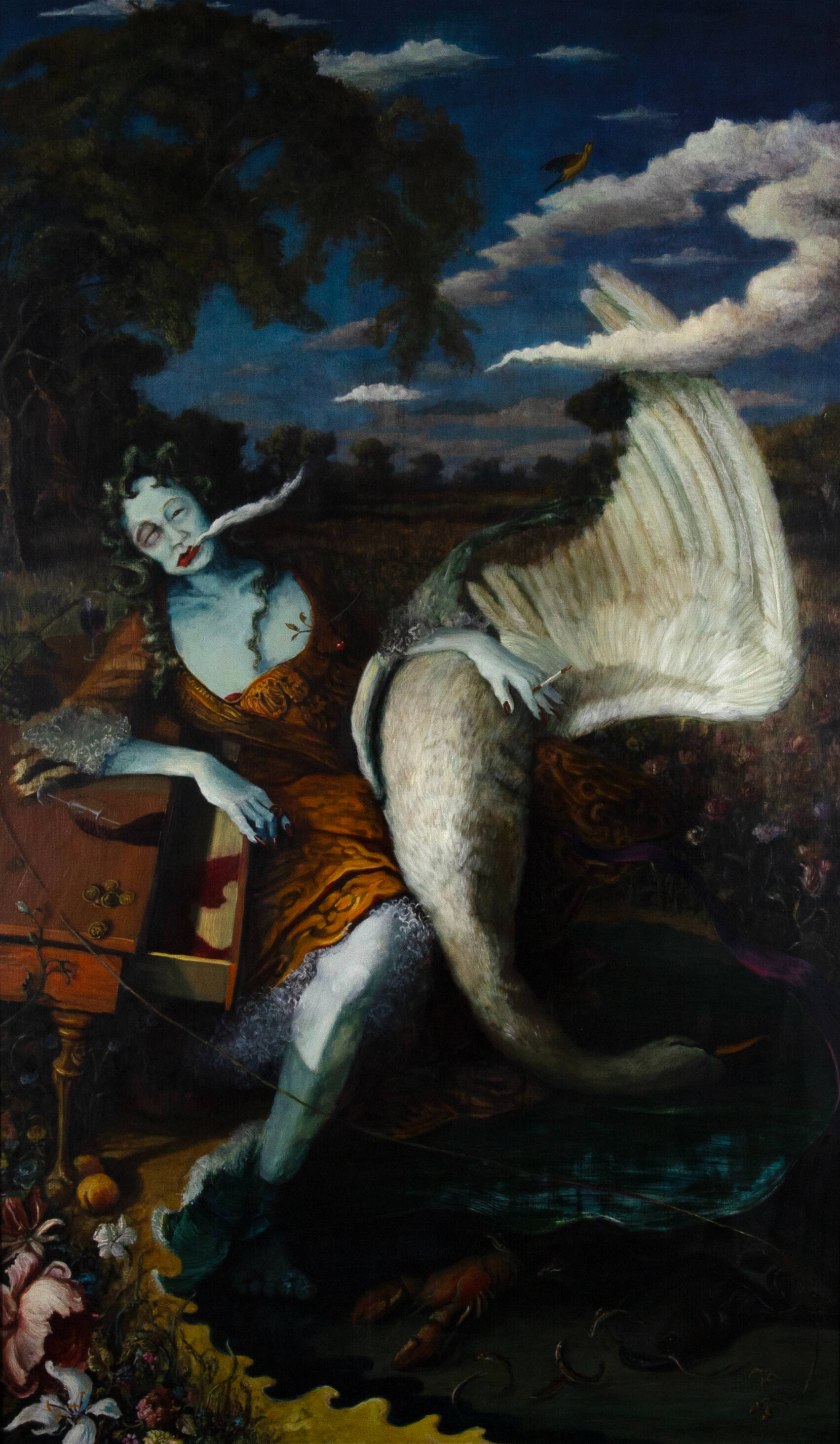
Tim Fisher, Leda, oil on wood, 1997, 1999.784.1.
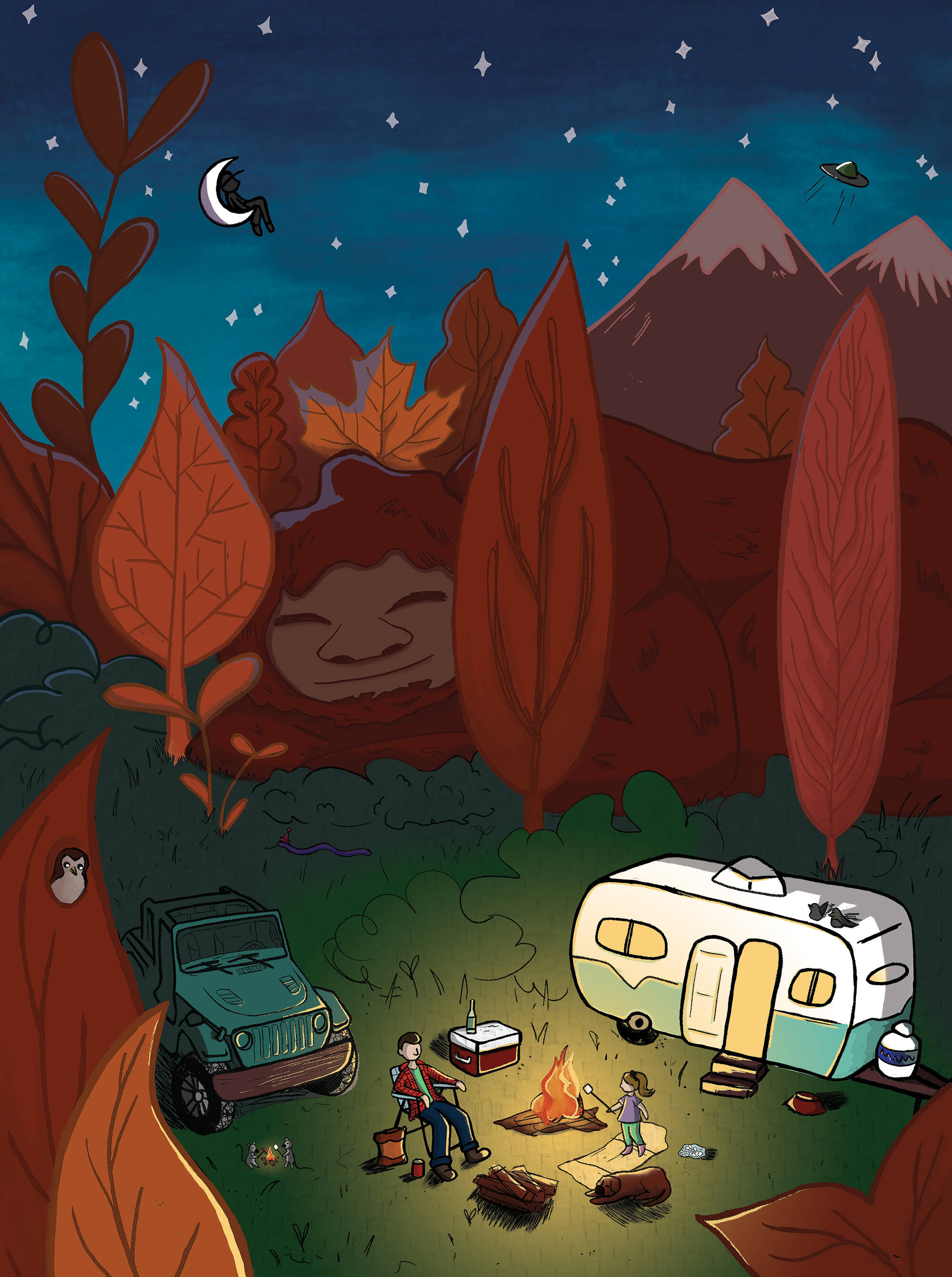
Jesselyn Kanniainen, Camping at Night, reproduction of original mixed media, watercolor, and digital print, 2020, 2021.59.1.
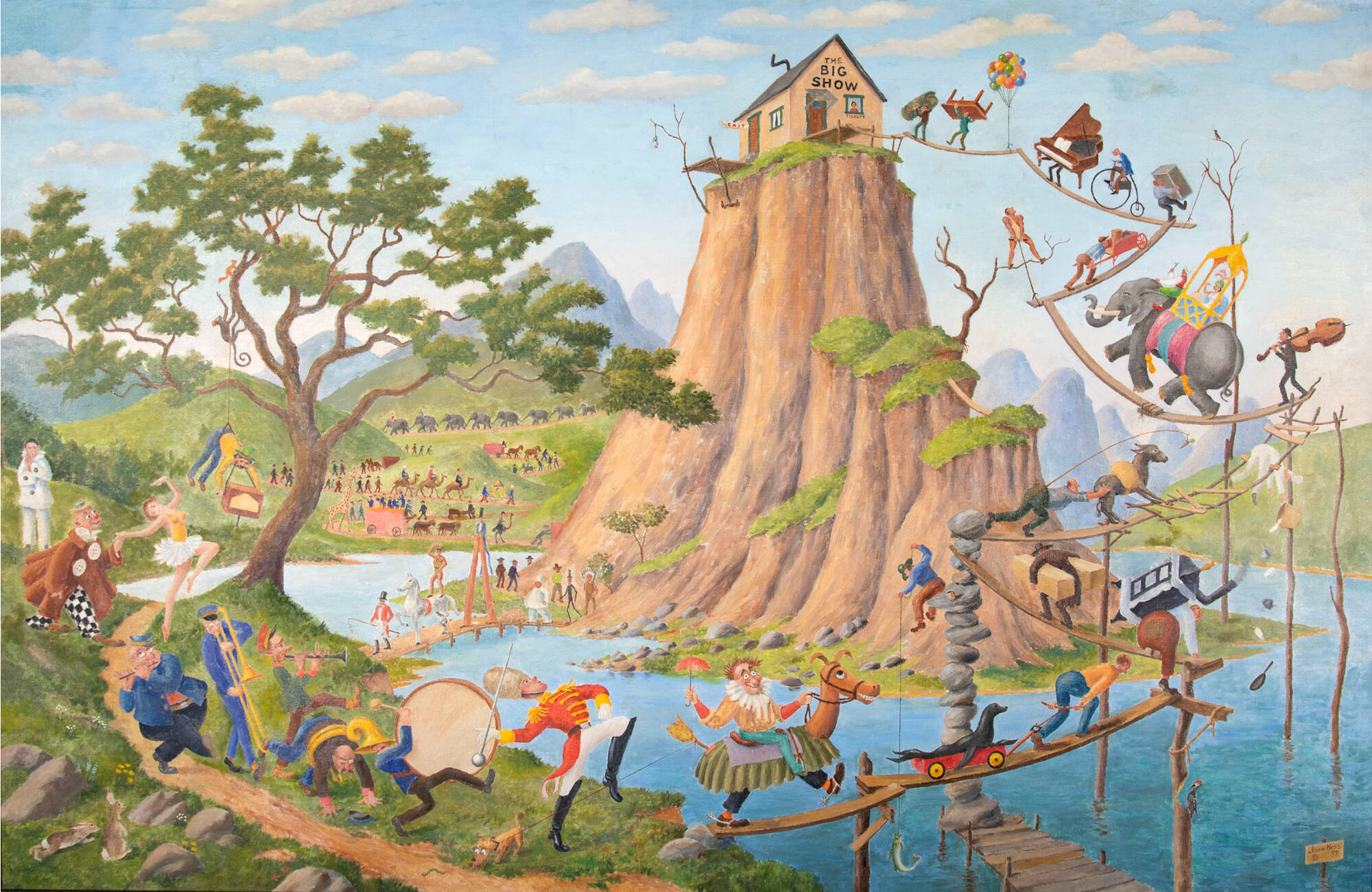
Jaro Hess, The Big Show, oil on canvas, 1969, 2022.30.5.
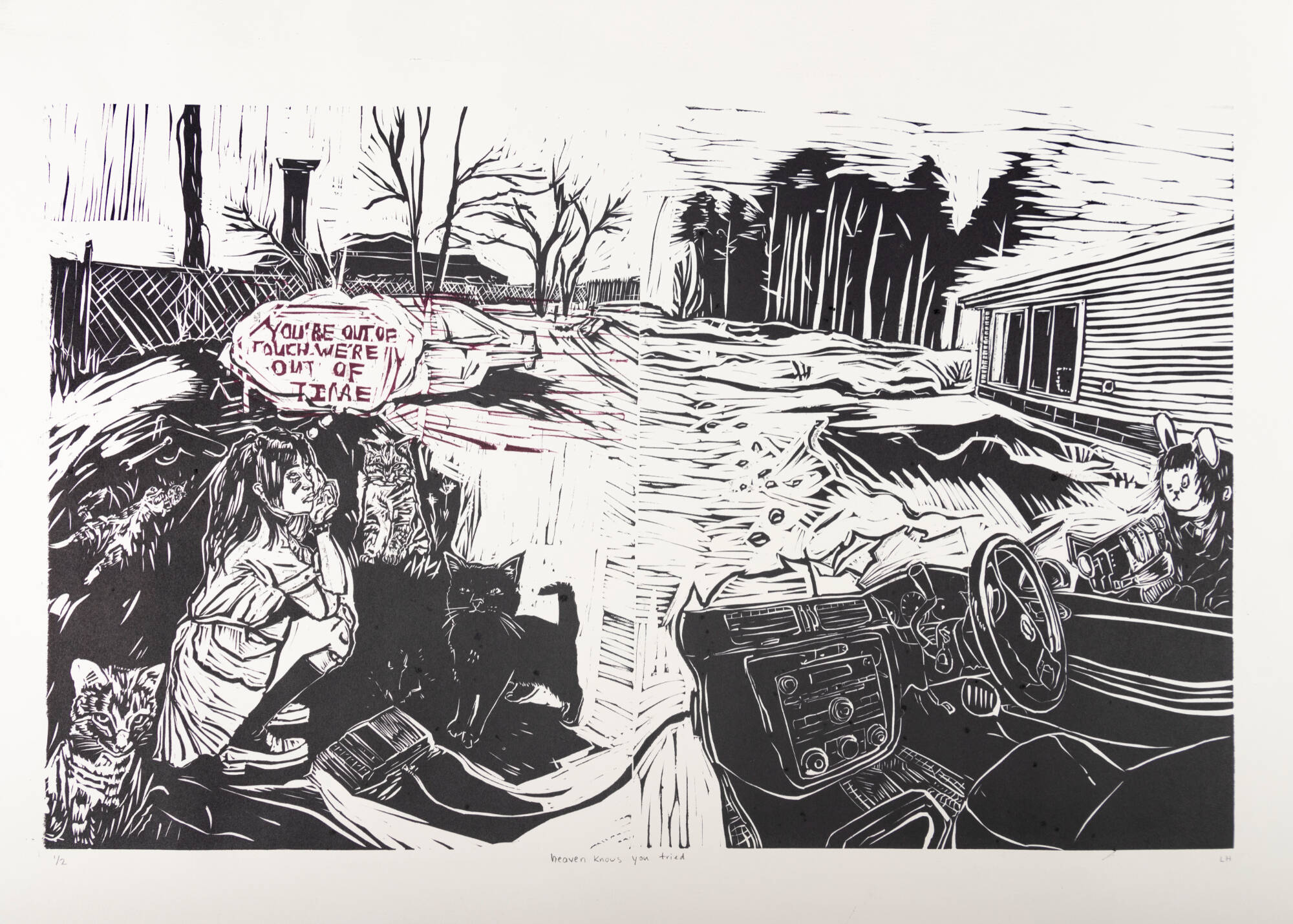
Lizzy Husted, Heaven Knows You Tried, linocut, 2022, 2022.15.1.
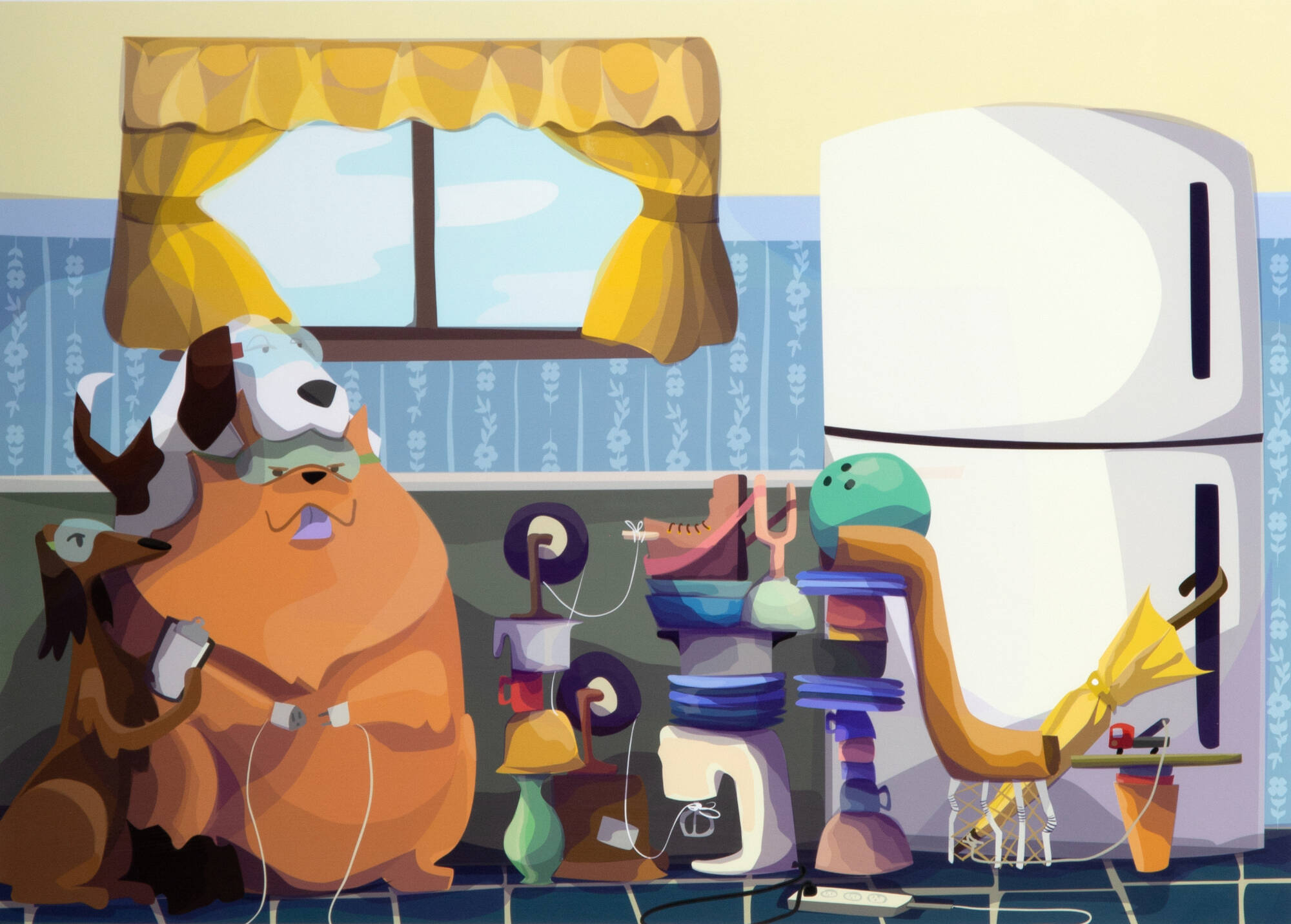
Grace Carpenter, Operation: Fridge, digital illustration, 2014, 2014.35.1.
The GVSU Art Museum can integrate artwork into your classroom discussions, assignments, projects, and more. Check out our calendar to see if one of our already planned events meets a goal for your students, or reach out to us directly to plan something tailored to your needs. We can bring artwork to your classroom; you can visit our art storage or office spaces, or book a tour of an exhibition or space on campus.
The GVSU Art Museum team can work with faculty one-on-one to create lesson plans or assignments. Whether you are looking for a behind-the-scenes experience, something hands-on, a creative usage of art in your classroom, or a more traditional assignment, we are here to assist you.
Use the artwork in this theme to explore stories from around the world. Challenge students to create a story behind an artwork – what happened to lead to this moment, and what will happen after it? Or use artwork to engage with empathy, explore other perspectives, and as research points on different media or myths. Use them as visual aids to supplement class readings, or as inspiration for students to create their own works of art.
To talk with us about creating a curriculum connection, please contact us at [email protected].
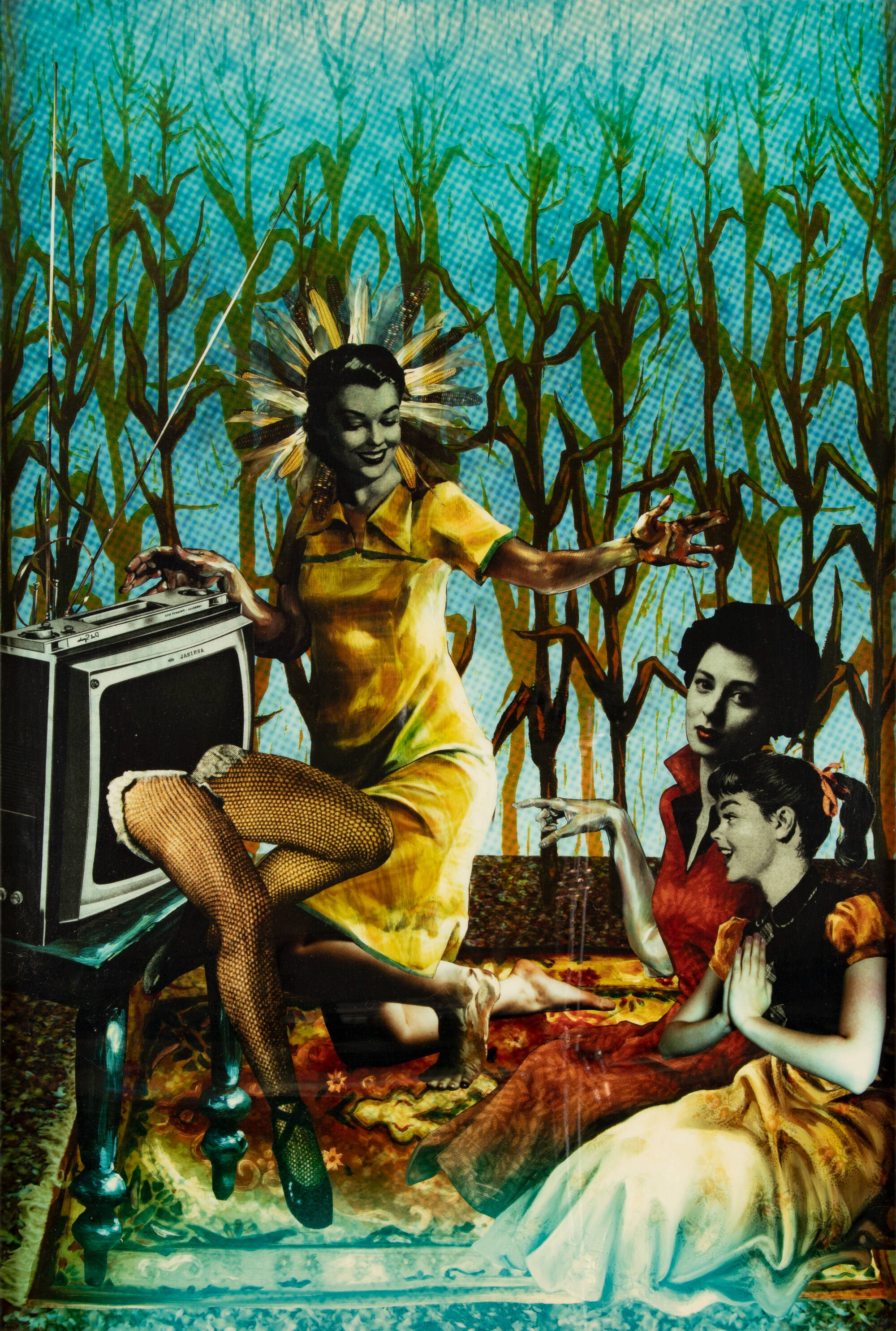
Allyson Haller, Virgin on the Rocks, digital collage with light box, 2004, 2004.460.1.
Animal Illustrations
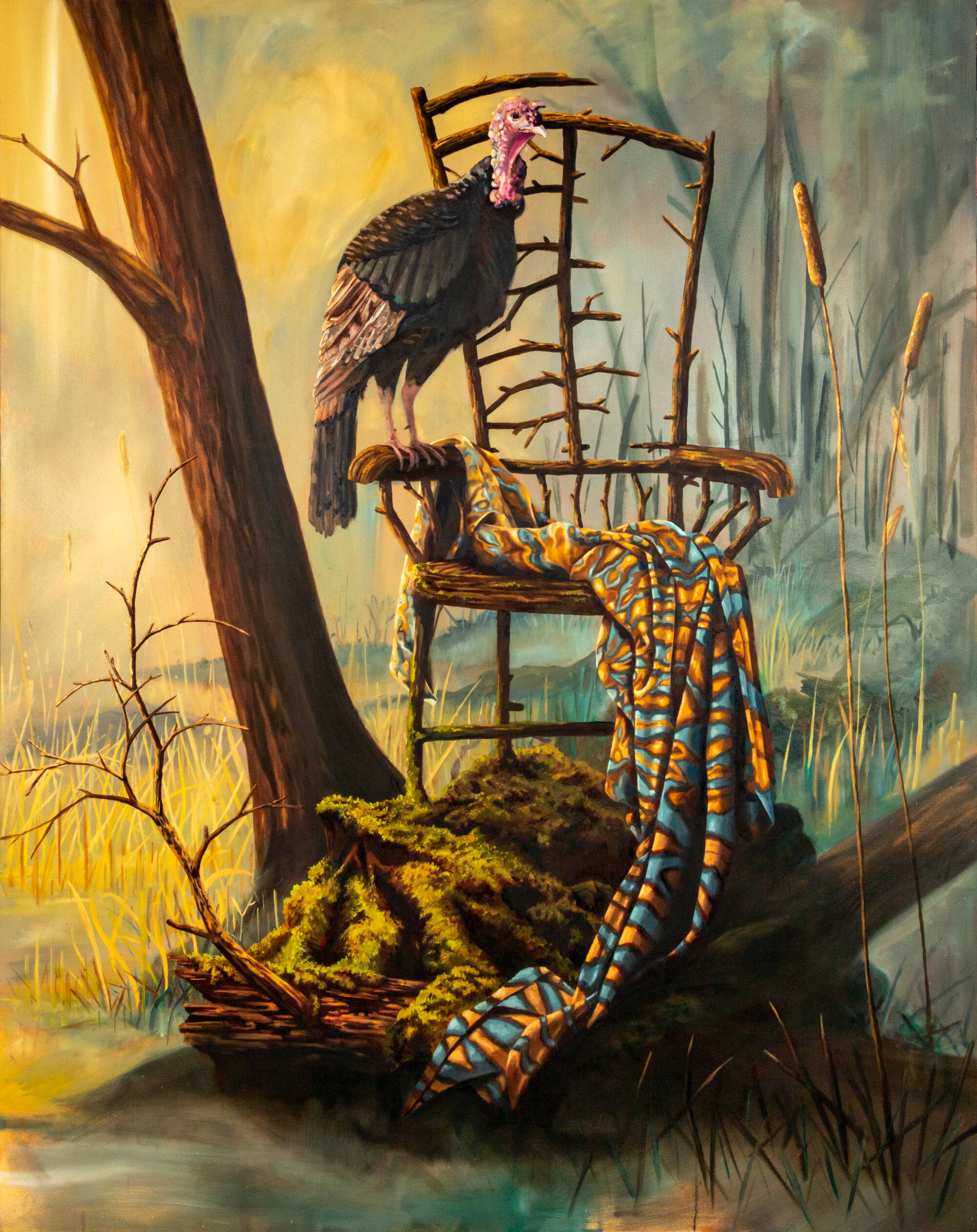
Book Illustrations
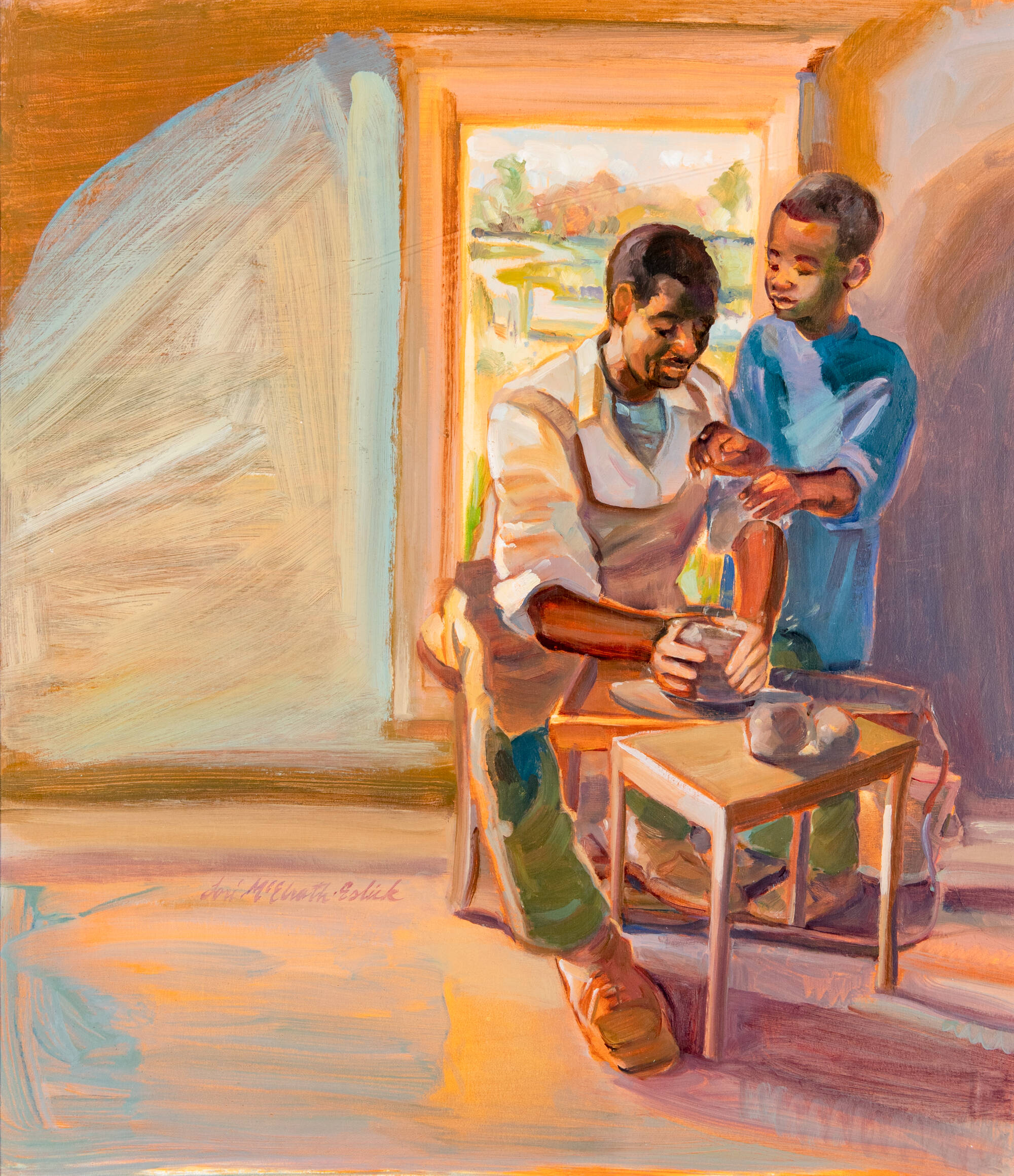
Character Design
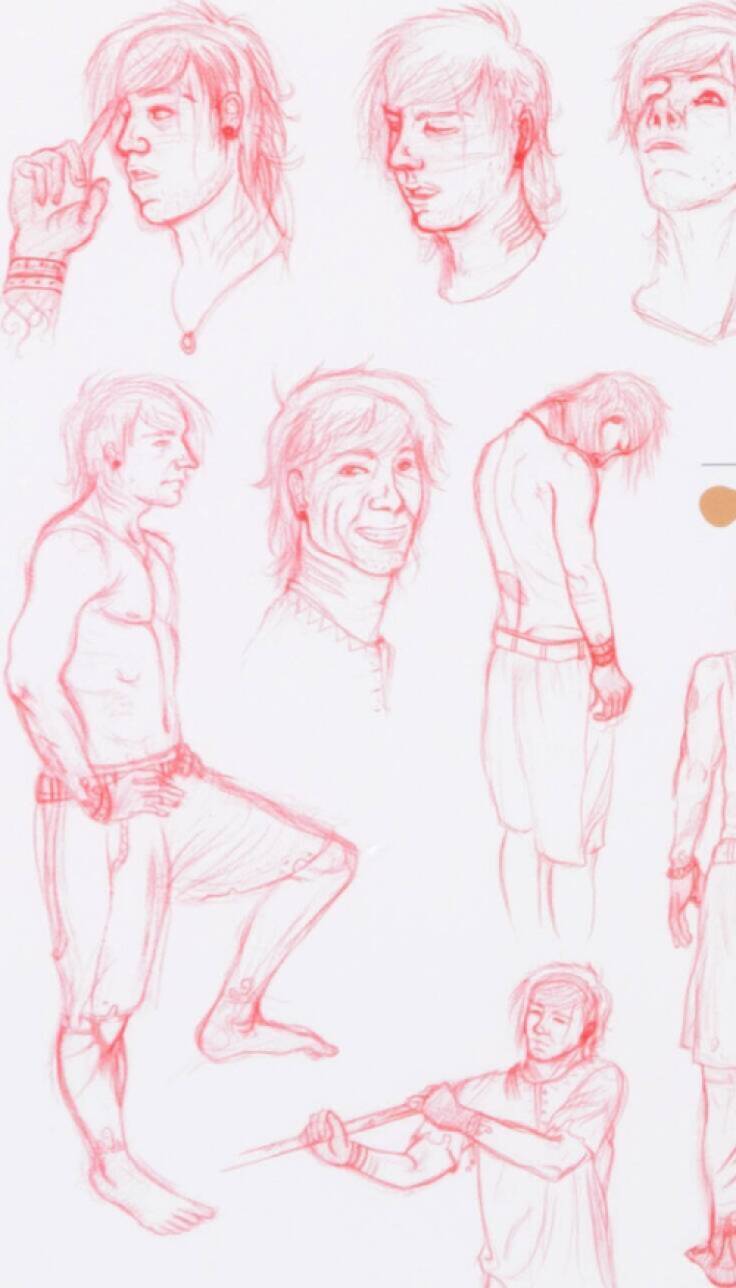
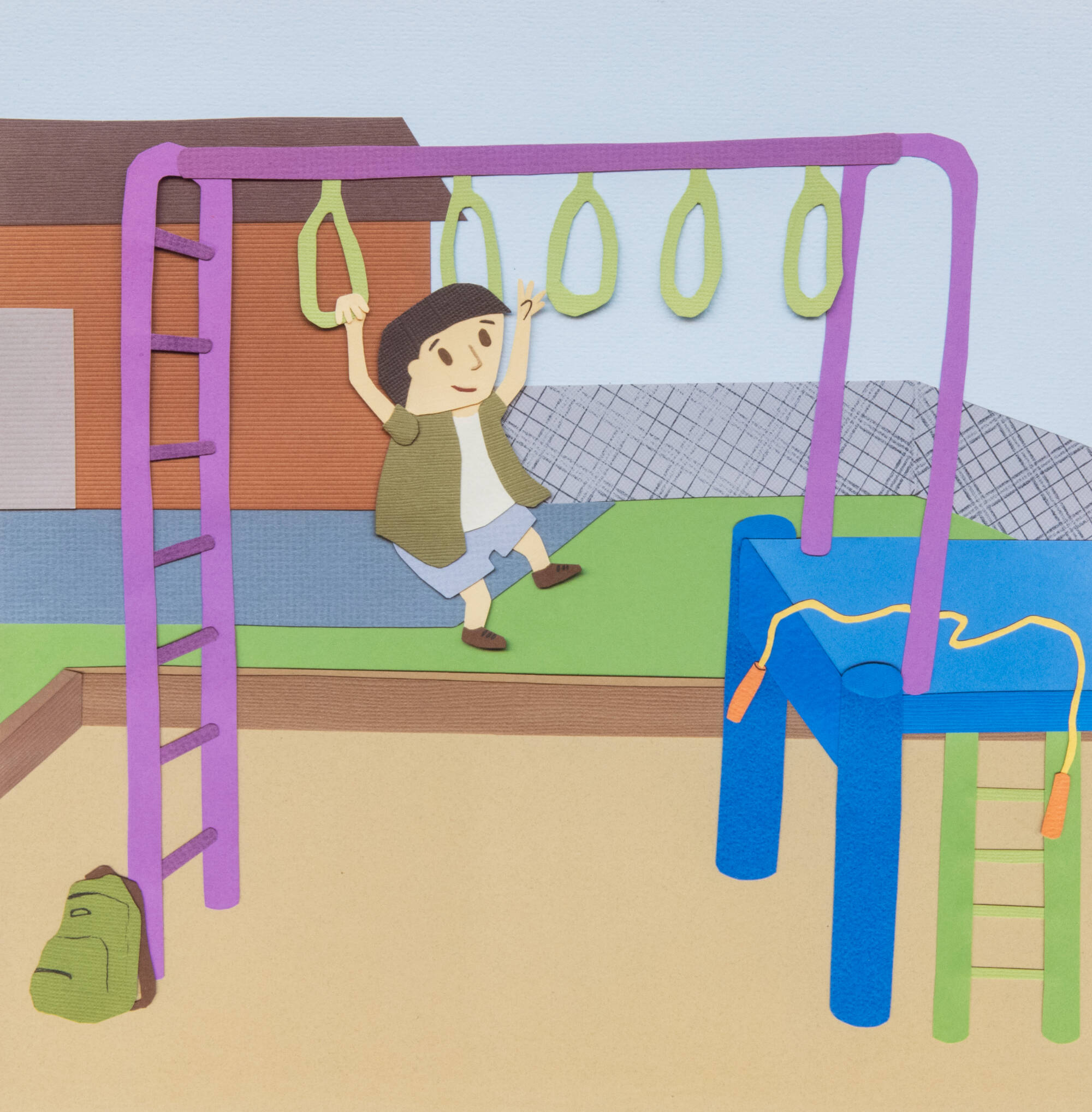
Children's Illustrations
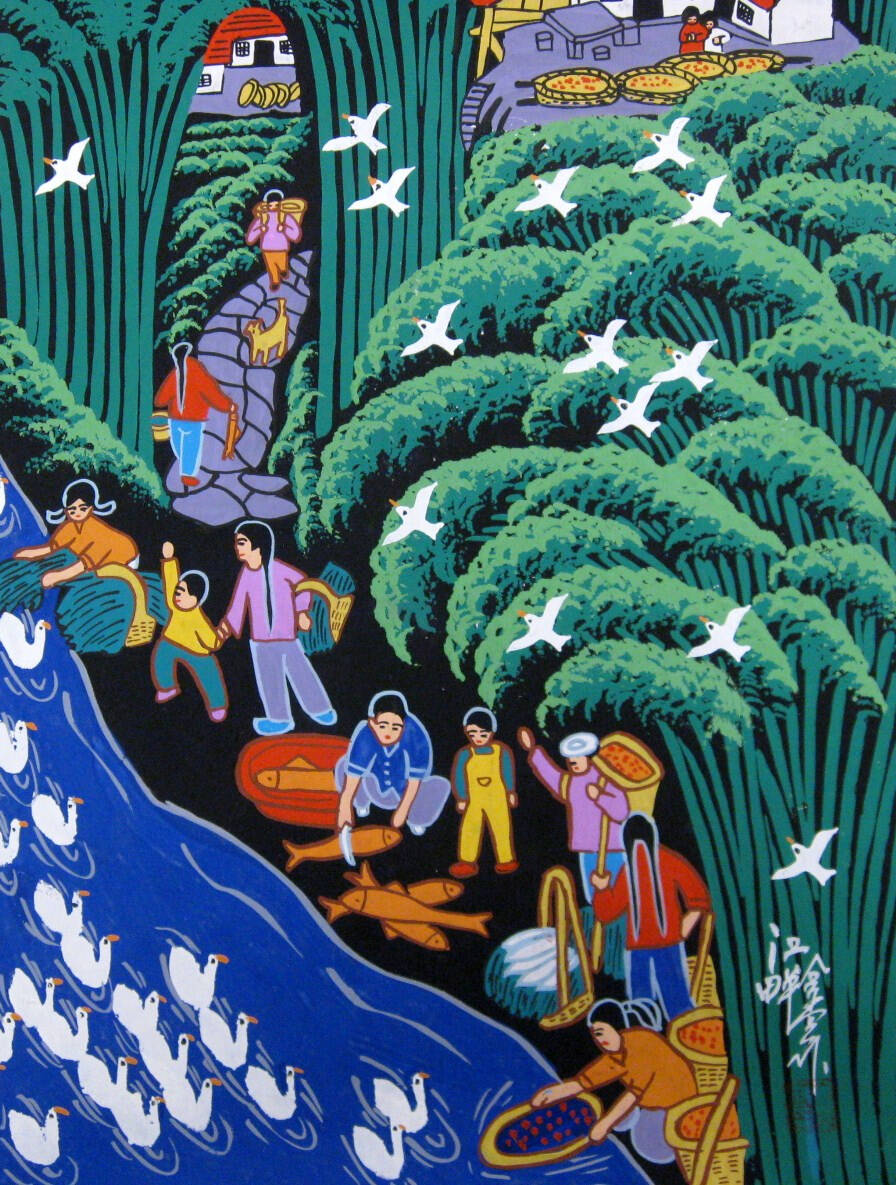
Cultural Storytelling
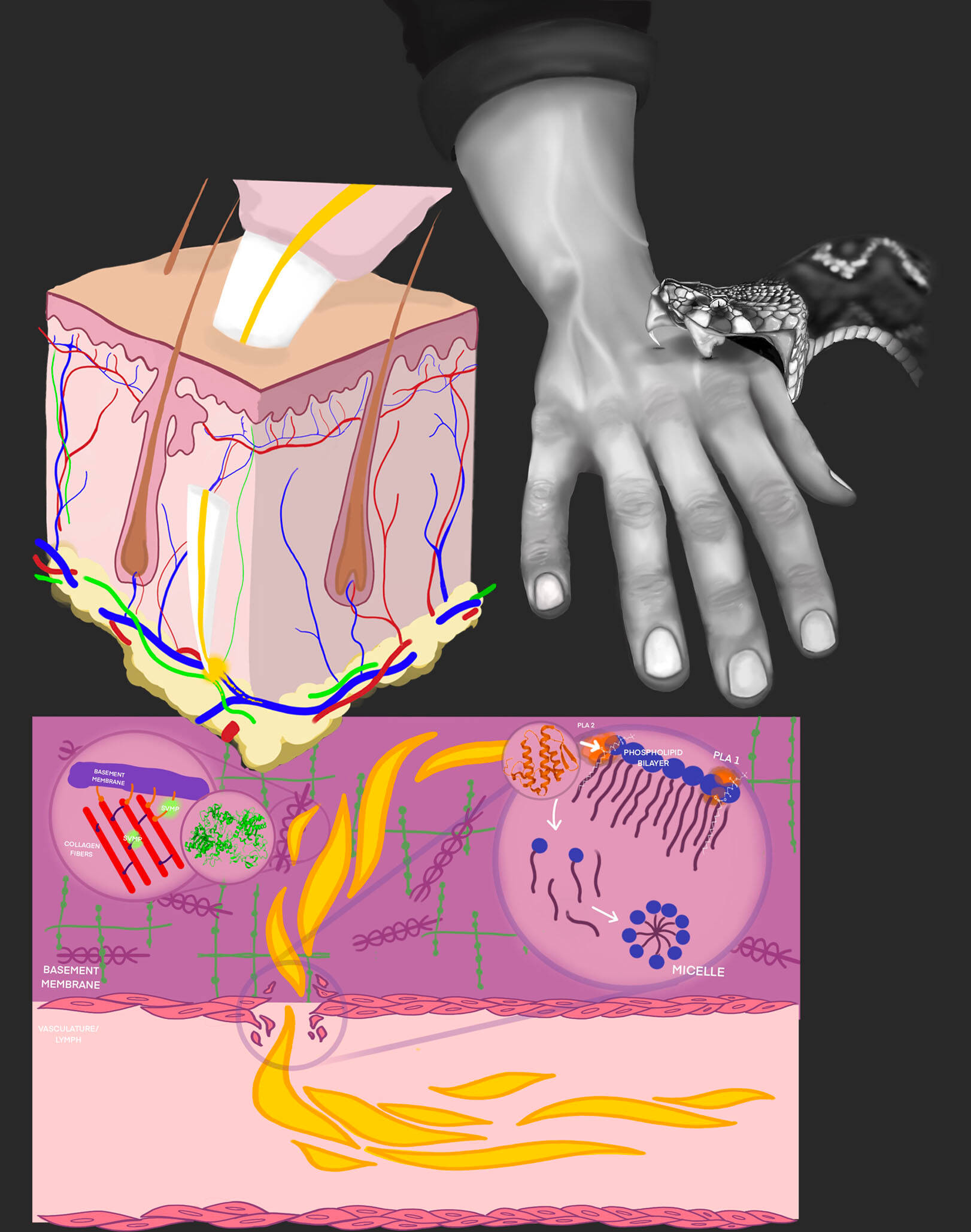
Scientific Illustrations
Animal Illustrations (Valley Campus)
Header Images:
Left
Ashley Harriger, Premonition, digital illustration, 2010, 2010.79.3.
Jordinn West, Never Say Die, digital illustration, 2017.36.6.
Toph, After the Rain, oil on canvas, 2002.417.1.
Center
Stewart Ashlee, Untitled (Dance Studio), oil on board, 2019.68.44.
Corey Miller, Passage, oil on masonite panel, 2009, 2009.84.5.
Andrew Qappik, Moment of Appearance, stencil on paper, 2004, 2008.258.1.
Right
Rachelle G. Wunderink, Anatomy: Spines, pen on paper, 2016, 2018.13.3.
Reynold Weidenaar, Portends: The Works of Man, oil on masonite, 1960, 1998.249.1.
Nancy L. Clouse, A Wonderful Vine, cut paper collage, 1993, 2015.75.4.