

Masks in Art: Identity or Disguise?
Published October 1, 2023 by Nicole Webb
A mask conceals something from view. It can cover part of someone's face or their entire identity. It can be used to disguise, hide, protect, or frighten. A mask can be something that is physically worn, or something we wear metaphorically to change how we present ourselves to the world.
Historically, native people from many cultures created and wore masks for ceremonies to connect and communicate with the spirit world. Diverse cultures created different styles of masks based on materials available or specific beliefs. In some cultures, masks are thought to possess the power of healing. In others, masks are used in rites of passage rituals or used to stimulate fertility, prosperity, or ensure a successful harvest.
Masks, both physically and metaphorically, have also been portrayed in and been inspiration for artwork for centuries. Wooden masks he viewed in a museum had a profound impact on the way Pablo Picasso painted faces. The raw, flat planes of the wood were one of the main inspirations for Cubism, an early 20th-century art movement, pioneered by Picasso and George Braque.
While masks are a way to disguise who we are, artists can also use them to make the viewer think about the identity of someone in a work of art. A covered face makes a person in an image more generic, leaving the viewer to question if the artwork is about a particular person or perhaps represents a larger group. Masks allow the wearer to become someone else- whether they are trying to hide something or change the face someone is presenting to the world. Masks can be found in several artworks in the GVSU collection. Which ones do you think tell the story of someone hiding behind the mask? Which ones explore different ways in which we present ourselves?
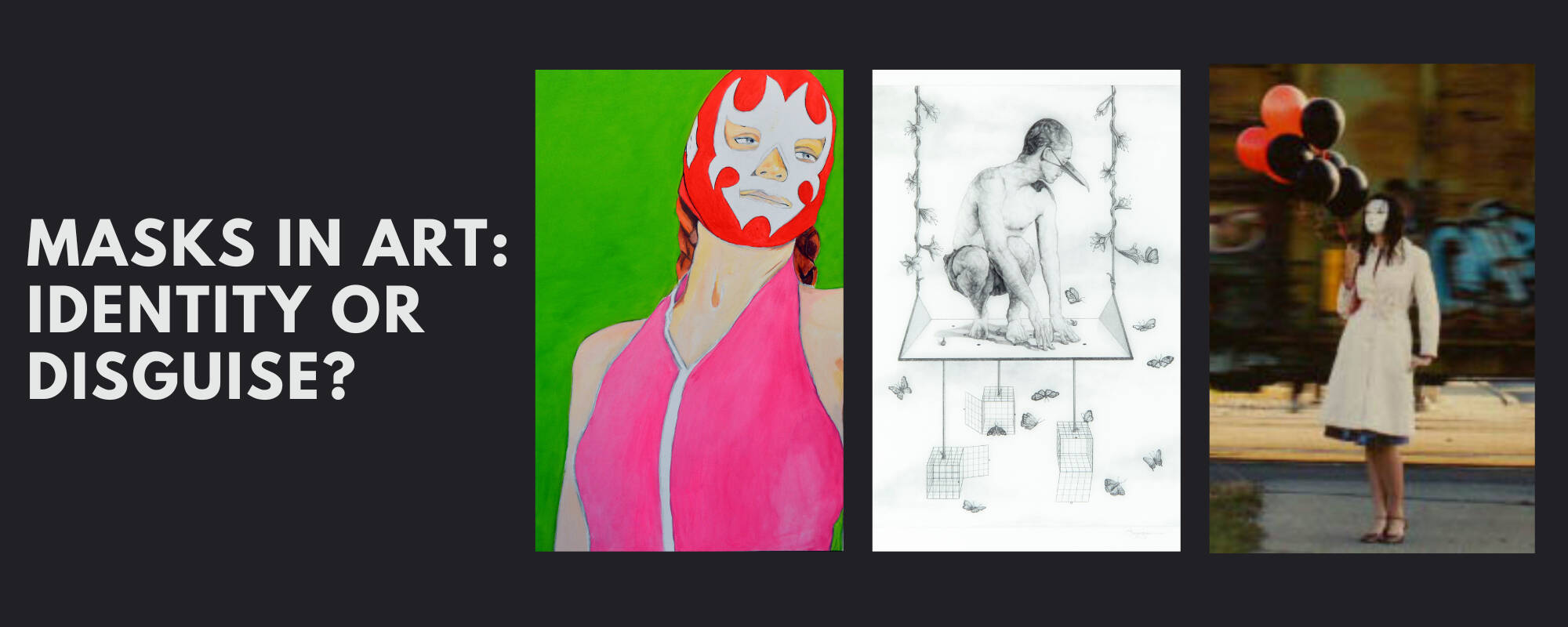
Hugo Claudín
Hugo Claudín is a Mexican painter who migrated to the United States as a teenager to continue studying art. This painting from his series, "Mexicains Sans Frontieres," reflects his binational status and the secret lives of undocumented immigrants from Mexico. He uses the Mexican wrestler mask as a metaphor for the unseen communities of undocumented people living in the United States and for the misrepresentation in the media, giving them a dignity and cultural richness that is often overlooked.
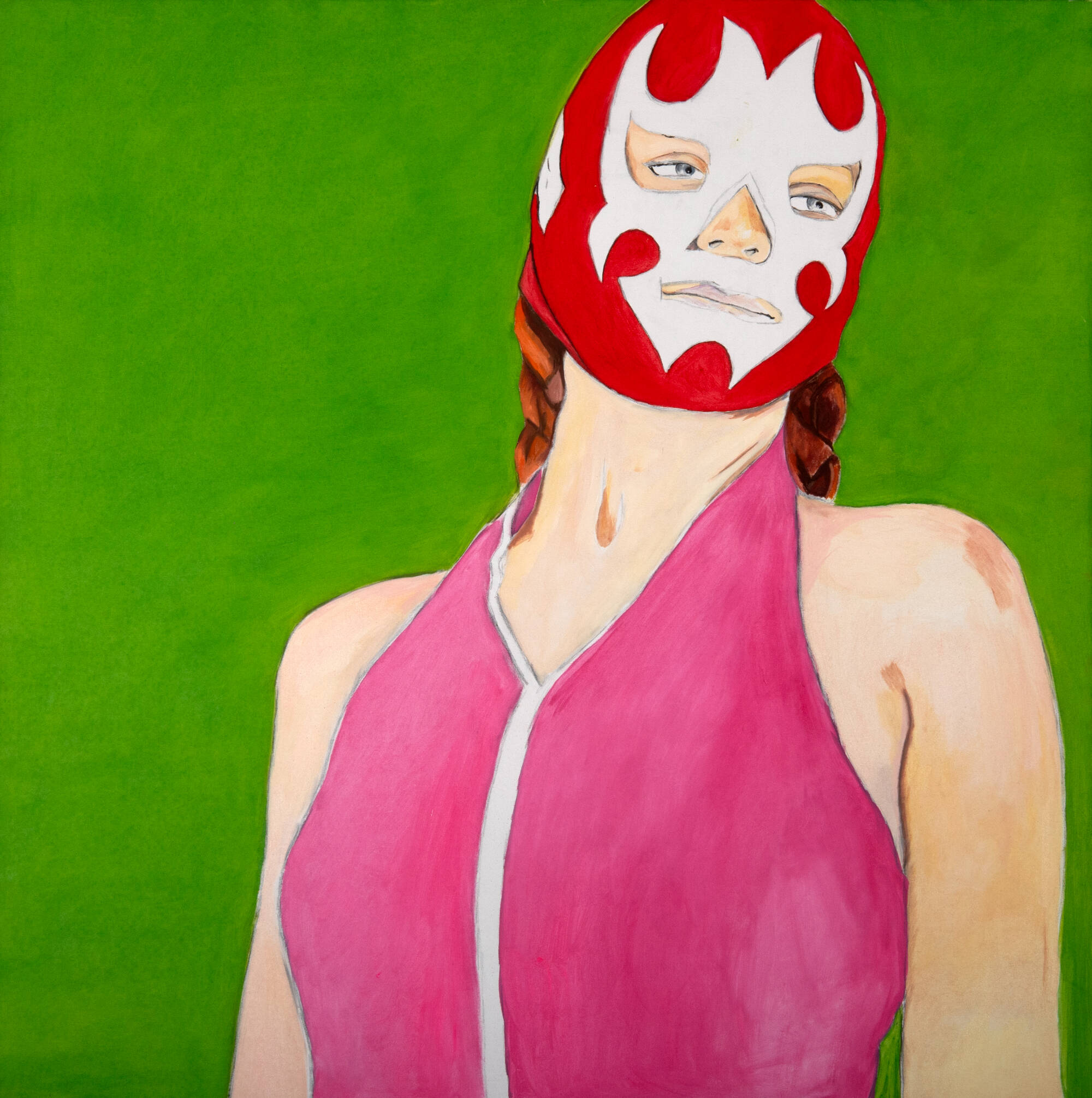
Tony Fitzpatrick
Tony Fitzpatrick was a Chicago- based artist known for his work inspired by Chicago street culture, tattoo designs, and folk art. In this etching, Fitzpatrick has created a mask that is disconnected from a body, though we can still see a face in the creases of the fabric. Is this a masked person- or a mask that looks like a person?
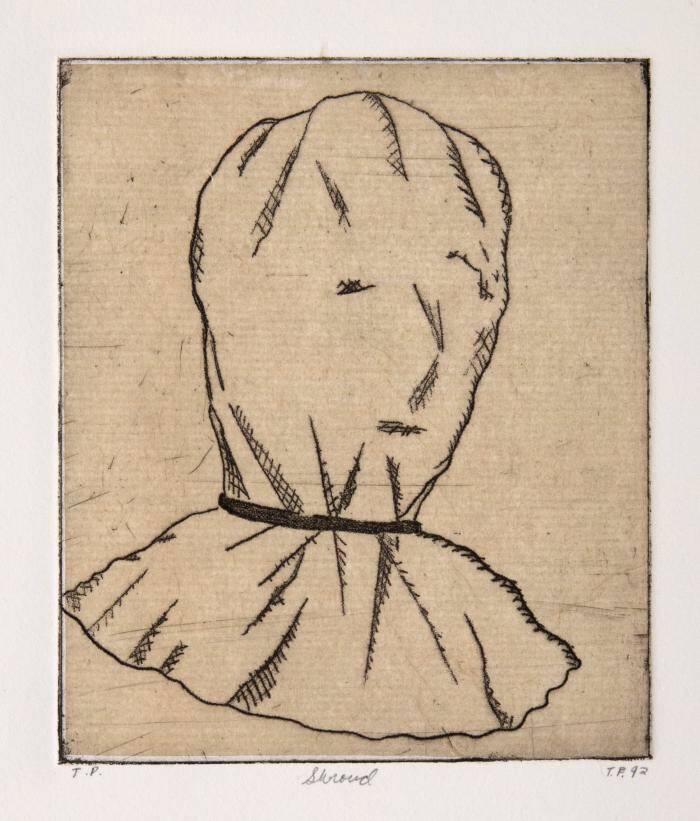
Leah Renee Gregoire
Local Michigan artist Leah Renee Gregoire’s artwork highlights the human form through a lens of exploring the Christian relationship with our modern world. A simple beak mask strengthens the relationship the anonymous man in her drawing has with nature or the garden we can assume is around him, and these uncaged butterflies, a setting, as Gregoire states, is "very pivotal for events in Christian history."
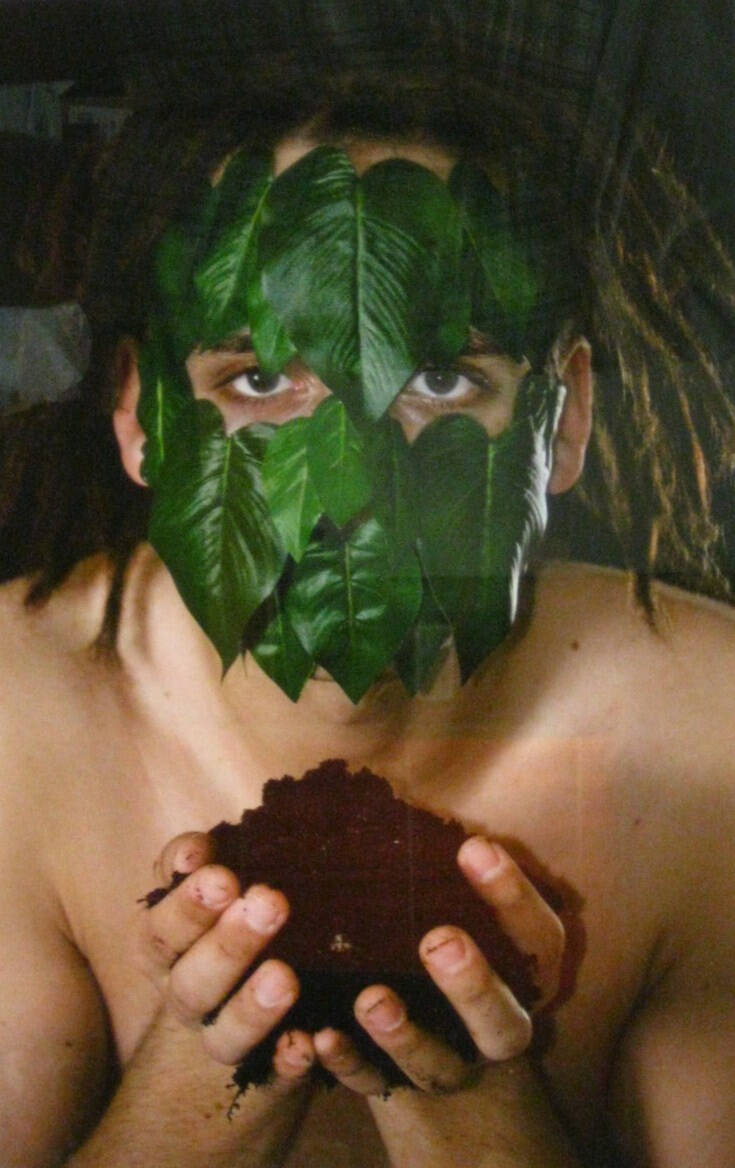
Bethany Nolin
While the face may be the most recognizable feature on one’s body, what Bethany Nolin believes makes up the "soul" of an individual is a person’s interests, hobbies, and personality. In this series of photographs, Nolin physically covers the face with objects that reflect the person's interests, creating a duality that conceals their identity, but reflects their inner soul.
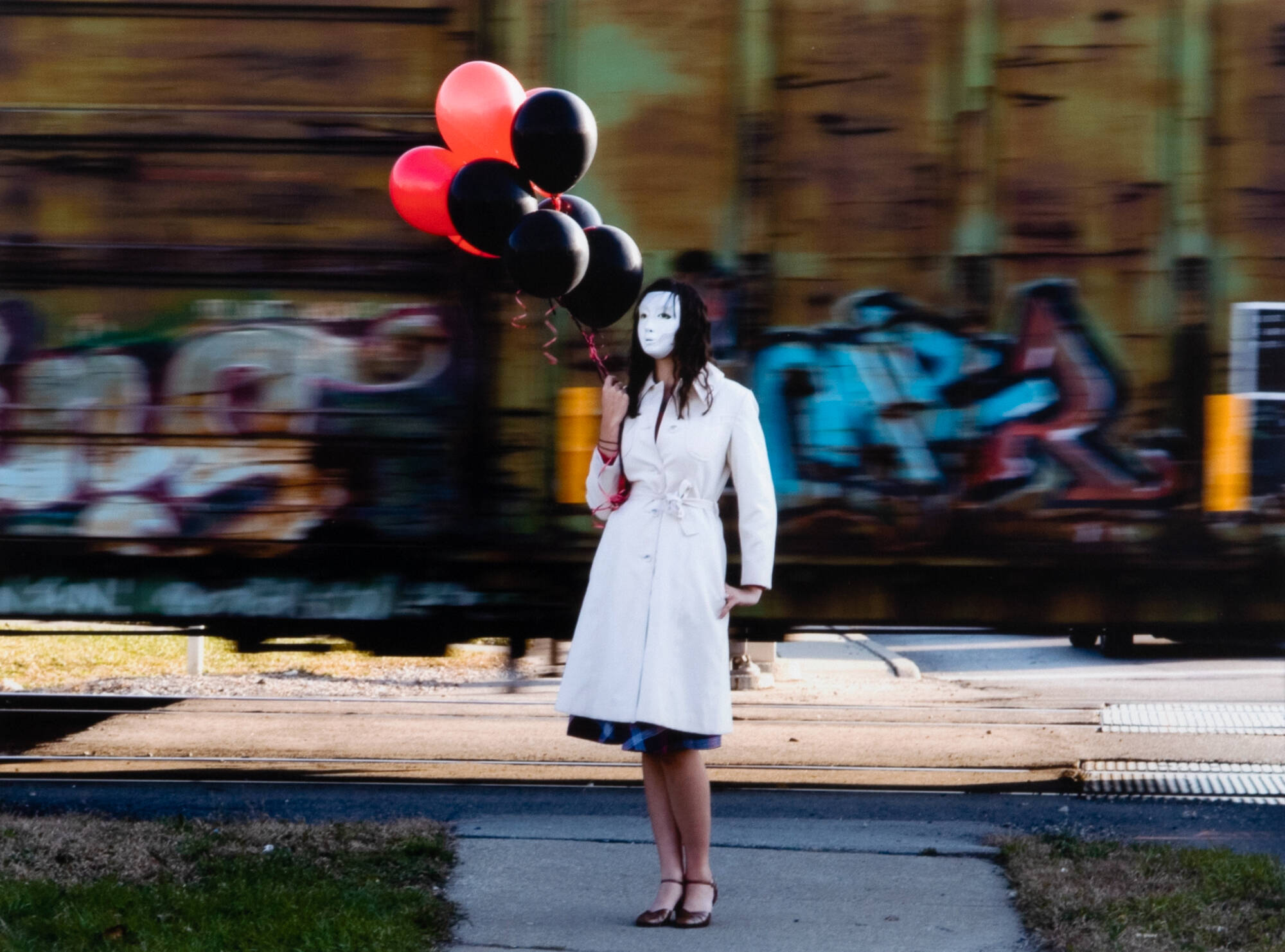
Douglas Titus
Douglas Titus’ photographs investigate the relationship between the subject, the photographer, and the viewer. The subjects in his photographs are his friends and family, but he uses masks to erase their identities so that they become a more universal or archetypal family.
Hugo Claudín, Untitled, acrylic on canvas, 2007, 2015.67.1.
Tony Fitzpatrick, Shroud, etching on paper, 1992, 2017.12.96.
Leah Renee Gregoire, Garden Series: Awaiting Flight, pencil on glass, 2018.62.13.
Bethany Nolin, Tree Hugger, digital print, 2010, 2010.33.2.
Douglas M. Titus, Megan with Train, color inkjet print, 2006, 2007.019.1.