

The Gap Between Art and Science: Botanical Illustrations
Published September 1, 2023 by Nicole Webb
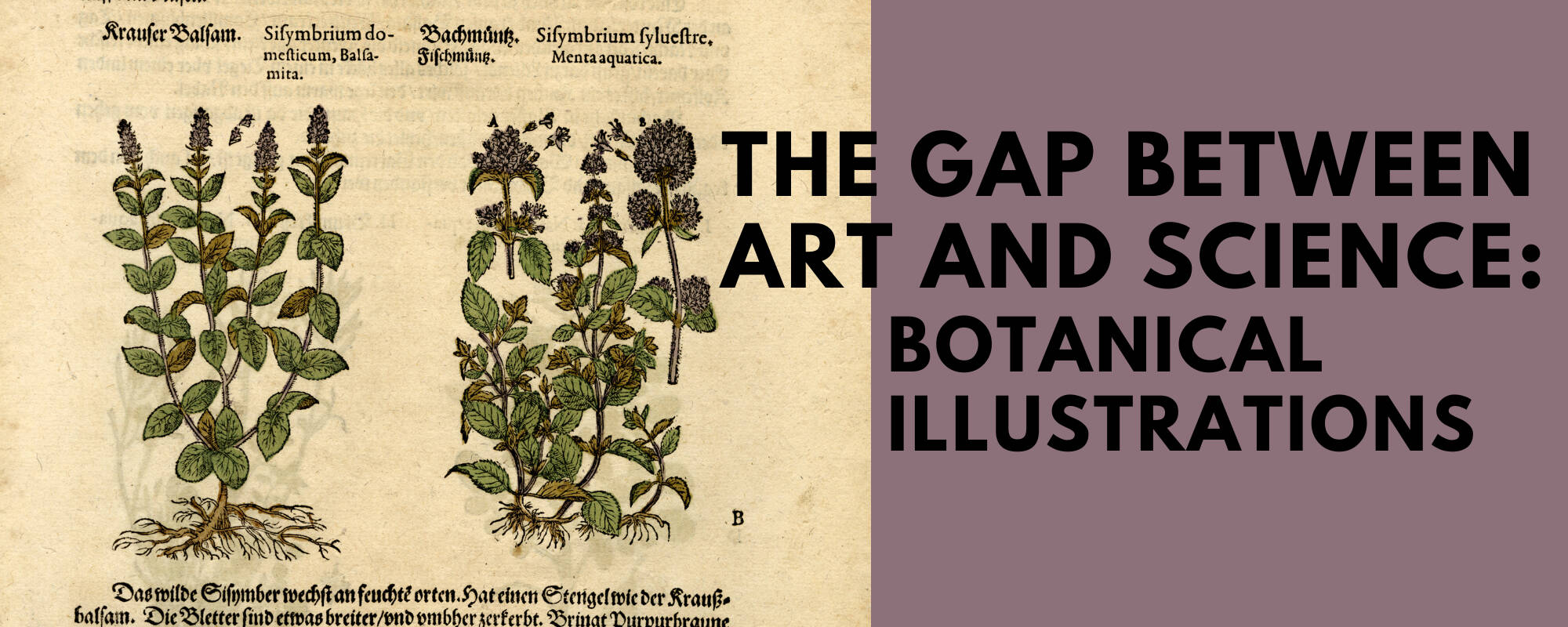
"The aim of botanical illustration is to produce not only a picture that is pleasing to the eye but one which is botanically accurate, comprehensive and recognizable to species level. Such works broach the gap between art and science."
- Rosemary Wise, Botanical Illustrator, Oxford Botanical Garden
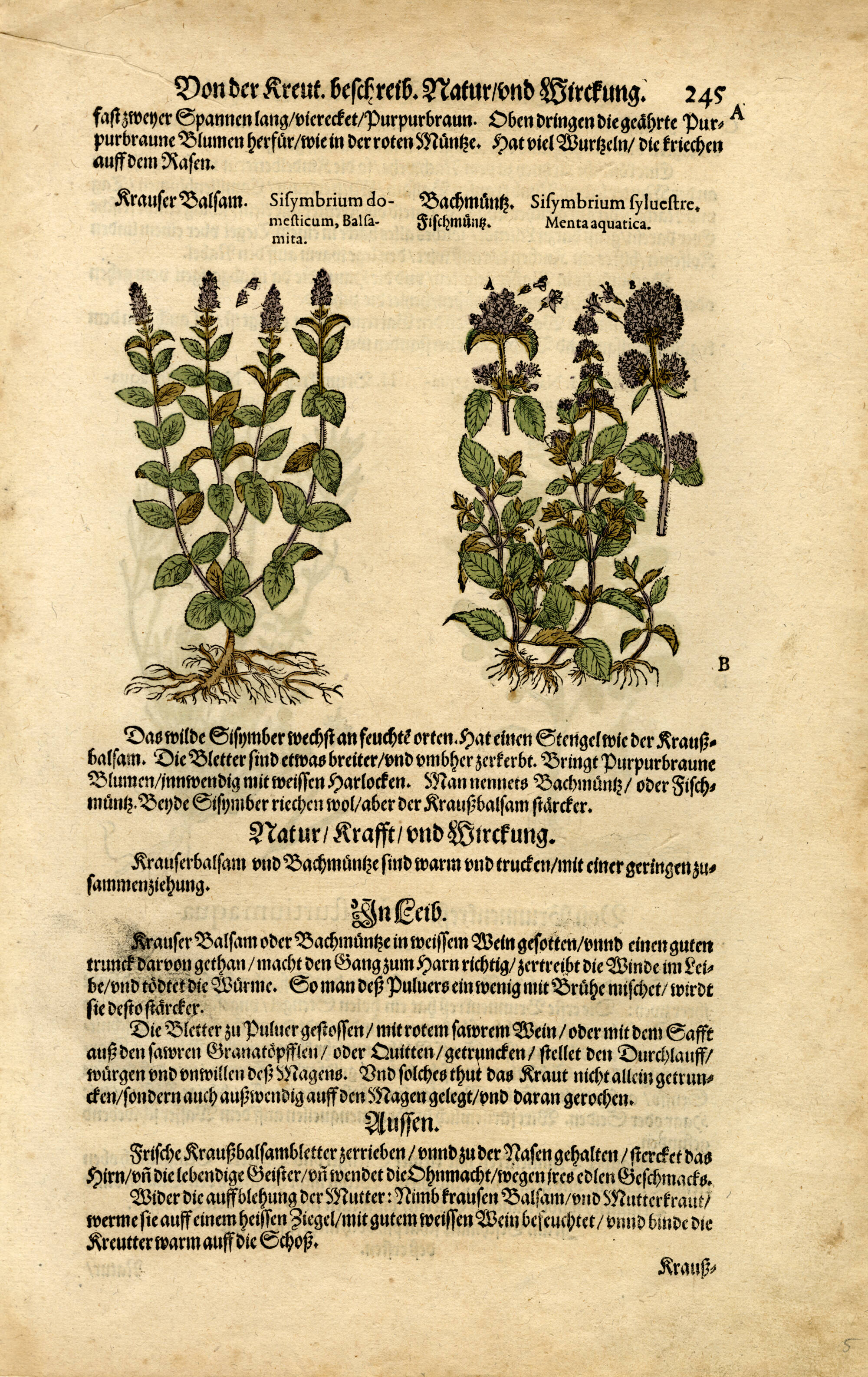
A botanical illustration is an accurate pictorial depiction of plants and plant traits for scientific purposes, showing a plant’s form, color, and details. Before the invention of photography, a botanical illustration was the only way of visually recording the world’s many species of plant life. While today’s science books are full of highly detailed photographs, artists and illustrators were once relied upon to share the beauty of botany from around the world. These artists and illustrators were required to not only possess great artistic skills and an eye for detail but also have technical horticultural knowledge.
The practice of creating these images can be traced back to between 50 and 70 BCE when an illustrated book, "De Materia Medica," was created by Greek botanist Pedanius Dioscorides to create a guide identifying plant species for medicinal purposes. Later in the 18th century, many advances in the printing process allowed for more colorful and detailed drawings. Botanical artists of the time were often employed by large gardens, such as the Royal Botanic Gardens of the United Kingdom, to record their botanical collections or traveled with explorers to map and record the natural flora in different countries.
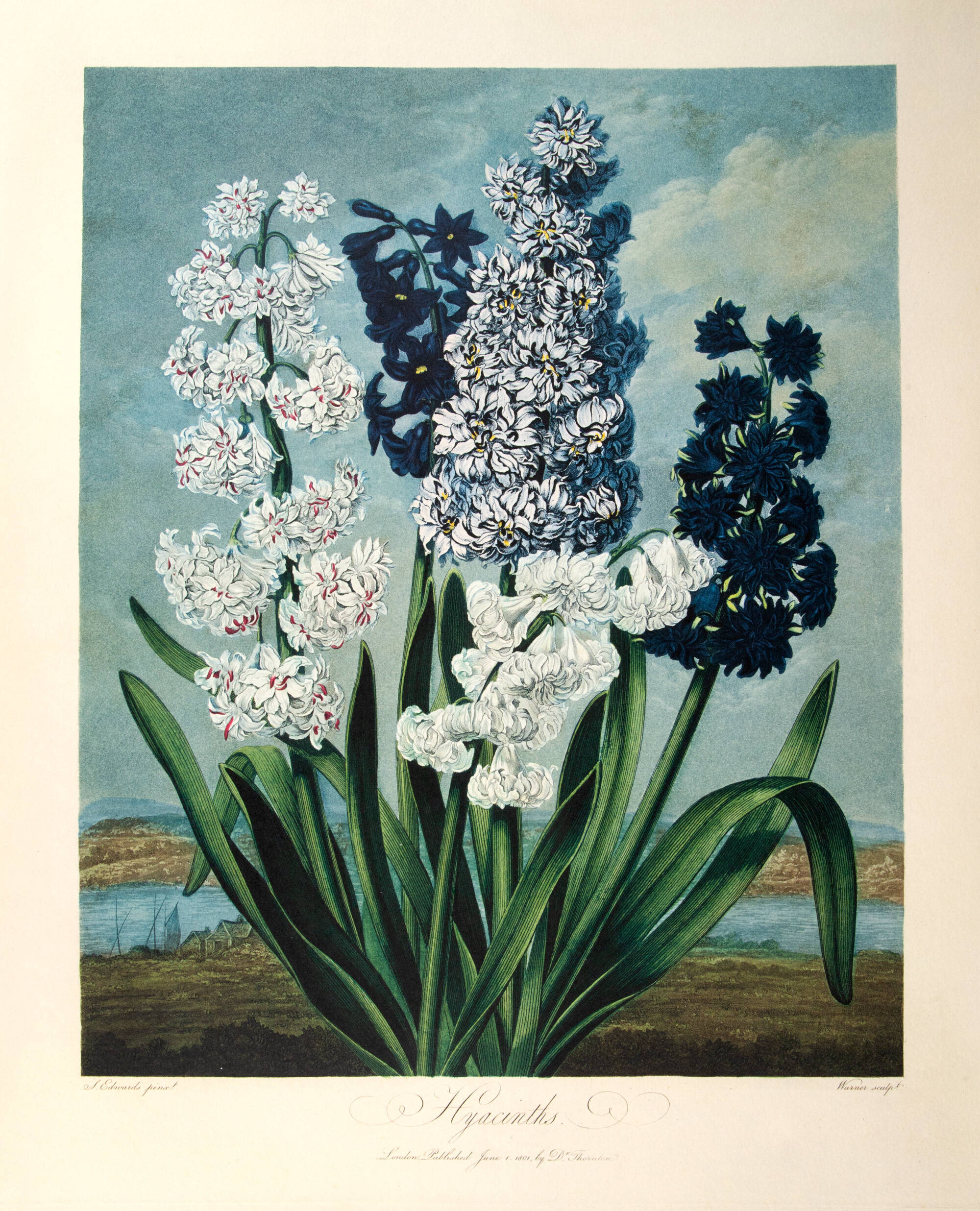
The original "Temple of Flora," the third installment in the larger series of "New Illustration of the Sexual System of Carolus von Linnaeus,” was published in 1799-1807. Dr. John Thornton personally funded and published the project in response to recent discoveries about floral reproduction by naturalist Carl Linnaeus. The series represents flowers from around the globe in their native habitats. Thirteen engravers reproduced paintings and drawings by botanical artists. The GVSU Art collection has a modern reproduction of this series of images, many of which are on display in the P. Douglas Kindschi Hall of Science.
Learning Resources
Illustrations
Artist Unknown, Sifymbrium domefticum, Balfamita, lithograph, ca 1700, L11.2022.467.
Thomas Warner and Sydenham Teak Edwards, Temple of Flora: Hyacinths, lithograph, 2010.87.08.
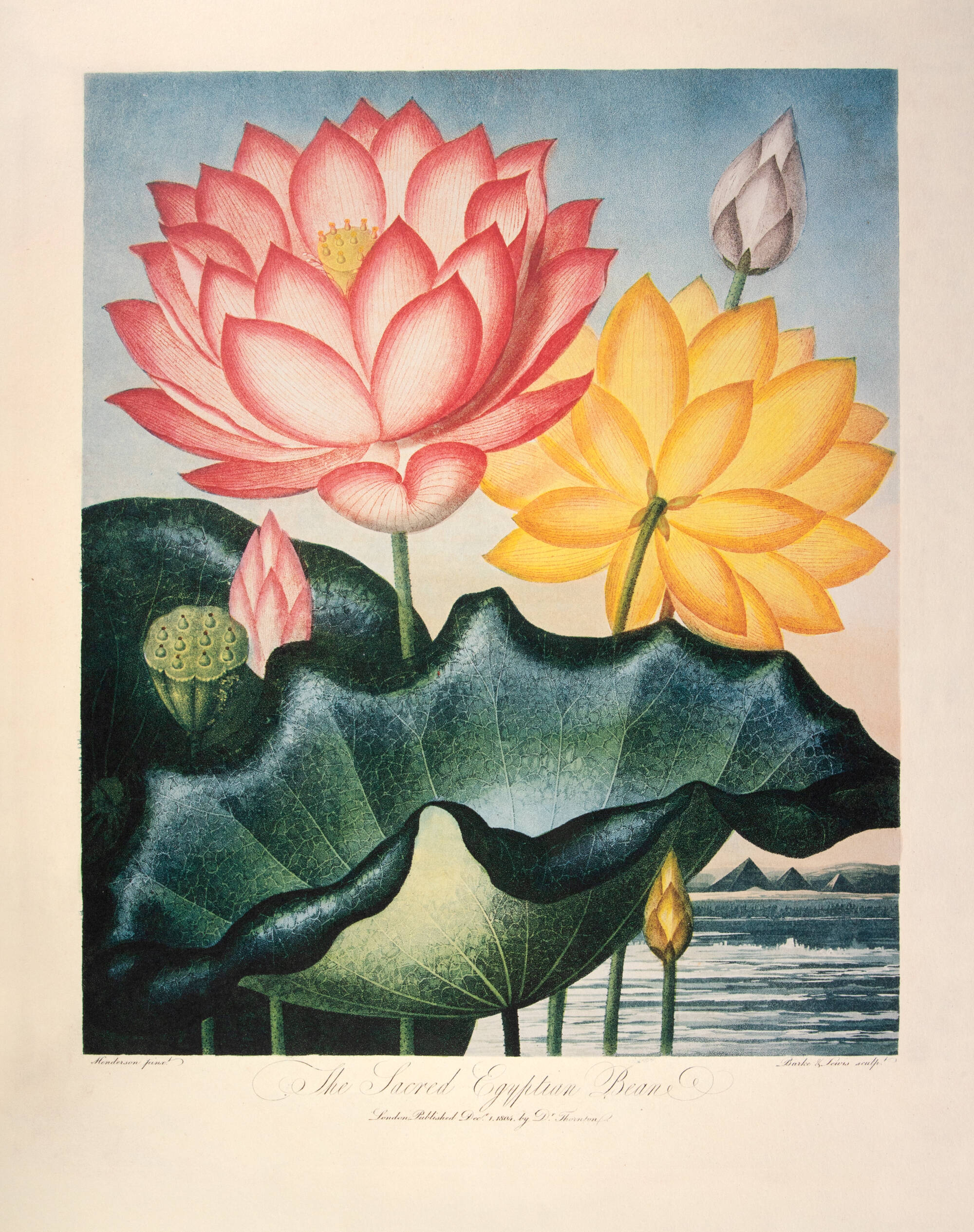
Artist Unknown, Temple of Flora: The Sacred Egyptian Bean, lithograph, 2010.87.34.
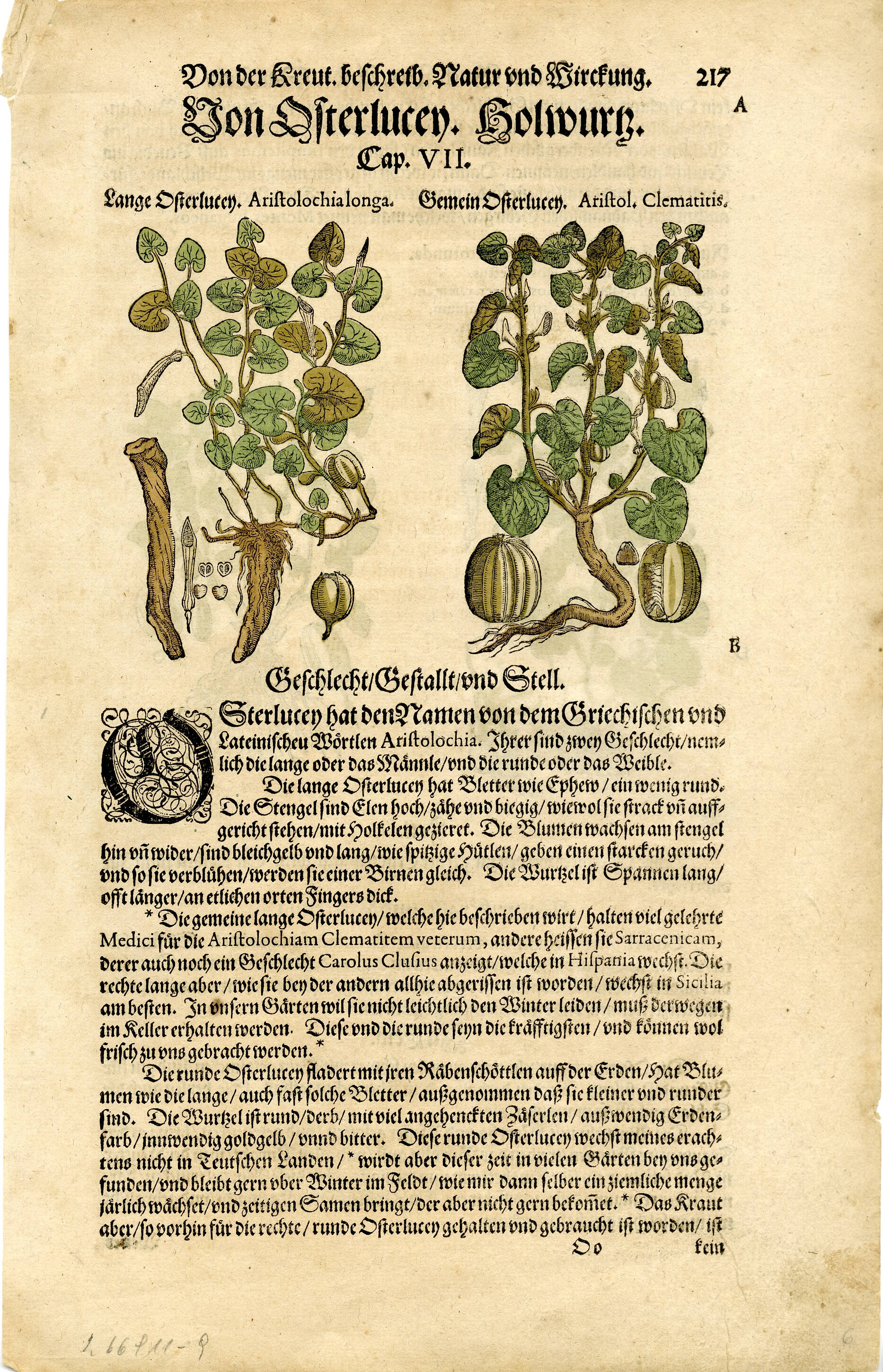
Artist Unknown, Ariftolochialonga, lithograph, circa 1700, 2020.1.487b.
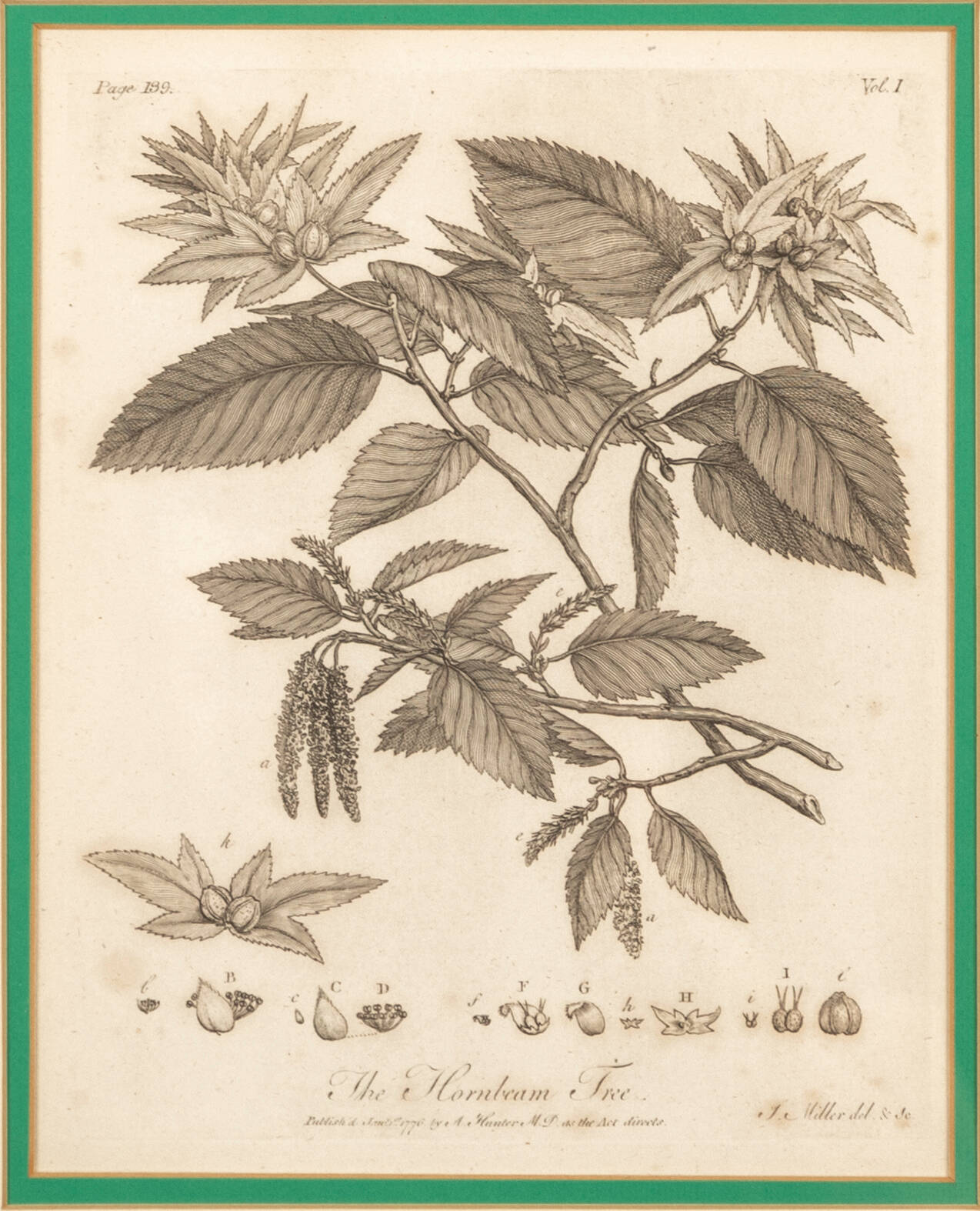
John Miller, The Hornbeam Tree, lithograph, 1776, 2000.389.1b.