

Medium: Lithographs
Lithography is a printmaking technique invented in 1798 by Alois Senefelder based on the chemical repulsion of grease and water. A lithograph is created by drawing an image directly onto a flat stone, usually limestone, using a litho crayon or specialized greasy pencil. When the drawing is complete, the surface of the stone is treated with a chemical etch that bonds the greasy drawing materials to the surface. After this process, water is applied to the stone so the blank areas attract moisture to the plate and repel the lithographic ink, while the drawn-on areas will hold the ink. Paper is placed on top of the image before it is sent through a litho press. Chromolithography follows a similar process but allows for multi-color prints.
Explore Lithographs in the collection
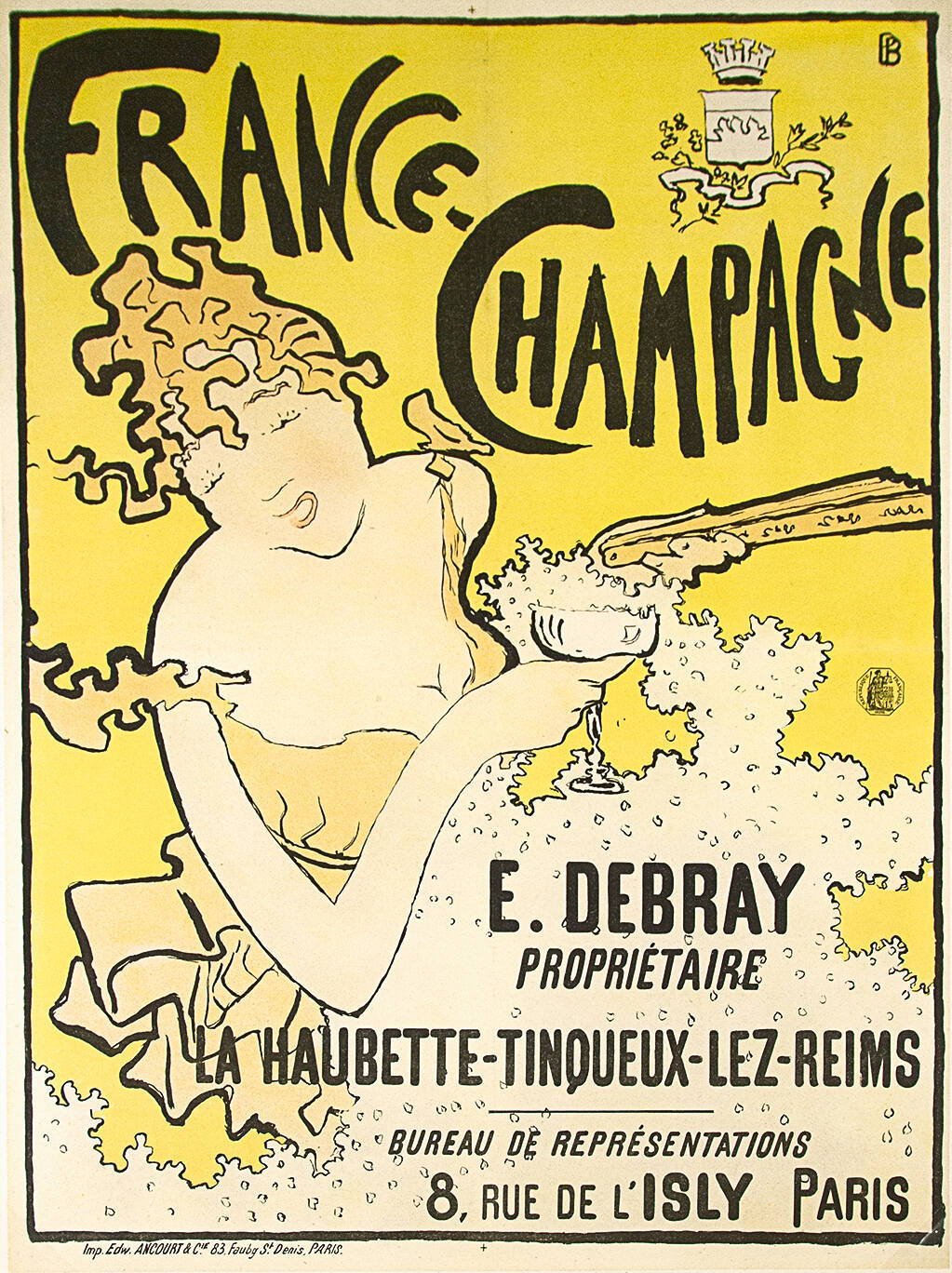
Pierre Bonnard, France Champagne, lithographic poster, 1891, 2008.487.212.
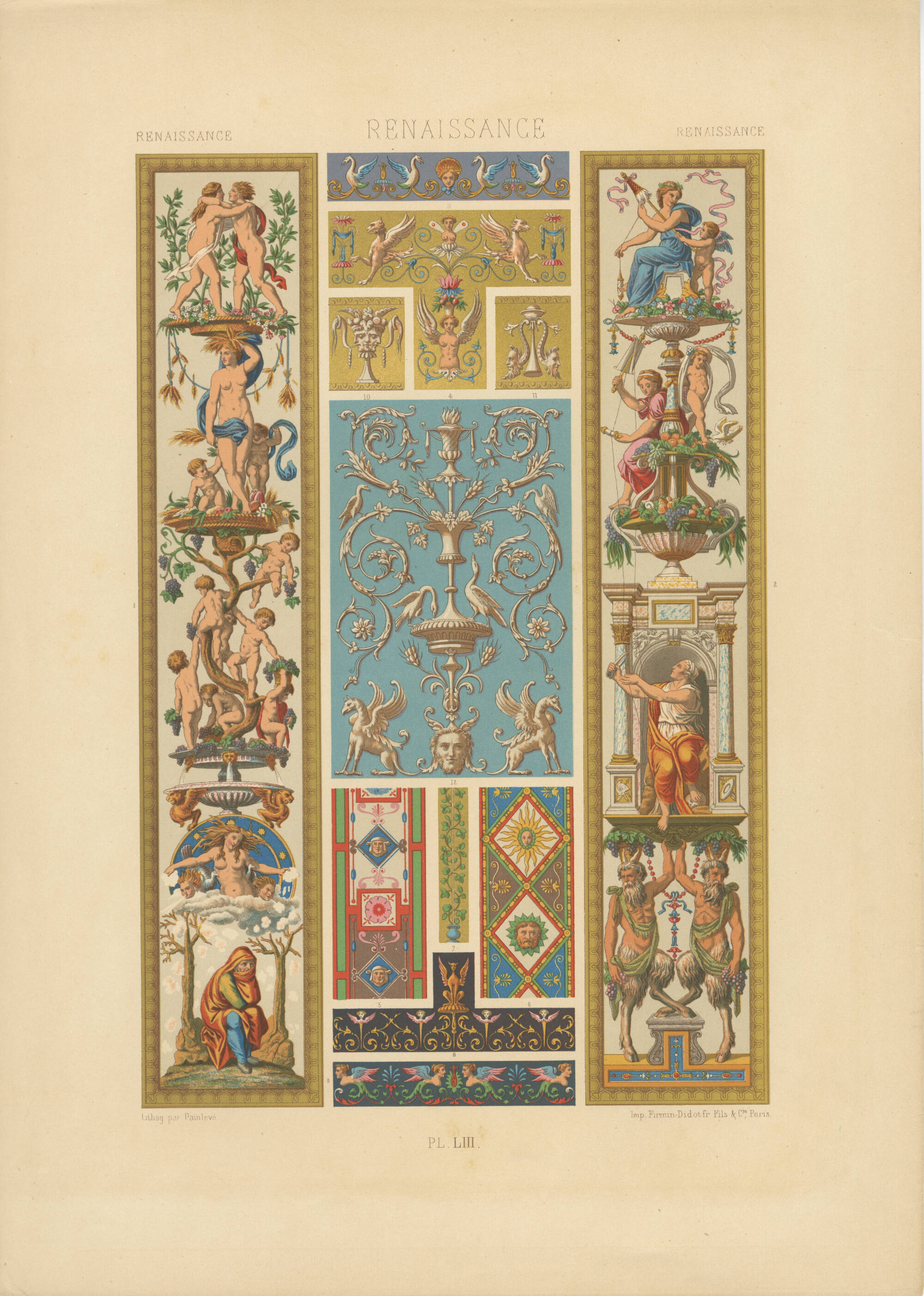
Auguste Racinet, L’Ornement Polychrome: Renaissance, polychrome lithograph, 1869, 2001.052.1j.
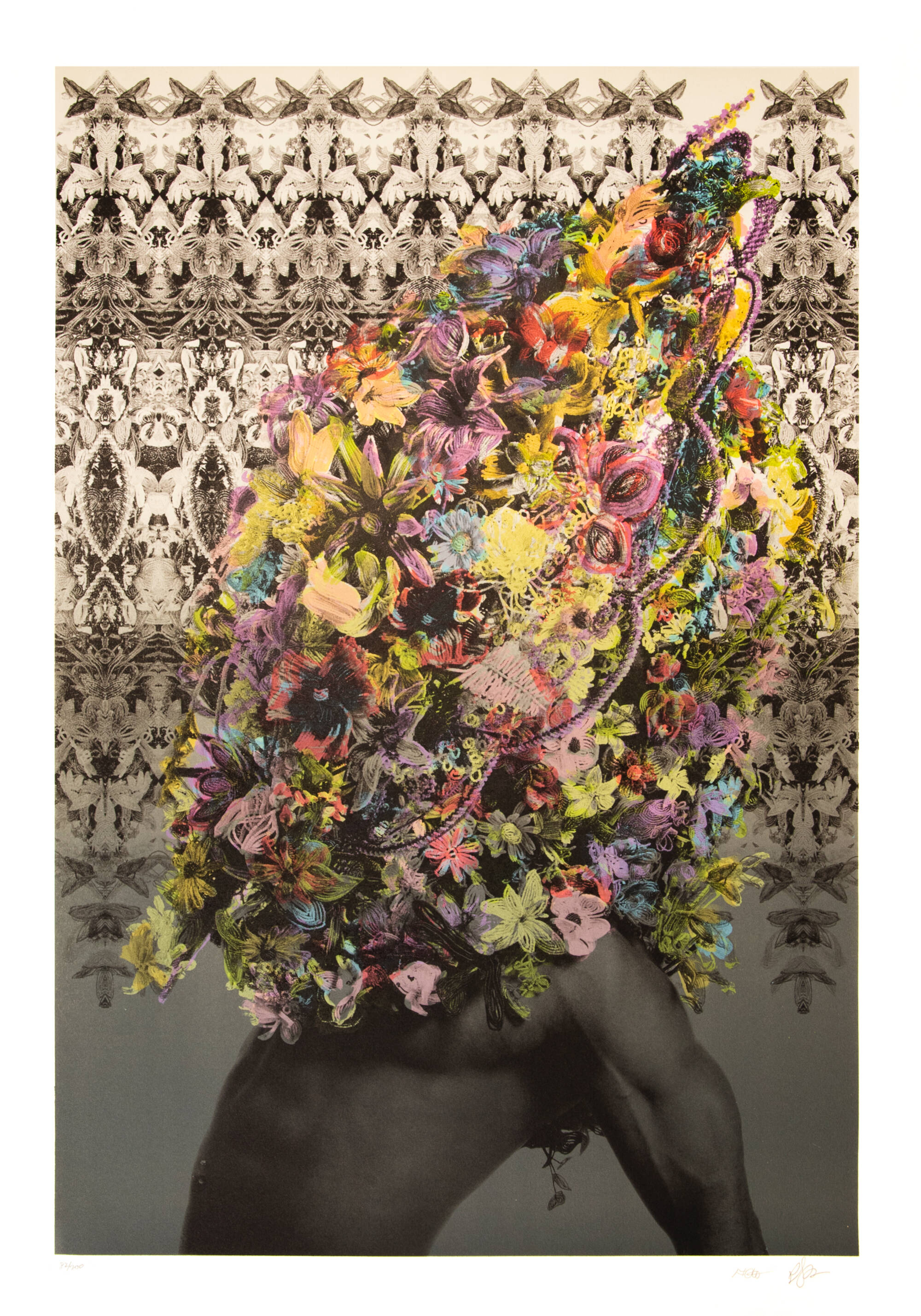
Nick Cave and Bob Faust, Head Dressed, 9-Color Lithograph, 2019, 2020.35.1.
Resources in the Collection
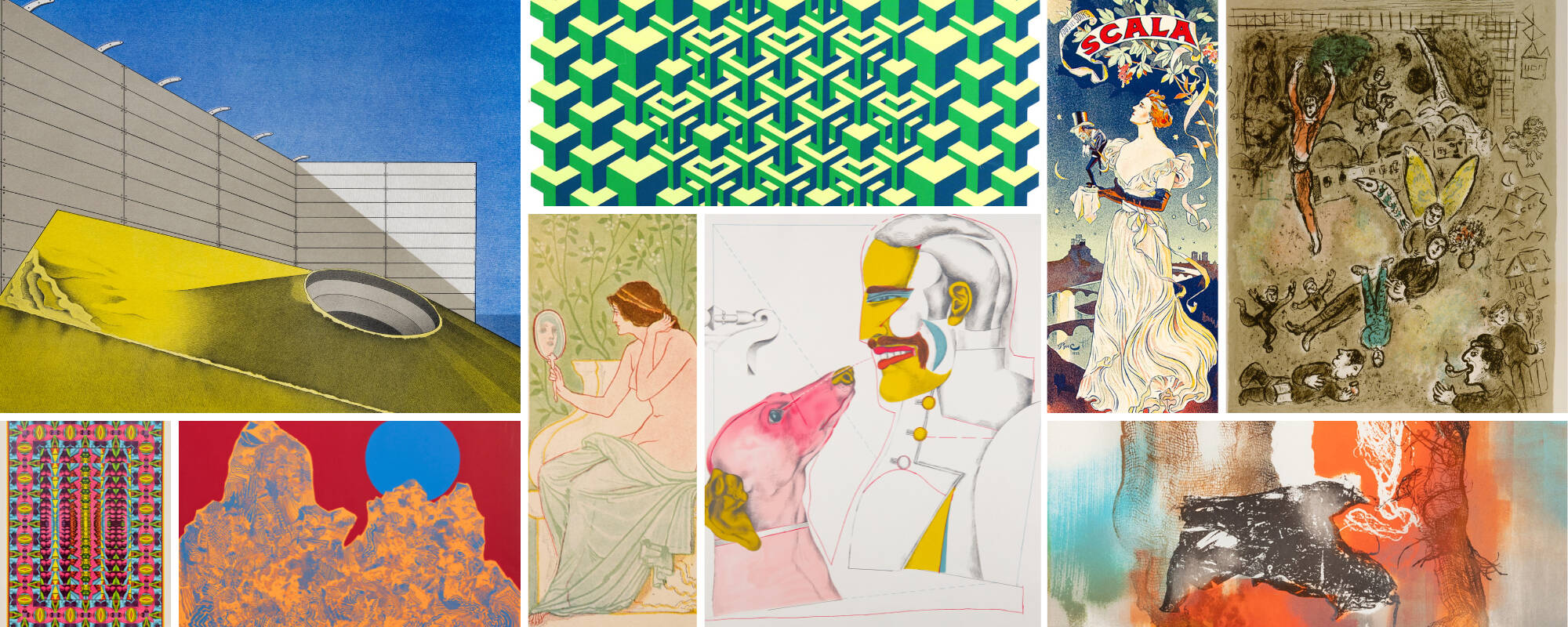
Header Images
Left
Marinus Fuit, Oorlogsobject Aan Zee (War Object by the Sea), lithograph, 1982, 2002.0232.1.
Shinkichi Tajiri, My Secret Garden No. 3, lithograph, 1975, 2002.0161.1.
Arthur Secunda, Night Migration, lithograph, 1975, 2007.650.1.
Center
Paul Jablonka, Blocks in Green and Blue, lithograph, 2013.92.103.
Walter Crane, Venus' Looking Glass, lithograph, 1899, L11.2022.1266.
Richard Lindner, Dog, The Best Friend of Man, lithograph, 1969, 2020.1.483.
Right
Ferdinand Bac, Yvette Guilbert, Scala, Plate 19 of "Les Maîtres de l'Affiche", lithograph, 1896-1900, 2008.487.152.
Marc Chagall, Composition Fantastique, lithograph, 1976, 2013.68.9.
László Dús, Echos, lithograph, 1982, 1998.477.1.