

Medium: Film and Dry Plate
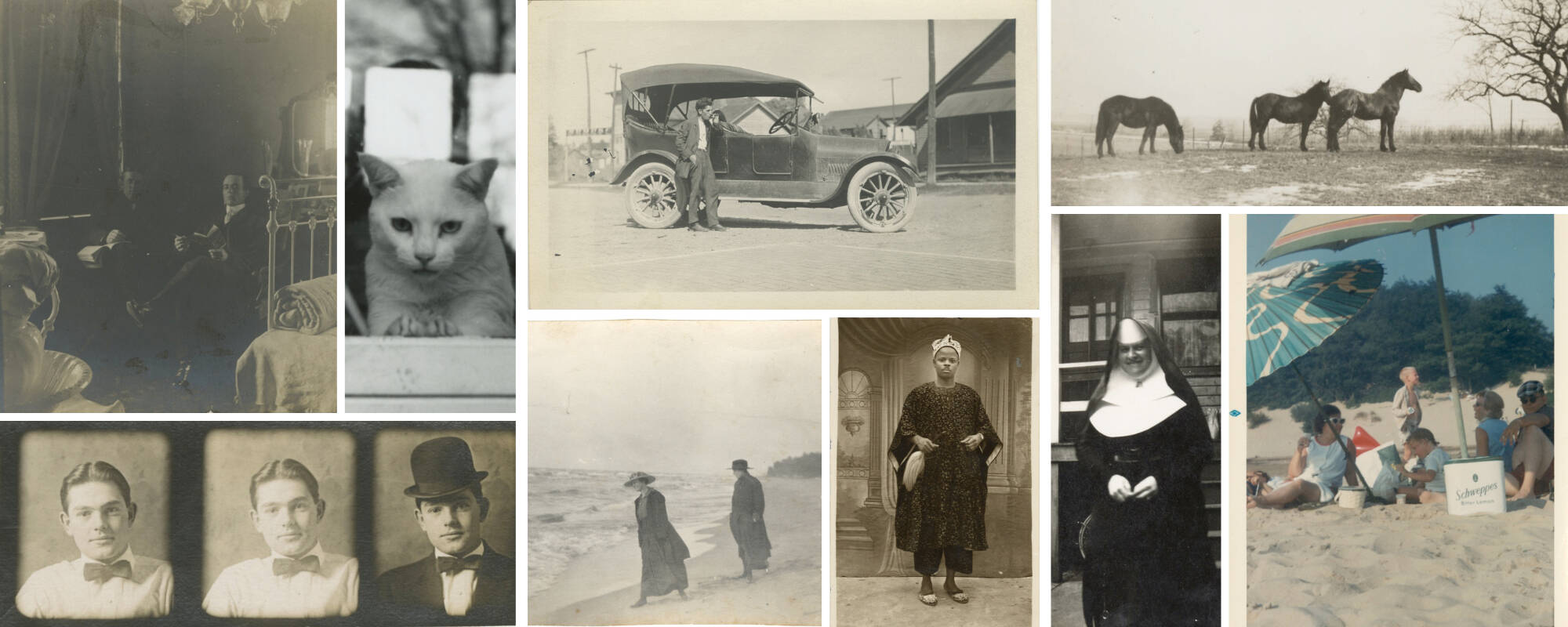
The photographic process continued to evolve and change as technology developed, and the demand for simple and quick photography continued to rise. Dry plate, or gelatin process photography, was developed in the late 1800s by Dr. Richard L. Maddox. While the gelatin emulsions were incredibly sensitive to the touch and did not produce images much clearer than collodion emulsions, the majority of the complex chemistry work to create the glass plates could be done in a factory, not by individual photographers. This made the actual production of photographs much faster and more available to the general public, who no longer needed to understand the chemical process needed to create an image.
In 1879, George Eastman created a machine that coated glass plates and opened the Eastman Film and Dry Plate Company, which even further reduced the cost of photography. Less than a decade later, Eastman created the first roll of flexible film, a predecessor to nitrate film, and the first roll of film on transparent plastic. Eastman eventually joined forces with Henry A. Strong, and the two men created the Eastman Kodak Company, which continued to dominate the photographic film business for over 100 years.
Explore Film and dry plate photography in the collection
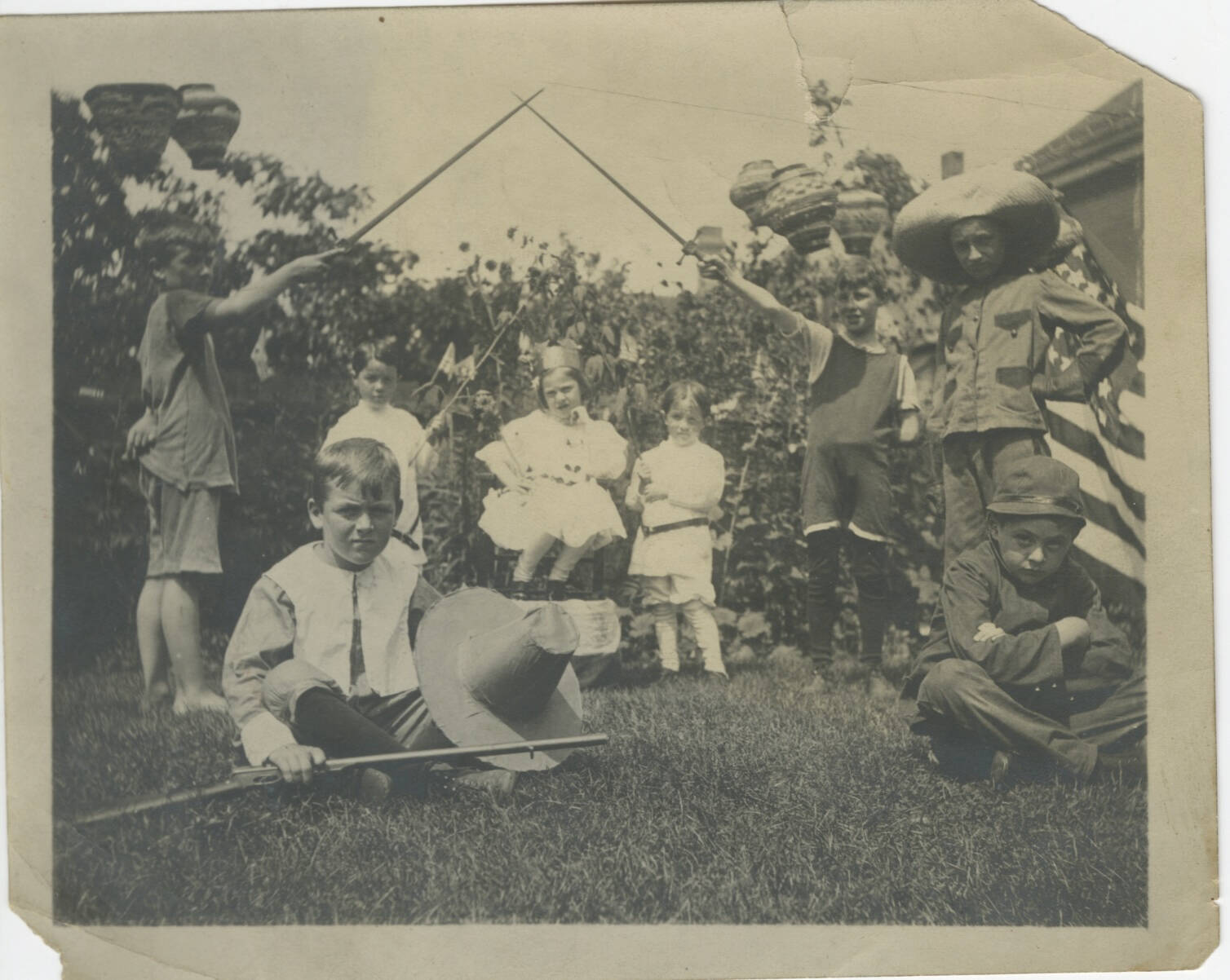
Artist Unknown, Untitled (Children Playing), photograph, 2021.33.1396.
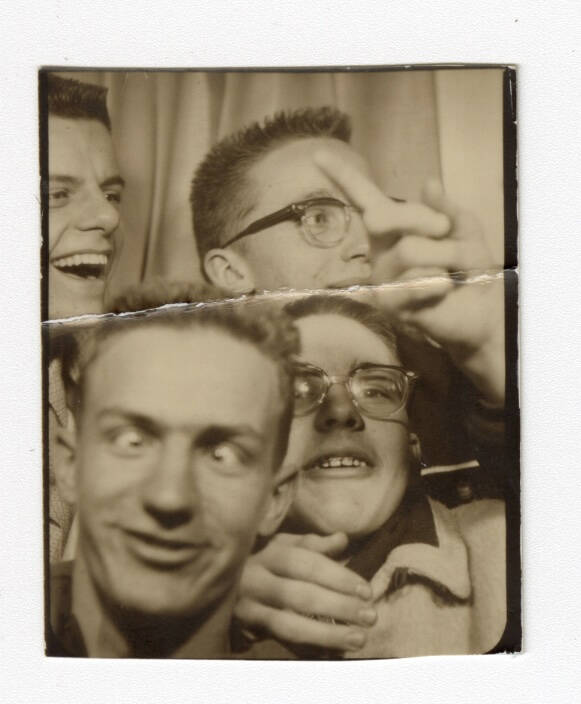
Artist Unknown, Untitled (Four Men in a Photo Booth), snapshot photograph, ca. 1930, L11.2022.63 (149).
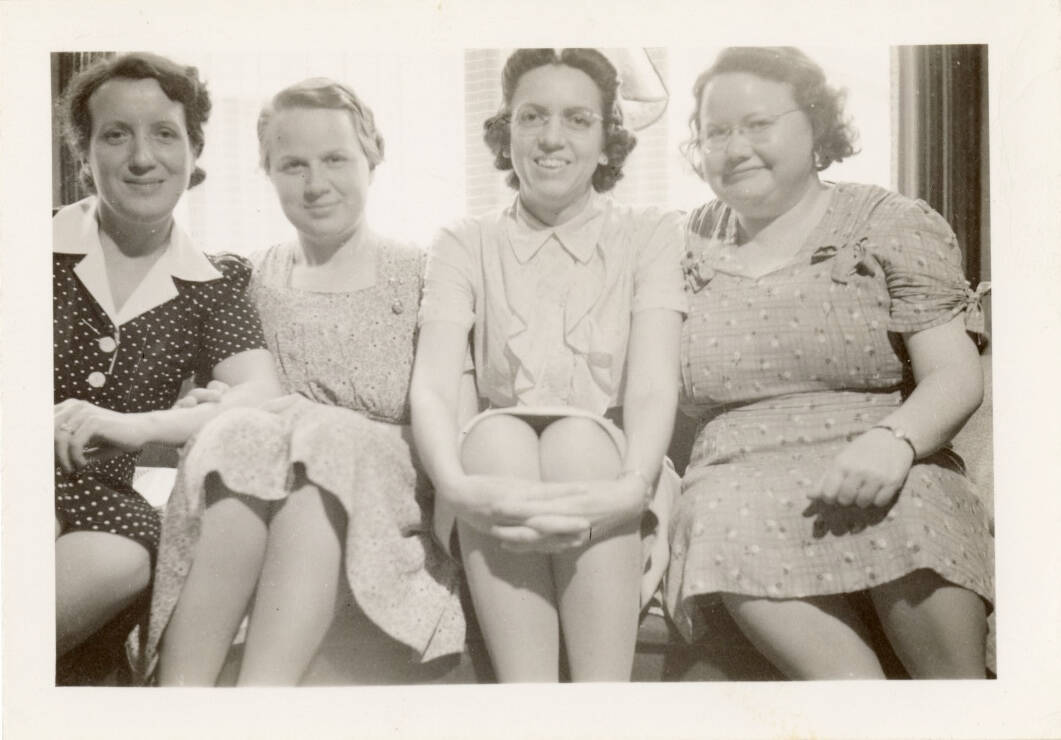
Artist Unknown, Untitled (Four Women Sitting), snapshot photograph, ca. 1925, L11.2022.42 (112)
Resources in the Collection
Header Images
Left
Artist Unknown, Untitled (Men Reading in Bedroom), photograph, 2021.33.1391.
Artist Unknown, Untitled (Cat), photograph, 2021.33.1342.
Artist Unknown, Untitled (Photo Booth Portraits of a Man), photograph, 2021.33.1407.
Center
Linn Photo Finishing Co., Untitled (Man with Car), photograph, 2021.33.1274.
Artist Unknown, Untitled (Two Women on Beach), snapshot photograph, ca. 1920, L11.2022.129 (24).
Artist Unknown, Untitled (Portrait of a Man), photograph, 2021.33.1404.
Right
Artist Unknown, Untitled (Horses), photograph, 2021.33.1347.
Artist Unknown, Untitled (Nun Outside a Building), snapshot photograph, ca. 1940, L11.2022.129 (7).
Artist Unknown, Untitled (Group on Beach), snapshot photograph, ca. 1960, L11.2022.40 (106).