

Medium: Ambrotypes
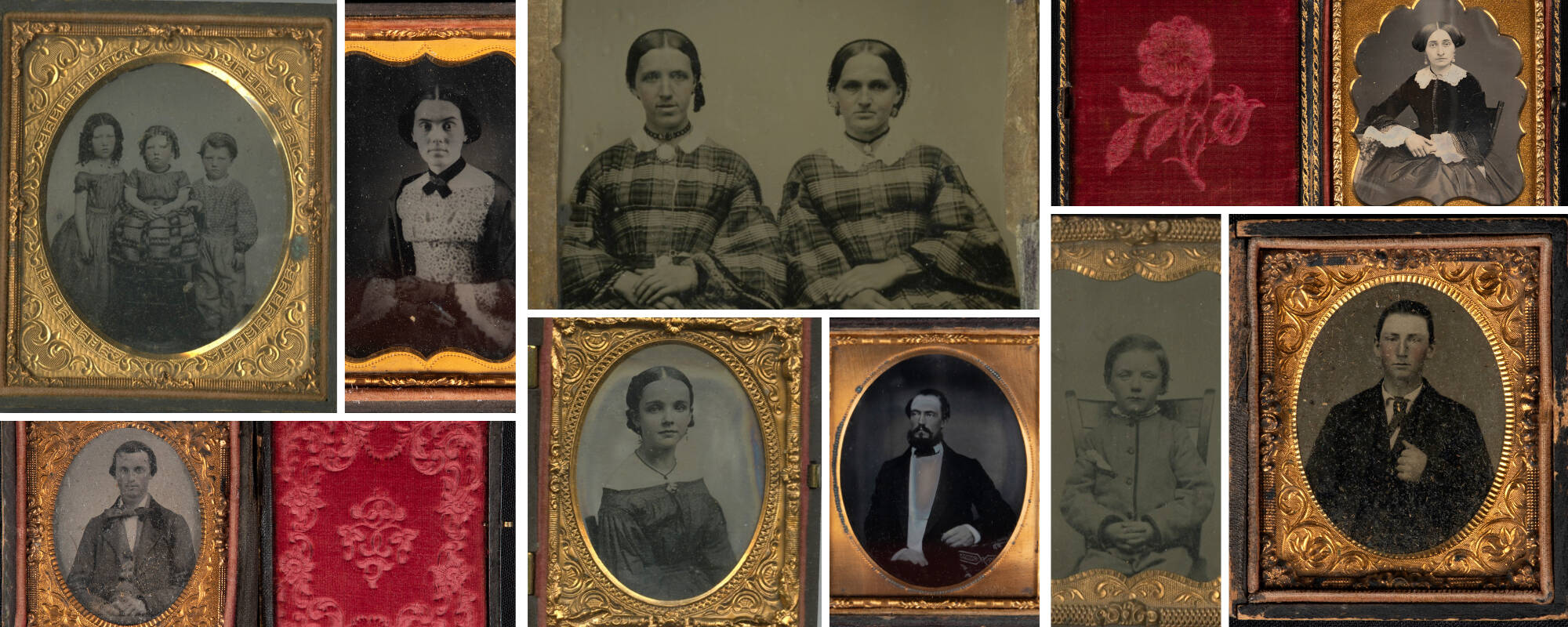
The ambrotype was the first positive image created on glass made by a variant of the wet plate collodion process. This process requires the photographic material to be coated, sensitized, exposed, and developed within fifteen minutes. In order to do so, portable darkrooms were required for use outside or in the studio. This process was first invented by Frederick Scott Archer, but patented by James Ambrose Cutting in 1854. The ambrotype was less expensive and faster to create, and quickly replaced the daguerreotype process. Ambrotypes also no longer had the reflective background, making daguerreotype images difficult to see, but were more fragile and required cases to keep them protected.
Explore ambrotypes in the collection
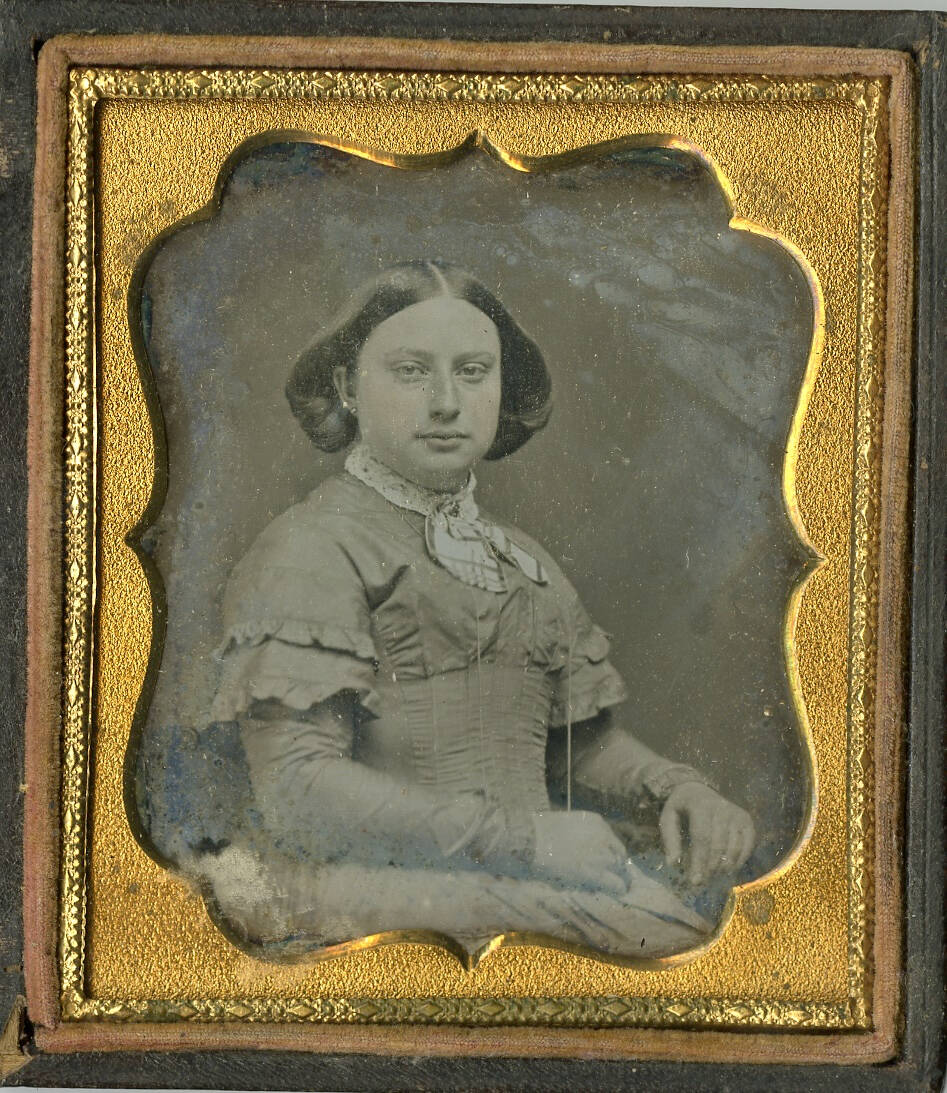
Artist Unknown, Untitled (Portrait of a Woman), ambrotype with case, ca. 1865, 2020.1.204.
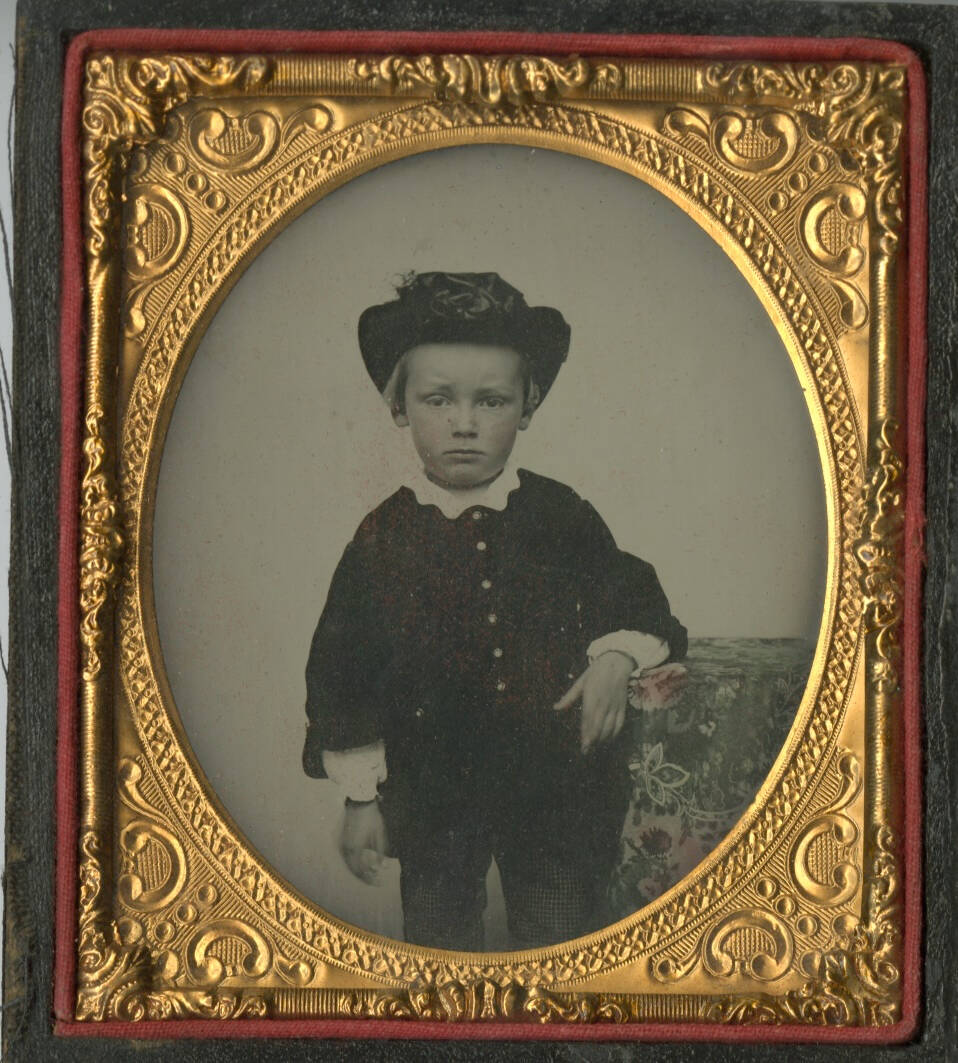
Artist Unknown, Untitled (Portrait of a Boy), ambrotype, ca. 1865, 2021.33.36.
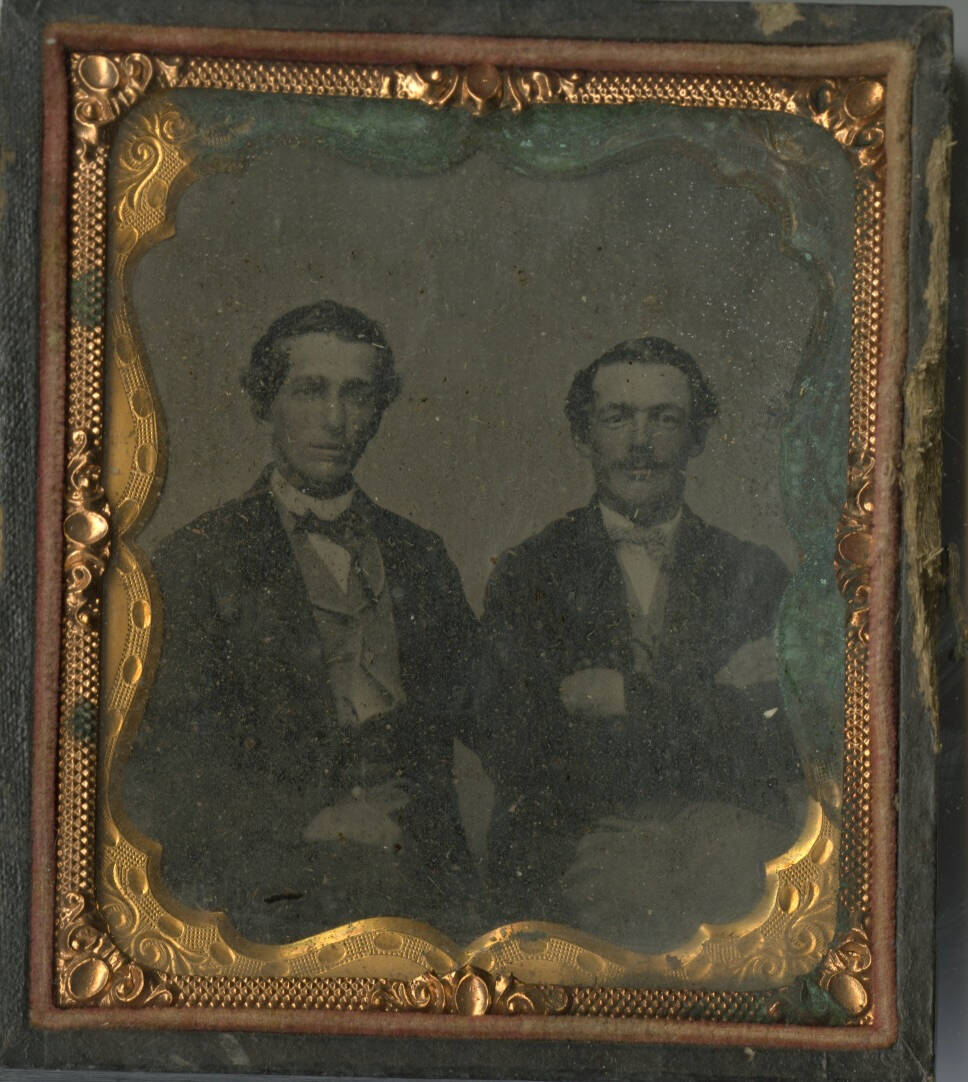
Artist Unknown, Untitled (Portrait of Two Men), ambrotype, ca. 1870, 2021.33.70.
Resources in the Collection
Header Images
Left
Artist Unknown, Untitled (Portrait of Three Children), ambrotype, ca.1870, 2021.33.67.
Artist Unknown, Untitled (Woman with Lace Bodice), ambrotype, ca. 1860, L11.2022.906.
Artist Unknown, Untitled (Man with Large Bowtie), ambrotype, ca. 1860, L11.2022.929.
Center
Artist Unknown, Untitled (Portrait of Two Women), ambrotype, ca. 1865, 2021.33.39.
Artist Unknown, Untitled (Portrait of a Girl), ambrotype, ca. 1865, 2021.33.76.
Artist Unknown, Untitled (Seated Man), ambrotype, ca. 1860, L11.2022.895.
Right
Artist Unknown, Untitled (Woman with Lace Sleeves), ambrotype, ca. 1860, L11.2022.926.
Artist Unknown, Untitled (Portrait of a Boy), ambrotype, ca. 1885, 2021.33.32.
Artist Unknown, Untitled (Young Man in a Dark Suit), ambrotype, ca. 1870, L11.2022.935.