

Learning Resource: Recommended Reading: Art of the People
Check out the following GVSU Library books and articles covering key themes and other content related to the exhibition. Or use the Library Catalog to find more books and articles. Visit the Michigan tab on the Libraries' Native Americans subject guide for a long list of specifically Michigan and Midwestern resources.
Thank you to Amber Dierking and Kim Ranger with the GVSU Libraries for their guidance in compiling this list.
Resources in Print
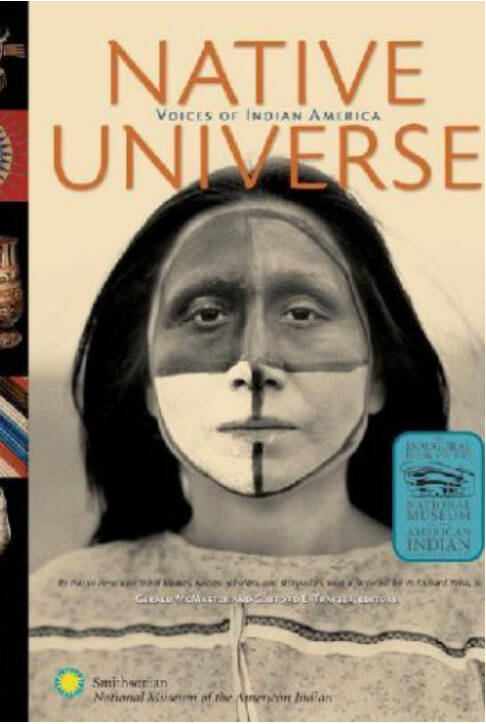
Native Universe: Voices of Indian America
Edited by Gerald McMaster and Clifford E. Trafzer, 2004
Published in conjunction with the opening of the National Museum of the American Indian's new building on the National Mall in Washington, D.C., Native Universe offers readers a deeper understanding of Native philosophies, histories, and identities. Featuring essays by such distinguished Native Americans as Vine Deloria, Jr. (Standing Rock Sioux), Wilma Mankiller (Cherokee), Victor Montejo (Maya), and many more, Native Universe reveals the rich heritage and true diversity of the Indian Americas.
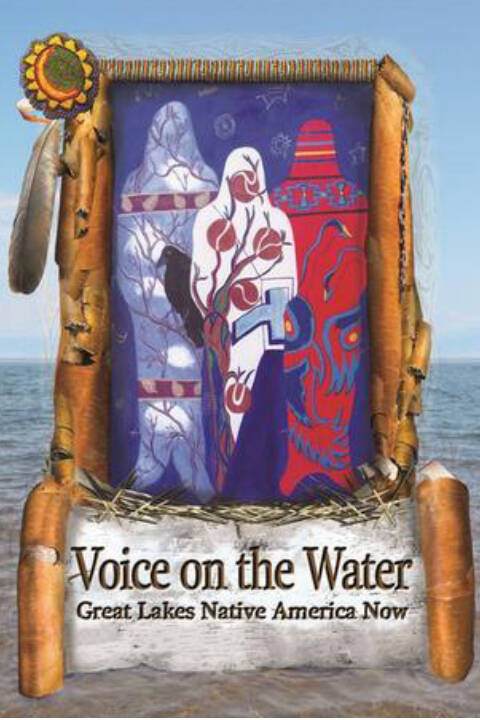
Voice on the Water: Great Lakes Native America Now
Edited by Grace Chaillier and Rebecca Tavernini, 2011
These are the stories, poems, and images that echo the lives of contemporary American Indians living in Michigan. The contributors' narratives and art address themes of the land, the lakes, family, the search for center, ideas of time and the past, communalism and our Native communities on and off reservation homelands, along with storytelling, Indian education, the Michigan urban Indian experience, ceremony and ritual, persistence of traditional arts and lifeways, and new cultural ways of being.
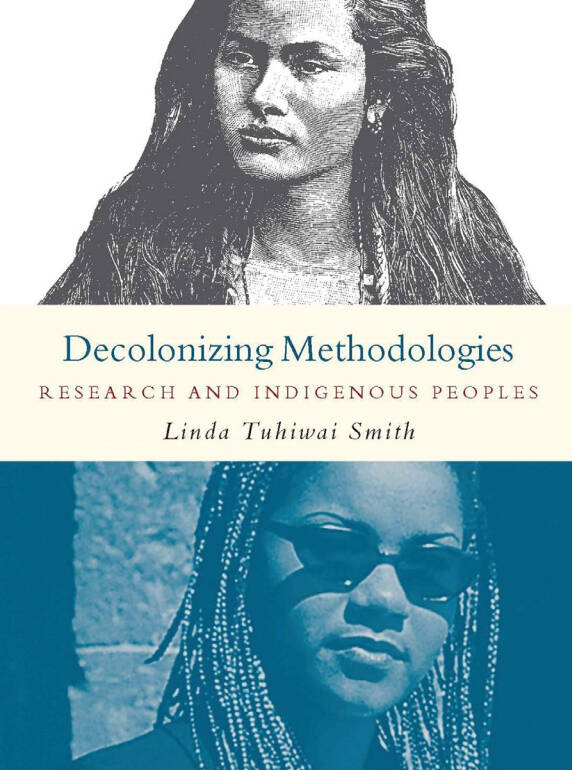
Decolonizing Methodologies: Research and Indigenous Peoples
by Linda Tuhiwai Smith, 1999
From the vantage point of the colonized, the term 'research' is inextricably linked with European colonialism; the way in which scientific research has been implicated in the worst excesses of imperialism remains a powerful remembered history for many of the world's colonized peoples.
Find "Decolonizing Methodologies" at the GVSU University Libraries.
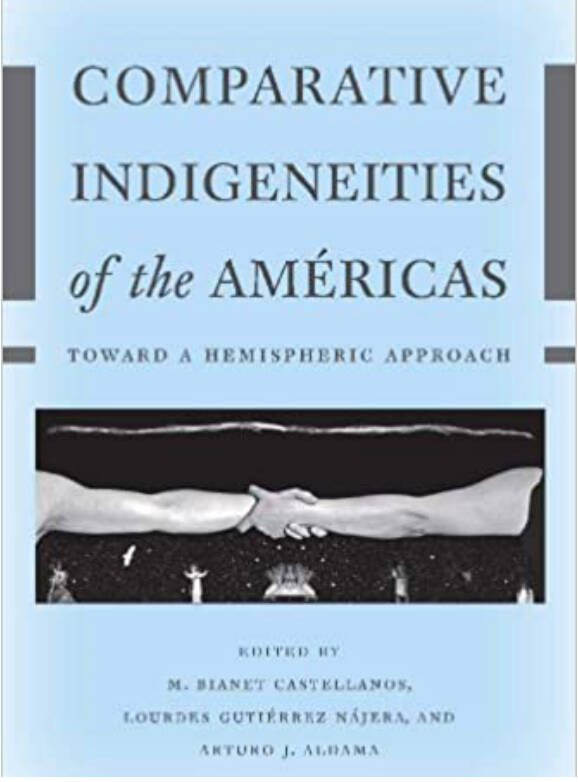
Comparative Indigeneities of the Américas: Toward a Hemispheric Approach
edited by M. Bianet Castellanos, Lourdes Gutiérrez Nájera, and Arturo J. Aldama, 2012
The effects of colonization on the Indigenous peoples of the Américas over the past 500 years have varied greatly. So too have the forms of resistance, resilience, and sovereignty. Understanding the commonalities will help articulate new ways of pursuing critical Indigenous studies through themes such as indigenísmo, mestizaje, migration, displacement, autonomy, sovereignty, borders, spirituality, and healing across the Américas. Indigenous and mestiza/o peoples resist state and imperial attempts to erase, repress, circumscribe, and assimilate them.
Find "Comparative Indigeneties" at the GVSU University Libraries.
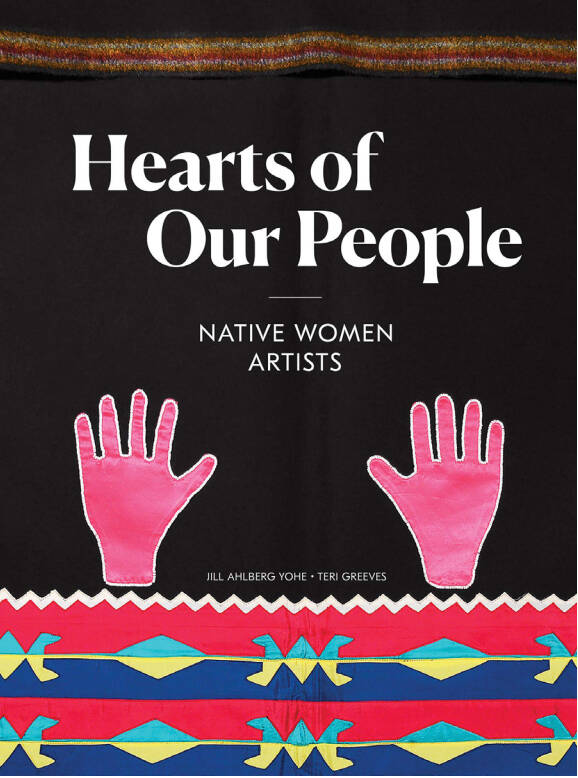
Hearts of Our People: Native Women Artists
by Jill Ahlberg Yohe, Teri Greeves; editor, Laura Silver; foreword by Kaywin Feldman, 2019
Women have long been the creative force behind Native American art, yet their individual contributions have been largely unrecognized, instead of being treated as anonymous representations of entire cultures. 'Hearts of Our People: Native Women Artists' explores the artistic achievements of Native women and establishes their rightful place in the art world. This lavishly illustrated book, a companion to the landmark exhibition, includes works of art from antiquity to the present, made in a variety of media from textiles and beadwork to video and digital arts. It showcases more than 115 artists from the United States and Canada, spanning over one thousand years, to reveal the ingenuity and innovation that have always been foundational to the art of Native women.
Find "Hearts of Our People" at the GVSU University Libraries.
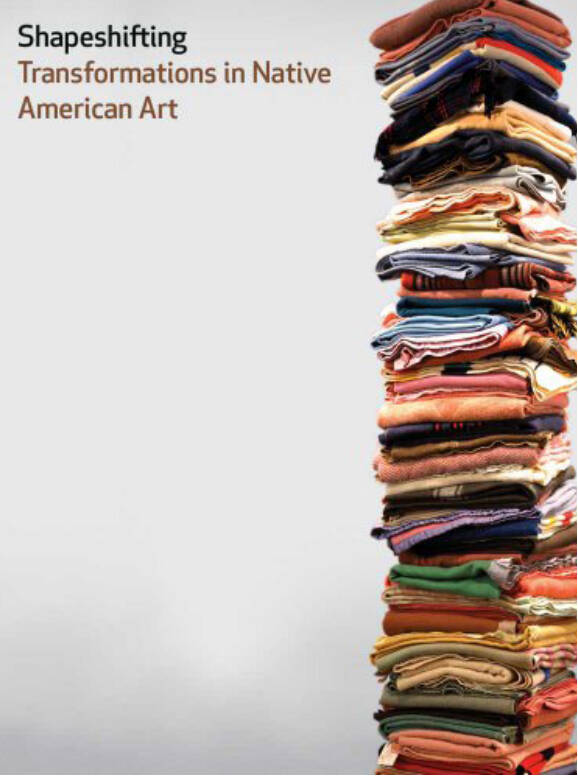
Shapeshifting: Transformations in Native American Art
by Karen Kramer Russell; with Janet Catherine Berlo [and others]; and contributions by Kathleen Ash-Milby [and others], 2012
Public perception of Native American art and culture has often been shaped by misunderstandings and misinterpretations, as well as by images promulgated by popular culture. Typically, Native Americans are grouped as a whole, and their art and culture are considered part of the past rather than widely present. This work challenges these assumptions by focusing on the objects as art rather than cultural or anthropological artifacts and on the multivalent creativity of Native American artists. The approach highlights the inventive contemporaneity that existed in all periods and continues today. More than 75 works in a wide range of media and scale are organized into four thematic groups: changing, expanding the imagination; knowing, expressing worldview; locating, exploring identity and place; and voicing, engaging the individual. The result is a paradigm shift in understanding Native American art.
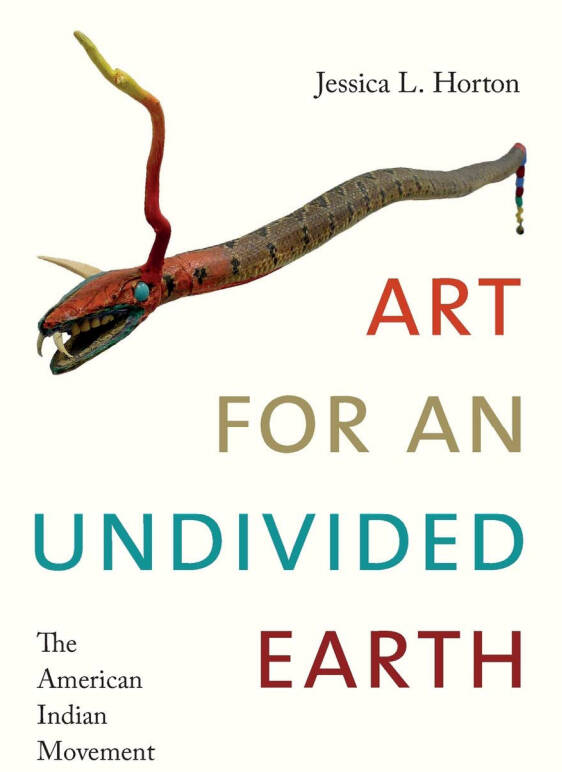
Art for an Undivided Earth: the American Indian Movement Generation
by Jessica L. Horton, 2017
Jessica L. Horton reveals how the spatial philosophies underlying the American Indian Movement (AIM) were refigured by a generation of artists searching for new places to stand. Upending the assumption that Jimmie Durham, James Luna, Kay WalkingStick, Robert Houle, and others were primarily concerned with identity politics, she joins them in remapping the coordinates of a widely shared yet deeply contested modernity that is defined in great part by the colonization of the Americas. She follows their installations, performances, and paintings across the ocean and back in time, as they retrace the paths of Native diplomats, scholars, performers, and objects in Europe after 1492. Along the way, Horton intervenes in a range of theories about global modernisms, Native American sovereignty, racial difference, archival logic, artistic itinerancy, and new materialisms. Writing in creative dialogue with contemporary artists, she builds a picture of a spatially, temporally, and materially interconnected world, an undivided earth.
Find "Art for an Undivided Earth" at the GVSU University Libraries.
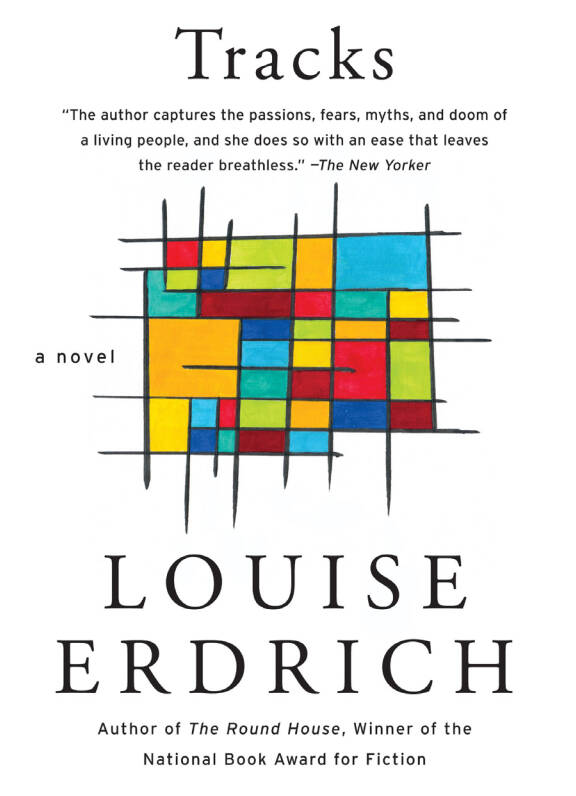
Tracks
by Louise Erdrich
Told in the alternating voices of a wise Chippewa Indian leader, and a young, embittered mixed-blood woman, the novel chronicles the drama of daily lives overshadowed by the clash of cultures and mythologies.
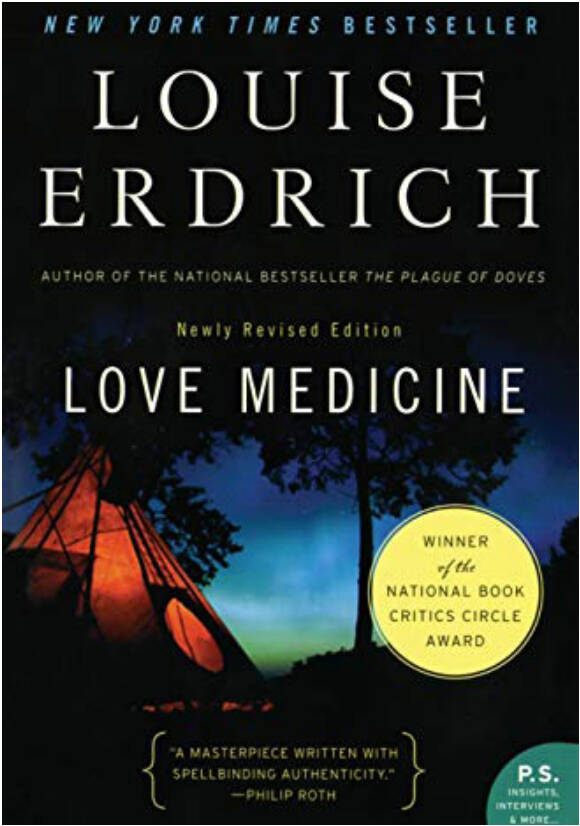
Love Medicine
by Louise Erdrich
A story of the intertwined fates of the Kashpaws and the Lamartines near a North Dakota reservation from 1934 to 1984.
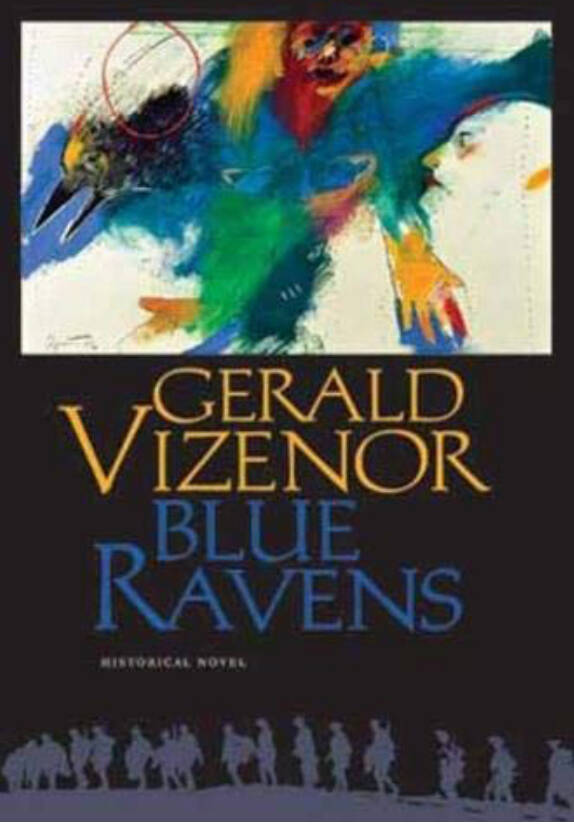
Blue Ravens
by Gerald Vizenor
After serving in the American Expeditionary Forces, two brothers from the Anishinaabe culture return to the White Earth Reservation where they grew up. They eventually leave for a second time to live in Paris, where they lead successful and creative lives. With a spirited sense of "chance, totemic connections, and the tricky stories of our natural transience in the world," Vizenor creates an expression of presence commonly denied to Native Americans. Blue Ravens is a story of courage in poverty and war, a human story of art and literature from a recognized master of the postwar American novel and one of the most original and outspoken Native voices writing today. Check for the online reader's companion at blueravens.site.wesleyan.edu.
Find "Blue Ravens" at the GVSU University Libraries.
"Blue Ravens" is also available in an electronic format.
Electronic Resources
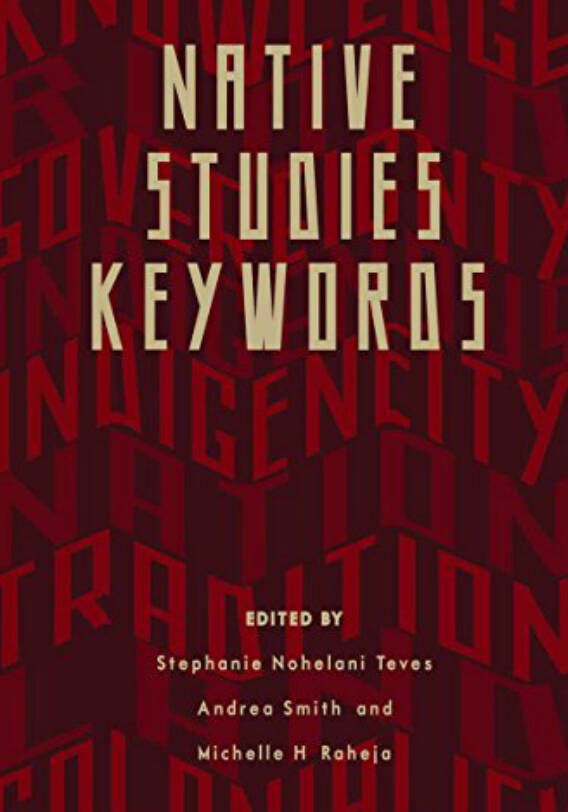
Native Studies Keywords
edited by Stephanie Nohelani Teves, Andrea Smith, and Michelle H. Raheja, 2015
Explores 8 concepts in Native studies and the words commonly used to describe them: sovereignty, land, indigeneity, nation, blood, tradition, colonialism, and indigenous knowledge. Each section includes three or four essays and provides definitions, meanings, and significance to the concept, lending a historical, social, and political context. Here are the foundational concepts of Native American studies, offering multiple perspectives and opening a critical new conversation.
Find "Native Studies Keywords" at the GVSU University Libraries.
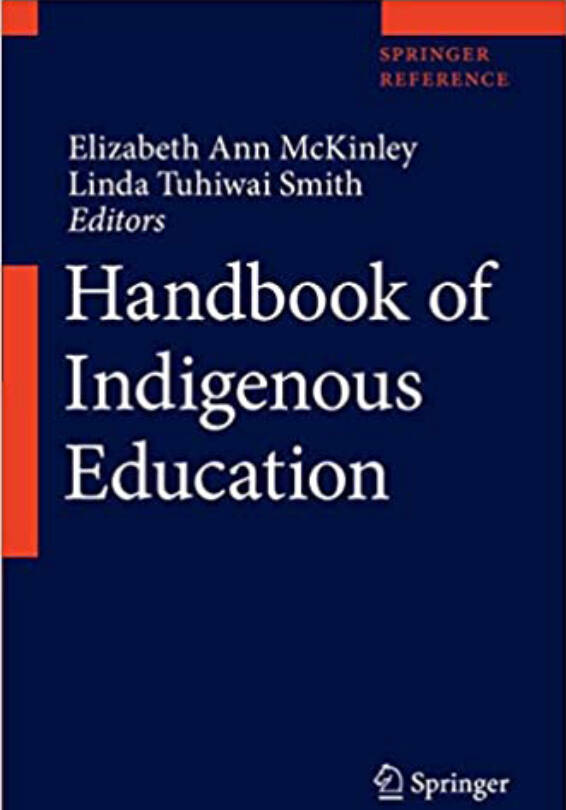
Handbook of Indigenous Education
edited by Elizabeth Ann McKinley and Linda Tuhiwai Smith, 2019
This book is a state-of-the-art reference work that defines and frames the state of thinking, research, and practice in indigenous education, bringing together a wide range of educational topics, including early childhood education, educational governance, teacher education, curriculum, pedagogy, educational psychology, etc.
Find "Handbook of Indigenous Education" at the GVSU University Libraries.
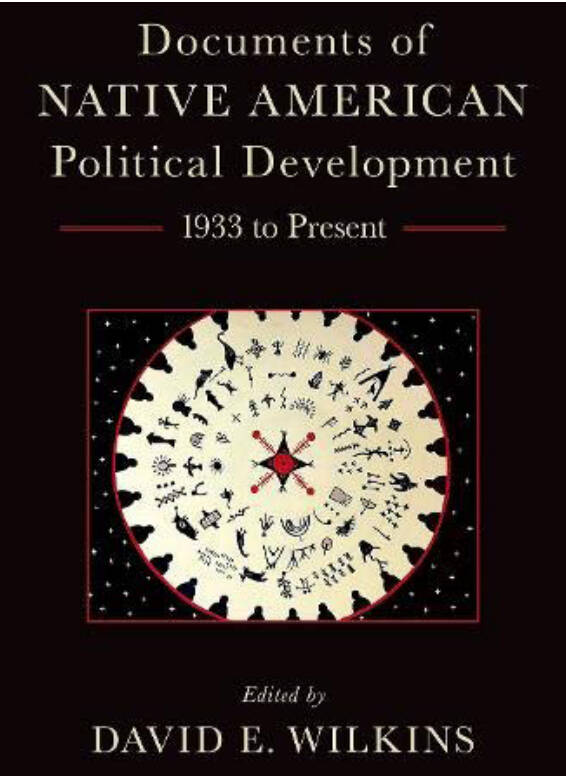
Documents of Native American Political Development: 1500s to 1933
by David E. Wilkins
The arrival of European and Euro-American colonizers in the Americas brought physical attacks against Native tribes and against the sovereignty of these nations. The political structure and development of Native peoples, and the effect of American domination on sovereignty, have been greatly neglected. This book contains a variety of primary sources and other documents -- traditional accounts, tribal constitutions, legal codes, business councils, rules and regulations, BIA agents' reports, congressional discourse, intertribal compacts--written both by Natives from many different nations and some non-Natives, that reflect how indigenous peoples continued to exercise a significant measure of self-determination. Brief introductory essays place documents within context.
Find "Documents of Native American Political Development" at the GVSU University Libraries.
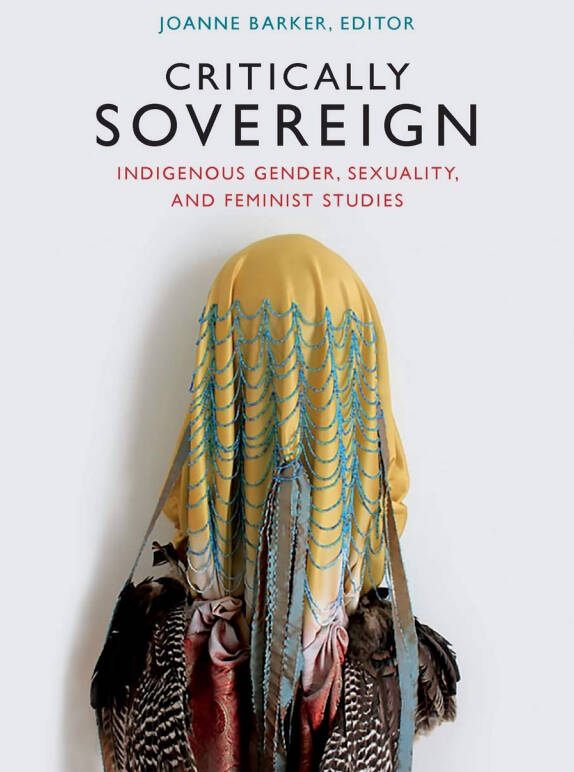
Critically Sovereign: Indigenous Gender, Sexuality, and Feminist Studies
by Joanne Barker, 2017
Gender, sexuality, and feminism work as co-productive forces of Native American and Indigenous sovereignty, self-determination, and epistemology, along with the production of colonial space, the biopolitics of "Indianness," and the collisions and collusions between queer theory and colonialism within Indigenous studies. Diné marriage and sexuality, Iñupiat people's changing conceptions of masculinity, Hawai'i's same-sex marriage bill, and stories of Indigenous women falling in love with non-human beings such as animals, plants, and stars.
Find "Critically Sovereign" at the GVSU University Libraries.
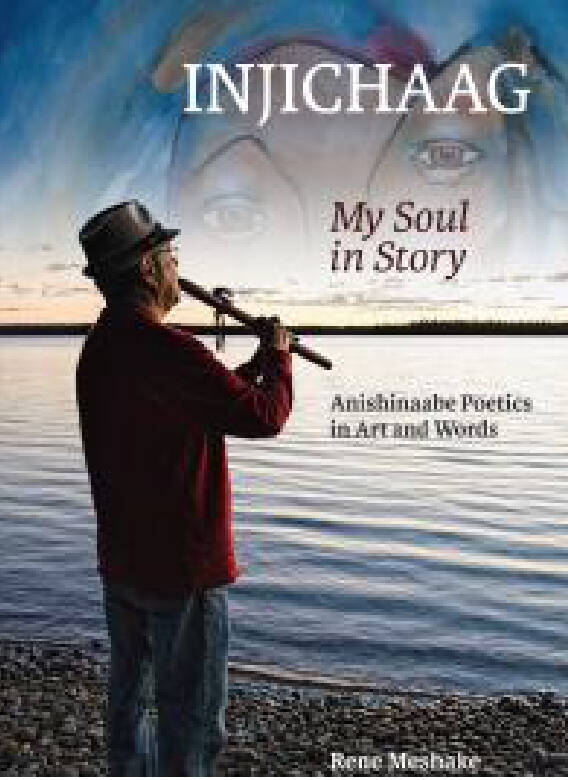
Injichaag: My Soul in Story
by Rene Meshake and Kim Anderson, 2019
This book shares the life story of Anishinaabe artist Rene Meshake in stories, poetry, and Anishinaabemowin "word bundles" that serve as a dictionary of Ojibwe poetics. Meshake was born in the railway town of Nakina in northwestern Ontario in 1948, and spent his early years living off-reserve with his grandmother in a matriarchal land-based community he calls Pagwashing. He was raised through his grandmother's "bush university," periodically attending Indian day school, but at the age of ten Rene was scooped into the Indian residential school system, where he suffered sexual abuse as well as the loss of language and connection to family and community. This residential school experience was life-changing, as it suffocated his artistic expression and resulted in decades of struggle and healing. Now in his twenty-eighth year of sobriety, Rene is a successful multidisciplinary artist, musician, and writer. Meshake's artistic vision and poetic lens provide a unique telling of a story of colonization and recovery.
Streaming Resources
First Peoples: Americas
by the Public Broadcasting Service, 2015
As early humans spread out across the world, their toughest challenge was colonizing the Americas - because a huge ice sheet blocked the route. It has long been thought that the pioneers, known as Clovis people, arrived about 13,000 years ago, but an underwater discovery in Mexico suggests people arrived earlier than previously thought - and by boat, not on foot. How closely related were these First Americans to today's Native Americans? It's a controversial matter, focused on Kennewick Man. Few other skeletons engender such strong feelings.
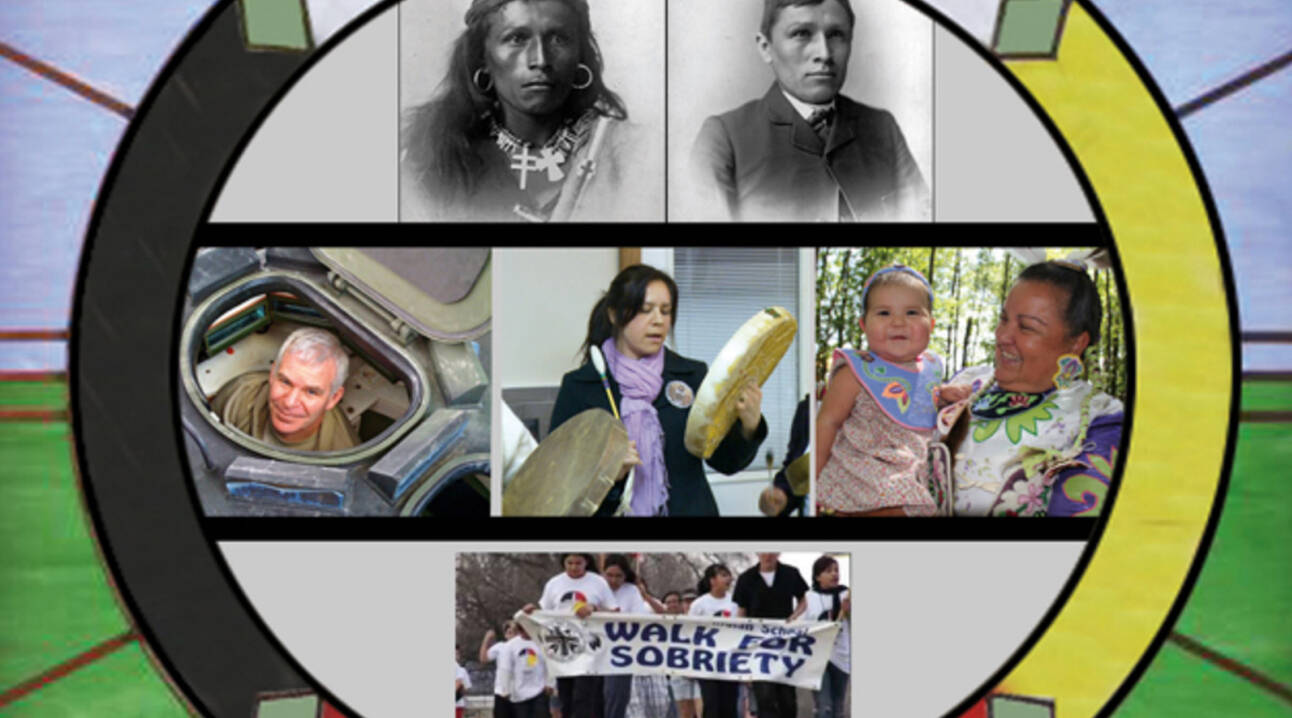
Our Fires Still Burn: The Native American Experience
by Visions (Firm), 2013
This compelling one-hour documentary invites viewers into the lives of contemporary Native Americans. It dispels the myth that American Indians have disappeared from the American horizon and reveals how they continue to persist, heal from the past, confront the challenges of today, keep their culture alive, and make significant contributions to society. Their experiences will deeply touch both Natives and non-Natives and help build bridges of understanding, respect, and communication.