

Exhibit: Humanize the Numbers
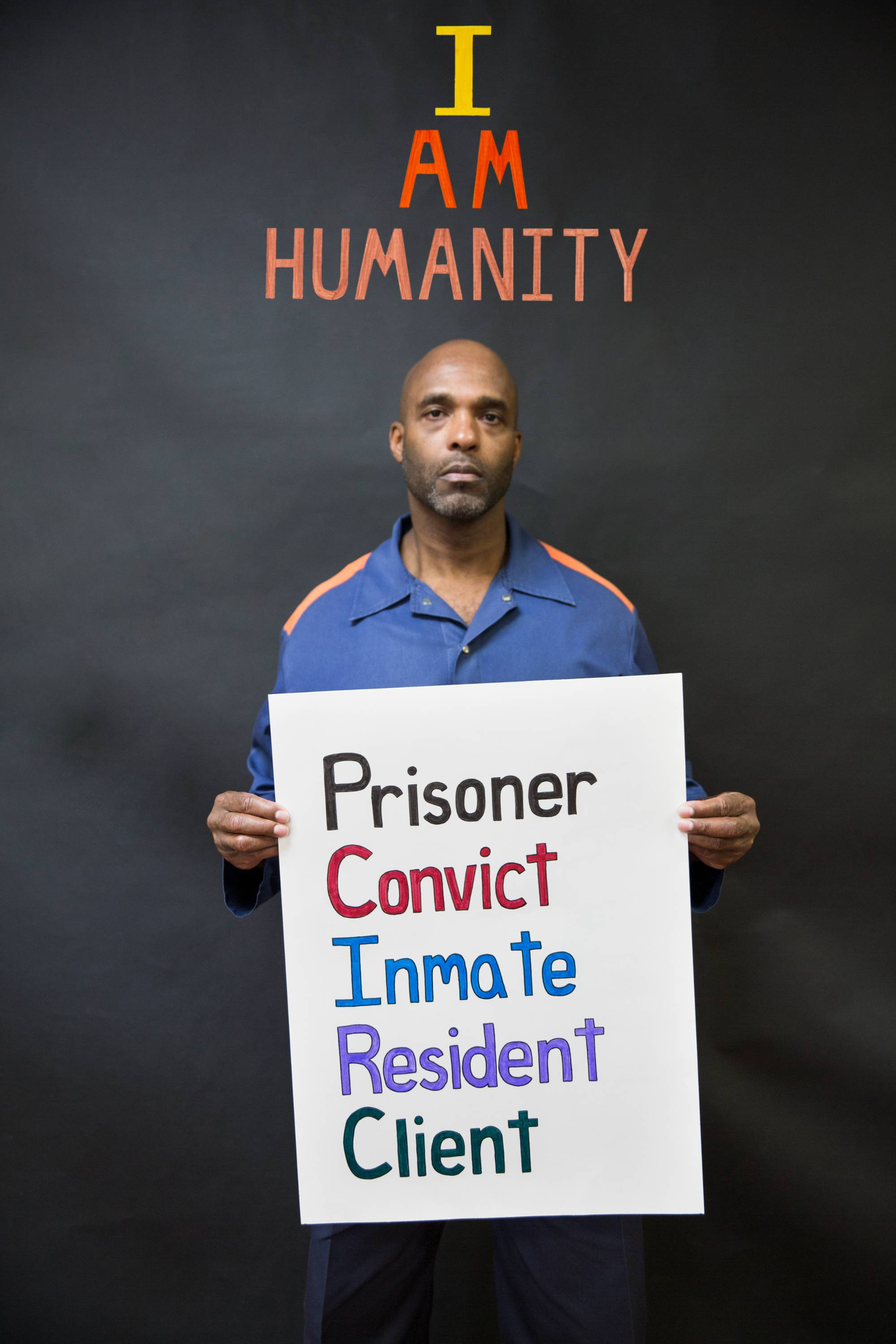
Darrell Braxton, Where I am is not who I am, photograph, 2008, Courtesy of the Artist.
We all remember choices we regret. How often do those moments define you in the eyes of other people? For people in prison, every day is a day they’re defined by one act, one choice. They are so much more than the one moment that marks them in prison. Yet their voices are silenced by the criminal legal system.
Humanize the Numbers is a photography collaborative in Michigan prisons. Men in prison work alongside University of Michigan students in weekly workshops. The purpose of the project is to bring personal stories out from the shadows of prison. The name for the project, “Humanize the Numbers,” came from men at Thumb Correctional Facility. Several of the men suggested their pictures would humanize the numbers. They referred to both the massive number of people in the criminal legal system and the unique number each person is assigned when they enter prison.
These men have been hidden inside prison walls, but their humanity still shines through. Our shared humanity binds us together, even in brokenness. As one man in the workshop asked, "Can you forgive someone for the worst thing they’ve ever done?"
Humanize the Numbers is based out of the Prison Creative Arts Project at the University of Michigan College of Literature, Science, and the Arts.

Adolfo Cruz, Untitled, photograph, 2017, Courtesy of the Artist.
"When you are incarcerated for any extended period of time, you tend to realize that lives, dreams, and promises you made to your family are broken. The stresses of family and outside relationships are a daily struggle, but they are even more compounded when you have ALL DAY to think about them."
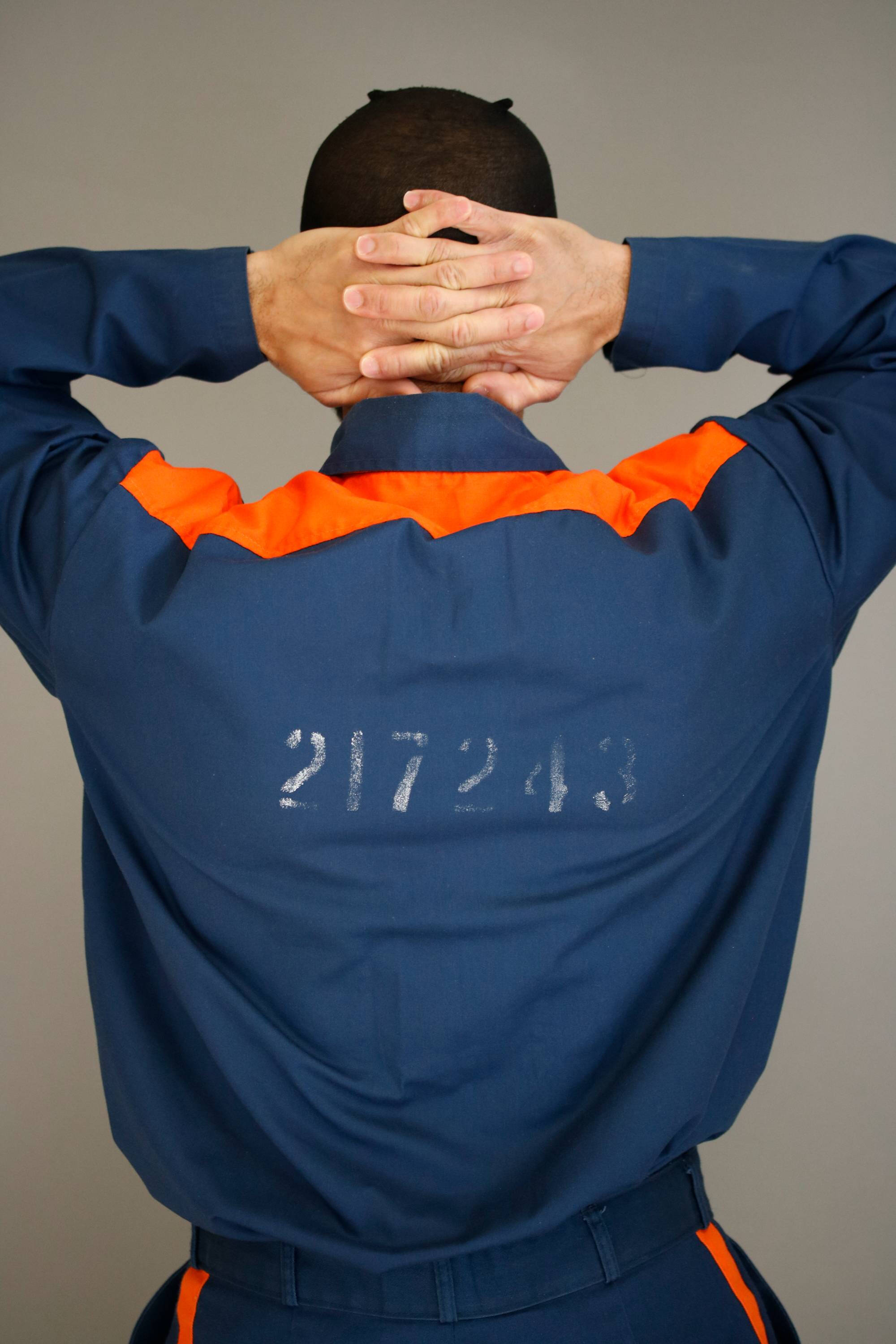
Marlen Dwayne, Untitled, photograph, 2017, Courtesy of the Artist.
"Even when you're in the system, you still feel constantly under arrest. When a person is under arrest, it says you're innocent until proven guilty, but from my experience, you're guilty until proven innocent. It's like you have to prove you're a changed person. You can't judge me by what I did in the past, only by the person I am today."
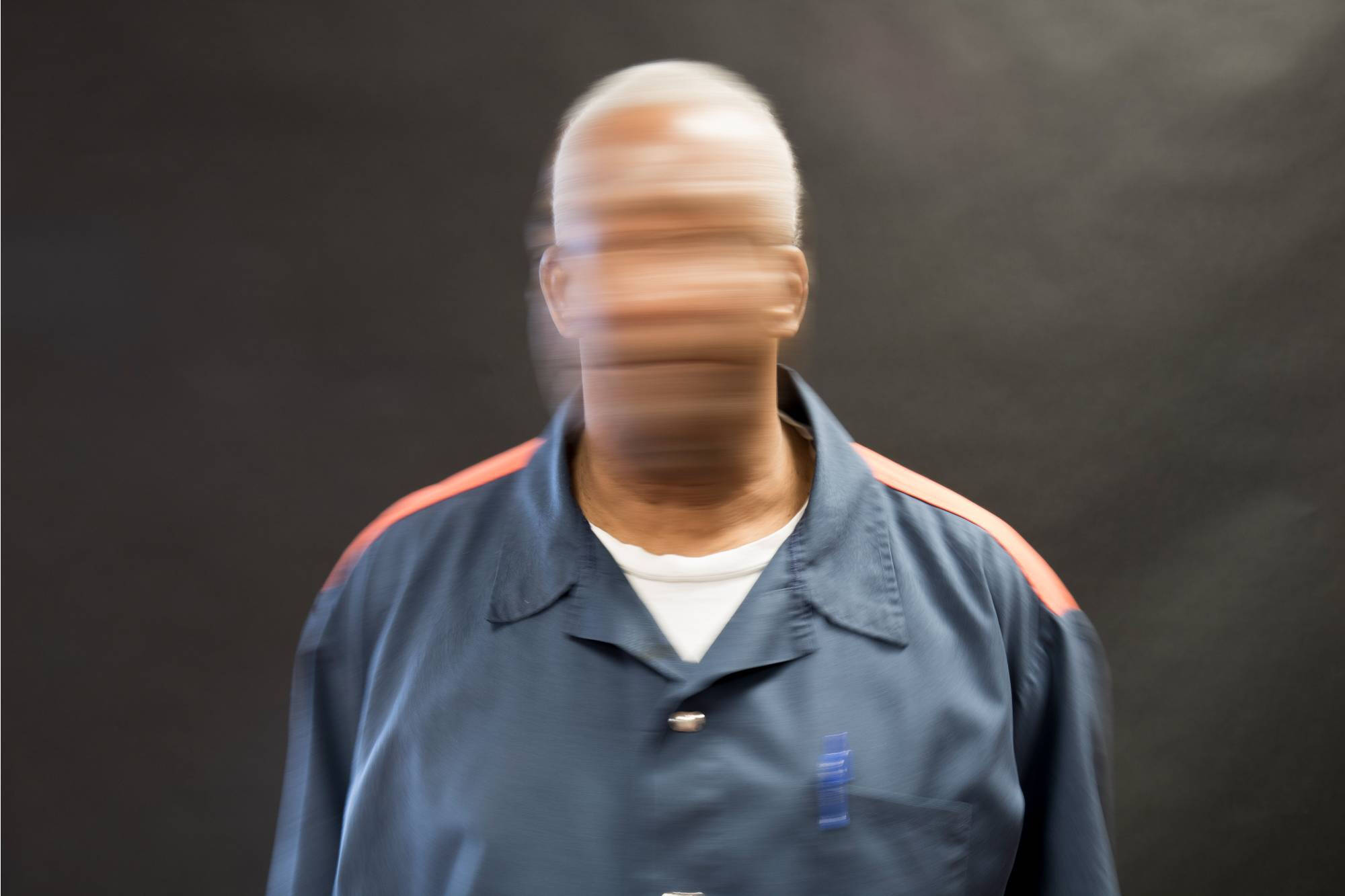
June, Untitled, photograph, 2018, Courtesy of the Artist.
"After decades in prison, many people begin to lose their identity. They are not able to function outside the structure of prison. Their thoughts, speech, and actions reflect the institutional routines of prison. It can take a long time for them to readjust to the norms of society when they are released."
This exhibit is no longer on display.
Richard M. DeVos Center Wall Gallery, City Campus
July 12 - December 13, 2024