

Exhibit - Canal by Canal: Photographs by Jason Reblando

Canal by Canal
In Canal by Canal, photographer Jason Reblando engages the natural and built environments as well as the people that comprise Valencia’s irrigation community in support of research by Dr. Erik Nordman, natural resources management professor at Grand Valley State University. Nordman and Reblando traveled to Valencia to research how today’s farmers are carrying on a one-thousand-year tradition of water resource governance, for Nordman’s book, The Uncommon Knowledge of Elinor Ostrom (Island Press, 2021). The resulting images are a meditation on how humans continue to shape the natural landscape, as well as a record of a communal agricultural practice that has survived wars, dictatorships, and political winds of change.
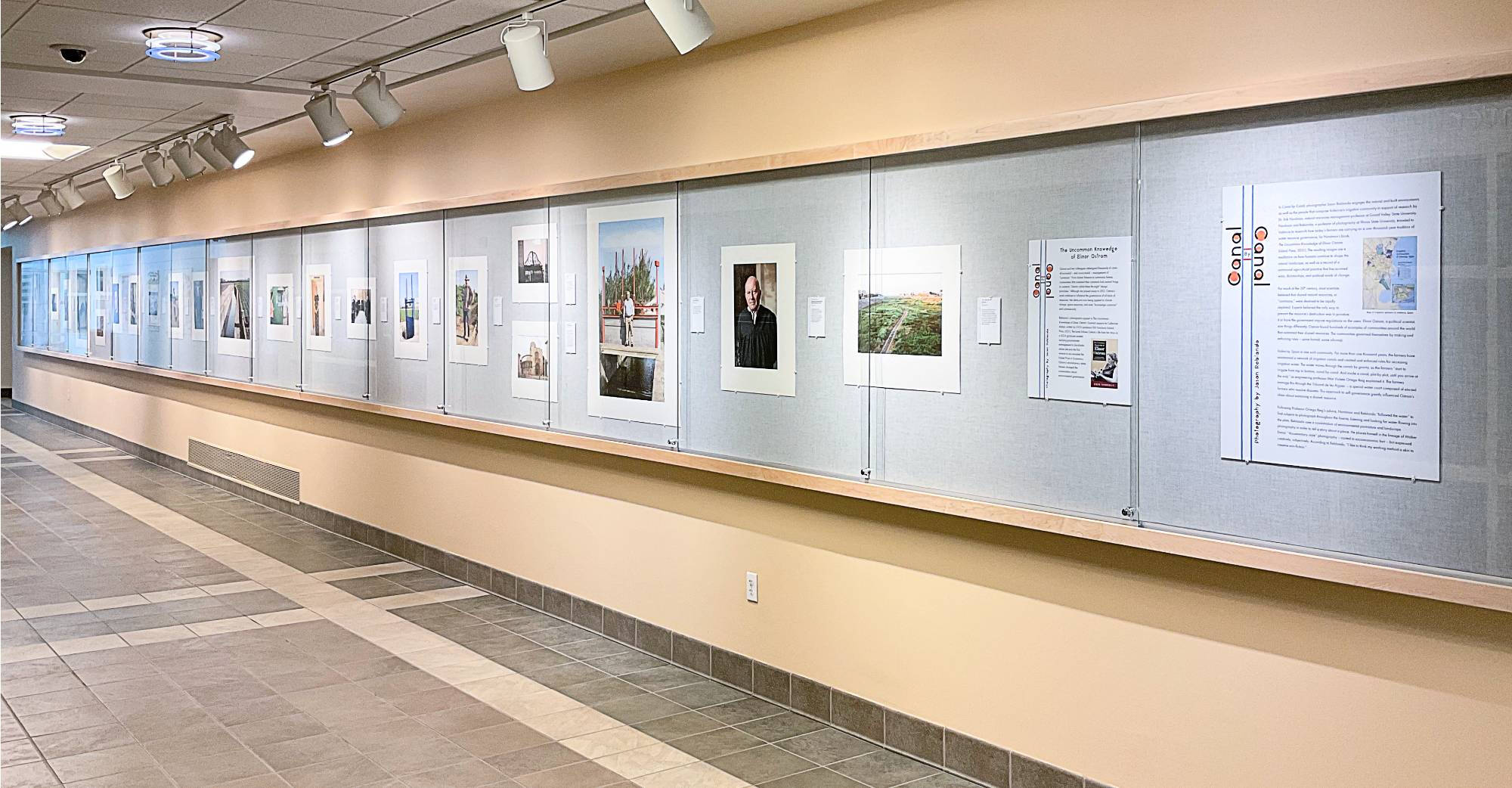
Lake Ontario Hall Wall Gallery, GVSU Allendale Campus, displaying the exhibition Canal by Canal: Photographs by Jason Reblando
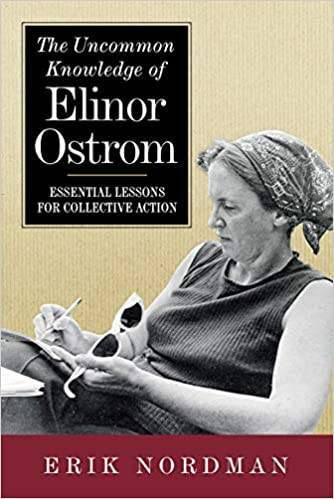
In the 1970s, the accepted environmental thinking was that overpopulation was destroying the Earth. Prominent economists and environmentalists agreed that the only way to stem the tide was to impose restrictions on how we used resources, such as land, water, and fish, either through the free market or the government. This notion was upended by Elinor Ostrom, whose work to show that regular people could sustainably manage their community resources eventually won her the Nobel Prize. Ostrom’s revolutionary proposition fundamentally changed the way we think about environmental governance.
In The Uncommon Knowledge of Elinor Ostrom, author Erik Nordman brings to life Ostrom’s brilliant mind. Half a century ago, she was rejected from doctoral programs because she was a woman; in 2009, she became the first woman to win the Nobel Prize in Economics. Her research challenged the long-held dogma championed by Garrett Hardin in his famous 1968 essay, “The Tragedy of the Commons,” which argued that only market forces or government regulation can prevent the degradation of common-pool resources. The concept of the “Tragedy of the Commons” was built on scarcity and the assumption that individuals only act out of self-interest. Ostrom’s research proved that people can and do act in collective interest, coming from a place of shared abundance. Ostrom’s ideas about common resources have played out around the world, from Maine lobster fisheries to ancient waterways in Spain, to taxicabs in Nairobi. In writing The Uncommon Knowledge of Elinor Ostrom, Nordman traveled extensively to interview community leaders and stakeholders who have spearheaded innovative resource-sharing systems, some new, some centuries old. Through expressing Ostrom’s ideas and research, he also reveals the remarkable story of her life.
Selected Artworks
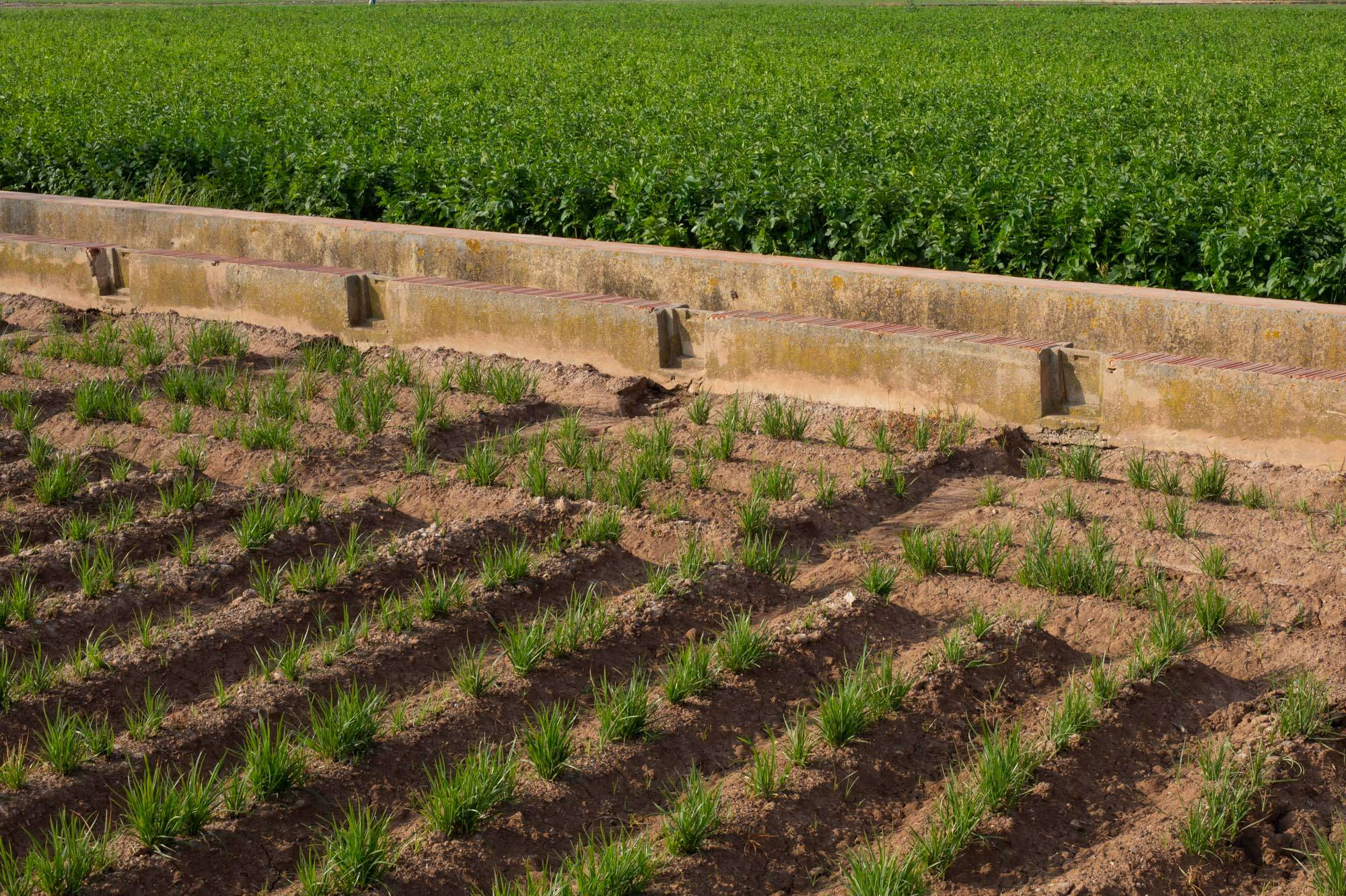
Jason Reblando, Chufa, archival pigment print, 2019.
For much of the 20th century, most scientists believed that shared natural resources, or “commons,” were destined to be rapidly depleted. Experts believed the only way to prevent the resource’s destruction was to privatize it or have the government impose regulations on the users. Elinor Ostrom, a political scientist, saw things differently. Ostrom found hundreds of examples of communities around the world that sustained their shared resources. The communities governed themselves by making and enforcing rules – some formal, some informal.
Valencia, Spain, is one such community. For more than one thousand years, the farmers have maintained a network of irrigation canals and created and enforced rules for accessing irrigation water. The water moves through the canals by gravity, so the farmers “start to irrigate from top to bottom, canal by canal. And inside a canal, plot by plot, until you arrive at the end,” as engineering Professor Mar Violeta Ortega Reig explained it. The farmers manage this through the Tribunal de las Aguas – a special water court composed of elected farmers who resolve disputes. This approach to self-governance greatly influenced Ostrom’s ideas about sustaining a shared resource.

Jason Reblando, Baliff, archival pigment print, 2019.
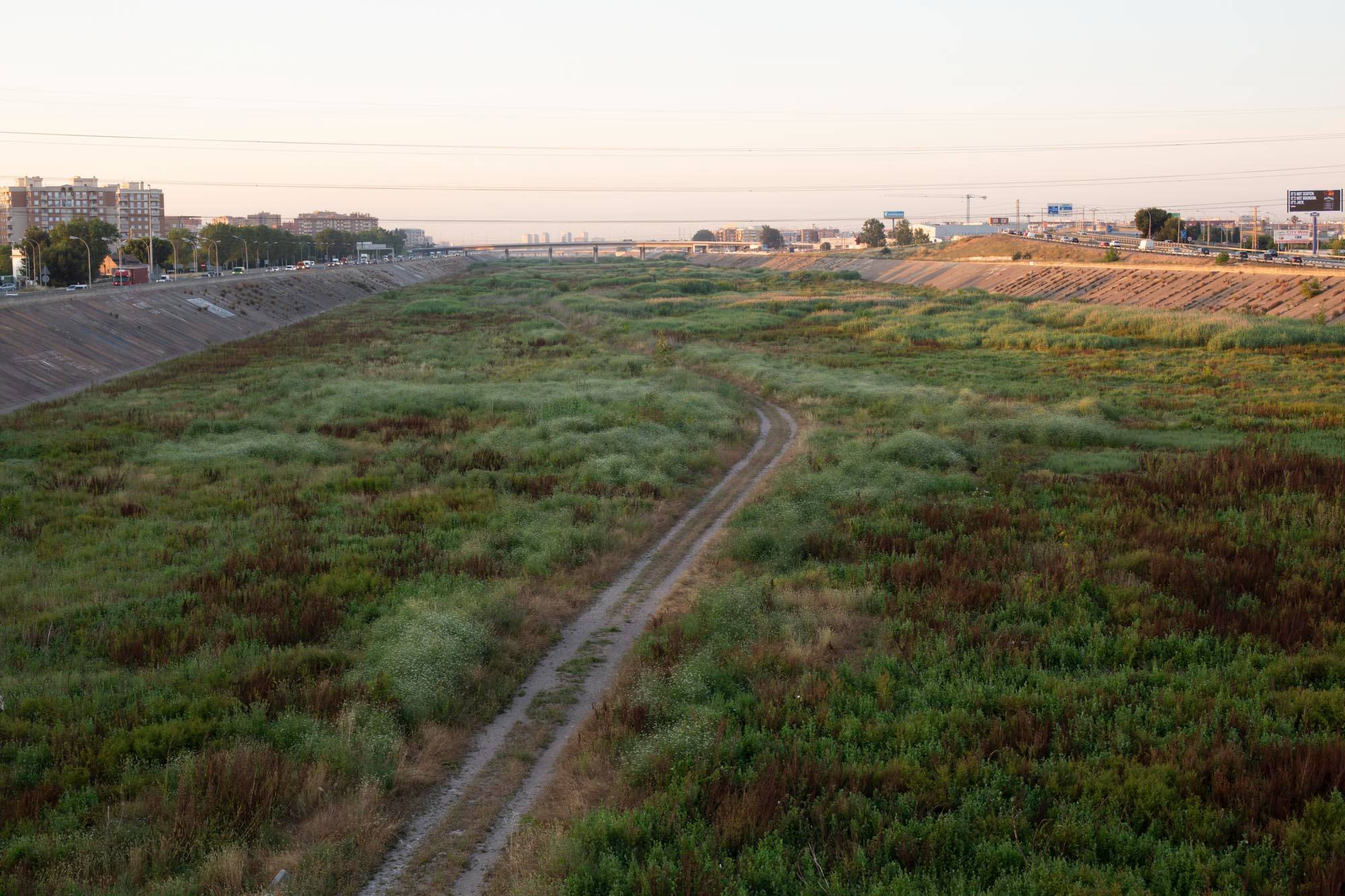
Jason Reblando, Riu Turia, archival pigment print, 2019.
Following Professor Ortega Reig’s advice, Nordman and Reblando “followed the water” to find subjects to photograph throughout the huerta, listening and looking for water flowing into the plots. In Reblando’s photographs, he uses a combination of environmental portraiture and landscape photography to tell a story about a place. “I place myself in a lineage of Walker Evans’ “documentary-style” photography -- rooted in socioeconomic fact -- but expressed creatively, subjectively. I like to think my working method is akin to creative non-fiction.”
All images are presented courtesy of the artist. To learn more about the artist, Jason Reblando, visit www.jasonreblando.com.
Explore more photographs by Jason Reblando in the GVSU Art Museum Collection.
Exhibition Resources
Learning Guide for Canal by Canal
Reading list for the exhibition "Canal by Canal"
This exhibit is no longer on display.
DeVos Center Wall Gallery, GVSU Pew Campus
July 8, 2022 - December 16, 2022
Lake Ontario Hall Wall Gallery, Allendale Campus
July 9, 2021 - January 6, 2022