

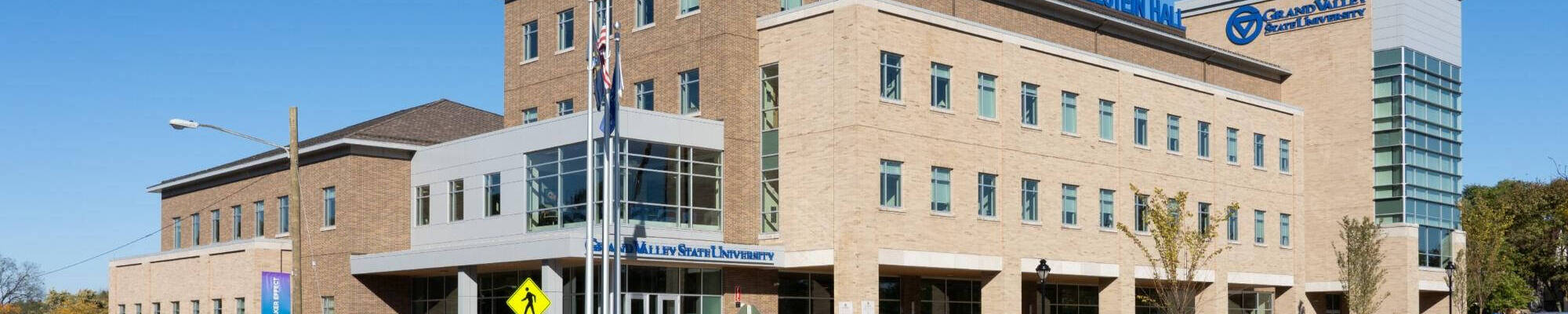
Programs
The School of Interdisciplinary Health offers thirteen programs in total across two degree levels.
At the bachelor's level, the school houses nine undergraduate programs: Allied Health Sciences, Cardiovascular Sonography, Diagnostic Medical Sonography, Applied Food and Nutrition, Health Information Management, Respiratory Care, Radiation Therapy, Medical Laboratory Science, and Recreational Therapy. With the exception of Allied Health Sciences, all undergraduate programs require a secondary admission process.
At the graduate level, four master's programs are offered, including Medical Dosimetry, Clinical Dietetics, Recreational Therapy, and Public Health.
Allied Health Sciences B.S.
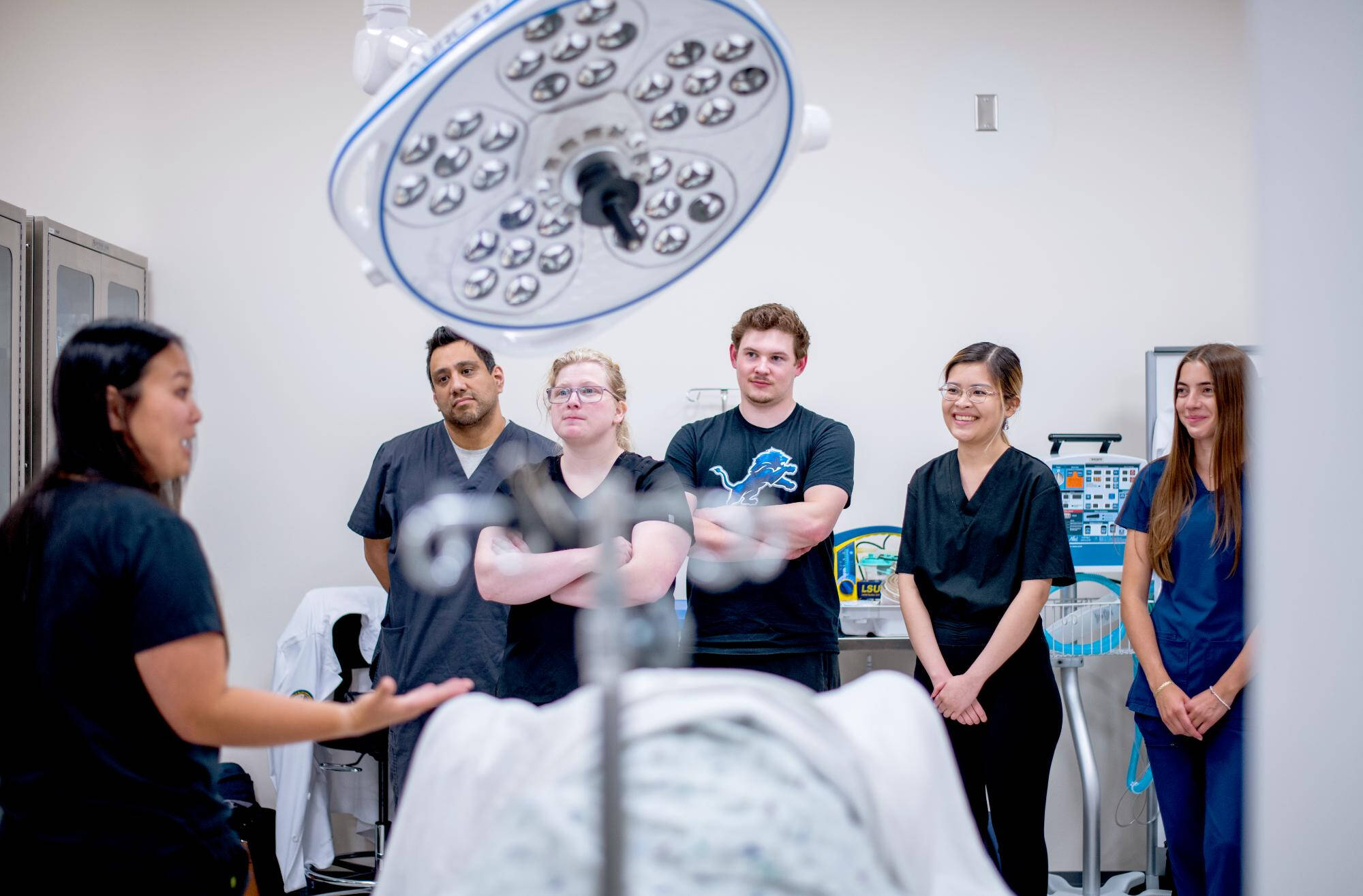
The Allied Health Sciences (AHS) program prepares students for graduate-level clinical and non-clinical programs and entry-level healthcare careers. AHS has multiple tracks or emphases, making it easy for students to find their place in the healthcare community and obtain the education needed to pursue their next steps, whether that be to enhance patient care at the bedside or through supportive roles, such as healthcare leadership, medical sales, and business. The program and faculty are intricately connected to the healthcare graduate programs to ensure AHS student success in fields such as physician assistant, physical therapy, athletic training, public health, and more.
Applied Food and Nutrition B.S.
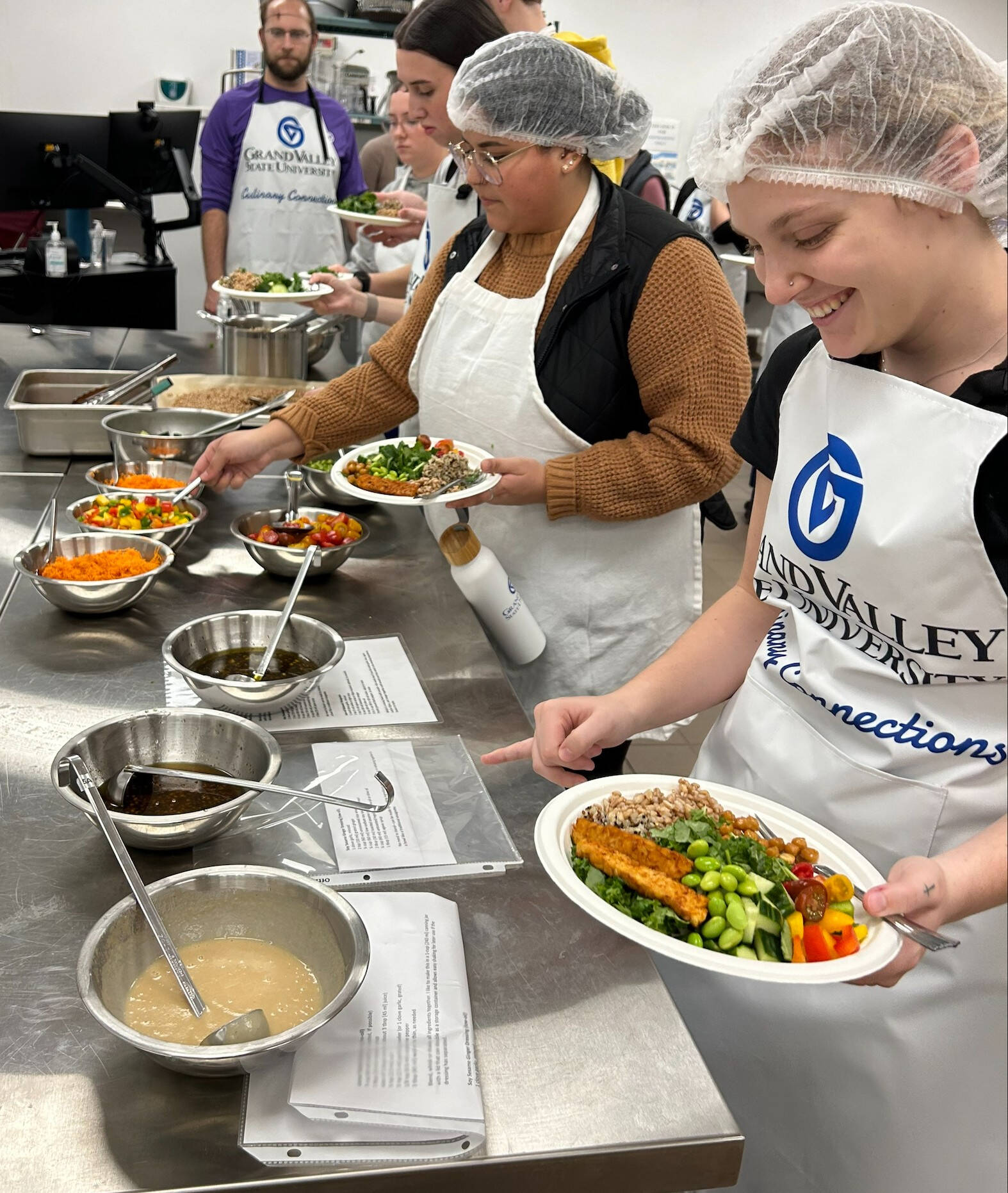
The Applied Food and Nutrition (AFN) program is an innovative bachelor's degree program that prepares students for graduate-level study in nutrition and dietetics, and employment in a variety of nutrition and health roles. AFN incorporates experiential learning through professional placement (practicum) courses, clinical skills practice in the GVSU Simulation Center, culinary laboratories in our commercial kitchen space, and other hands-on learning opportunities such as practicing food system sustainability at the GVSU Sustainable Agriculture Project.
Cardiovascular Sonography B.S.
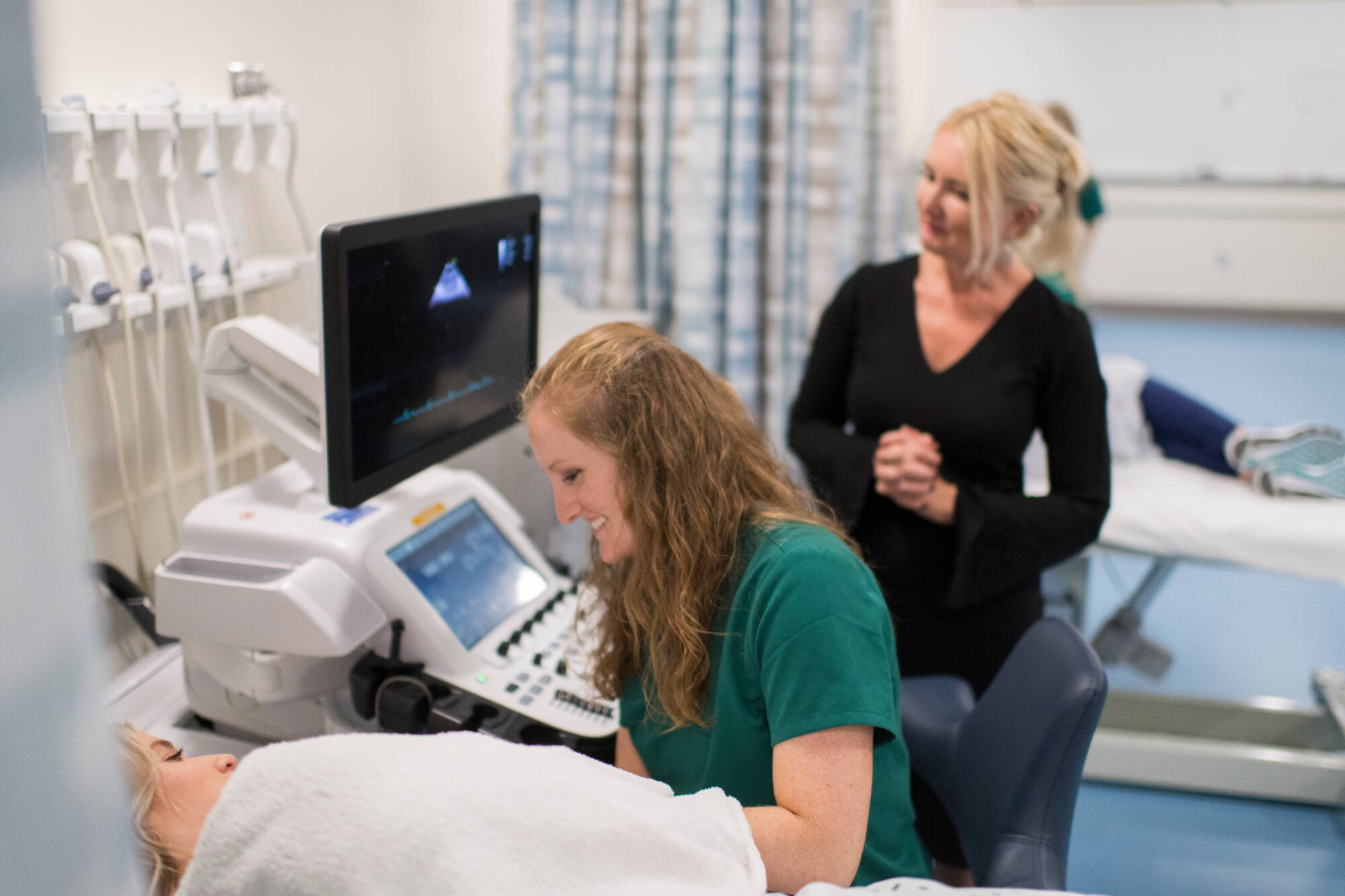
Cardiovascular sonographers are part of a healthcare team that focuses on the diagnosis and treatment of cardiovascular diseases. Cardiovascular sonographers utilize ultrasound to provide physicians with diagnostic images of the heart and vessels throughout the body. Ultrasound is a non-invasive imaging modality without radiation. Through ultrasound cardiovascular sonographers can provide a better understanding of heart structure and function as well as quantify blood flow throughout the body. Cardiovascular sonographers work directly with patients for the duration of each imaging exam and have the opportunity to work in a variety of healthcare settings.
Clinical Dietetics M.S.
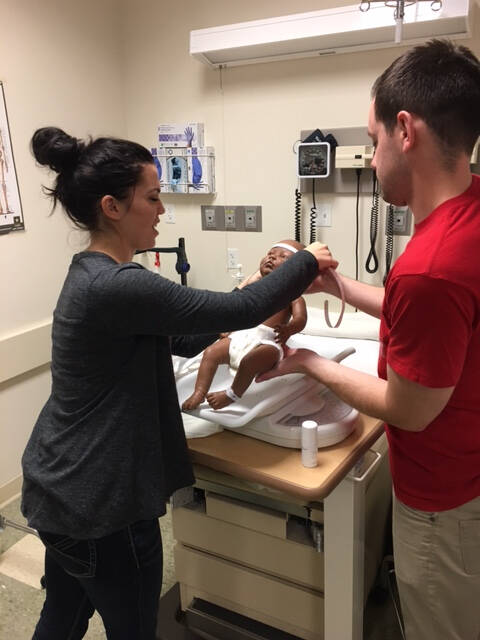
Grand Valley State University’s Clinical Dietetics Coordinated Graduate Program is accredited by the Accreditation Council for Education in Nutrition and Dietetics (ACEND). Our program is a cohort model that starts each fall, is full-time, and courses are hybrid, over five semesters. Students complete 52–55 credits and 1200 hours of supervised practice, which is arranged by clinical coordinators. Graduates earn a Master of Science in Clinical Dietetics and receive a verification statement, making them eligible to sit for the national registration exam to become a Registered Dietitian Nutritionist (RDN).
Diagnostic Medical Sonography B.S.
The Diagnostic Medical Sonography (DMS) program at Grand Valley State University prepares students for careers in diagnostic ultrasound imaging focused on the abdomen, obstetrics and gynecology, and related soft tissue structures. Diagnostic medical sonographers are part of a healthcare team that focuses on the diagnosis and evaluation of diseases and conditions affecting abdominal, pelvic, obstetrical, gynecologic, and superficial structures of the body. Diagnostic medical sonographers utilize ultrasound to provide physicians with real-time diagnostic images that assist in patient care and clinical decision-making.

Health Information Management B.S.
Health Information Management (HIM) is the backbone of modern healthcare—where data meets patient care. HIM professionals ensure that health information is accurate, secure, and accessible when and where it’s needed. From managing electronic health records to supporting clinical decision-making, improving patient safety, and ensuring regulatory compliance, HIM plays a vital role in every healthcare setting. Powering quality care through trusted data.
Blending expertise in healthcare, technology, analytics, and privacy, HIM professionals turn complex data into meaningful information that drives better outcomes. Whether behind the scenes or at the forefront of innovation, they help healthcare organizations run efficiently while protecting what matters most—patient information.
Medical Dosimetry M.S.
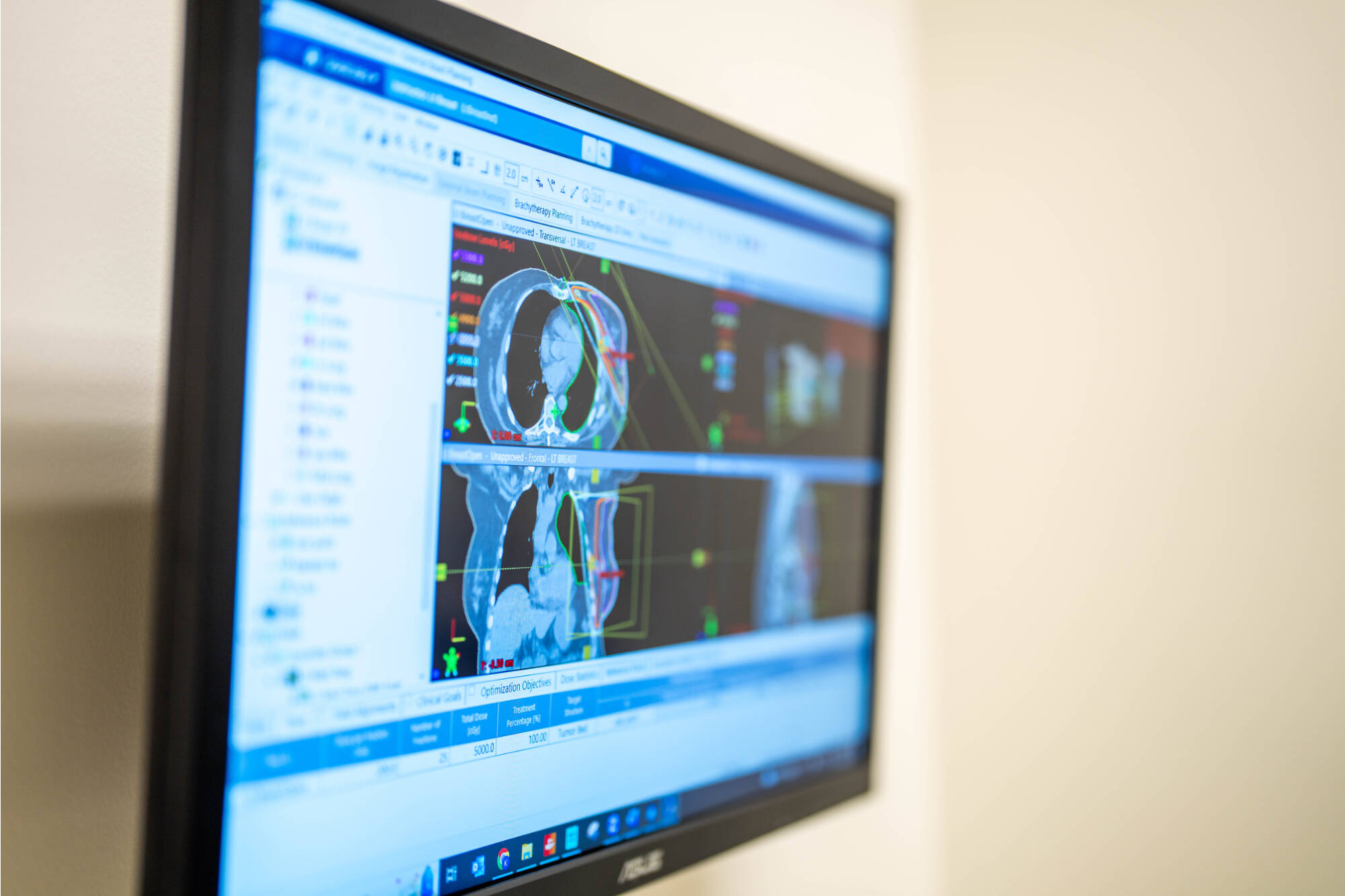
The Medical Dosimetry graduate program at Grand Valley is designed to give the student wishing to become a medical dosimetrist and earn an M.S. degree the opportunity to use some of the most cutting-edge technology in the field. The curriculum is a research-based graduate program that prepares dosimetrists to be leaders in the field of medical dosimetry and radiation oncology.
Medical Laboratory Science B.S.
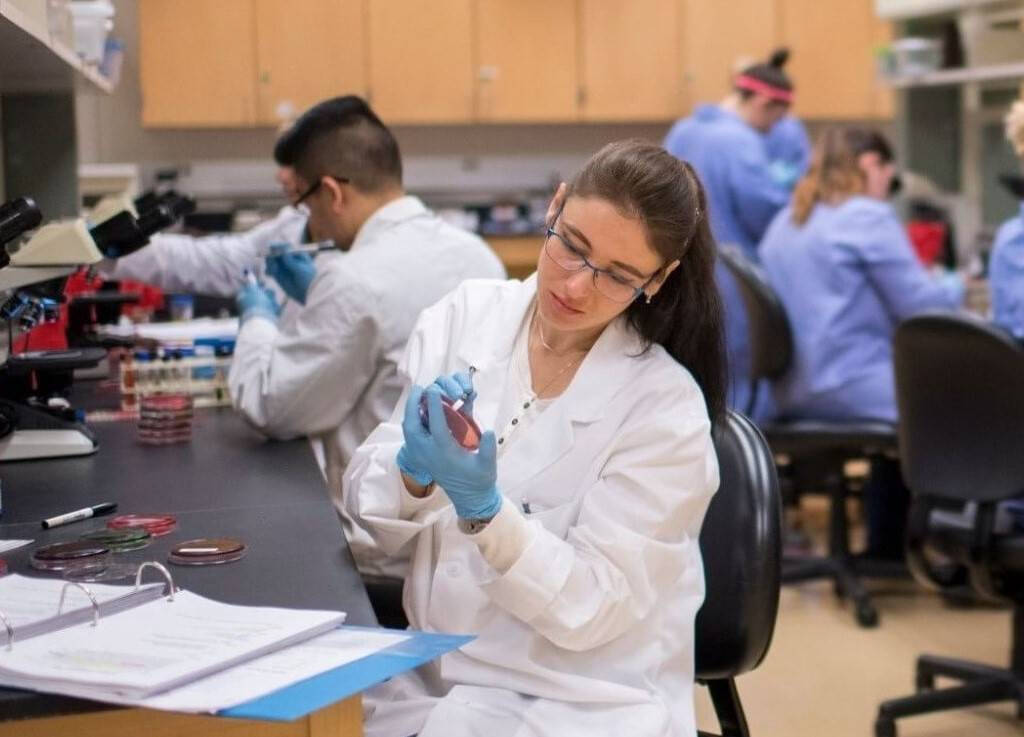
The Medical Laboratory Science program prepares future healthcare professionals who play a vital role in the detection, diagnosis, and treatment of disease through hands‑on laboratory science. Students learn in state‑of‑the‑art teaching labs with clinical instrumentation, access modern simulation spaces, and complete immersive didactic and clinical rotations guided by experienced faculty and current MLS professionals.
Public Health M.P.H.
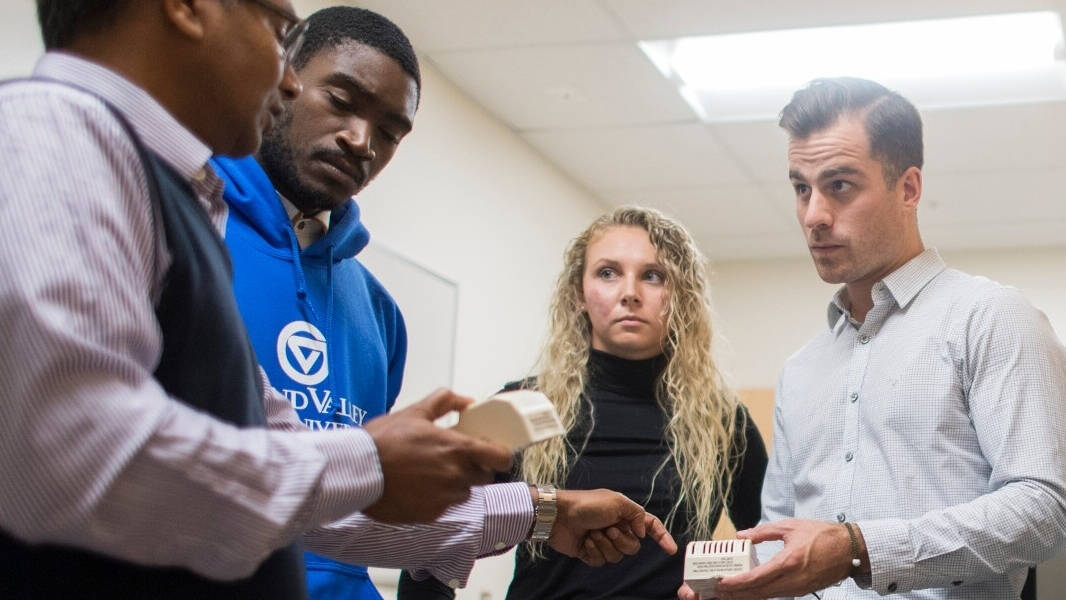
Public health is the science and practice of protecting and improving the health of communities through education, policy-making, and research for disease and injury prevention. Grand Valley's Master of Public Health (M.P.H.) program offers a comprehensive and collaborative approach to improving population health and healthcare. Accredited by the Council on Education for Public Health, the program provides a unique online/hybrid format to accommodate diverse student needs. The curriculum emphasizes community-based education and research, preparing students to become leaders in public health practice and promoting social justice and excellence.
Radiation Therapy B.S.
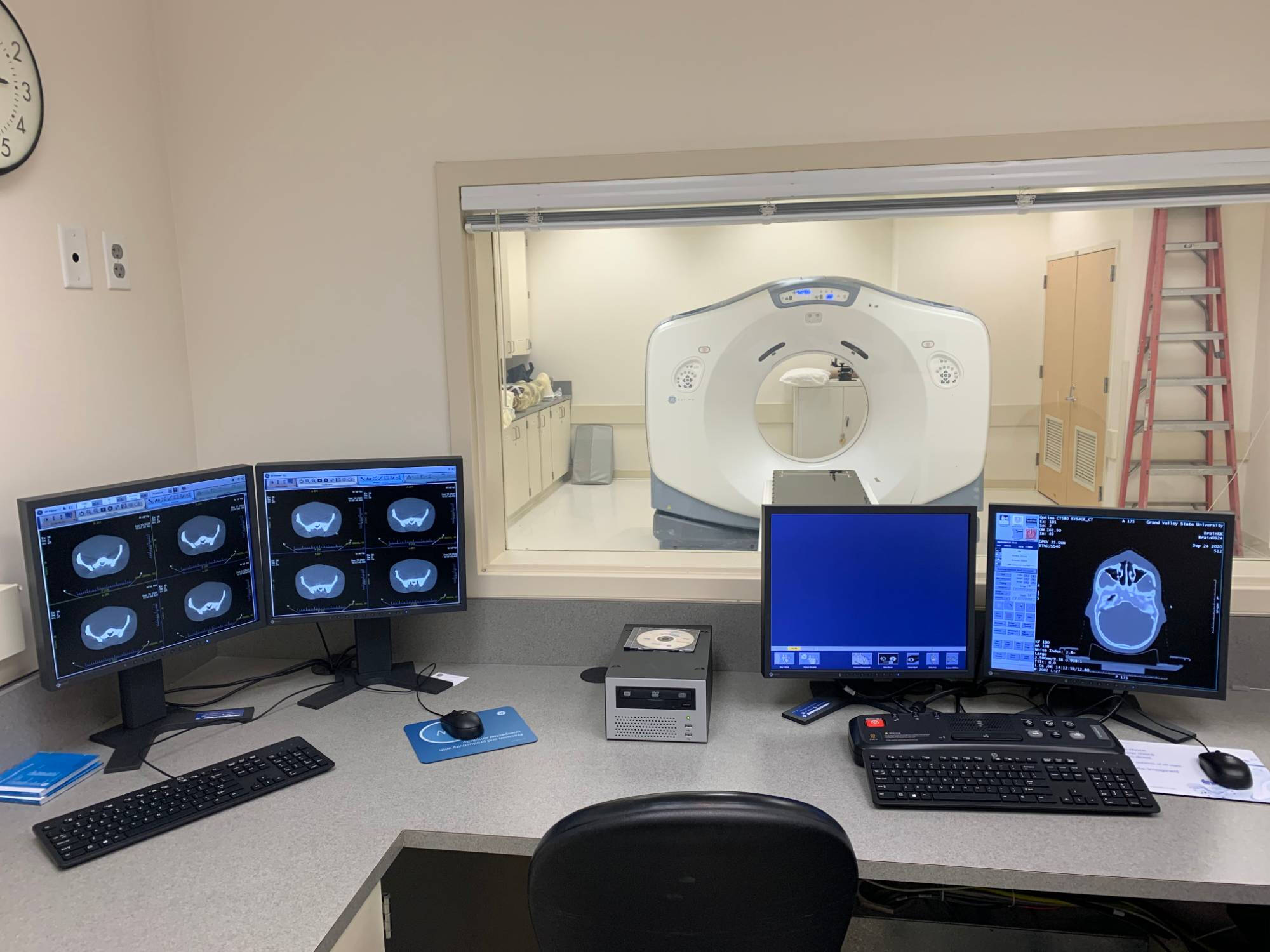
Radiation therapy is a health care discipline that utilizes ionizing radiation for the treatment of mostly malignant diseases. Radiation therapists are health care professionals skilled in the art and science of radiation treatment delivery. The radiation therapy program is designed to prepare students for the technical, theoretical, and psychological aspects of this career. The program provides a unique learning environment which includes state of the art equipment. By recruiting the help of highly qualified Radiation Oncology faculty, students acquire skills necessary to become successful Radiation Therapists.
Recreational Therapy B.S.
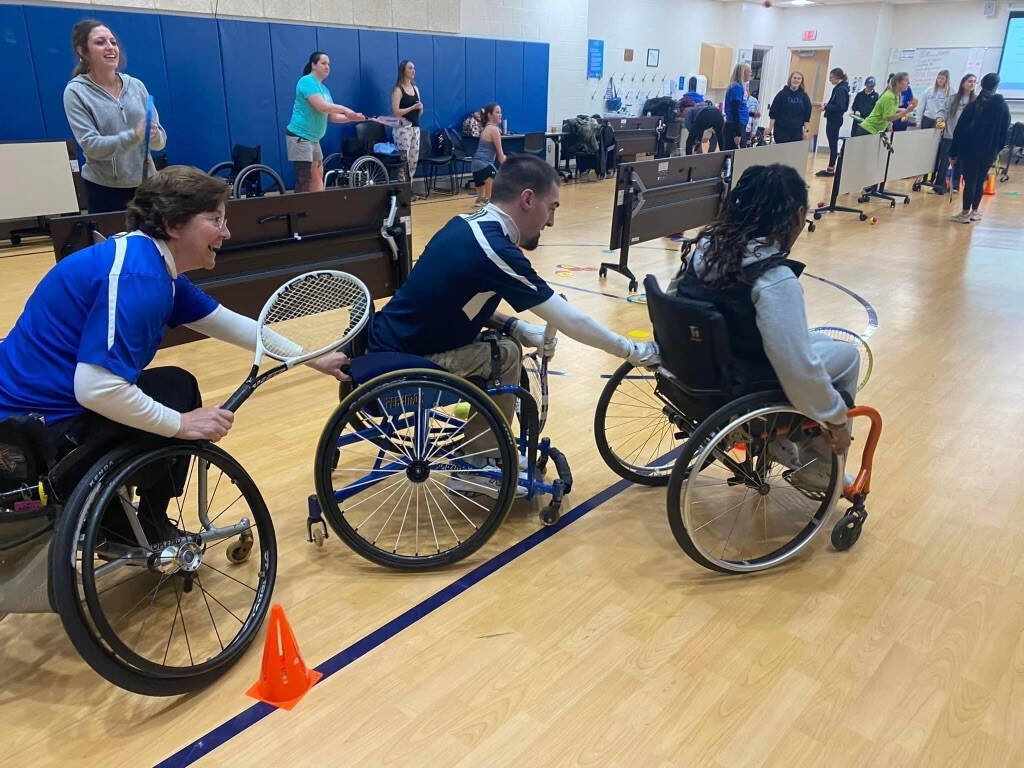
Recreational Therapy (RTX) is health profession that uses recreation and experiential activities and interventions to improve the health, functional abilities, quality of life, and wellbeing of people with disabilities, chronic conditions, and adverse life experiences. GVSU offers a Bachelor of Science degree, a combined degree BS/MS degree, and a Master of Science degree in Recreational Therapy. The GVSU Recreational Therapy program is national recognized, CAAHEP-CARTE accredited, and only one of two US programs that offer an advanced practice master's degree.
Recreational Therapy M.S.
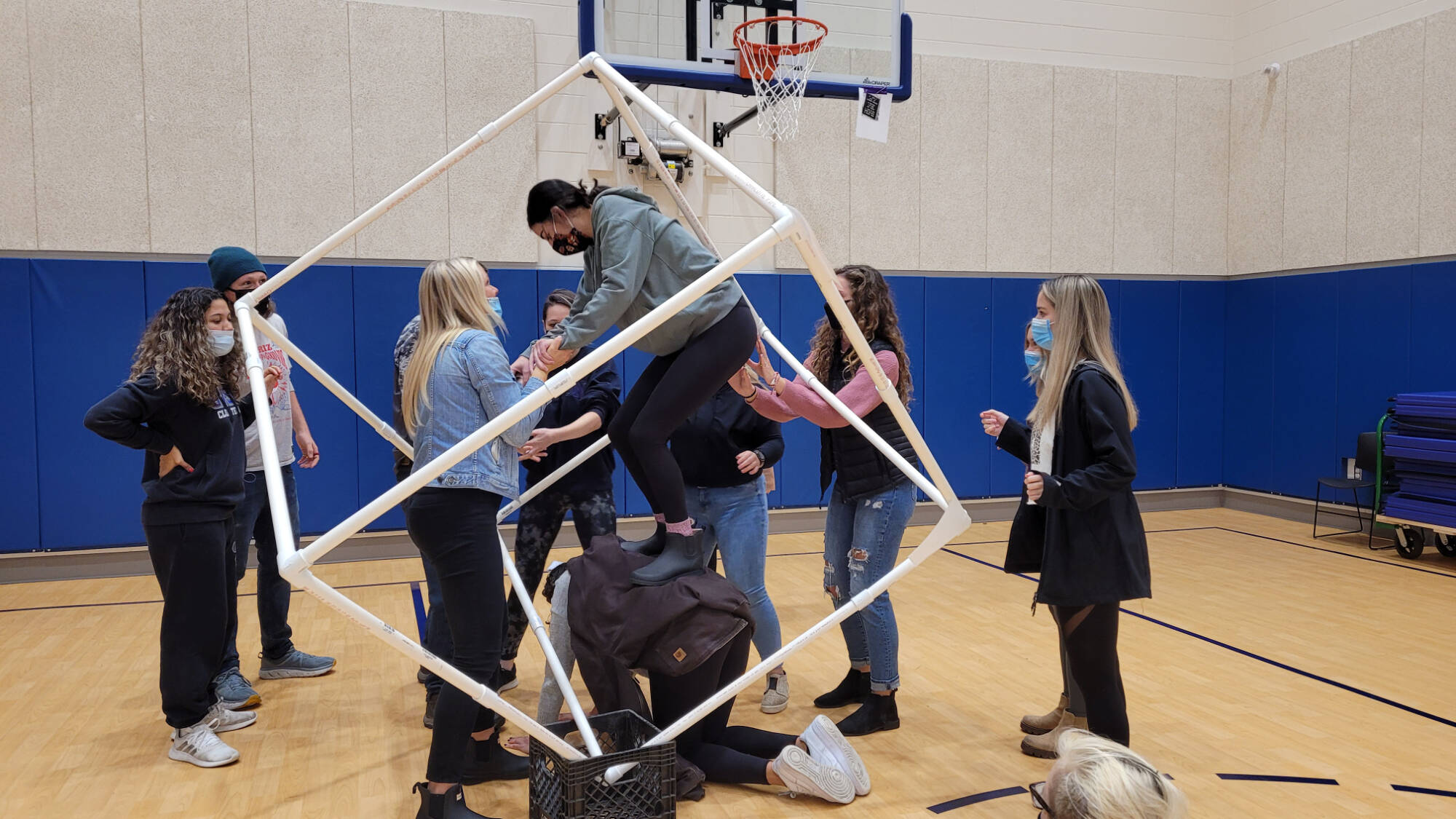
The MSRT is an advanced practice master's degree offering individuals who are already Certified Therapeutic Recreation Specialists the opportunity to develop advanced clinical and management skills. MSRT students have a recreational therapy background allowing the course content to dive deeper into clinical, management, and research skills to elevate practice.
Respiratory Care B.S.
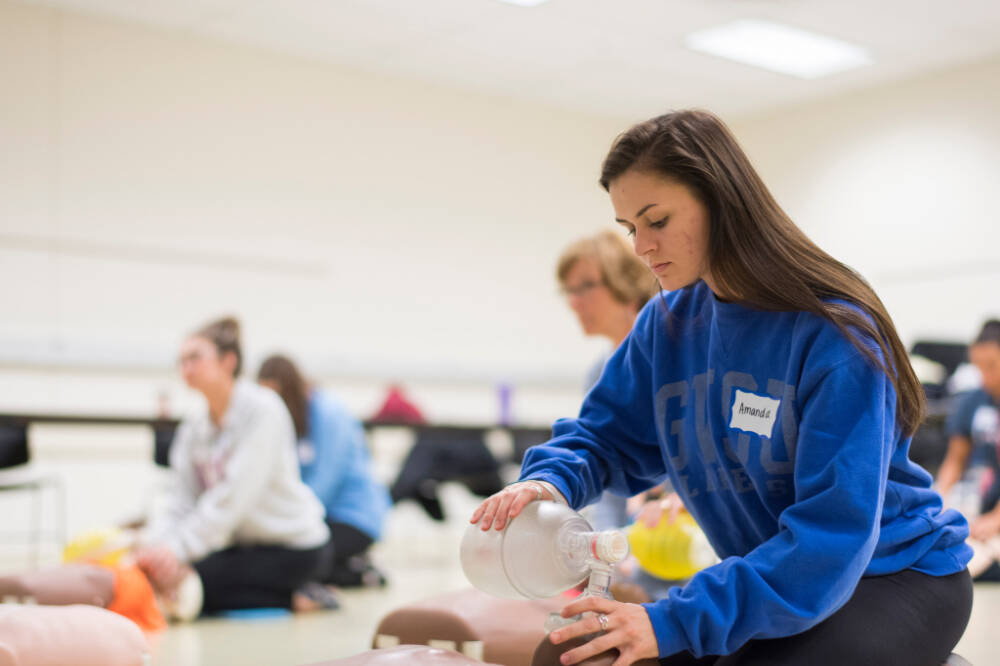
Respiratory care is an allied health profession whose practitioners focus on the diagnosis and treatment of cardiopulmonary disorders and diseases. A respiratory care practitioner (RCP) is a credentialed medical professional who can be instrumental in assisting a physician in the diagnosis, treatment, and prevention of a wide spectrum of disorders affecting the heart and lungs, and specializes in the application of scientific knowledge and theory to practical, clinical problems of respiratory care. Also known as respiratory therapists (RTs), RCPs are qualified to assume primary clinical responsibility for all respiratory care modalities, and are an integral part of today’s multidisciplinary health teams. They must enjoy working with people and providing direct patient care to those of all ages, from neonatal to geriatric.