

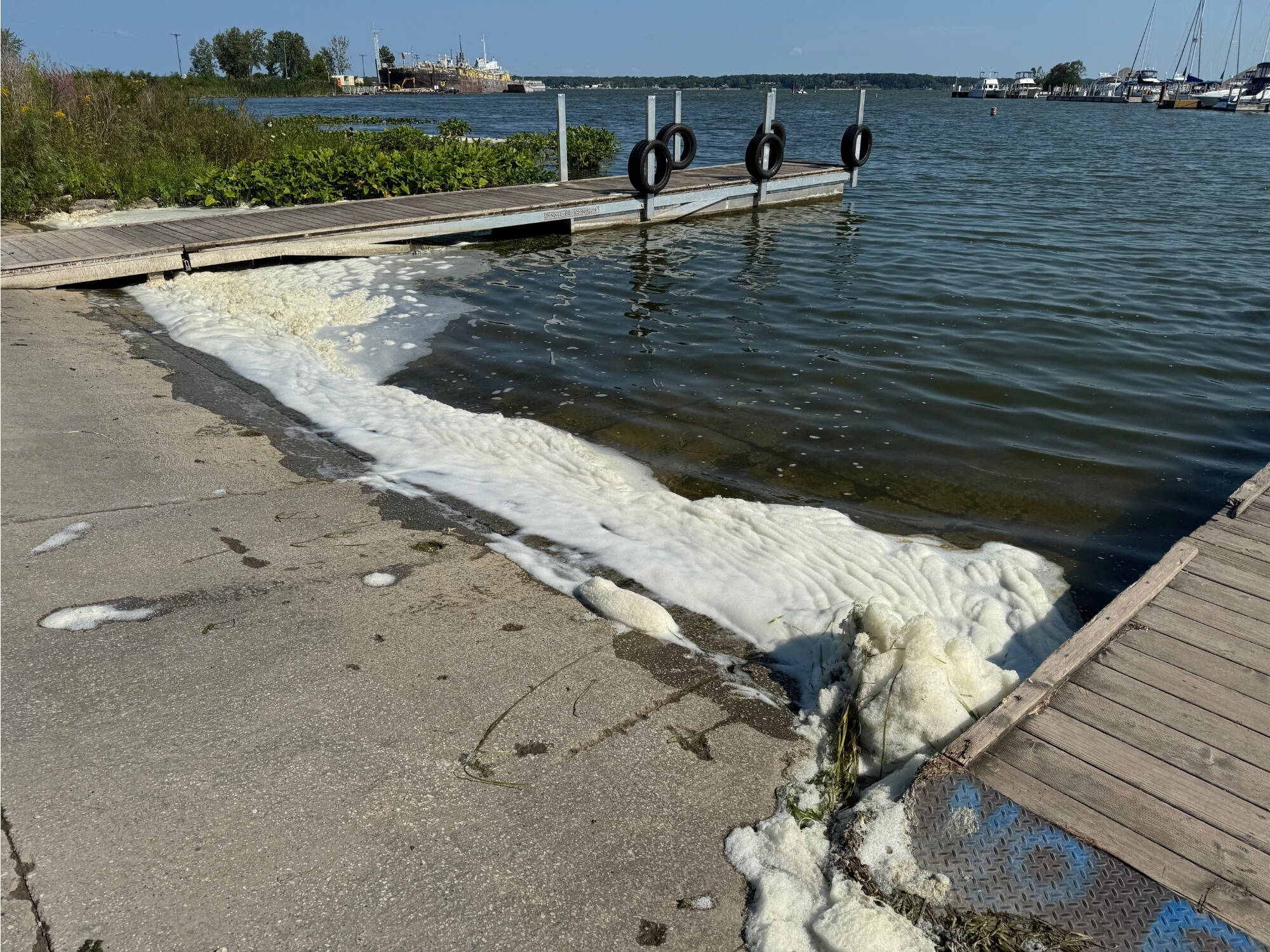
What is PFAS
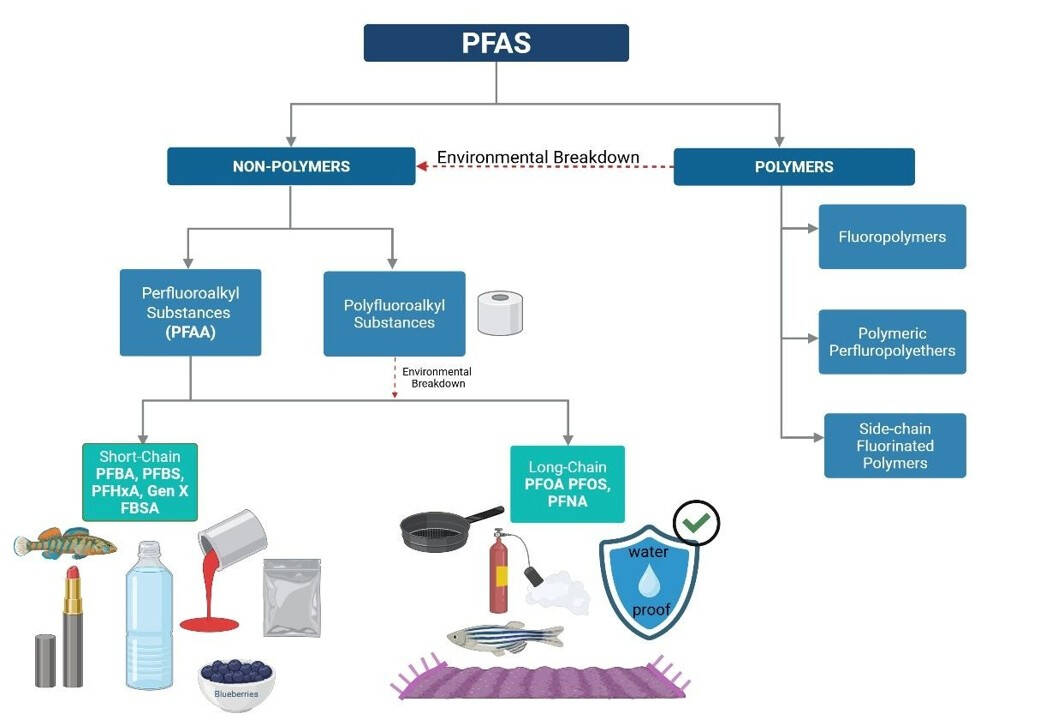
PFAS, or per- and polyfluoroalkyl substances, are a large group of synthetic chemicals that have been used since the 1940s to enhance the performance of everyday items, including non-stick pans, stain-resistant fabrics, firefighting foams, coatings, and food packaging. Because they are designed to resist heat, water, and oil, they don’t break down easily and can build up in the environment and our bodies. There are over 15,000 chemicals classified as PFAS, and they are divided into polymer and non-polymer categories:
- Polymers are long chains of smaller molecules that can be used as coatings, insulating fluids (used in lithium batteries), or formed into materials and parts. They are inert and may pose a hazard when the PFAS polymer chains break down to smaller groups in the environment.
- Non-polymer PFAS are small, synthetic compounds that do not form large, repeating molecular chains like their polymer counterparts. These include perfluorooctanoic acid (PFOA) and perfluorooctanesulfonic acid (PFOS), which are known for their high mobility in the environment and potential to accumulate in living organisms. A newer PFAS formulation, GenX , was designed not to bioaccumulate, but air pollution from its production has contaminated blueberries and other produce. Non-polymer PFAS are often found in firefighting foams, food packaging, and water-repellent treatments, and are associated with various health concerns due to their persistence and bioaccumulative nature. PFAS additives in toilet paper can breakdown to form PFOA and impact septic tanks and wastewater systems.
PFAS have been found in our soil, water, air, and even in people’s blood across the U.S. People are most often exposed by consuming contaminated water and food, or using products made with PFAS. Scientists have linked these chemicals to health problems like hormone changes, liver damage, cancer, weakened immune systems, and concerns about brain development, especially in children. The State of Michigan has a website dedicated to informing the public about PFAS hazards, contaminated sites, and what residents can do to protect themselves from these chemicals.