PFAS Exposure
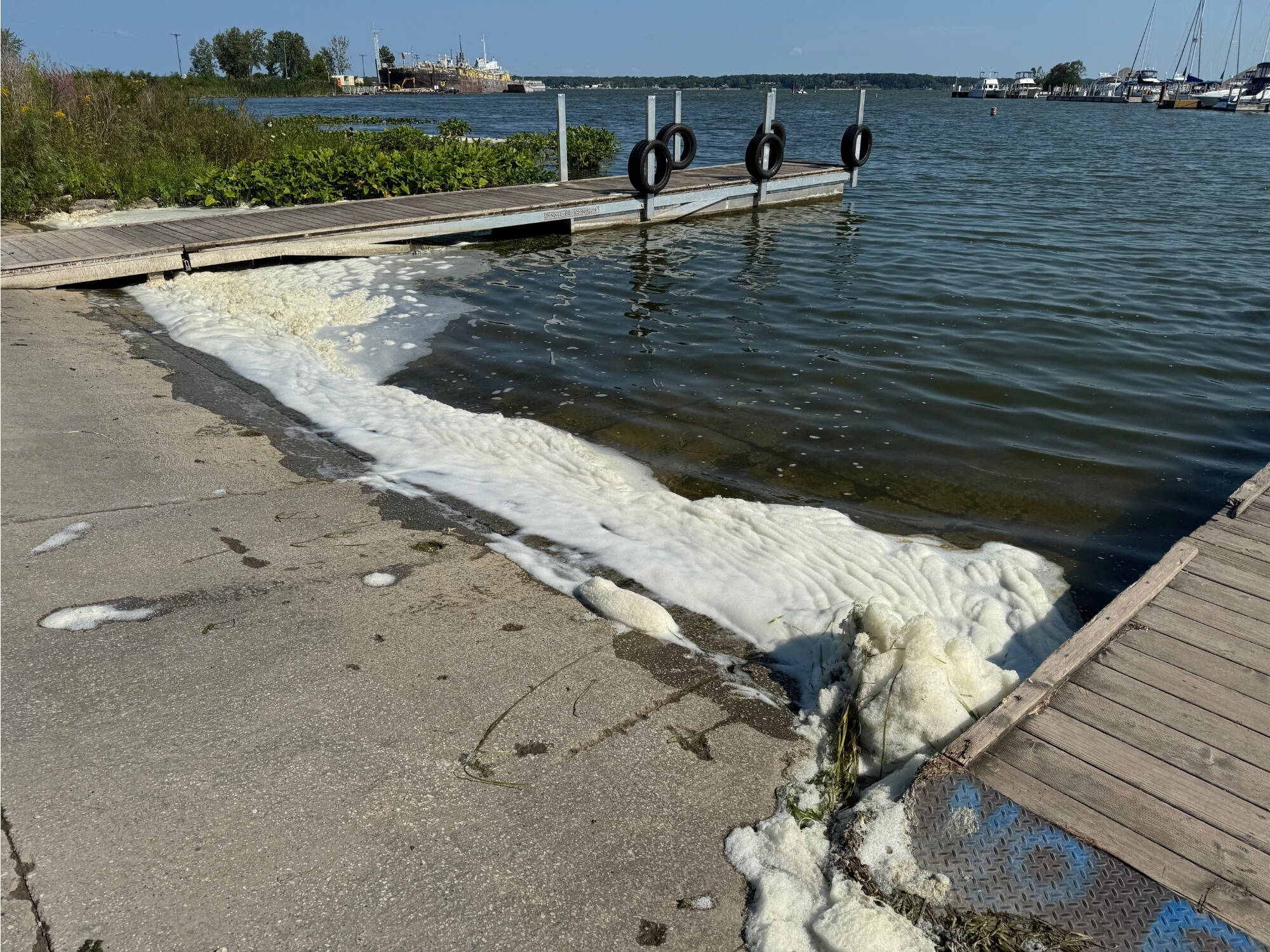
PFAS contamination is widespread throughout the environment and living organisms. The same chemical properties that make PFAS useful industrially also make them persistent environmental contaminants. PFAS molecules contain extremely strong carbon-fluorine bonds that resist natural breakdown processes, while their water-soluble nature allows them to spread easily through groundwater, rivers, and drinking water systems. This combination means PFASs accumulate in the environment and increase exposure opportunities across multiple pathways.
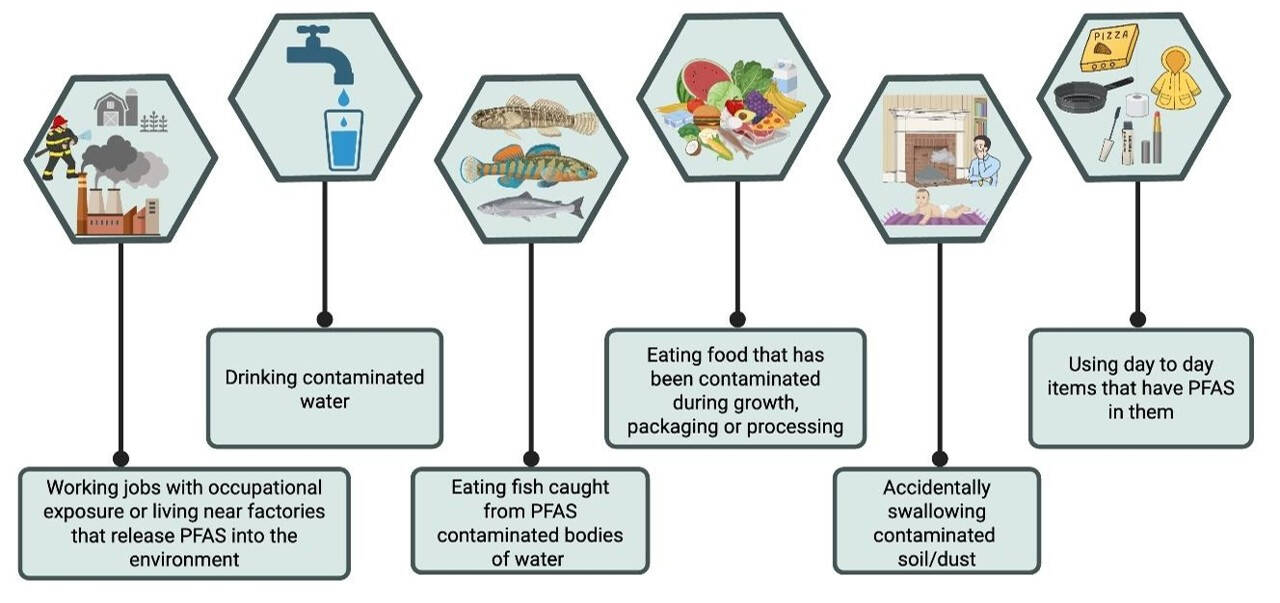
- Occupational Exposure can occur in the manufacture of PFAS chemicals and products. In addition, Firefighters, Healthcare Workers, and First Responders were found to have elevated levels of PFAS in their blood due to the use of protective clothing, the application of firefighting foam, and contact with specialized equipment. Electroplating workers and waxing technicians also have elevated exposures.
- Drinking water represents the primary exposure pathway, accounting for more than 90% of PFAS exposures. The Michigan PFAS Exposure Health Study (MiPEHS) found significant associations between PFAS exposure in Northern Kent County, MI, and decreased thyroid hormone levels and elevated blood concentrations. Elevated blood levels were also correlated with drinking water exposure from a paper mill in Parchment, MI, and concentrations increased with years of exposure.
- Food contamination represents another significant pathway, particularly through fish consumption. Michigan currently has 93 waterbodies with Do Not Eat Fish advisories. The Michigan Department of Health and Human Services has updated guidelines for fish consumption for PFAS. PFAS was also found in root vegetables and protein rich foods.
- We are exposed to PFAS in our homes through the inhalation of dust from paints, carpets and upholstery. Children have a higher exposure due to hand to mouth contact. To limit your exposure, consider using a variety of PFAS free products.
While research continues to clarify the significance of PFAS exposure routes, protective measures are available. Certified water filtration systems can effectively remove PFAS from drinking water, and following updated fish consumption guidelines helps minimize dietary exposure. Understanding PFAS exposure pathways remains a research priority, particularly regarding the effects of duration, chemical mixtures, and individual susceptibility factors. In the meantime, staying informed about PFAS and taking these steps can help reduce exposures.
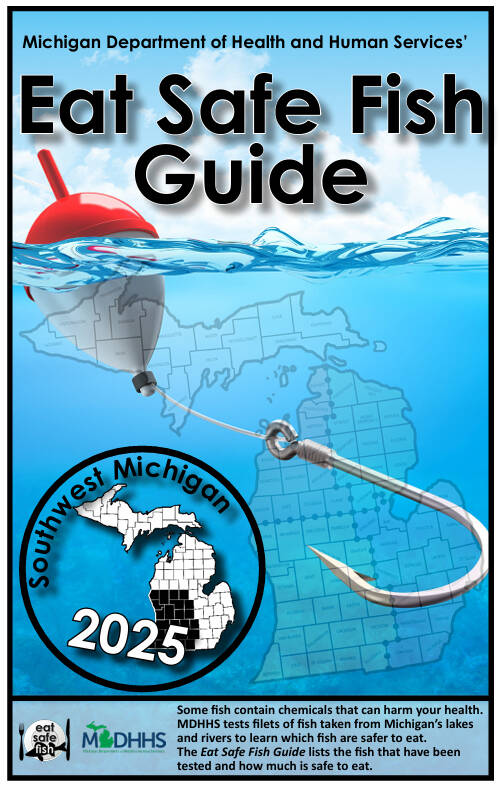
The Michigan Department of Health and Human Services (MDHHS), Michigan Department of Natural Resources (DNR), and Michigan Department of Environment, Great Lakes, and Energy (EGLE) coordinate to collect and test fish, white-tailed deer and other wild game for PFAS.
Michigan Department of Health and Human Services’ Eat Safe Fish Guide: Muskegon pg 88- 92