
PCE News
OSH Class Recognized For Use of AI Within A Project
July 10, 2026
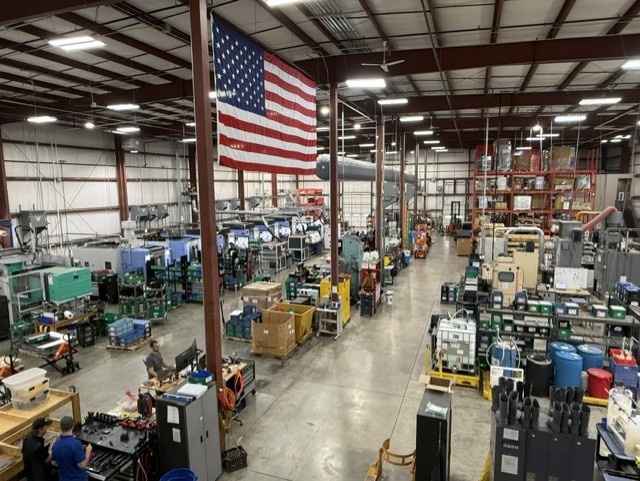
A class of GVSU Occupational Safety and Health (OSH) students are being recognized for how they used AI to not just answer questions but to design real-world, long-term solutions they provided for a local company.
Affiliate Professor Courtney Aloul’s OSH 440 Safety and Health Program Development class spent the Winter semester building a safety program for Tekton, a family-owned hand tool company based in Grand Rapids. Tekton is growing quickly and found the partnership with GVSU as an excellent option to speed up the design and implementation of their safety programs.
During the first half of the semester, the students developed smaller scale programs and training materials, then after spring break got to put all of that into action by completing a full package of an environmental health and safety program for Tekton. During the development period, the students got to be on site at the company and ask questions, acting as consultants and getting real-world hands-on learning while collaborating with the Tekton team members that would ultimately be the end user of the policies and training programs that were developed.
The OSH students were able to do this through their work with StepoAI, an AI-powered safety platform that specializes in high-risk industries. StepoAI recently highlighted the work of the GV students as a strong case study for their enterprise. Aloul says she’s been working with AI for a few years and started using StepoAI this year. She says the closed source system was a key tool to prepare students for the modern world and make them more appealing to potential employers.
“This project is the kind of experiential learning that sets OSH and GVSU apart,” said Aloul. “Using AI as a tool instead of a short cut is what employers are looking for and we’re proud to be recognized for our work and to be able to serve our community.”
Jesse Hager, Tekton Manufacturing Process Control Specialist and a GVSU alum, says the training materials and support materials the students created have allowed him to quickly implement the safety plan, which is already paying dividends.
“More safety shows more care for our people,” added Hager.
With demand outpacing supply for EHS roles, both Aloul and Hager say the ability to use technology to create a solution that is consistent and permanent is crucial to improving workplace safety.
“Rapidly identifying and correcting gaps in our safety plan has positively changed our culture and made for a safer workplace,” said Hager.
“AI isn’t doing the work, our students are using AI as a tool to create more impactful work and provide greater benefit to our community,” said Aloul. “I look forward to seeing that grow in the years to come as we connect with more companies.”