Sacred sites are living spaces of deep meaning, memory, and relationship, created and cared for by communities whose histories, practices, and values deserve attentive listening. The information shared here invites visitors to approach these places not as destinations to be consumed, but as communities to be honored. Through context, reflection, and practical guidance, the Kaufman Interfaith Institute aims to support such visits grounded in humility, responsibility, and gratitude for the knowledge generously shared by those who steward these sacred spaces.
This page acts as a general "How-To" guide for those seeking to visit sacred places with care, curiosity, and respect, and is divided into three sections:
- Know Before You Go
- During Your Visit
- Reflections After-the-Fact
Whether you're planning on venturing to a new space on your own or joining us on one of our monthly tours of local sacred spaces, we hope you will find this guide useful!
To See Our Next Sacred Site Visit, Jump to Our Events Page.


Know Before You Go
As you're determining which site you're going to visit, consider the following:
- What is your prior experience with or exposure to this tradition? What do you already know?
- What is your intention for visiting this sacred site? What do you hope to understand or experience? What are you most curious about?
- Do you have any concerns or anxieties about visiting this sacred site? Where do those concerns or anxieties come from? What can you do to address them before you visit?
- Are you planning to visit while the site is in use (e.g. during a service), or during downtime (as in a private tour)?
- If visiting during a service, please keep in mind that some communities may prefer advance notice for visitors. Also, some sites may have hours when they are open to the public. In general, it never hurts to do a little research and/or connect with the community in advance!
- Also, be aware that during a service, community members may have less time to answer questions as they, too, are present to experience the sacredness of the space.
- If you intend to bring a group, we'd recommend organizing with the host community to visit during downtime so there will be time and space for questions.
- If visiting during a service, please keep in mind that some communities may prefer advance notice for visitors. Also, some sites may have hours when they are open to the public. In general, it never hurts to do a little research and/or connect with the community in advance!
In our experience, host communities love answering questions from their guests! Consider familiarizing yourself with some of the terms and phrases you may hear by looking up the tradition and community you're planning to visit. Knowing the name of central practices, texts, symbols, or important figures provides a great springboard into further conversation with your hosts.
This can also help you orient yourself in the physical space while you're there. For example, learning in advance that Muslim communities typically divide up by gender during services may help you find a more comfortable spot from which to observe.
It is a good idea to familiarize yourself with some of the basic expectations of the site regarding what to wear.
- Typically, we'd suggest erring on the conservative side when dressing for a visit - e.g. covered shoulders or long sleeves and long pants for both men and women.
- Many sites will expect you to remove your shoes at the entrance, so wearing socks is usually a good idea.
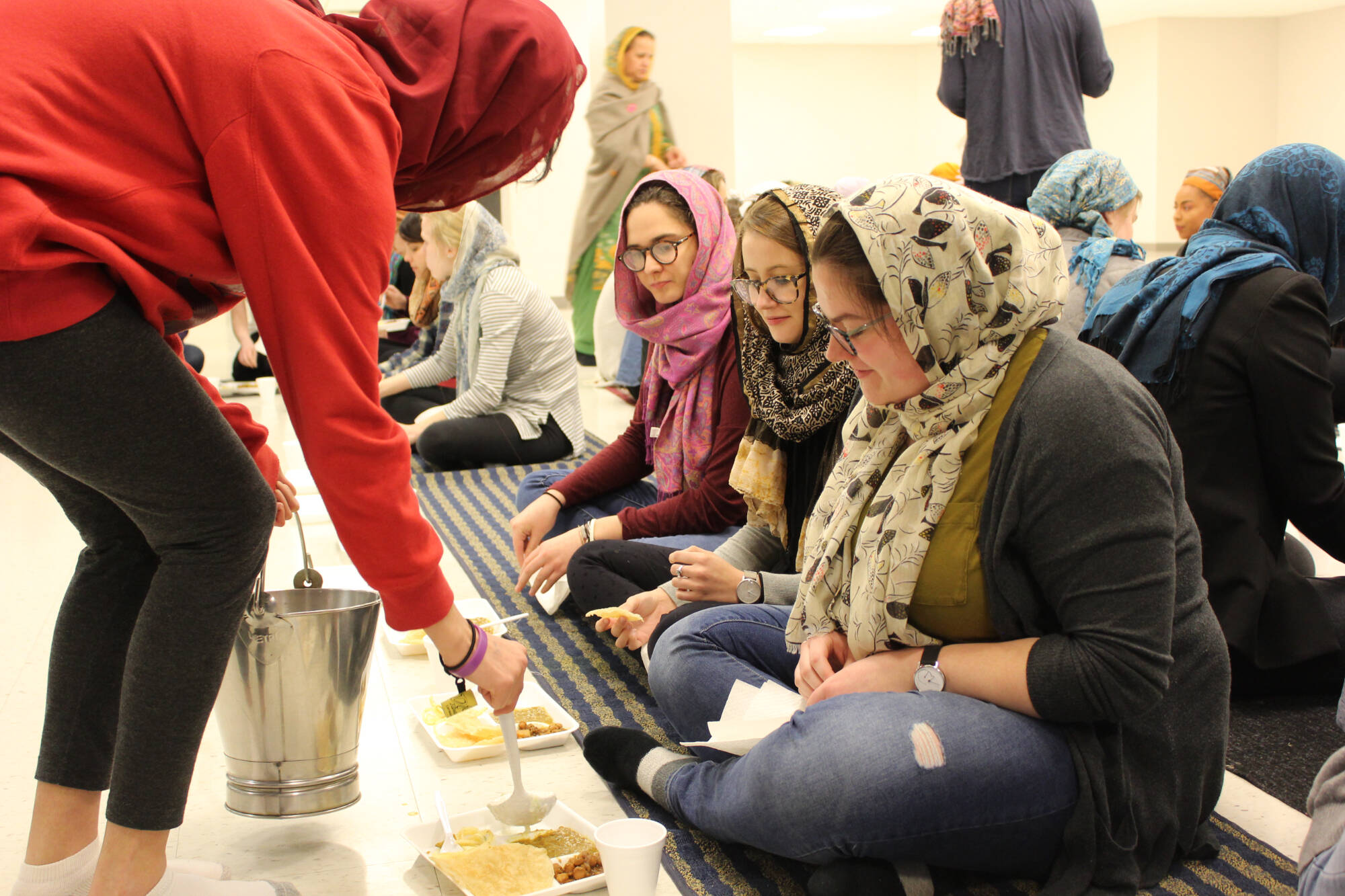
- Similarly, some sites may ask visitors to cover their heads upon entering. This can be as simple as a bandana for men and a scarf for women. The Kaufman staff recommends refraining from hats or hoods for these head coverings, if you can. Some sites will have some coverings available for guests to use, but not all of them do. Best practice would be to bring your own.
- Remember, you can always contact the site ahead of time with any questions or to clarify their expectations.
*Pro tip from the Kaufman staff - if you're visiting a Sikh house of worship, known as a gurdwara, come hungry! It is fairly standard practice to share a vegetarian meal together (known as langar) when visiting.*
Islamic Cultural Center Behar

During the 2025-26 academic year, Kaufman partnered with Interfaith Photovoice to create a series of videos introducing sacred communities in the West Michigan area.
This video of the Islamic Cultural Center Behar is one of 7 in the series.
During Your Visit
A good place to begin when we think of etiquette for while we're in sacred spaces is the Golden Rule - if this were your place of worship, how would you hope visitors acted?
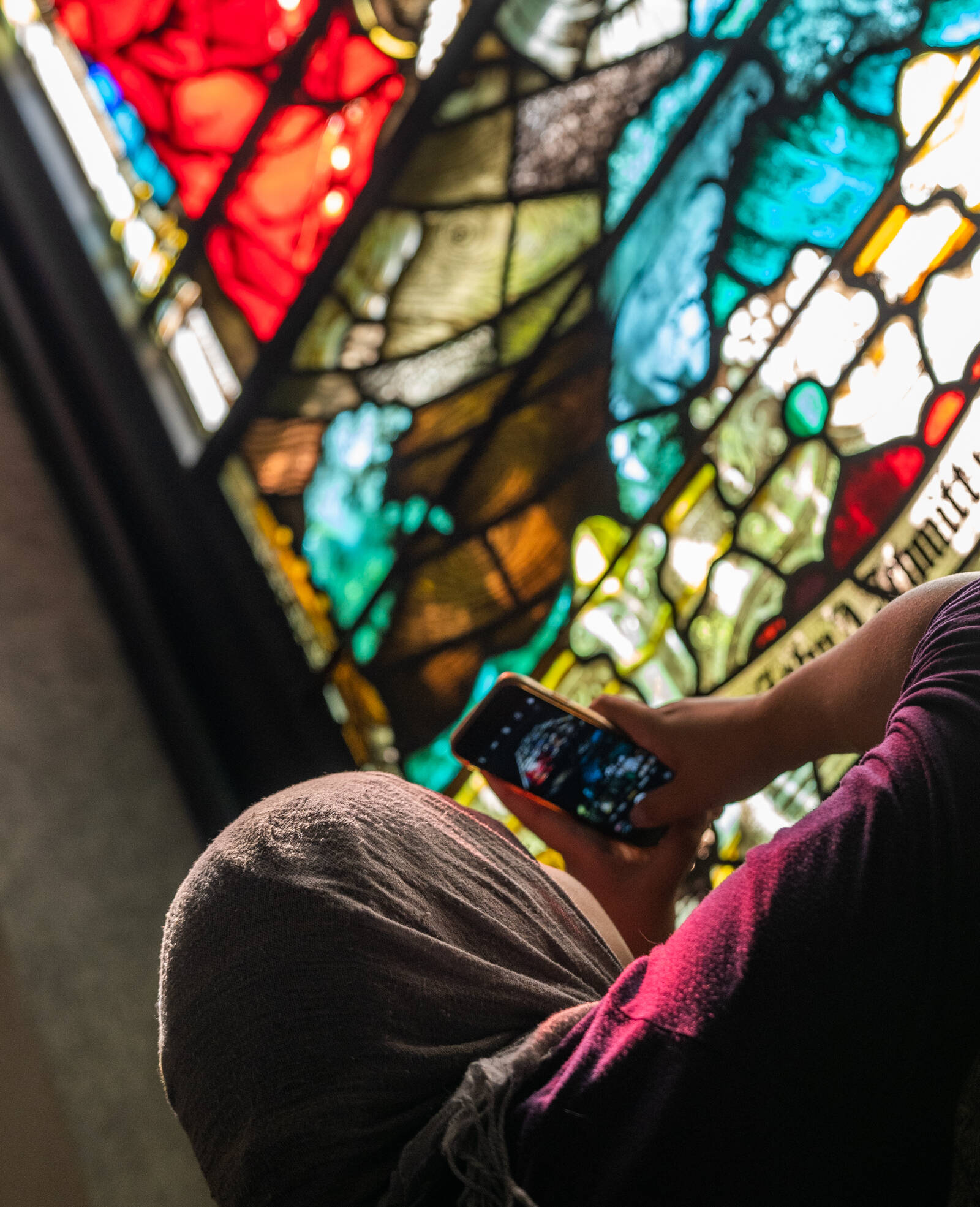
- Please be sure to keep your phones on silent, especially if you are visiting while the space is in use.
- Ask your hosts about whether or not photography is allowed before taking any photos.
- Be mindful of those utilizing the space.
- Obey posted signage and instructions from your hosts. Be conscious of the spaces you can enter and those which are off-limits to the public.
- Refrain from bringing in food or drink and having loud conversations.
- Last but not least, the host communities may encourage you to participate in acts or rituals as a part of your visit. Remember that this should be viewed as an invitation, not a mandate, to participate. Politely declining is well within your rights. Lean in only as you're comfortable!
- Location: Consider where the site is located in the larger context of the city. What can you learn about the site based on how the building appears from the outside, from any flags that may be flying, from its parking lot, its surrounding neighborhood?
- Form & Function: Take stock of the physical space and its architecture. How is the space formed, and what is the purpose underlying its design? How do people move through the space (sitting, standing, moving, etc.)?
- Sights: What catches your eye when you enter the space? What images are you presented with, or is there a noticeable lack of imagery? What colors are present? How is light used? What symbols are used, and how?
- Smells, Sounds (and Silences), Touches, Tastes: How are your other senses engaged in the space? Are there recognizable scents you can place, or perhaps unfamiliar smells? Whose voices are heard? Is there music or chanting? What objects if any do you get to interact with or hold, and why? Is food a part of the sacred experience for this community? If so, for what purpose?
Reflections After-the-Fact
In reflecting upon your visit, consider these questions to guide a group discussion or to ponder individually:
- What was it like to cross the threshold into this space? How did it feel to leave?
- Did anything about this visit challenge or reaffirm what you knew about this community prior to your visit?
- Did you notice any points of comparison to your own tradition or background - similar themes or practices? Perhaps some noticeable differences?
- How would you describe the emotional experience of your visit? What stories do your emotional experiences reveal?
- What lingering questions do you have for this community?
Some possible next steps include:
- Sharing about your experience - Take the time to tell folks in your circles about what you've learned. Encourage curiosity in others!
- Seeking out dialogue spaces - While a visit is a wonderful introductory experience, the beauty of interfaith lies in conversation and interpersonal interactions. Dig deeper and seek out spaces of connection where folks from different traditions are likely to be present. The Kaufman Institute offers a number of events throughout the year that are open to the wider public!
- Visiting during a service - If you visited as a part of private tour and would like a way to connect further, consider attending a service and experience the space in use for its intended purpose, surrounded by participants experiencing the sacred. Again, sites may require advance notice, so communication with the community is key!