

Meadow Brook Elementary

Project Description:
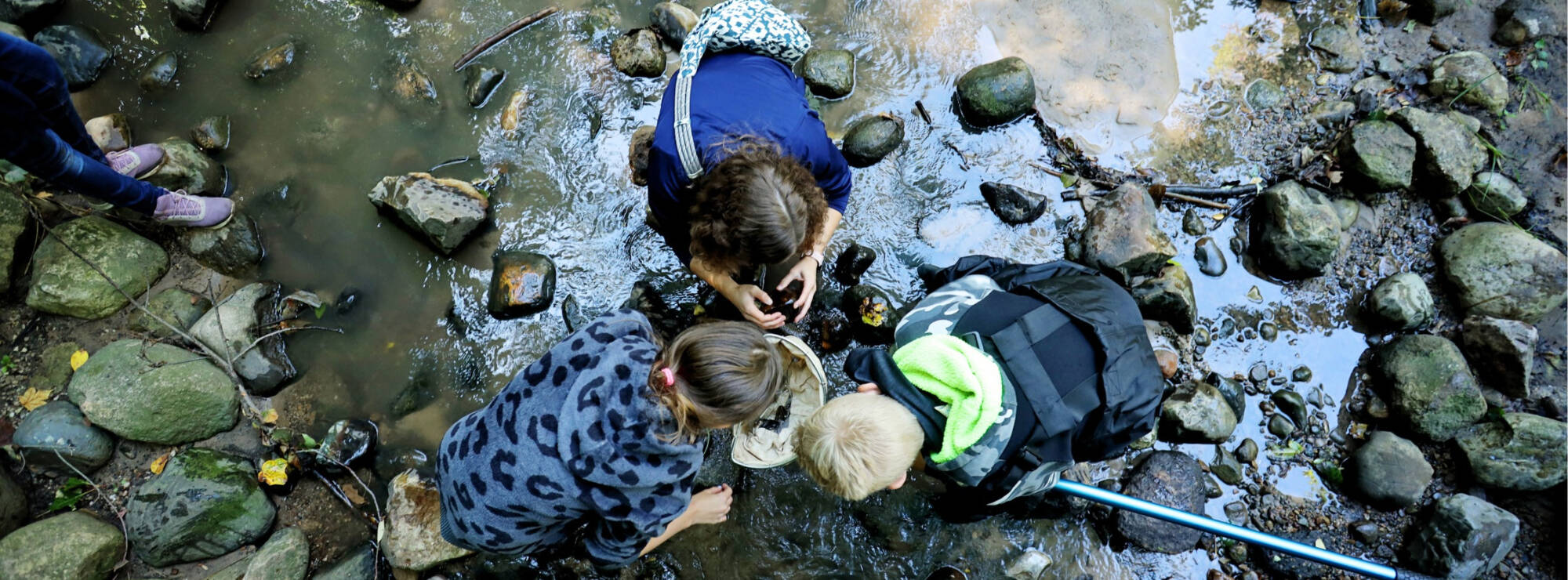
Our project demonstrated the impact the Grand River and ultimately the Great Lakes has on their school. With the support of community partners and student organizations, third- and fourth-grade students monitored the school's watershed through a site inventory, stream sampling, runoff collection, and land management in order to return the property at Meadow Brook to its original ecosystems (woodlands, wetlands, and meadow). Students also collected data, analyzed findings, and presented results about the impact of their work to the community. As stewards of their land, students were actively involved in decision-making and planning service learning. They initiated, organized, and implemented place-based learning activities.
Fostering Lifelong Stewardship:
Students understand how the scientific method can be used to measure human impact on the environment.
Partners:
Koetsier's Greenhouse, Ada Township Parks, AbonoChar
Teachers:
3
Students:
134
Funder:
National Oceanic and Atmospheric Administration
Showcase Video:
https://www.youtube.com/watch?v=18-uw2odI28
Project Description:
With the support of community partners and student organizations, third- and fourth-grade students monitored the school's watershed through a site inventory, stream sampling, runoff collection, and land management activities to return the property at Meadow Brook to its original ecosystems (woodlands, wetlands, and meadow). Students used this information to restore creek banks damaged by erosion, eradicate invasive species throughout woodland and wetland areas, and add wood chips back to hiking paths. Students also collected data, analyzed findings, and compared data from fall to spring. Students also composted lunchroom waste with the aide of worm composting as a way of limiting nonpoint source pollutants from lunchroom waste getting into the water. The vermicompost will be returned to the property as a way of restoring soil health, improving plant growth and water quality. As stewards of their land, students were actively involved in decision-making and planning service learning. They initiated, organized, and implemented place-based learning with school-wide and community activities.
Fostering Lifelong Stewardship:
Students can communicate to their community the importance of being stewards of their watershed and to help make decisions that improve their quality of living.
Partners:
Ada Parks and Recreation, Koetsier's Greenhouse, VermiChester, Plarn
Teachers:
2
Students:
62
Funder:
Great Lakes Stewardship Initiative
Showcase Video:
https://www.youtube.com/watch?v=iCj9l0O779E
Project Description:
This project made a positive impact on the Grand River and ultimately the Great Lakes. With the support of community partners and student organizations, third- and fourth-grade students monitored our school watershed through a site inventory, stream sampling, runoff collection, and land management activities to return the property at Meadow Brook to its original ecosystems (woodlands, wetlands, and meadow). Students used this information to learn about the importance of restoring creek banks damaged by erosion, eradicate invasive species throughout woodland and wetland areas, and add wood chips back to hiking paths. Students collected and analyzed data and compared data from fall to spring with other sites downstream. Students composted lunchroom waste with the aid of worm composting. The vermicompost restored soil health, improving plant growth and water quality. As stewards of their land, students were actively involved in decision-making and planning service learning. They initiated, organized, and implemented place-based learning with school-wide and community activities by placing signs on storm drains, distributing door hangers to inform neighborhoods, and reporting findings to classmates. Students participated in the final dedication of a nature center building at Camp Manitou-Lin in memory of a peer and support of the family who lost their child and completed water sampling on the site.
Fostering Lifelong Stewardship:
Children have learned that they can make a difference in the place that they live and see how they are connected to the Grand River, the Great Lakes, and beyond. Children can teach others and practice sharing their knowledge by demonstrating examples of how they eradicated invasive species on school grounds, cleared brush from Plaster Creek to slow erosion on the banks, and promote citizen awareness of ways to stop water runoff and NPS pollution running into storm drains from the Plaster Creek and Great Lakes watershed. Children also learned how to cultivate compost and vermicompost through worm farming to restore soil quality. Additionally, with a new partnership with Camp Manitou-Lin, students now recognize the importance of building relationships beyond their school through art and stream sampling. Students also can collect plastic grocery bags, instead of filling landfills or even recycling, and make them into Plarn for weaving into mats to be sent to Haiti.
Partners:
Ada Parks and Recreation/Roselle Park, Koetsier's Greenhouse, VermiChester, Plarn, Camp Manitoulin, Willem’s Discovery Place, Driftless Forestry Consultants
Teachers:
2
Students:
54
Funder:
Baldwin Foundation
Showcase Video:
https://www.youtube.com/watch?v=skoZfs2UZVo
Project Description:
With the support of community partners and student organizations, third- and fourth-grade students monitored our school watershed through a site inventory, stream sampling, runoff collection, and service learning activities to educate nearby neighborhoods to return the property at Meadow Brook to its original ecosystems (woodlands, wetlands, and meadow). Children designed an observation platform in the wetlands. Student designs included places for student observation and research about the wetlands and Little Plaster Creek. Students were a part of teams to remove invasive species throughout woodland and wetland areas, and add wood chips to hiking paths. Students also collected and analyzed data, and compared data from fall to spring. Students also collected data from Roselle Park. Students composted and weighed lunchroom waste to collect data to compare amounts of NPS pollutants from fall to spring. Vermicompost was returned to the property as a way of restoring soil health, improving plant growth and water quality. As stewards of their land, students became actively involved in decision-making and planning service learning. They initiated, organized, and implemented place-based learning with school-wide and community activities by placing markers on storm drains, door hangers in neighborhoods, and reported findings to the student council.
Fostering Lifelong Stewardship:
This project encouraged lifelong stewardship by providing children the opportunity to explore the world around them and taught them that they can make a difference in their community. Children can now teach others and practice sharing their knowledge by demonstrating examples of how they have participated in eradicating invasive species on school grounds, cleared brush from Little Plaster Creek to slow erosion on the banks, and promote citizen awareness of ways to stop water runoff and NPS pollution running into storm drains from the Little Plaster Creek and Great Lakes watershed. The project also provided an opportunity to teach children how to cultivate compost. Students can make Plarn for weaving into mats to be sent to Haiti and Guatemala.
Partners:
Ada Township Parks, Forest Hills Northern, Koetsier's
Teachers:
2
Students:
52
Funder:
Baldwin Foundation
Project Description:
Outdoor-learning wagons were designed and purchased for each grade level. The students became increasingly engaged with learning in their local environment, and this enthusiasm now drives students' learning outside.
Partners:
West Michigan Environmental Action Council
Teachers:
3
Students:
61
Funder:
Private Foundation
Showcase Video:
https://www.youtube.com/watch?v=Fx9BuMrb6zE&ab_channel=GroundswellMichigan