

Careerline Tech Center

Project Description:
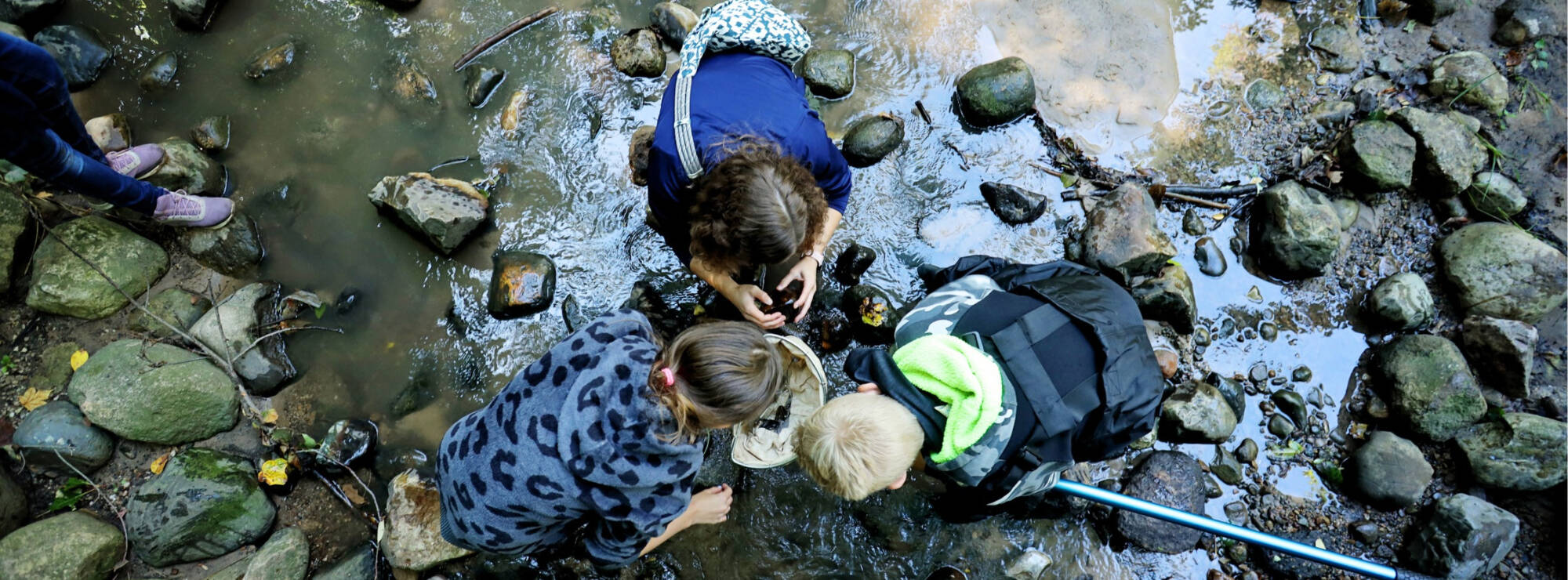
Students learned the SaltWatch protocol for monitoring water quality for road salt contamination. They also participated in gathering water quality data for the Ottawa County Conservation District as well as paving the way to install EnviroDIY Mayfly Data Loggers to upload continuous water quality data to Monitor My Watershed.
Fostering Lifelong Stewardship:
Students have increased knowledge of all the factors that affect water quality and are more likely to be involved in stewardship activities in the future, including volunteer days with Ottawa County Parks and Recreation (for example).
Partners:
Allegan County Conservation District, Ottawa County Parks and Recreation
Teachers:
Avril Wiers, Environmental Field Studies, 11th & 12th Grades
Students:
30
Funder:
Wege Foundation
Showcase Video: https://youtu.be/5chT8OTbApg
Project Description:
Two of our project ideas were selected for implementation. In the morning class, the project was three-fold: picking up trash, pulling invasive species, and planting native species for bank stabilization. In the afternoon class, students took stream bank stabilization to another level and suggested a soil bioengineering technique called brush layering, whereby willows and other fast-rooting plants can be planted in layers to improve bank stability. Working with Ottawa County Parks and Recreation, they suggested a site along the Pigeon River that was in desperate need of clean up. The site was a historical dump site from before the property was acquired by the Parks Department. Students worked together to pick up 1,360 pounds of trash! Then, they thinned a willow grove that was encroaching on a vernal pool and planted the willows in the stream bank to stabilize the former dump site.
Fostering Lifelong Stewardship:
Students definitely appreciate the impact that their actions make on the environment. Even though our efforts were probably not successful in reinvigorating brown trout populations (I chose a big picture idea on purpose so that students could see how complicated environmental issues are), students can feel good about the clean up efforts that they accomplished. Additionally, I believe the Parks staff made such a positive impact on the students that students may also end up volunteering on invasive species removal days in the coming years!
Partners:
Zealand Robotics Team - BOB, Ottawa Conservation District, Ottawa County Parks and Recreation, Outdoor Discovery Center, USDA NRCS
Teachers:
Avril Wiers, Environmental Field Studies, 11th & 12th Grades
Students:
30
Funder:
National Oceanic and Atmospheric Administration (NOAA)
Showcase Video: https://youtu.be/fq5eQjpGP-g?si=MOFr0HOtd-rL_SvO
Project Description:
Lake whitefish populations in Lake Michigan are declining in size and abundance due to food web disruptions, invasive species like dreissenid mussels, and habitat degradation. tudents investigated these changes through data analysis, field sampling, and historical research, exploring how ecological and human factors shaped the fate of this culturally and economically important species.
Teachers:
Avril Wiers, 11th & 12th
Students:
53
Funder:
Teaching Great Lakes Literacy
Showcase Video: https://youtu.be/-elvJWeIEp8?feature=share