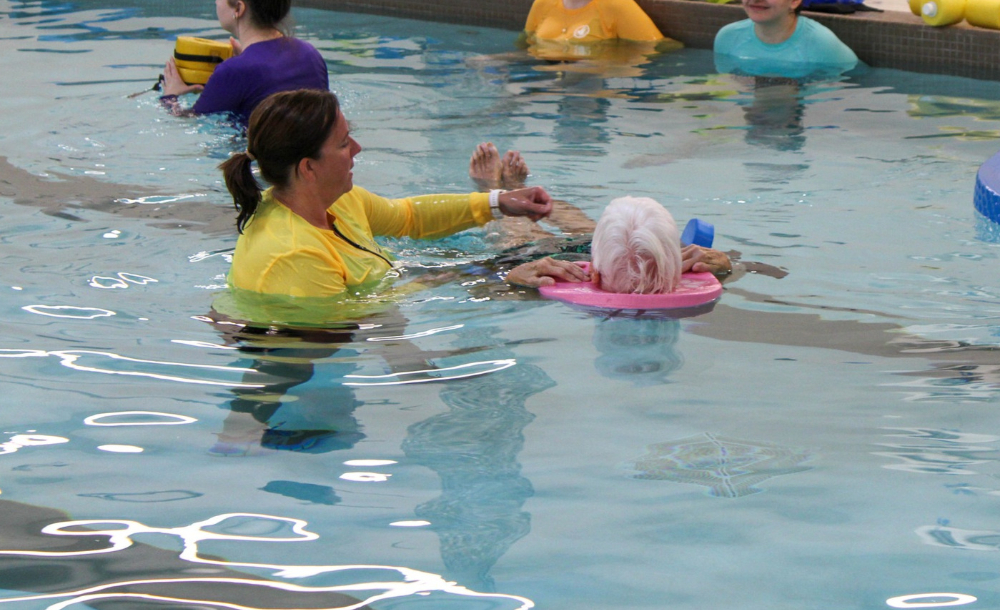
Recreational Therapy celebrates its 50th anniversary this year.
It's the only master's-level program in Michigan.
For 50 years, GVSU's Recreational Therapy program has prepared
students to become impactful, competent and innovative practitioners
in their field. As the program celebrates this milestone, it continues
to rank highly nationally and offers the only master's degree in
recreational therapy in Michigan.
Program leaders have a variety of activities planned to mark the
occasion, from alumni highlights on social media to
hands-on experiences like the Wheelchair and
Adaptive Sports Clinic, in partnership with RecWell. More alumni
events are planned in April.
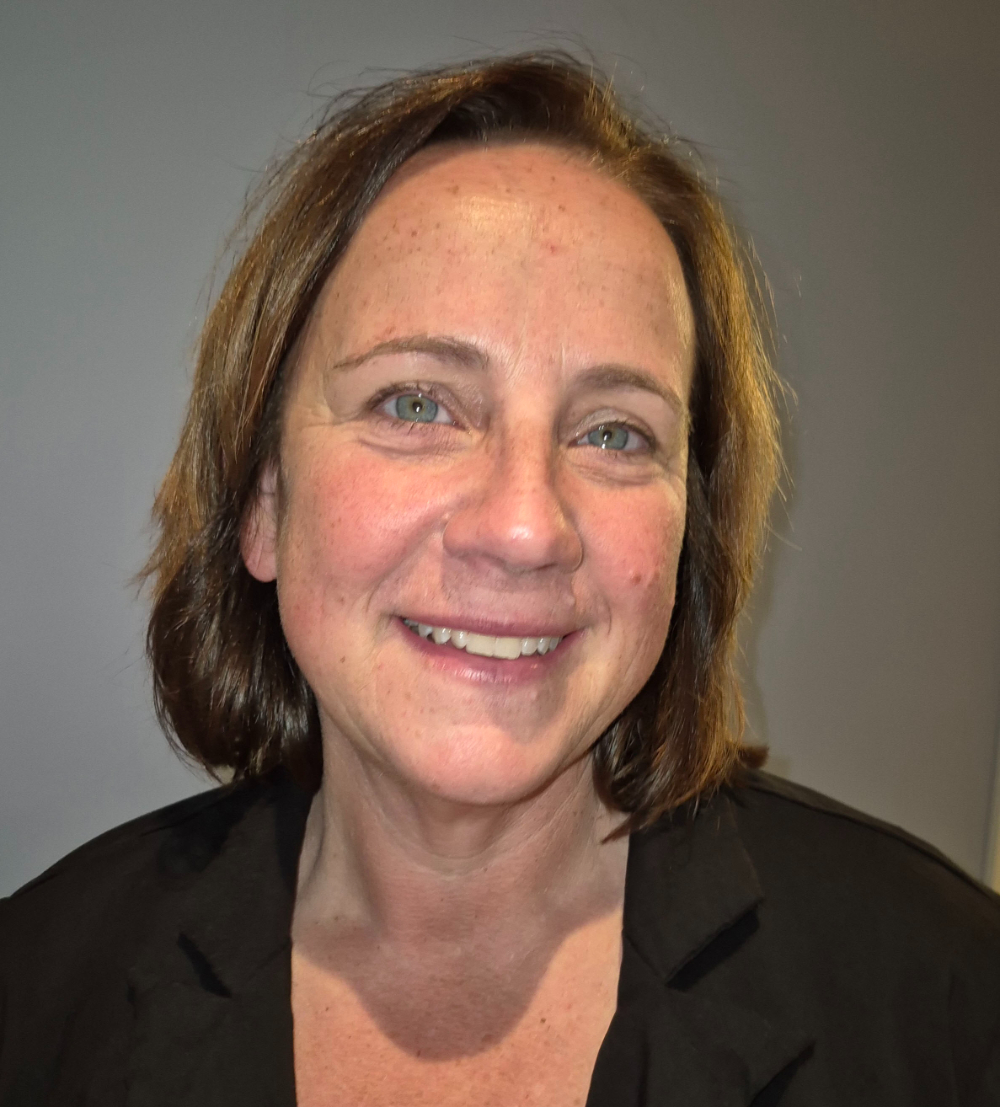
Recreational therapy graduate Kristine Schwab, ’00, is the owner of
Life Therapeutic Solutions. Schwab addresses her career journey and
reflects on the program's legacy below.
How has GVSU's program contributed to the profession over the
last 50 years? GVSU's recreation therapy department has graduated hundreds of
highly qualified recreation therapists. The students are prepared and
ready to contribute to our communities straight from graduation. The
faculty have guided students to follow their passions within the
field. The advocacy that they instill in us as students has allowed
our voices to stand united in strong advocacy for our field.
How have you evolved since you graduated? In 2006, two former classmates and I wanted to try to start a
recreation therapy company. We all had the same goal of bringing
recreation therapy to the community. We wanted to spend more time with
clients than facilities would allow. We wanted to go into their homes
and guide them through leisure wellness and independence.
It was a grinding start and it took many unpaid hours to get where
the company is today. In 2016, I became the sole owner of Life
Therapeutic Solutions. I have become a successful business owner doing
the profession that I love. It does not get much better than that.
Can you share a story about a client that illustrates the
power of recreation therapy? One client comes to mind, an older adult who was very active and
recovering from an unexpected leg amputation. Through our sessions, he
gradually regained the confidence to participate in adaptive sports
and social activities. Witnessing their transformation from isolation
to active community involvement was both inspiring and a testament to
the impact of recreation therapy.
What do you hope to see in the next 50 years in recreation therapy? My short answer is respect. I hope that the therapists and
faculty who came before me see that we have spread our wings in the
field. However, we still struggle to gain the respect in the medical
field that we have earned and deserve. I would love to see a similar
curriculum within universities that offer recreation therapy. We need
to get away from diversional activities and remain focused on the APIE
(Assessment, Plan, Implementation and Evaluation) process. We also
need to continue to advocate for licensure across the country in our
field. That is another example of inconsistency in our field.
Participants spent 10 weeks in an accelerator program offered by the DeVos Center for Entrepreneurship & Innovation, in partnership with GVSU's Northern Michigan Region.
Featured
July 14, 2026 (Volume 49, Number 19)
Article by
Shannon Owen