


Types of Support Offices
The Admissions Office guides you through the process of applying to college; submitting transcripts; and understanding program requirements, deadlines, and enrollment processes.
The Dean of Students Office serves as a central resource for student support and problem-solving. Their staff can address academic and personal concerns, resolve issues, and connect you with the right campus services.
Financial Aid and Scholarship Offices help you understand and apply for funding options, including grants, loans, scholarships, and student employment opportunities. Their team can explain eligibility for different types of aids; assist in adjusting your aid package in case of income or changes to your circumstances; and provide guidance in developing financial literacy skills to manage college costs.
The Records or Registrar’s Office handles official academic records, as well as course registration, transcripts, and graduation processes.
Academic Support
Academic Advising Offices offer teams of advisors who can help you choose courses, understand degree requirements, and plan a path that fits your goals and schedule. They can also connect you with other resources and guide you through academic policies and explore other options, if your plan changes.
The Student Success Office provides workshops, coaching, resources, and personalized guidance to help you build academic skills, manage your time, and stay on track to graduate.
Tutoring Centers provide services that help you strengthen understanding of course material, review and prepare for upcoming assessments, and provide additional resources. Tutors are usually students or staff who have demonstrated knowledge related to the coursework and can explain concepts in practical, accessible ways.
A Writing Center provides services at any stage in the writing process, including brainstorming, organizing your ideas, refining your writing style and building confidence in your communication skills. Their team provide support for essays, research papers, application materials, creative writing, and other communication related tasks.

Libraries offer access to physical materials, online databases, research guidance. They often also provide physical spaces on campus to study or collaborate, as well as technology for academic and research projects.


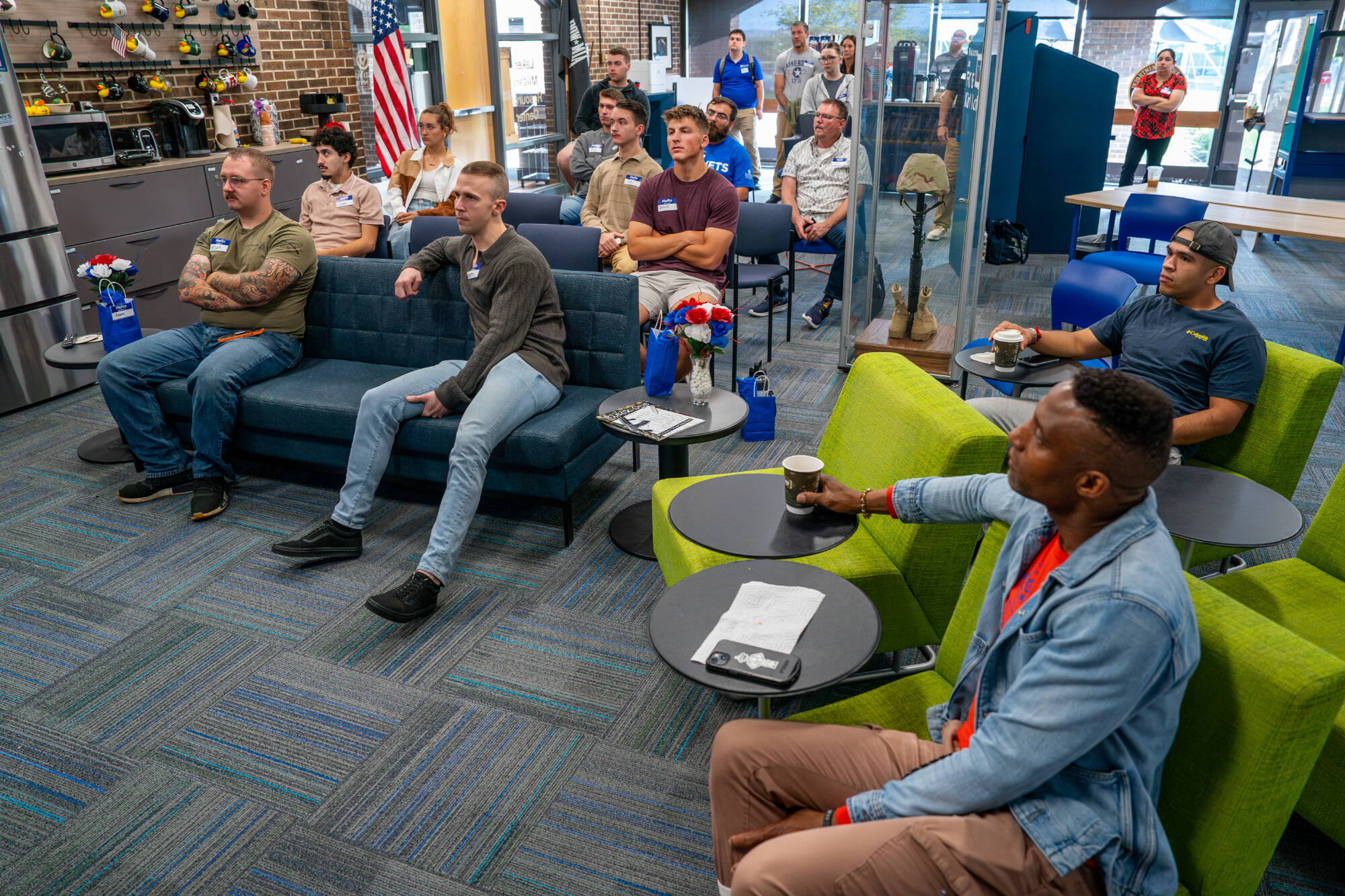
Veteran Services support military-affiliated students to use the education benefits they are eligible for and transition to academic life. They also offer connection to other veteran students, campus resources, and credit for training or experience.

The team in the Career Center helps you explore career paths related to your major or professional goals. They also offer support through appointments, workshops, job fairs, and networking events to ensure you’re prepared for professional opportunities
The Disability Office ensures all students have equal access to academics and full participation in institutional opportunities for all students. They coordinate accommodations such as note-taking assistance, proctored testing environments, and adaptive technology. Many offices also help you advocate for yourself and provide skills coaching.

- Chemistry
The Counseling Center provides confidential support for mental health and well-being from licensed professionals. Services include short-term individual counseling, group counseling, and referral to community resources.
Student Life and Inclusion Offices connect students with peers, build community, and explore shared interests or identity. They often host cultural events, leadership programs, support groups, and initiatives that promote an inclusive and supportive environment for all students.