

Lab Members
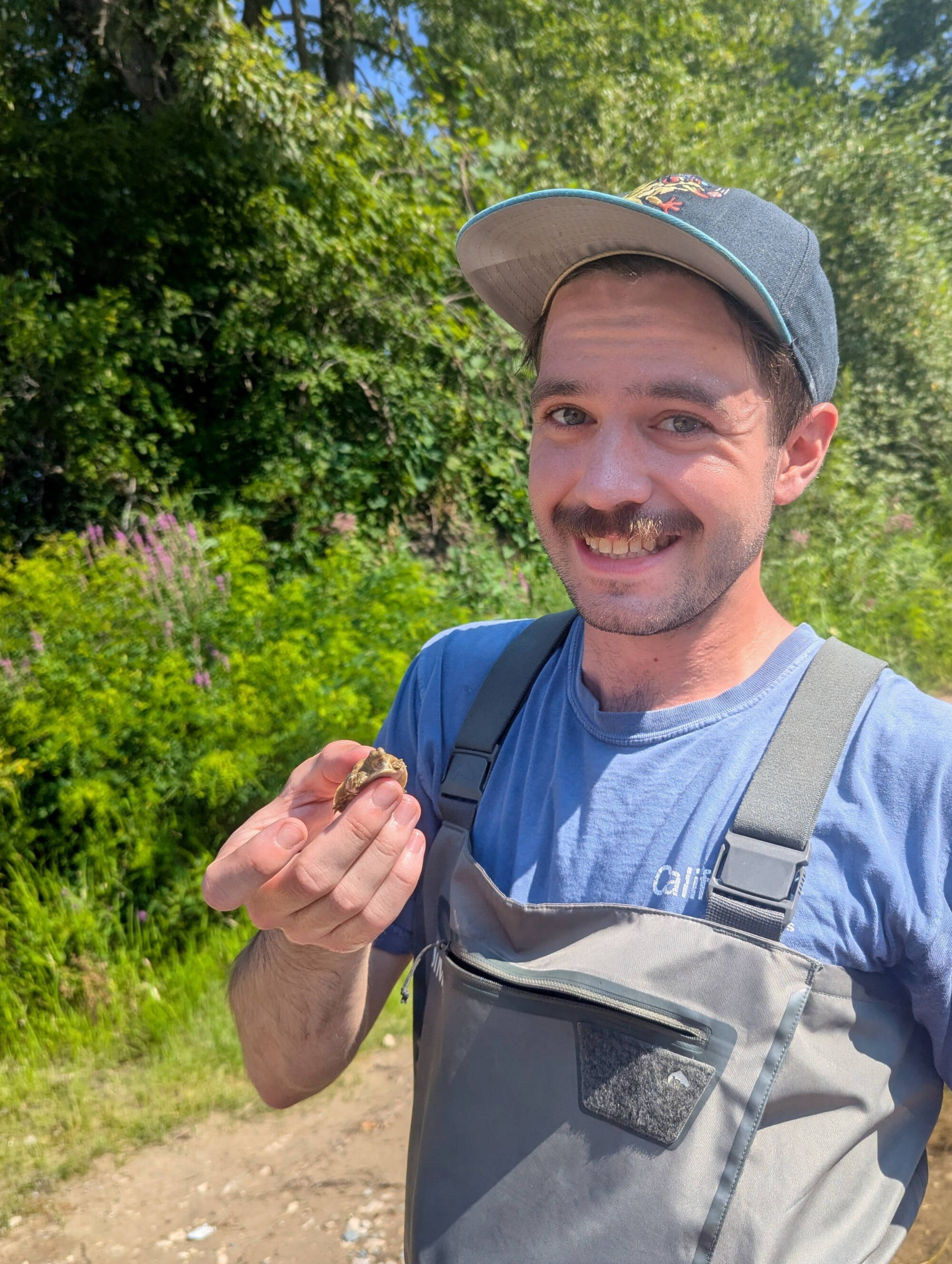
Elliot Hoinville
Elliott is a graduate research assistant and joined the lab in August 2025.
Alumni
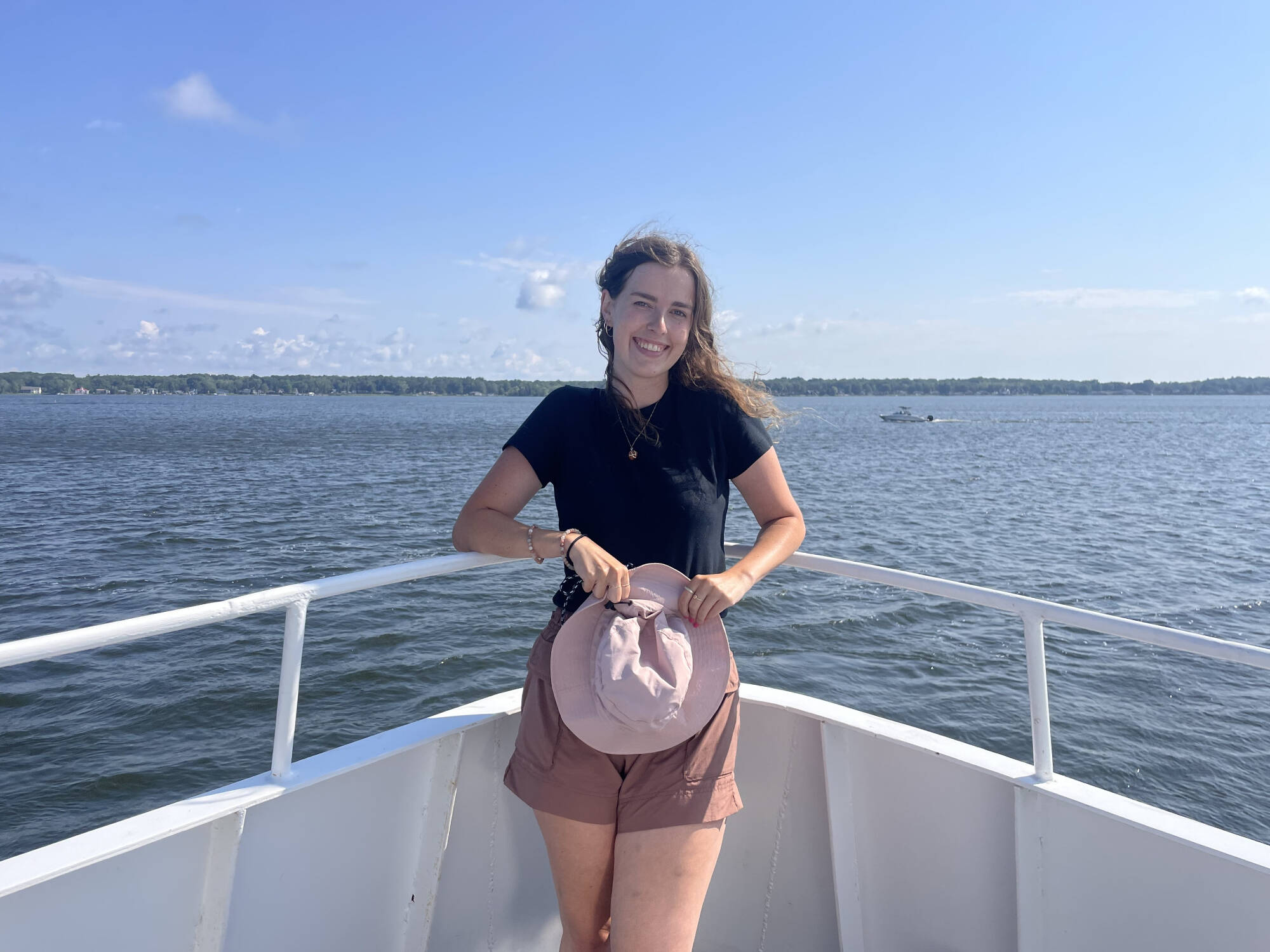
Jillian Greene, '25
Jillian started with the lab as an undergraduate intern during the summer of 2022 where she used Sentinel-3 OLCI imagery to model cyanobacteria densities in Muskegon Lake. Jillian subsequently continued supporting research projects as an intern/technician including the Danube River watershed SWAT+ model and quantifying water clarity in Michigan’s inland lakes using remote sensing. She graduated with a Bachelor’s degree in Environmental and Sustainability Studies in December 2022, and is an alumna of the NASA DEVELOP spring 2023 program.
Jillian's thesis research analyzed the greenhouse gas emissions from Lake Michigan's drowned river mouth estuaries (DRMs), including Lake Macatawa, Muskegon Lake, and White Lake. This geographic range incorporated DRMs with varying levels of anthropogenic impact and trophic status to test the hypothesis that DRMs with more human-influence would experience higher levels of carbon emissions. She also developed a model to quantify the DRM methane emissions based on satellite imagery from the European Space Agency's Sentinel-3 satellite. Results from her study found that average methane emissions were highest at Lake Macatawa, the DRM with the most anthropogenic influence. Model results showed that a remote sensing-based approach could be a feasible method to scaling up from single systems to a global model to reduce the current uncertainty in Earth system modeling. Jillian successfully defended her thesis in July 2025.
Jillian is currently pursuing her PhD at North Carolina State in geospatial analytics.
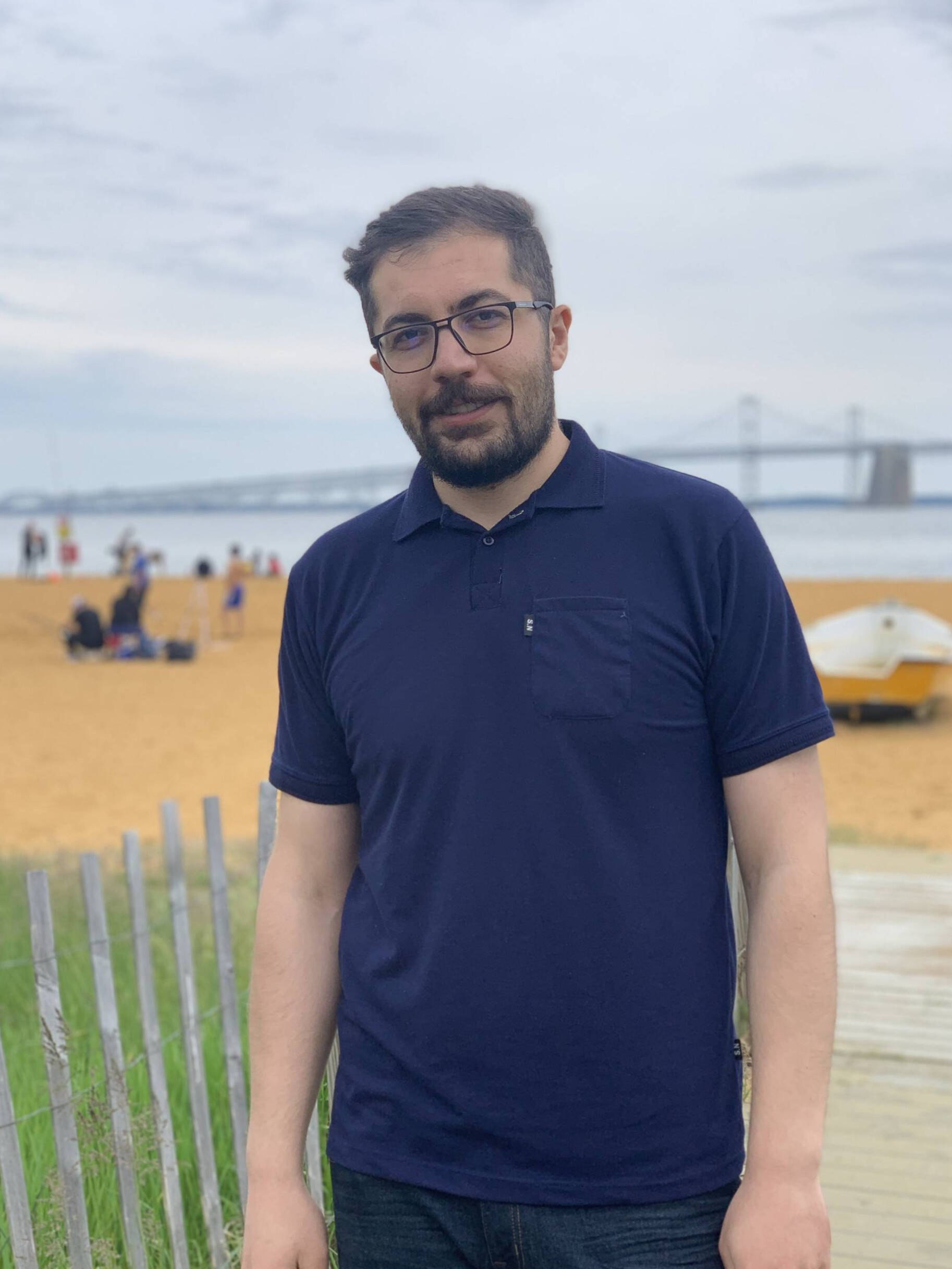
Jamshid Jalali, '24
Jamshid Jalali is a graduate research assistant and joined the lab in January 2023. His research includes water quality assessment with remote sensing data and machine learning models. Jamshid is also conducting hydrological simulations of the Danube River Basin using the SWAT+ model to understand the impacts of climate change and agricultural land use change on water scarcity in the region.
Before joining AWRI, Jamshid conducted research at the Water and Waste Water Institute, Civil Engineering Department, Isfahan University of Technology. His research primarily centered around evaluating the impacts of climate change and human activities on variations in runoff. He employed various methodologies such as hydrological simulation using the SWAT model, a data-driven approach using LS-SVM, and climate elasticity analysis. His research specifically aimed to distinguish the effects of climate change from those of human activities on runoff reduction in the Zayandeh-Roud Dam watershed, located in central Iran.
Jamshid's thesis used advanced hydrological modeling and climate projections for Serbia's Danube River basin to examine how shifting weather patterns will impact water availability for agriculture between 2041 and 2070 compared to the observed period of 1991-2020. The findings reveal that declining rainfall and rising temperatures will intensify soil moisture scarcity and crop water stress, especially for rainfed crops during the critical growing season. Irrigated systems, which currently offset some of this stress, will require 10-20% more water to maintain productivity. This increased irrigation demand could strain already limited freshwater resources, highlighting a difficult balance between meeting agricultural needs and conserving water. These results emphasize the need for innovative water management strategies, expanded irrigation systems, and increased agricultural efficiency to ensure food security in a changing climate. He successfully defended his thesis in November 2024.
Jamshid is a Senior Staff Professional in the Water Resources and Environmental Group at Geosyntec Consultants in Tampa, FL.
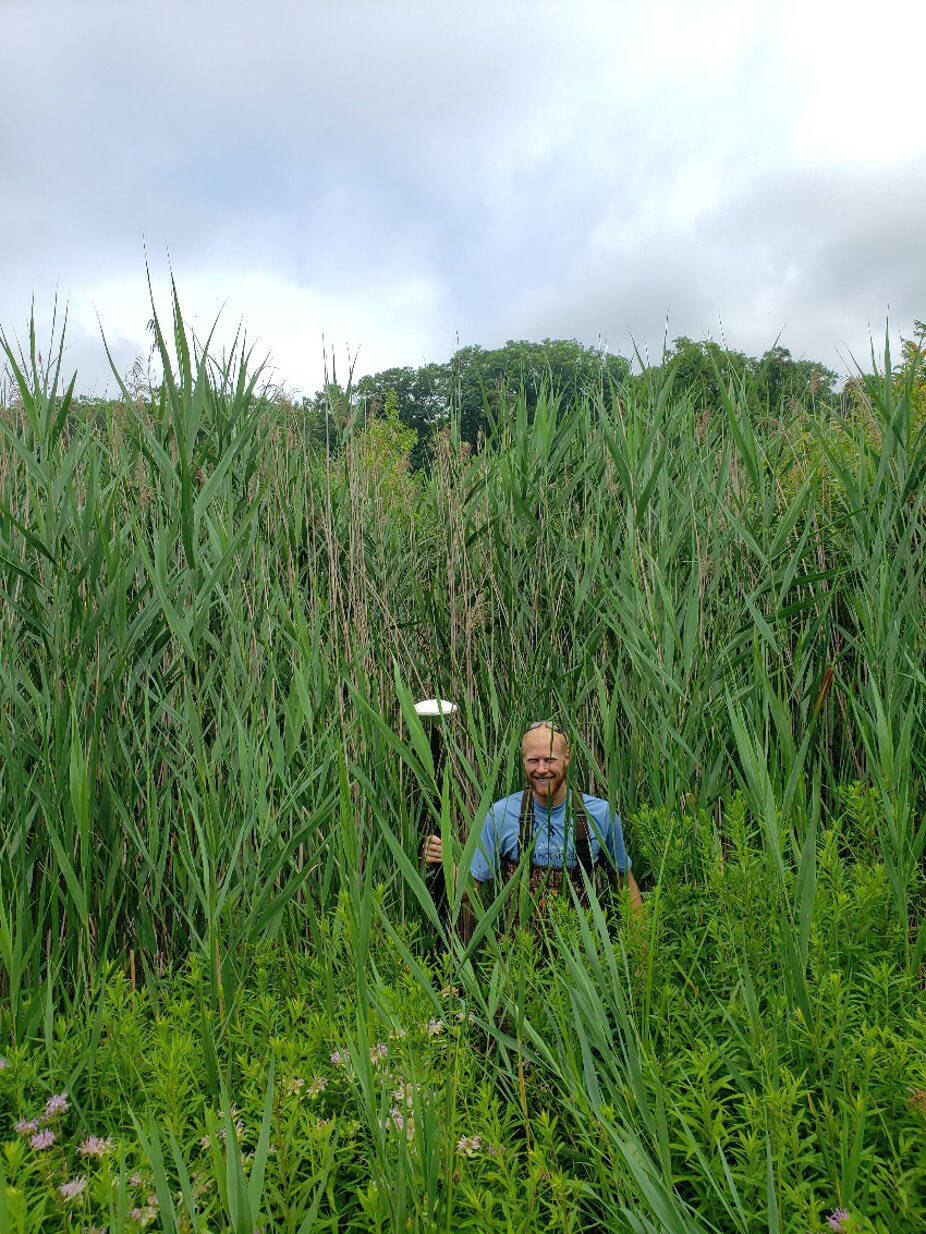
Jonathan Walt, '22
Invasive species cause many issues in wetlands because they change soil chemistry and how water flows and create large uniform stands that reduce the amount of native plants and animals in the area. Jon's graduate thesis used publicly available satellite imagery and statistical programs to model the extent of Phragmites australis (common reed), an invasive species that dominates many wetlands in Michigan. His models used remotely sensed data from radar and multispectral satellites along with maps of hydric soils and topography. This model classifies the extent of Phragmites in wetlands, with the best model correctly identifying Phragmites stands 90% of the time. Overall, this approach demonstrates that publicly available satellite imagery can be used to model and update models of Phragmites in a large study region, like the Lower Peninsula of Michigan. He successfully defended his thesis in June 2022.
Jon now works for the State of Michigan as an Environmental Quality Analyst with the Department of Environment, Great Lakes, and Energy (EGLE) in their Water Resources Division, out of their Gaylord office.