Educator Resources
The Hauenstein Center's educational outreach program invites West Michigan educators and their students to join our community of learners devoted to the study of leadership, the humanities, and public policy. We offer special opportunities to attend our community events, as well as a curated collection of educational resources. Middle and high school educators have an open invitation to attend our private pre-event receptions. For more details and to register, note your educator status on the event registration page when signing up.
The Hauenstein Center is eager to partner with area administrators, educators, and student groups to bring our valuable programming to the next generation of ethical, effective leaders for the 21st century.
Instructor Guides
These guides offer detailed guidance on incorporating past Hauenstein Center event recordings into your curriculum. Each guide provides modular activities to fit available classroom time and recommended resources and questions, as well as a customizable graphic organizer that can be assigned to students and links to professionally produced recordings of the event.
- The Constitution vs. Democracy featuring Dr. Nicole Hemmer
- Reflections on Patriotism
- Leading like a King featuring Joe Jones
- How President Bill Clinton's Campaigns Reshaped Modern Presidential Politics
- Collective Memory: Race and Remembering the Past
- Is the Party Over? The Present and Future of American Party Politics
- U.S. Foreign Policy Public Forum
- Lindsay Chervinsky: Presidents' Day Celebration
- Why WWII Still Matters featuring Garrett Graff
- Plessy v Ferguson: Race in American Memory
- Federalism in the Twenty-First Century
The Constitution vs. Democracy featuring Dr. Nicole Hemmer
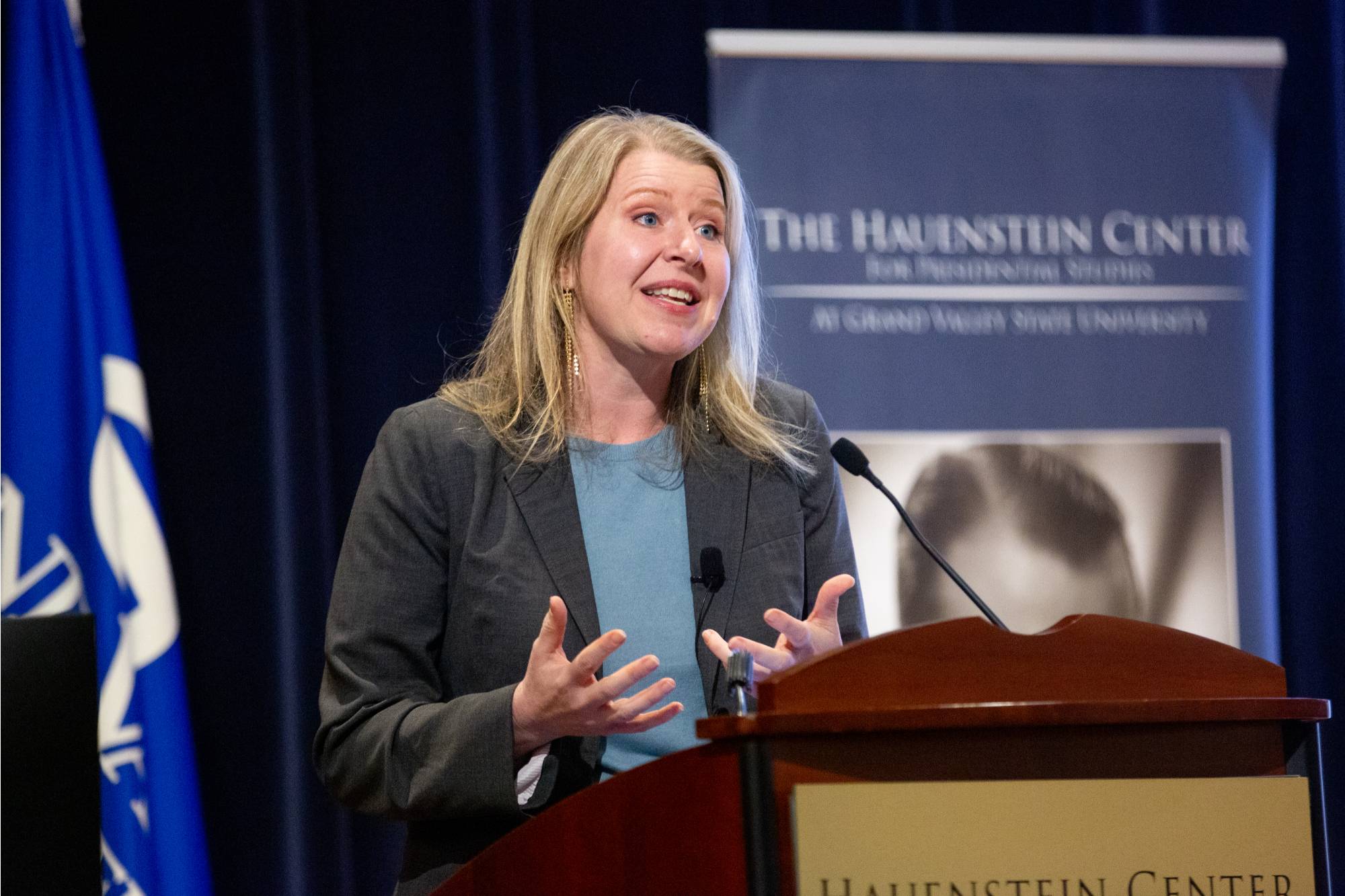
The annual Constitution Day program offers unique insight on constitutional questions that shape American democracy. In 2024, the Hauenstein Center's Scholar-in-Residence, Dr. Nicole Hemmer, offered a look at how the Constitution occasionally clashes with Americans’ popular understanding of democracy and what this means for politics today.
Reflections on Patriotism
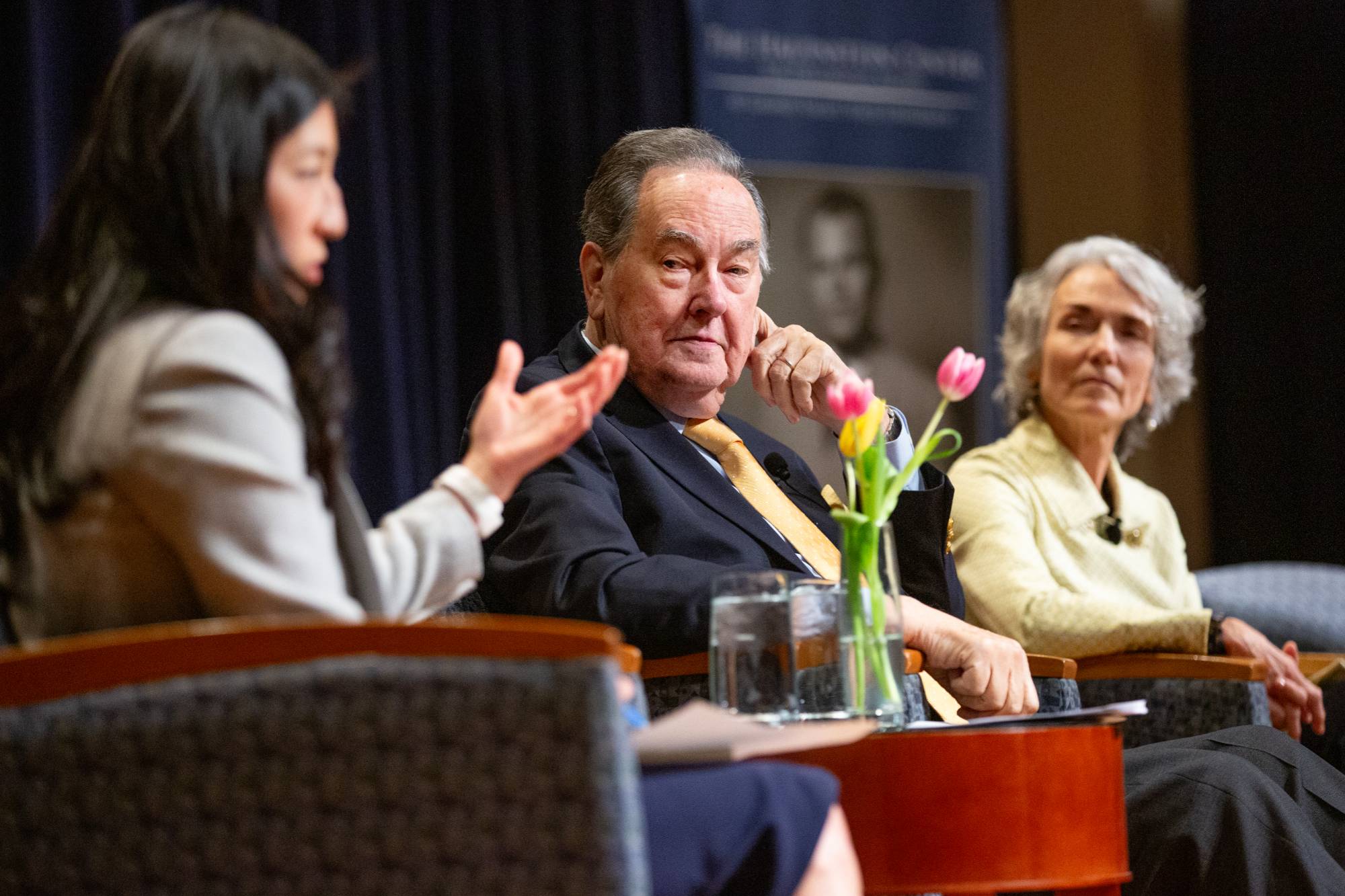
Do you consider yourself a patriot? Though most Americans still identify as being patriotic, the question of patriotism has become increasingly polarizing among Americans. The Common Ground Initiative welcomed Yale political science professor Steven B. Smith, syndicated columnist and author Cal Thomas, and historian and novelist Elizabeth Cobbs, to discuss the definition of patriotism, debate what actions should be considered patriotic vs. unpatriotic, and consider the role of the institutions they represent in fostering a sense of patriotism among American citizens.
Leading Like a King featuring Joe Jones
[1747752558].jpg)
The Hauenstein Center welcomed community leader Joe Jones to share his leadership philosophy and defining experiences as a leader in West Michigan for our annual MLK Day Celebration and Wheelhouse Talk in 2025. Among his many experiences, Jones has served as a consultant, nonprofit executive, pastor, city commissioner, and on various local boards and commissions.
How President Bill Clinton's Campaigns Reshaped Modern Presidential Politics
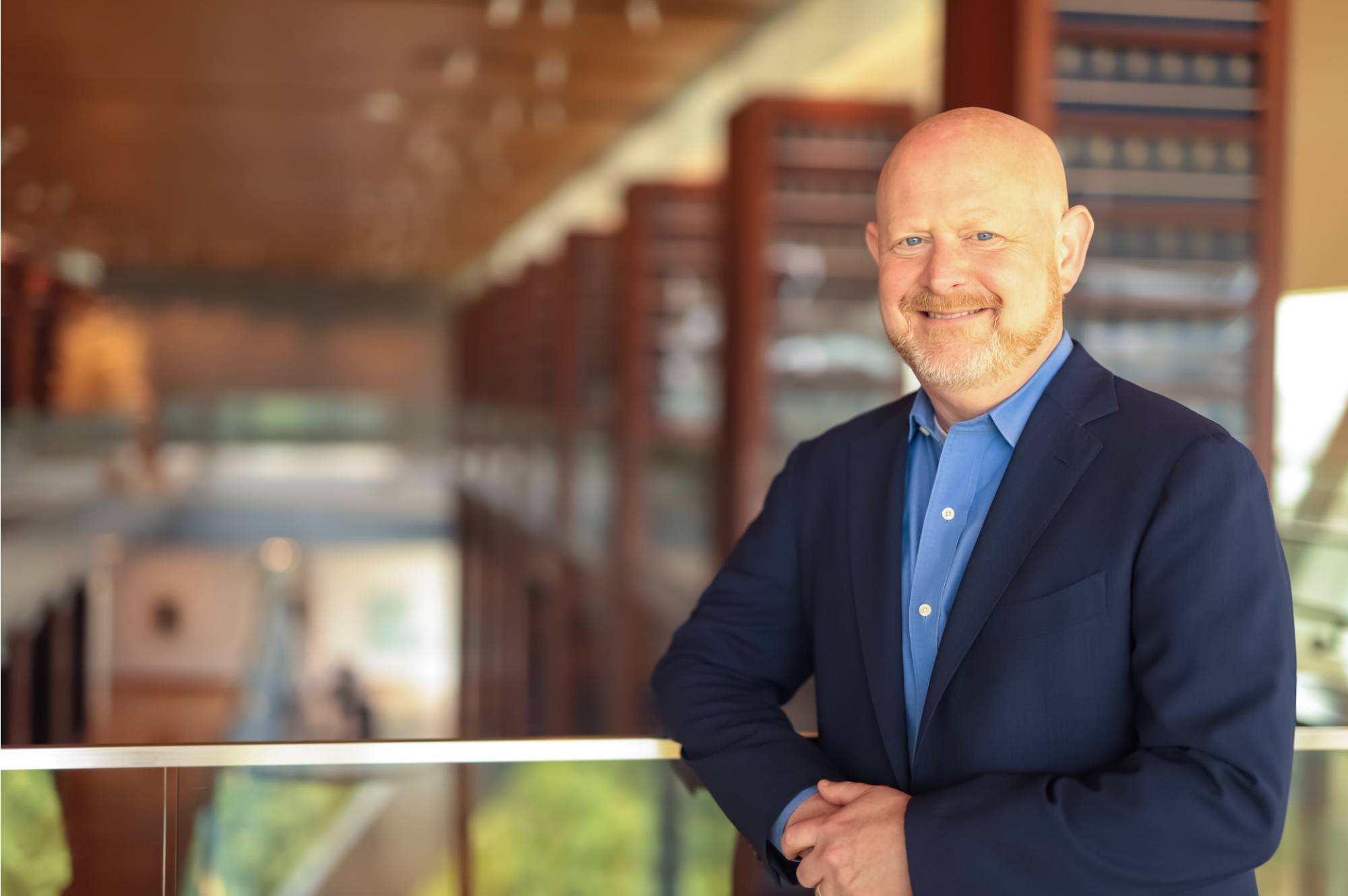
President Bill Clinton's 1992 (and 1996) campaigns reshaped modern electoral politics by implementing various innovative election tactics. In some ways, these tactics returned campaigns to past vote-getting techniques, while in others they established a very different kind of future. In this talk, Jay Barth, Director of the William J. Clinton Presidential Library & Museum, offered insight into the unique nature of the Clinton campaigns and analyzed the roots of our contemporary electoral politics in the weeks before the 2024 election.
Collective Memory: Race and Remembering the Past
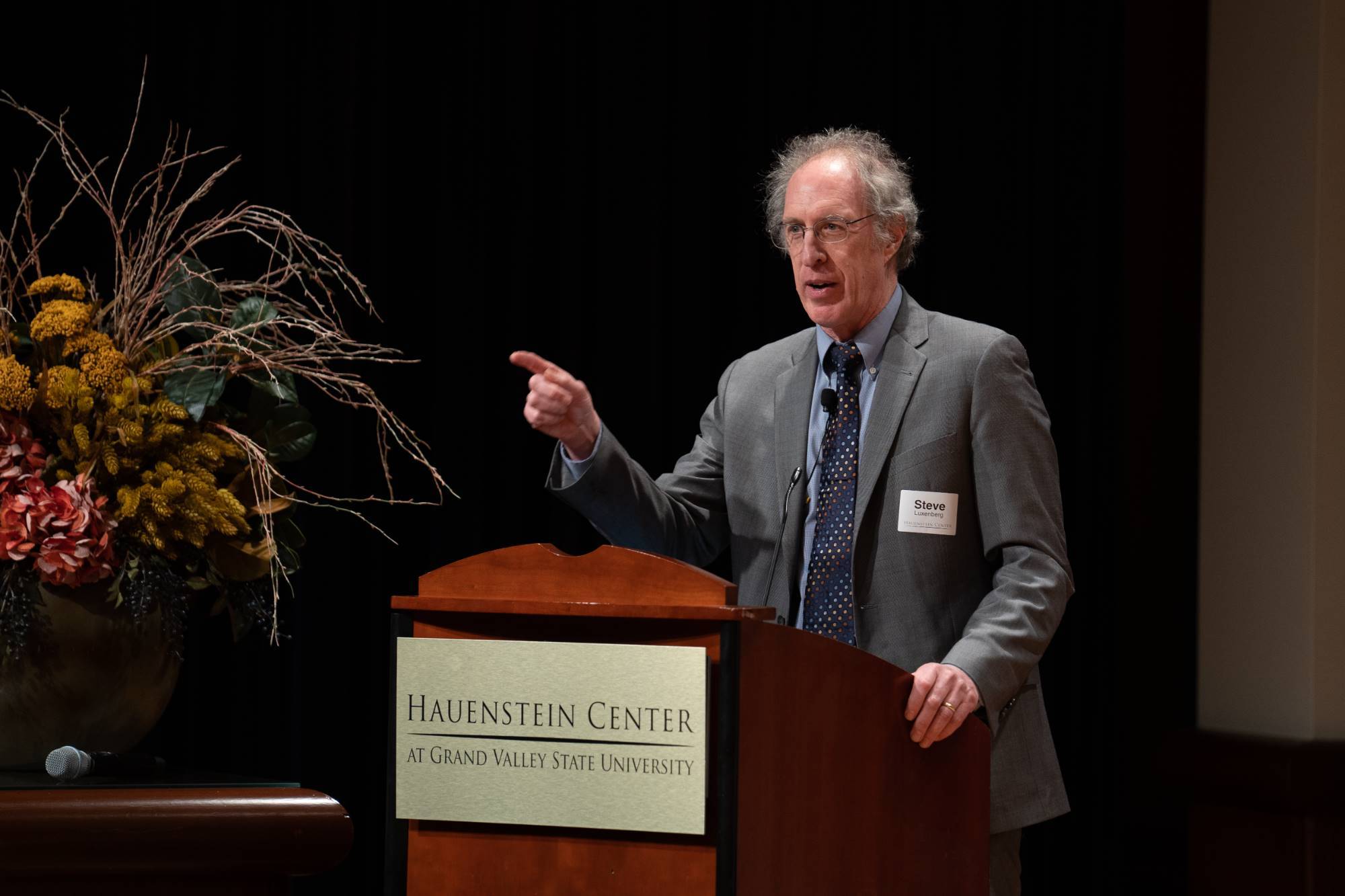
Steven Luxenberg discusses how collective memory—through museums, exhibits, and memorials—shapes our national identity. Fighting over statues and names reflects deeper battles over how we interpret our past. Ultimately, he stresses that we must engage with history truthfully to give meaning to moral progress.
Is the Party Over? The Present and Future of American Party Politics
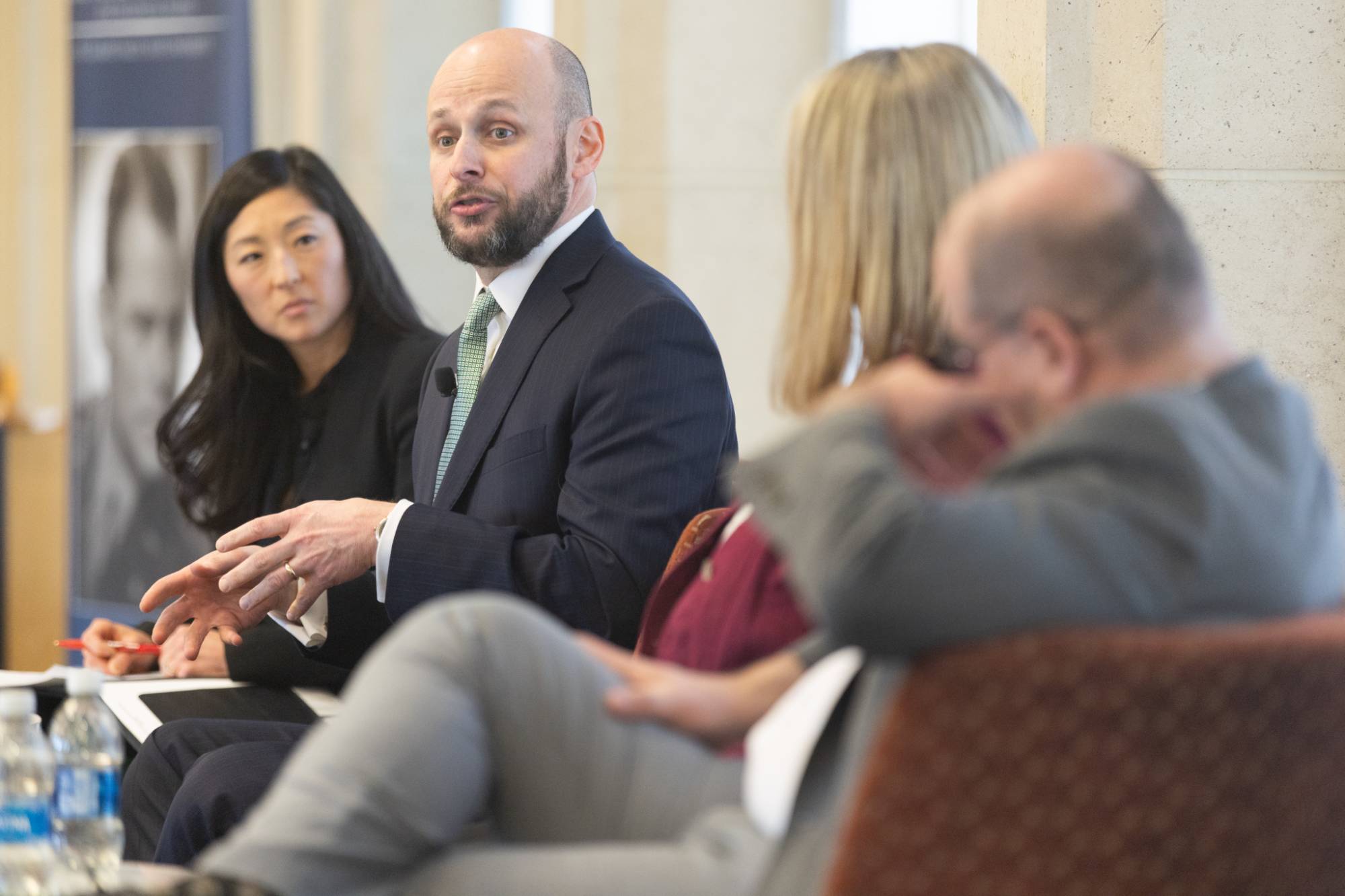
The Hauenstein Center's Common Ground Initiative convened a bipartisan panel to discuss the challenges facing both major political parties amidst leadership challenges, internal calls for reform, and squabbles over party platforms. Our guests helped us assess the Republican and Democratic parties and consider what strategies we may see from each in 2026, 2028, and beyond.
U.S. Foreign Policy Public Forum
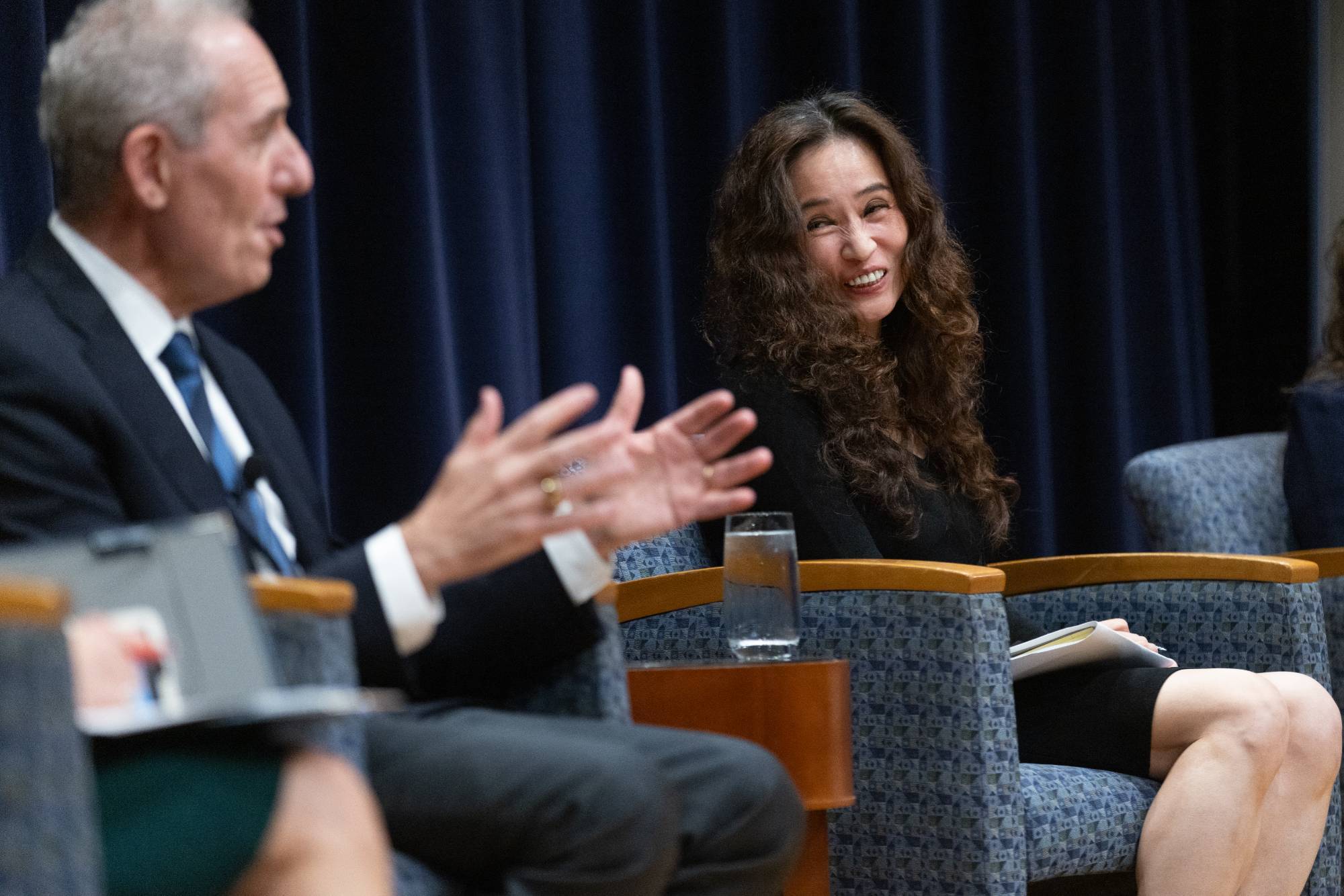
Join us for an in-depth, nonpartisan conversation on America’s role in the world and the foreign policy issues at stake in the 2024 election, including international trade and national security, the U.S.-China relationship, and U.S. engagement in global conflicts. Panelists with distinguished careers in government, business, and academia discussed the trade-offs presented by different local and global policy options and provide context on the international issues, choices, and challenges facing the next president.
Lindsay Chervinsky: Presidents' Day Celebration
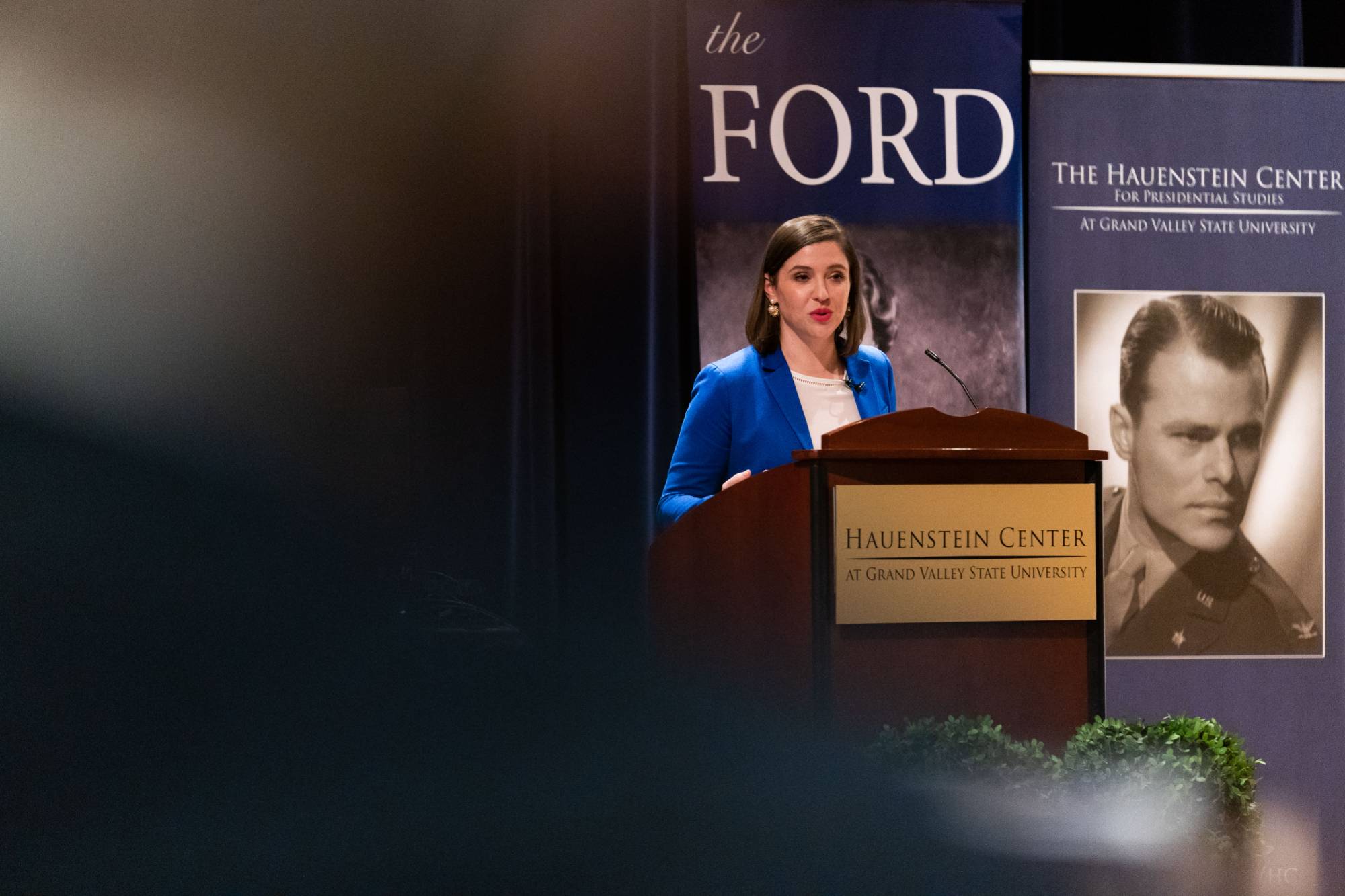
Until the passing of the Uniform Monday Holiday Act, February 22 was federally recognized as Washington’s Birthday. Now the third Monday of February, also known as Presidents’ Day, traditionally honoring Washington and Lincoln, has grown to encompass the best practices of the presidency, not to mention a weekend of deals. The day allows Americans to pull from the founding fathers’ wisdom and apply the lessons of their day to the ills plaguing ours. Presidents Day, especially in our current climate, must be more than an opportunity to be patriotic and save a few bucks.
Why WWII Still Matters featuring Garrett Graff
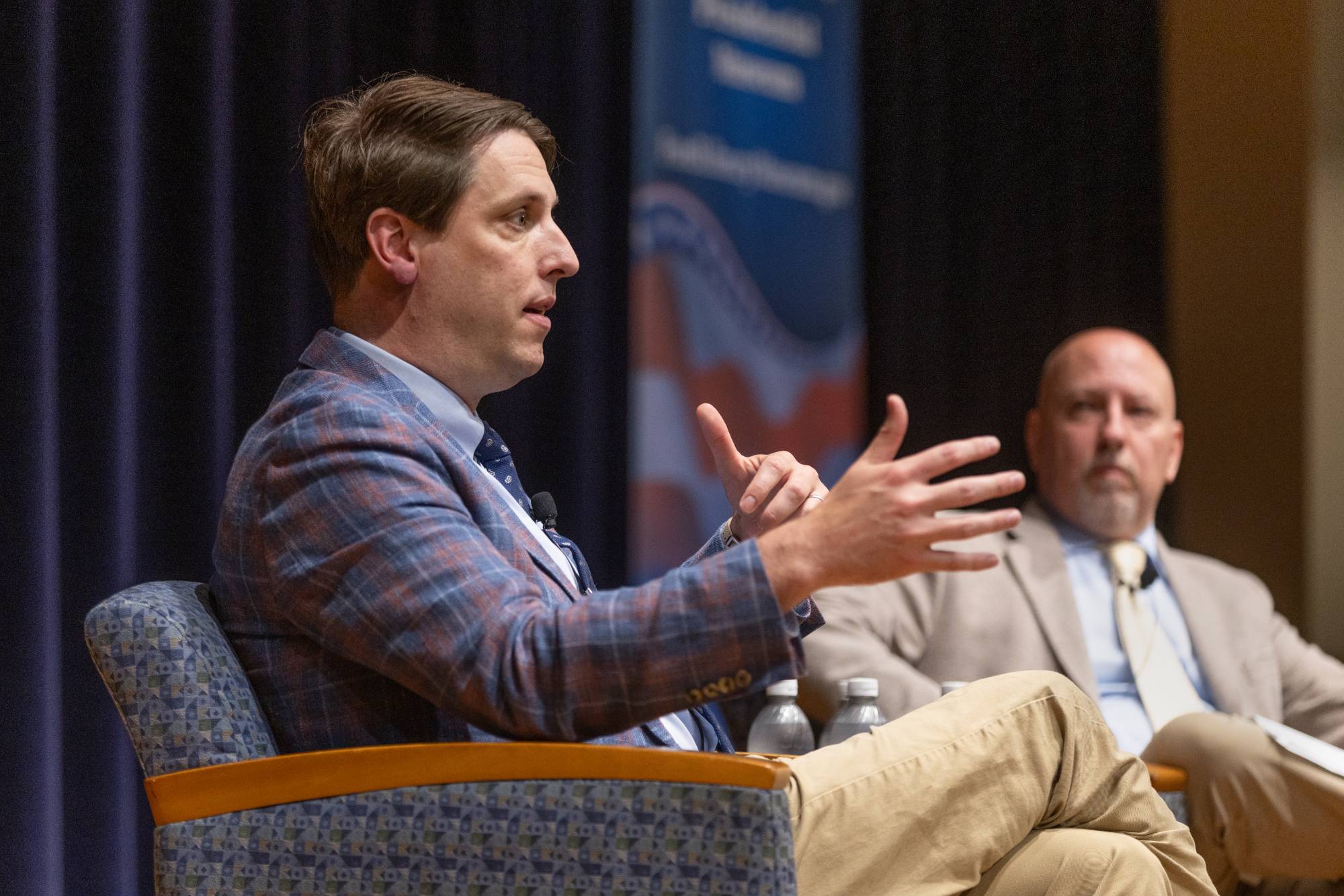
Historian, journalist, and author Garrett Graff joined the Hauenstein Center as part of the Greatest Generation Celebration to discuss two of his recent oral histories about the major turning points of World War II: the D-Day invasion of Europe as well as the Manhattan Project and the atomic bombings of Japan. He explored the legacy of the Greatest Generation, how World War II changed the world, and the first-person realities of fighting in the greatest conflict humanity has ever known.
Plessy v Ferguson: Race in American Memory
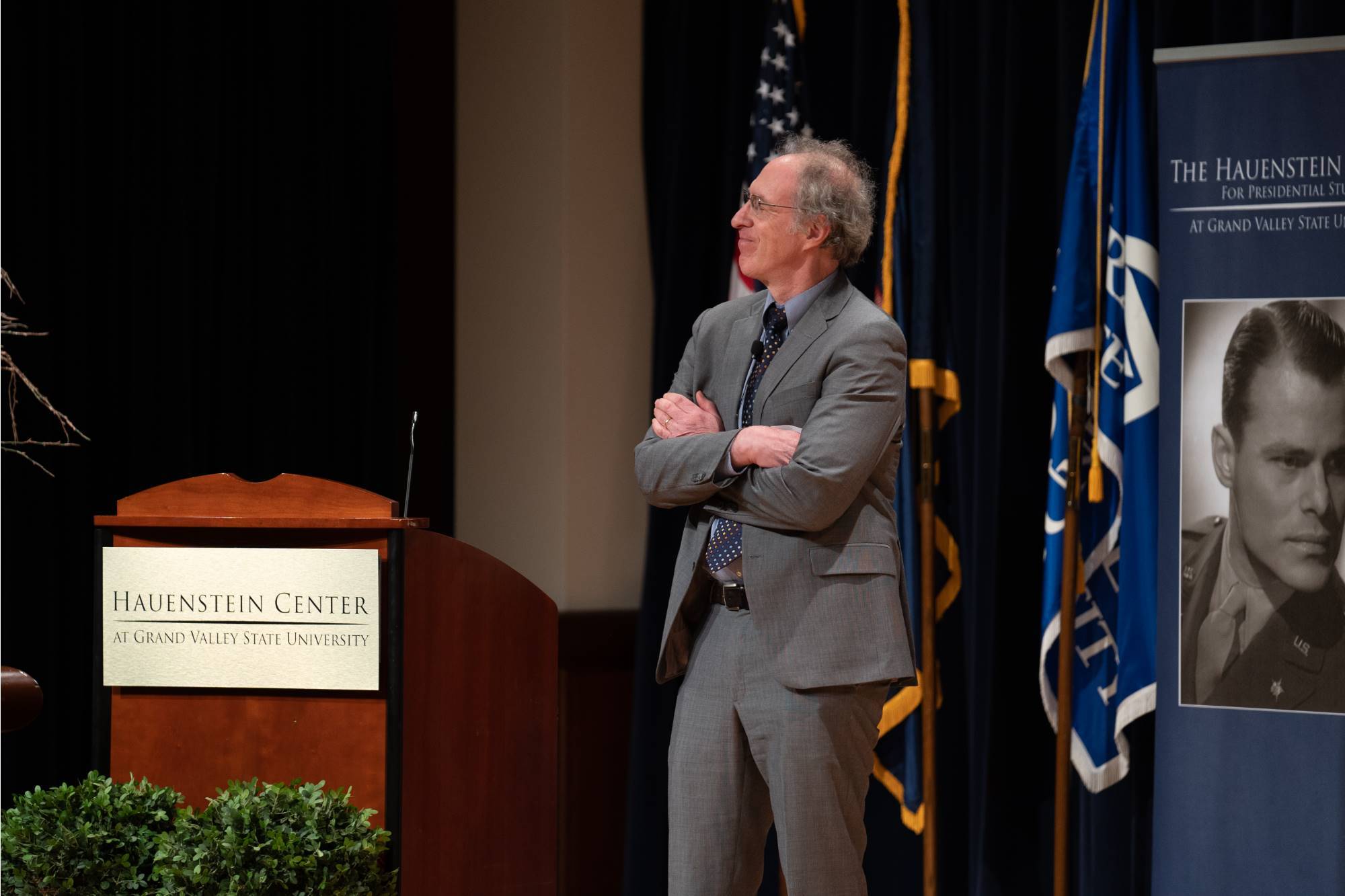
Steve Luxenberg’s presentation reframes racial history as shared American history, urging educators to move beyond textbook versions of Plessy v. Ferguson. By highlighting forgotten figures and Northern resistance to segregation, he shows how memory and omission shape public understanding. This approach invites students to critically examine historical narratives and engage with the deeper roots of racial division.
Federalism in the Twenty-First Century
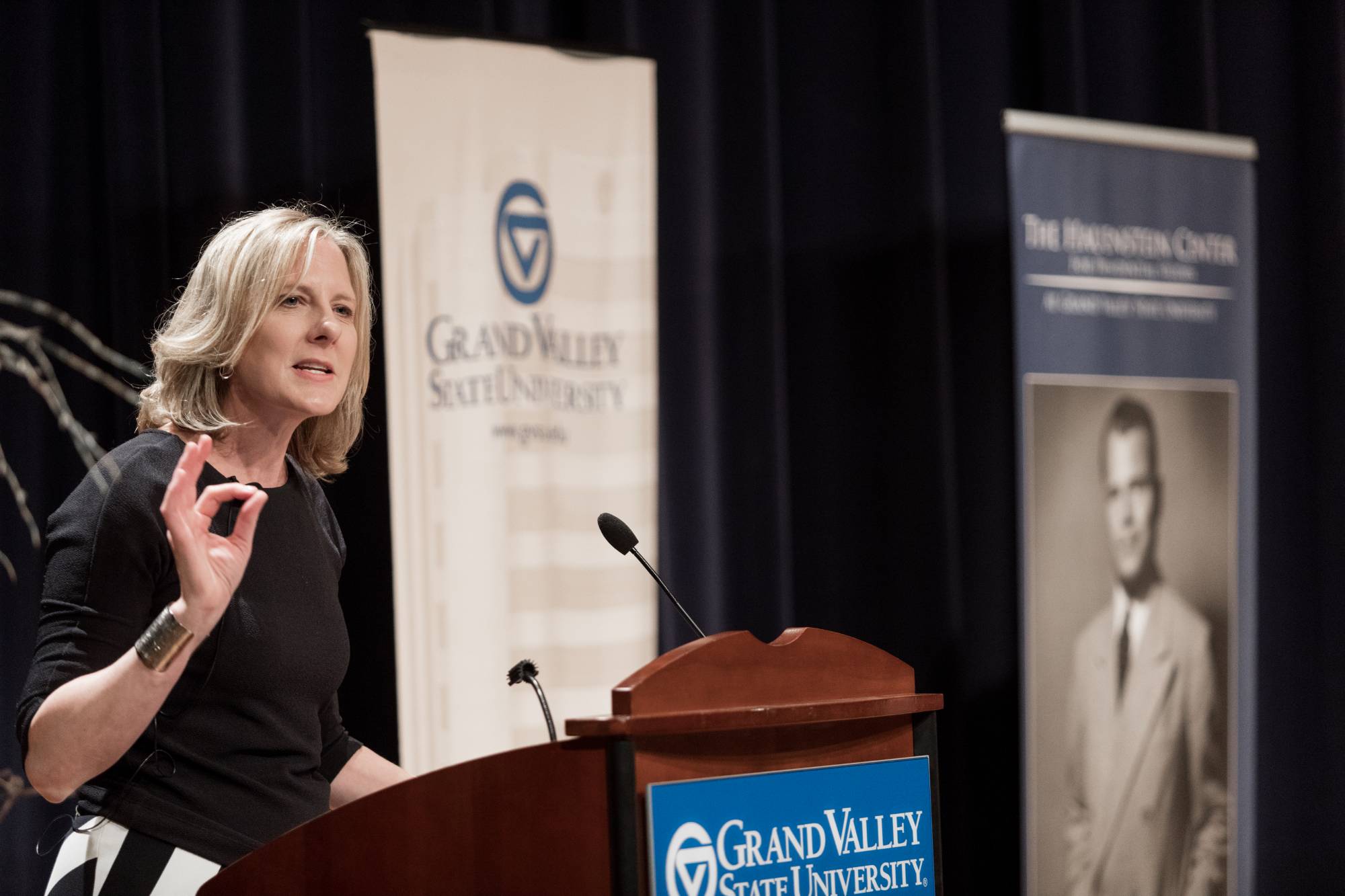
Yale Law Dean Heather Gerken’s presentation offers a fresh look at modern 21st-century federalism by examining federalism as a system of interdependence rather than separation. Through Cooperative and Uncooperative Federalism, she demonstrates how states and cities influence national outcomes—sometimes by enforcing federal policy, at other times by resisting or innovating. Educators can use this presentation to help students explore how local actions, such as sanctuary laws or same-sex marriage initiatives, drive national change. The lesson also encourages discussion about judicial independence, polarization, and how shared power fosters compromise in American democracy.
Sign Up for Updates
Educator Mailing List
The Hauenstein Center is eager to support educators and their students at all levels with connections to special resources and invitations to our event series. Please complete the form below to receive updates tailored specifically for West Michigan educators.
* denotes a required field
Staff and Contact
Randy Cotts
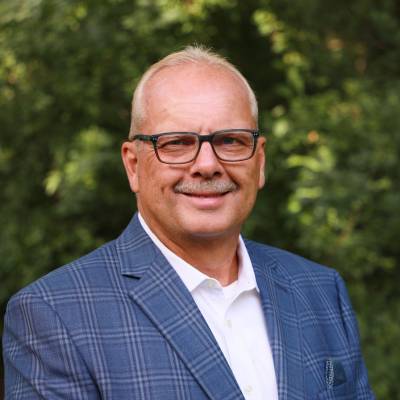
The Hauenstein Center is excited to partner with Randy Cotts, Educational Outreach Consultant, to support our K-12 outreach efforts. Randy recently retired from a 30+ year career as a teacher with Byron Center High School. A graduate of Western Michigan University, he earned a bachelor’s degree in secondary education and a master’s degree in history. Along with AP government, he has taught 10th grade U.S. history, sociology, psychology, international relations, and constitutional law. He advised the school’s Close Up program, which brought students to Washington, D.C., and started a German-American exchange program. Randy uses his education experience and passion for youth civic engagement to build relationships with local teachers and create curriculum guides for and from our events.
Reach out to Randy for more information about the Hauenstein Center's educational resources at [email protected].