Science-backed recommendations in action
The momentum for expanding the deer management project
stemmed in part from the success late last year of an event created
to promote the ethical harvest of does as a step in managing the
deer population.
The event was designed with input from public officials
as well as those with the Kent County Farm Bureau, who were
interested in more strategies after the work of the initial
recommendations, Locher said. Besides concerns about the toll of
car-deer collisions, crop damage by deer is another key issue.
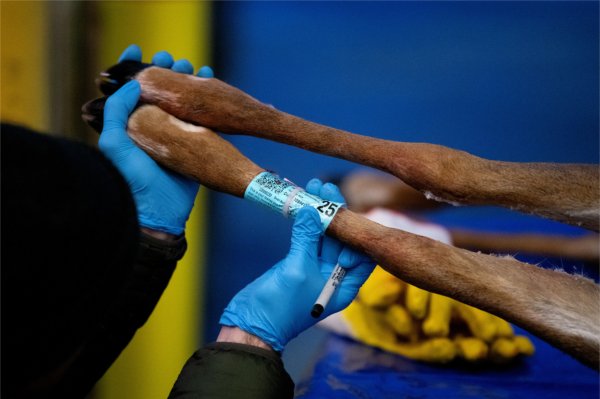
Called a "doe pole," the effort encouraged
hunters to harvest does during an extended firearm season, then
bring them to designated stations to be measured and weighed.
Monetary awards were given to hunters who took the highest volume of
deer at an event hosted by the West Walker Sportsman's Club.
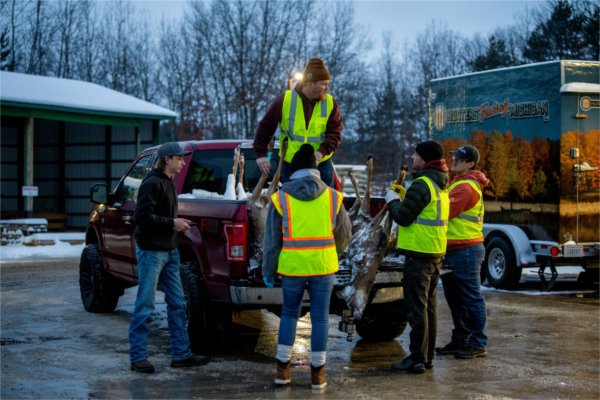
And so it was one evening at a northern Kent County
Road Commission facility, where a pickup truck driver from
southeastern Kent County pulled up with eight does in the truck bed.
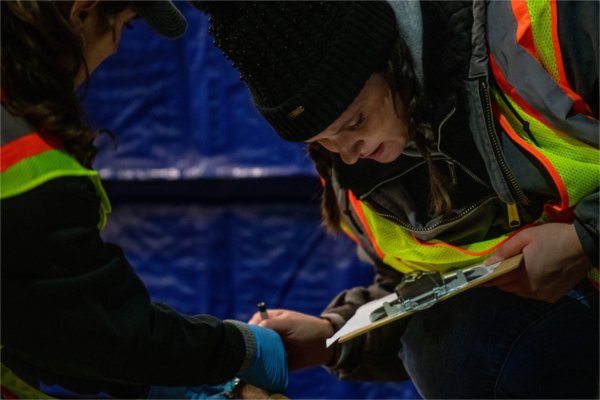
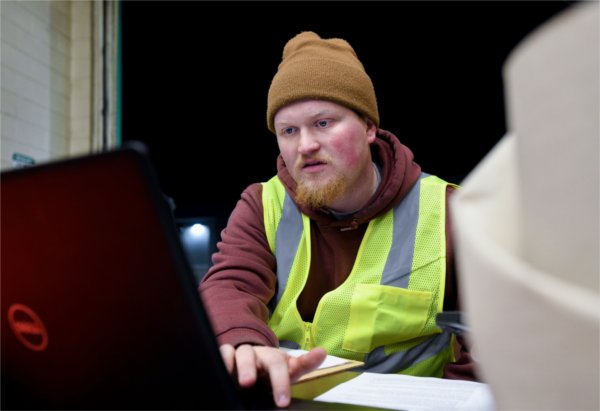
The hunter sat down with Brody Glei, who did extensive
work on this initiative as a graduate student, to provide details on
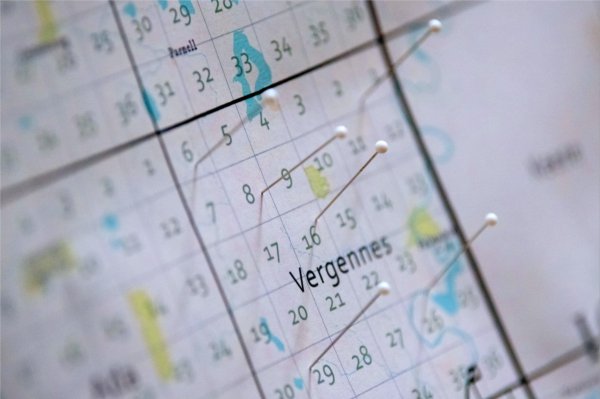
measurements and where the deer were harvested; those locations were
marked on a map with a pin.
After that, the carcasses were loaded into a
refrigerated trailer to provide food for those in need, a donation
from the hunter that was a key aspect of the event in cooperation
with the organization Hunters Feeding Michigan.
In total there were 68 deer measured for the contest,
with 36 donations. Glei calculated that provided more than 5,500
servings of protein to people in need.