

David Kurjiaka
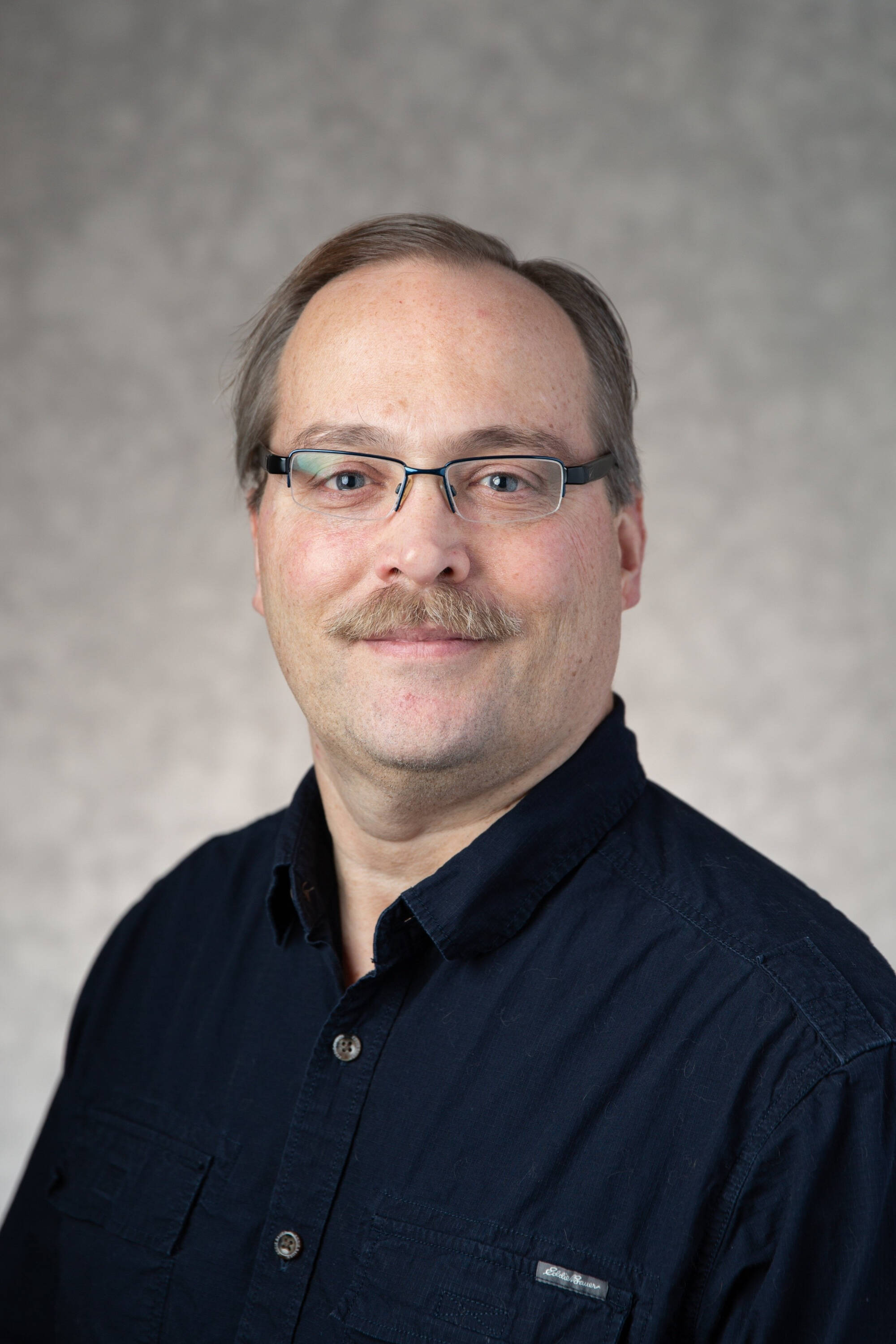
Professor
Email
[email protected]
Office
222 Henry Hall
Phone
(616) 331-8975
Website
https://faculty.gvsu.edu/kurjiakd/
COURSES TAUGHT
BMS 202 - Anatomy Physiology Laboratory
BMS 290 - Human Physiology
BMS 495 - Concepts in Wellness (Cardiovascular Disease)
BMS 508 - Advanced Human Physiology
EDUCATION
Postdoctoral Fellow, University of Arizona
Postdoctoral Fellow, John B. Pierce Laboratory/Yale University
Ph.D., Pennsylvania State University
M.S., University of Oklahoma
RESEARCH INTERESTS
My research is generally focused on studying of the impact of inflammatory responses on blood vessel function. This involves directing undergraduate and graduate student research evaluating the response of cultured blood vessel cells (endothelial or smooth muscle) to compounds purported to stimulate or inhibit inflammation. Recently, we have focused on the impact of angiotensin II and angiotensin 1-7 on endothelial cell proliferation/apoptosis. The reason for this focus is that we know angiotensin II decrease capillary and arteriole density (number of these vessels) in the tissues (brain and skeletal muscle) of people with hypertension (the elevation of blood pressure in many individuals is caused by angiotensin II). Interestingly, one of the alternative fates for angiotensin I (angiotensin 1-7) has the opposite effect as it works through a different receptor (mas) than angiotensin II (AT-1). While the impact of angiotensin II on capillaries is clear (reduced number), the mechanism by which they cause this reduction in capillary density are unclear. As this involves a change in the number of endothelial cells, it must involve some combination of a decrease in endothelial cell proliferation or an increase in apoptosis (cell death).
In addition to the specific question above, my broad training in exercise and comparative physiology has provided me with the background to address many other questions. If you are from the honors college, consider either collecting data in my lab or writing a research paper focused on your area of interest (your question), which may be far afield from the cardiovascular system.