
Anchor Blog
Permanent link for Journey to Loving Myself on February 16, 2026
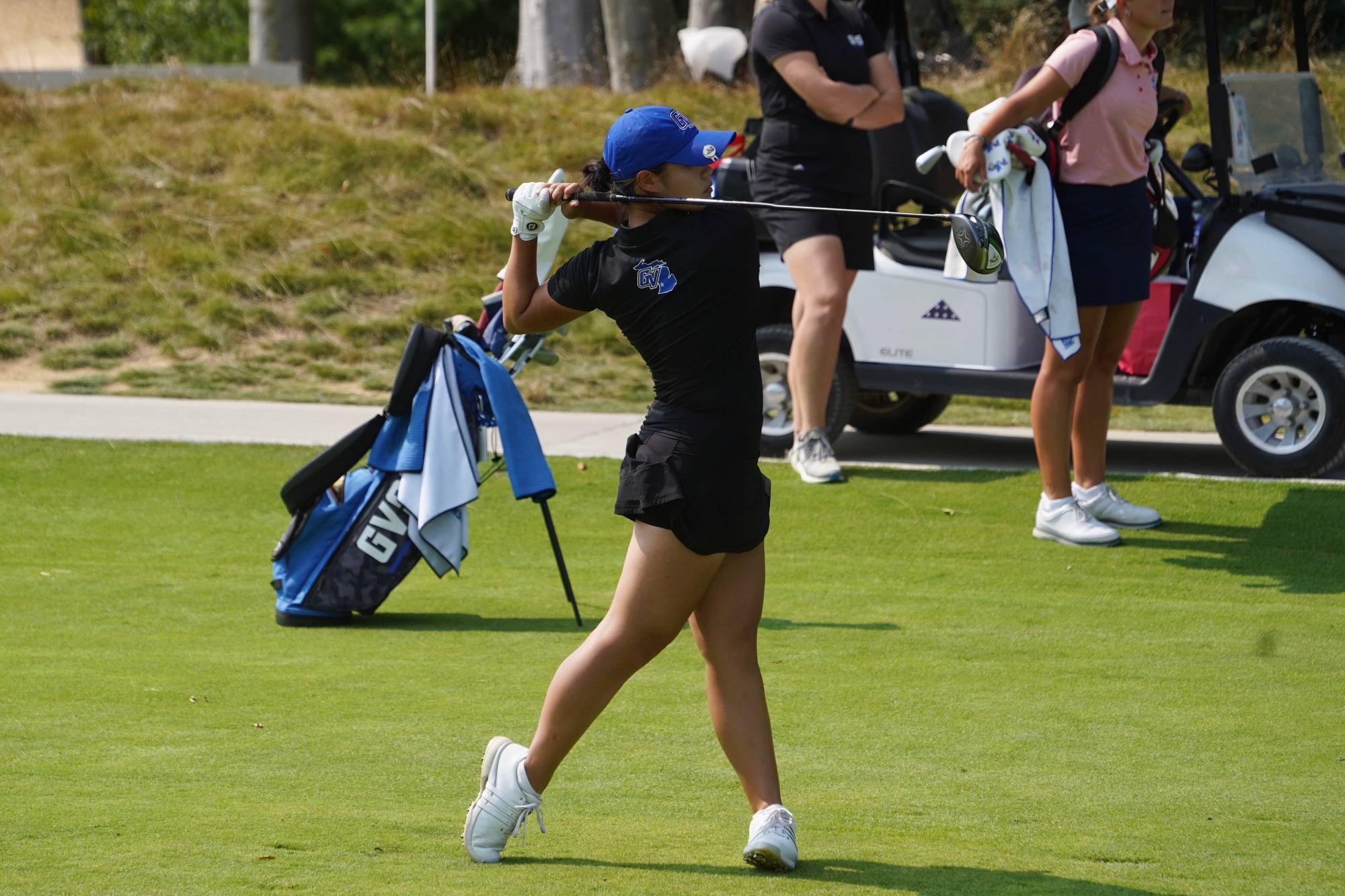
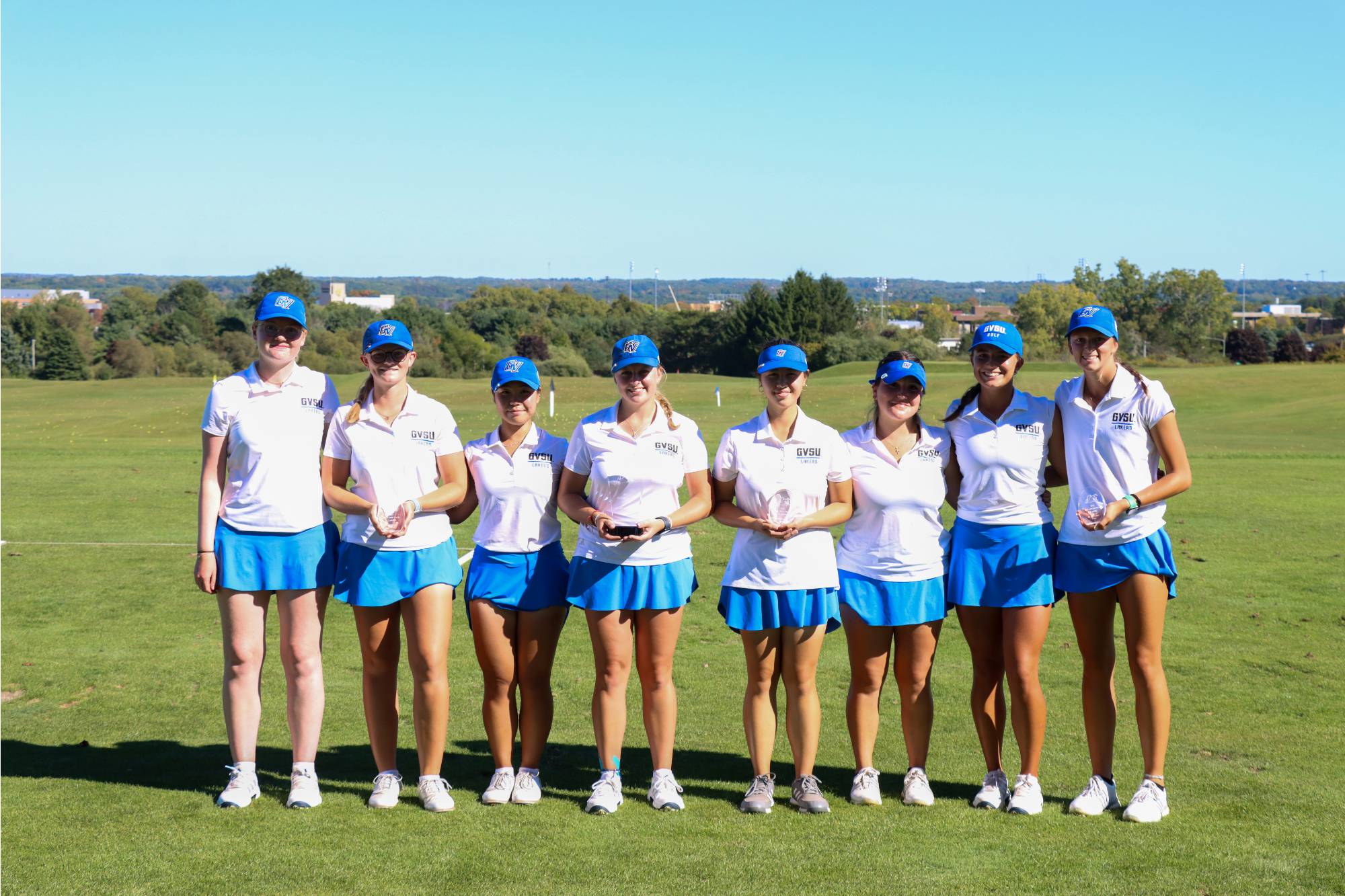
My name is Evelyn Park, and I play golf on the Women’s Team here at GVSU. I am a junior and I am majoring in Biomedical Sciences. Today, I wanted to share my ongoing journey to loving myself.
I was never an athlete. I was just a kid who liked the stillness out on the course, a date with my dad that I love, and the electric feeling in my body when I hit a pure shot. Golf always gave me puzzles to solve; it always took time but the satisfaction from the achievements felt like a drug. As I began to grow older and played in big tournaments, I started to focus on numbers. It was no longer about myself when I played; the scores determined my success and my potential. Naturally I started spending more time at practice, always perfecting my swing and never feeding my confidence. By the time of high school graduation, I became a player who was afraid of the results of my swing before even stepping in to play.
My discipline turned into self-punishment as time went by. I was not grinding, I was not growing, and I was not pushing because I wanted to see myself improve. It was because I hated the current version of myself and I would do anything to stop hating myself. It was a fact that was hard to accept. I pushed my limits every day, but doing it from a place of hatred, shame, or comparison, rotted me from inside out. It brought me nothing but misery and ended up on the hospital bed at the ER.
But when I chose self-improvement and discipline from a place of Love, not from a place of “I need to be better”, “I need to do this”, “I need to be the best”, It did not just make the grind worth it. It made it bearable. Love will give purpose to the pain that you are putting yourself through. Like love says “I am not doing this because I hate who I am. I am pushing because I love the person I am becoming”. “I get to play this sport that makes me happy”.
It took me a long time to realize that it’s not about competing against others. I am competing with my self-doubt, my procrastination, my comfort zone, my distractions, my impatience, my bad habits, my perfectionism, my excuses, my fear of failure and judgements from people that I cannot control.
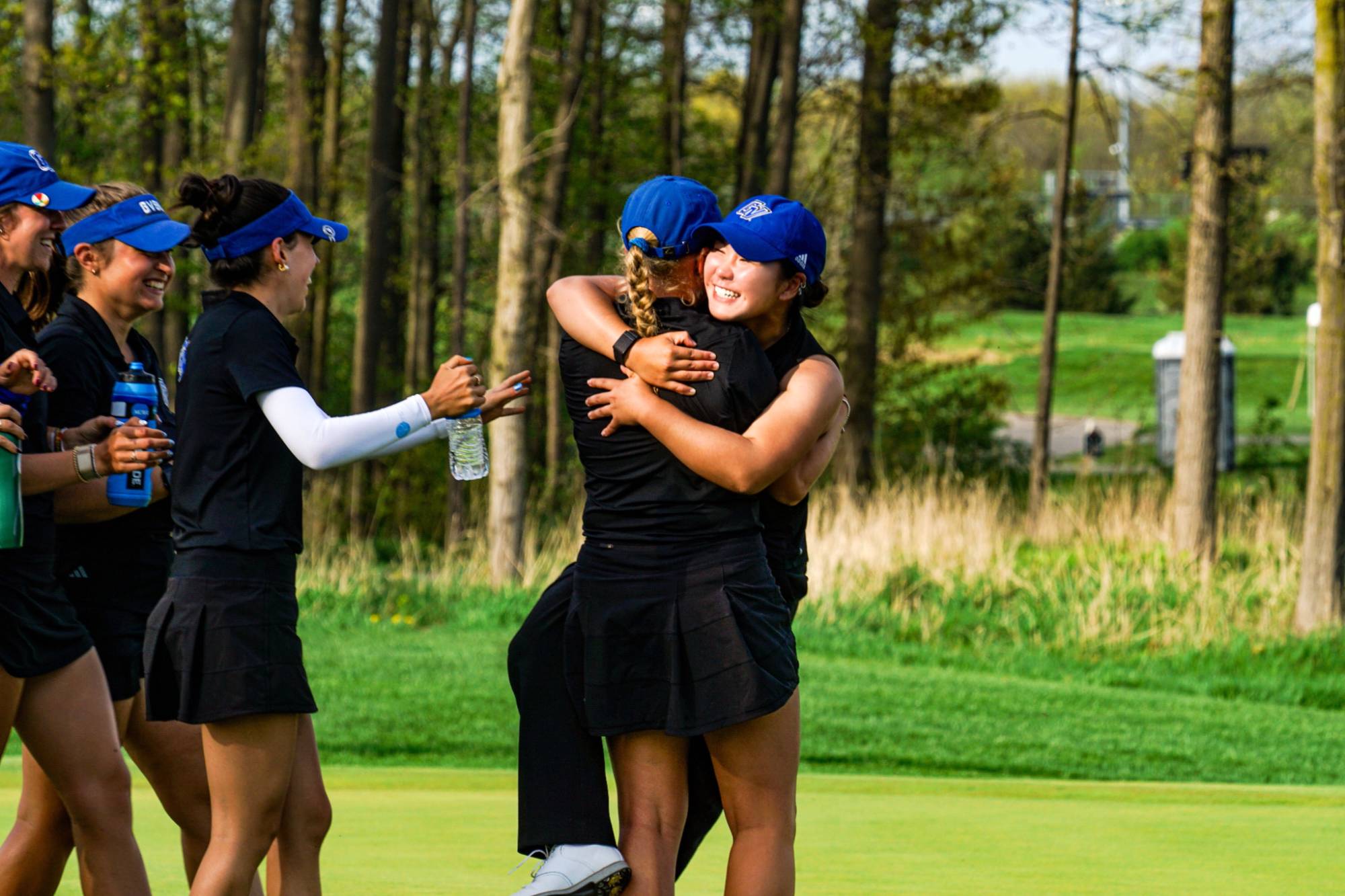
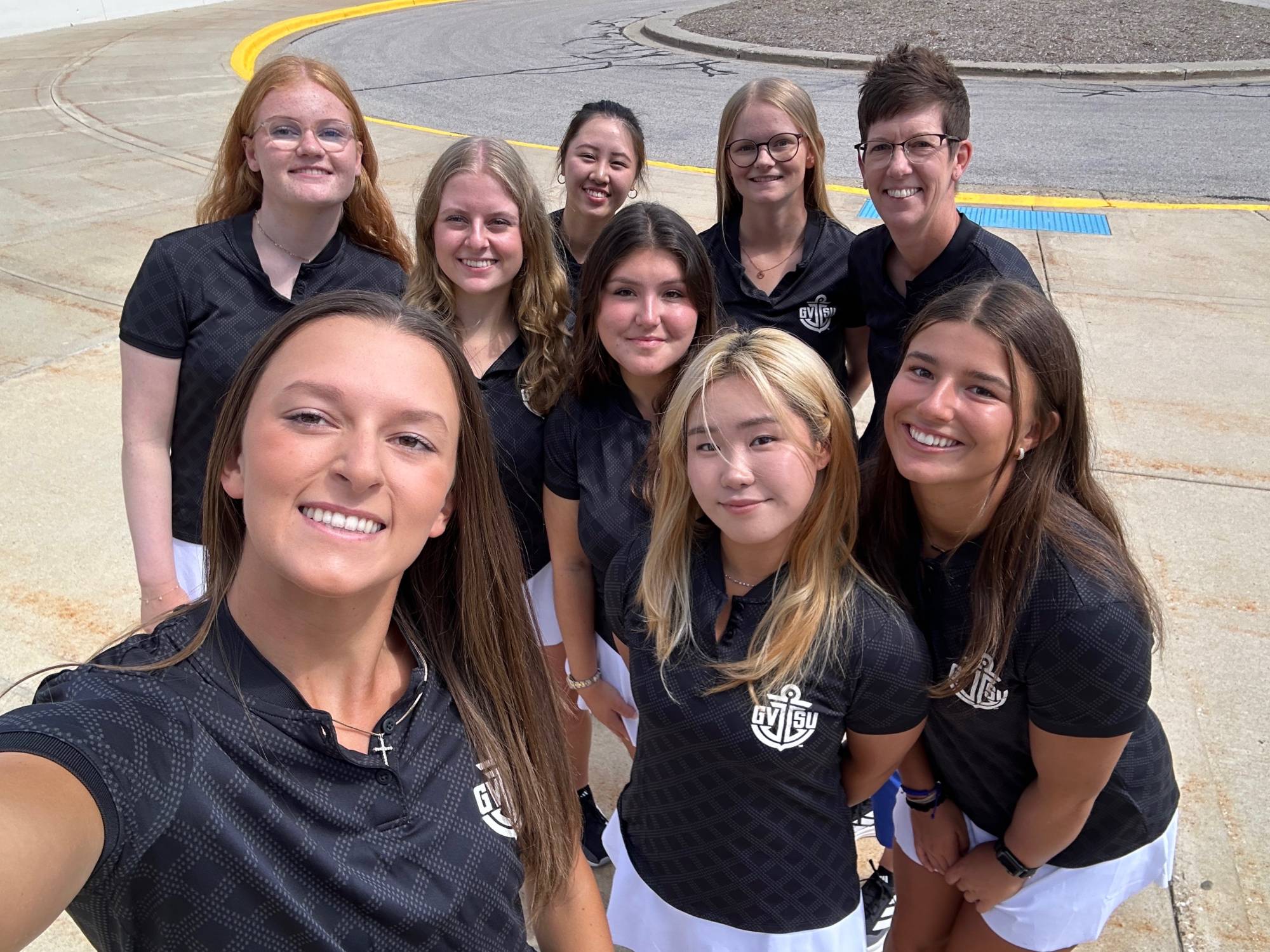
My love, you do not need to break yourself. All your efforts made with love will naturally plant the seeds that bloom over time. Once you know you did what it takes to be the one, all you need is the courage to put yourself out there and enjoy every single second. Today, I am so lucky to have my teammates and the coaches supporting me by my side. They bring me the opportunity to lead myself to success every day and open up doors for me. When in doubt, they remind me what kind of athlete, person, and a friend I am. So, this is my reminder for you to find your love for yourself.
Dear athletes, I hope you take your first step to find your true happiness.
Evelyn Park,
W Golf Team
Posted on Permanent link for Journey to Loving Myself on February 16, 2026.
Permanent link for College Athletes and Identity: More Than the Game on February 9, 2026
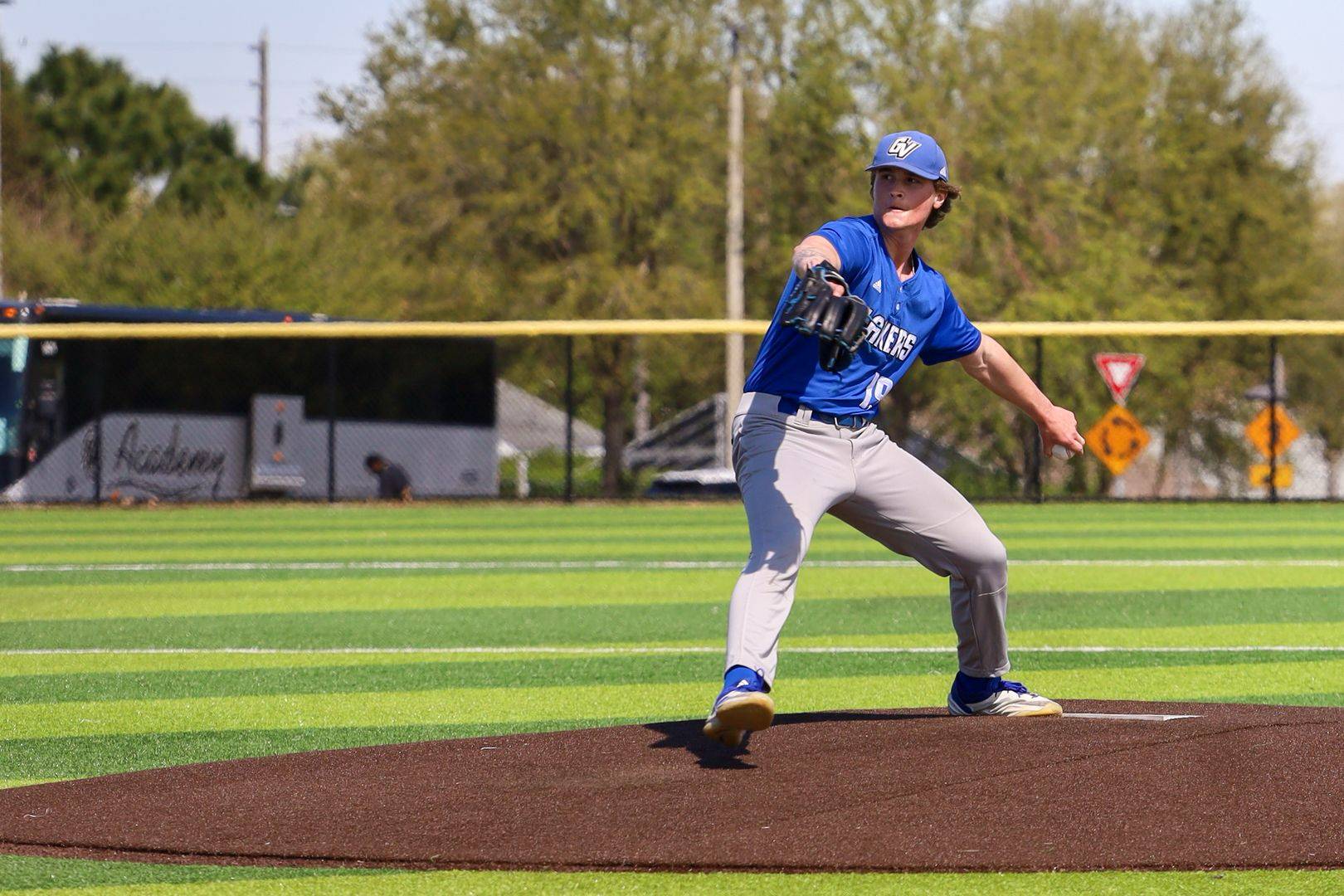
The self-concept refers to the thoughts and beliefs a person holds about who they are. It shapes how individuals understand their strengths, their limitations, and their place in the world. Self-concept develops over time through experiences, relationships, and roles that are repeatedly reinforced. For many people, identity remains flexible well into young adulthood. For college athletes, however, one aspect of identity often forms early and remains central for much of their life: the identity of being an “athlete.”
For many college athletes, the term “athlete” becomes attached to the self as far back as memory allows. Long before college applications, scholarships, or recruiting visits, the label forms on playgrounds, in youth leagues, and during weekend tournaments. Coaches, parents, teachers, and peers reinforce it constantly through praise and expectation. Comments like“you’re a natural,” “sports are your thing,” or “you’re built for this” are repeated year after year. Over time, athletic participation stops being something an individual does and starts becoming something they are. The athlete identity embeds itself deeply into the self-concept, often before other identities have had the opportunity to fully develop.
By the time athletes arrive at college, this identity has usually solidified. Unlike many of their peers, college athletes enter higher education with a clearly defined role, a rigid daily structure, and an immediate sense of belonging. At first glance, this appears to be an advantage. Athletics provide purpose, routine, discipline, and community. Yet beneath that structure exists a unique challenge. College also represents a critical period for identity exploration, a time when many young adults experiment with values, interests, and future possibilities beyond what they have always known.
For non-athlete students, college often functions as a space for self-discovery. Students explore different majors, join organizations, form new social circles, and test versions of themselves that may not have been possible before. This exploration plays a vital role in long-term identity development. Student-athletes, however, rarely experience this freedom to the same degree. Practices, training sessions, team meetings, travel, and competition schedules dominate their time. Social lives frequently revolve around teammates. Academic choices may even be influenced by athletic demands. As a result, the athlete identity does not loosen during college.In many cases, it becomes even more central.
This creates a developmental tension. At a stage of life when exploring new aspects of identity is especially important, student-athletes often continue to hold tightly to the “athlete” label because it remains the most reinforced and most visible part of their lives. Performance evaluations, playing time, scholarships, and public recognition all signal that athletic success carries significant value. Even academic achievement can feel secondary to athletic contribution. Over time, the athlete identity can overshadow other possible versions of the self.
This dynamic does not always cause immediate problems. Many athletes find deep fulfillment and pride in their sport throughout college. The difficulty often emerges later, when athletic participation comes to an end. In recent years, concerns surrounding athlete mental health have increased, particularly during transitions out of competitive sport. Whether retirement is expected or sudden, voluntary or forced by injury, the end of an athletic career can feel like more than the loss of an activity. For many athletes, it feels like the loss of identity itself.
When identity has been built primarily around sport participation, its removal leaves an unsettling void. Athletes may struggle with questions such as “Who am I without my sport?” or “What gives my life meaning now?” Research and personal accounts increasingly connect this sense of identity loss to anxiety, depression, and difficulty adjusting to post-sport life. This struggle does not reflect personal weakness or lack of resilience. Instead, it reflects the consequences of defining the self too narrowly for too long.
This is where reframing the concept of the athlete becomes essential. The term “athlete” does not simply describe someone who competes in physical contests. Athletics cultivate qualities that extend far beyond competition. Discipline, time management, perseverance, leadership, teamwork, accountability, and the ability to perform under pressure all develop through years of training and competition. These qualities do not disappear when a season ends or eligibility expires.
The problem, then, lies not in identifying as an athlete, but in equating that identity solely with physical performance or competitive success. When athletes believe their value exists only within the boundaries of sport, identity loss becomes almost inevitable after participation ends.When athletes understand that being an athlete also means carrying a set of skills, habits, and values into other areas of life, the transition becomes more manageable. College represents a critical opportunity to broaden this understanding. Institutions, coaches, and athletes themselves can work toward expanding identity rather than replacing it. This does not require reducing commitment to sport. It requires encouraging athletes to recognize and develop aspects of themselves beyond performance. Academic engagement, leadership roles, community involvement, internships, and career exploration all help athletes integrate additional dimensions into their self-concept.
Importantly, expanding identity does not diminish athletic excellence. In many cases, it strengthens it. Athletes with a more balanced sense of self often experience reduced performance anxiety and greater emotional stability. They compete with intrinsic motivation rather than fear of losing identity. Their sport becomes something they love and value, not the sole measure of their worth.
s conversations surrounding athlete mental health continue to grow, identity must remain central to the discussion. Supporting college athletes means addressing more than physical demands or performance stress. It means helping them develop a self-concept that can endure beyond sport. College athletes do not need to stop being athletes. They need support in recognizing that they have always been more than the game they play.In the end, the athlete identity does not disappear when competition ends. The lessons learned through years of dedication, sacrifice, and teamwork remain. The challenge lies in helping athletes see that who they are has always extended beyond the field, the court, or the track.


Posted on Permanent link for College Athletes and Identity: More Than the Game on February 9, 2026.
Permanent link for Who Am I Without My Sport? on February 2, 2026
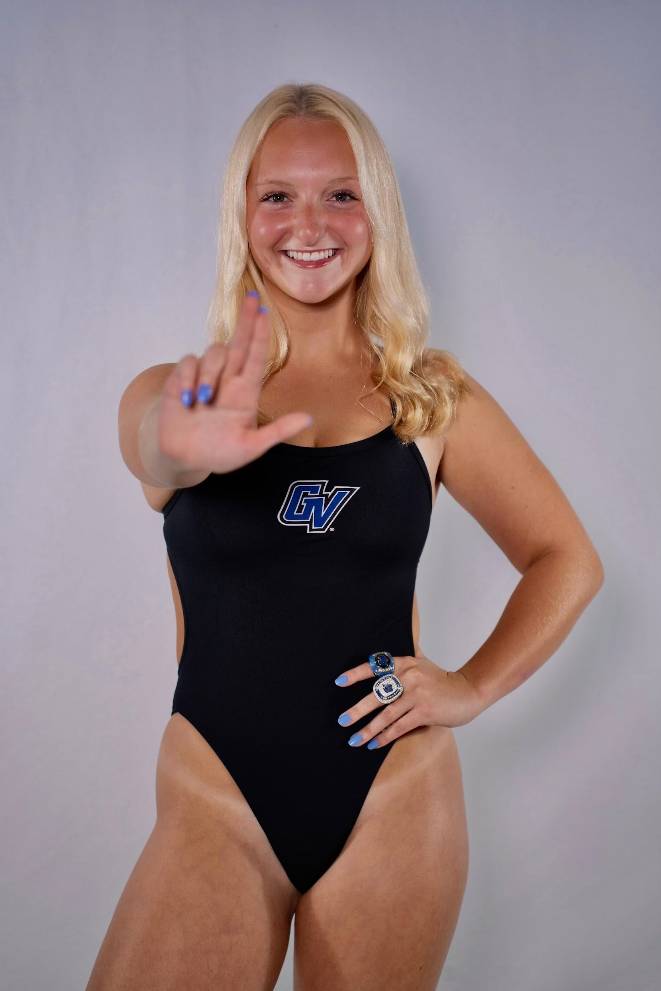
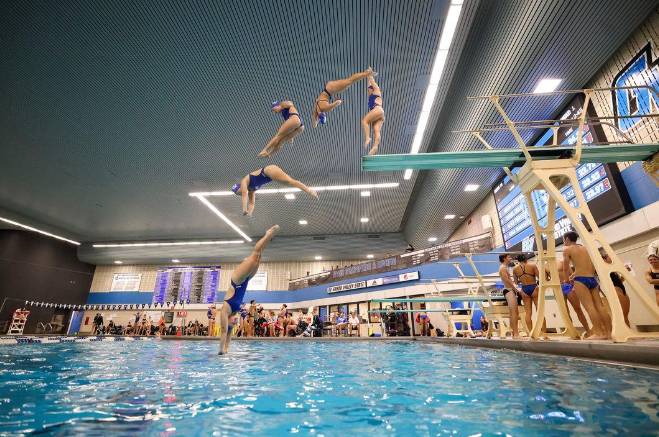
My name is Macy Polasek! I’m a junior at Grand Valley State University on the swim and dive team, studying Wildlife Biology and Natural Resource Management.
I started off my athletic career as a gymnast. Gymnastics taught me discipline, body control, and time management, but it also became an obsession with perfection. Dealing with mental blocks, negative teammates and coaches, created a mindset that hindered my self worth. At the end of my 13th year, I spent more energy worrying if I was “enough” than actually enjoying the sport.
Eventually, I realized I had lost my love for gymnastics.
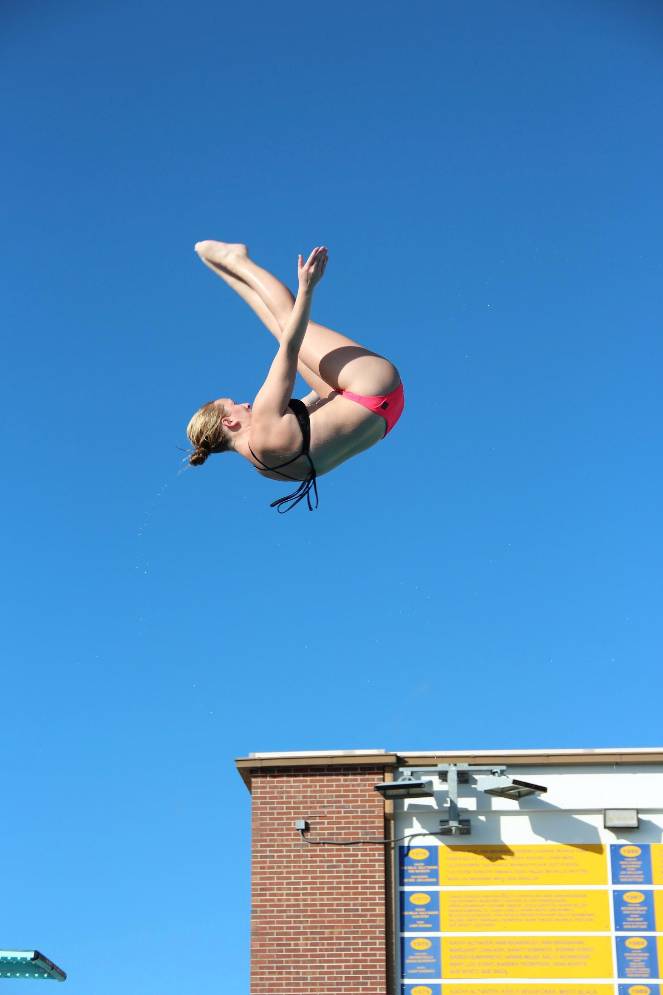
It wasn’t worth spending my time on something that no longer brought me joy. I was lost, confused, struggled with finding my purpose, and that’s when I threw myself into the world of diving. With it, came struggles of its own, but I LOVED how I was trying something new.
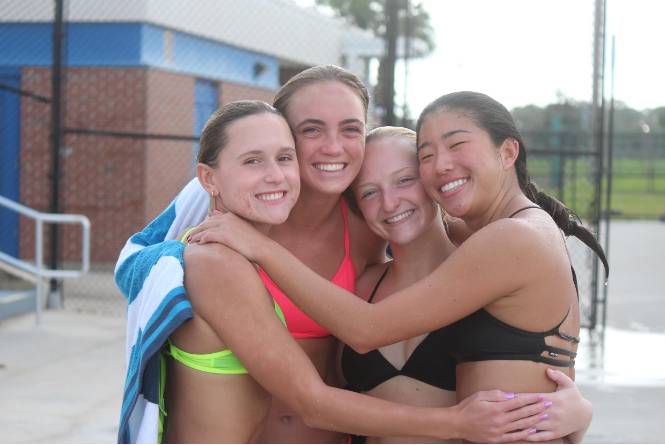
After high school, GV gave me a team I adore, people with the most infectious personalities, a support system that lifts me up, and a family who cheers for me no matter what. I practice and compete because I genuinely love it, not because I feel like I have to be perfect. I’m learning that I don’t have to be flawless to be enough.
Diving has taught me that beyond sports, I am many things: an explorer who gets lost in nature, a baker who experiments with recipes, an artist, a writer, a movie enthusiast, a daughter, a sister, and a friend. These parts of me are just as important as my athletic identity, if not more so. Diving gave me freedom. Diving made me realize it’s the combination of all these things that makes me who I am.
I want to encourage anyone reading this to spend your time doing what you love, not what you think you should love. Remember “our hearts and our bodies are given to us only once”- André Aciman. We only get so many years to explore, learn, and connect. Put your phone down, pick up a new hobby, talk to your classmates and professors, be curious and ask weird questions. Life is so rich when you embrace all the layers of yourself, not just the part that shows up on a scoreboard.
So, who am I without my sport? I am still Macy. I am kind, generous, curious, passionate, imperfect, and growing every day. Diving is a part of my life, but it doesn’t define me, just like gymnastics didn’t. Everyday I notice that being fully myself, beyond scores, placements, and medals, is more rewarding than anything perfection could ever offer.
With love,
Macy
GVSU Swim + Dive#LakersRiseTogether
Posted on Permanent link for Who Am I Without My Sport? on February 2, 2026.
Permanent link for A Letter to My Younger Self from a Laker Who Kept Going on February 2, 2026
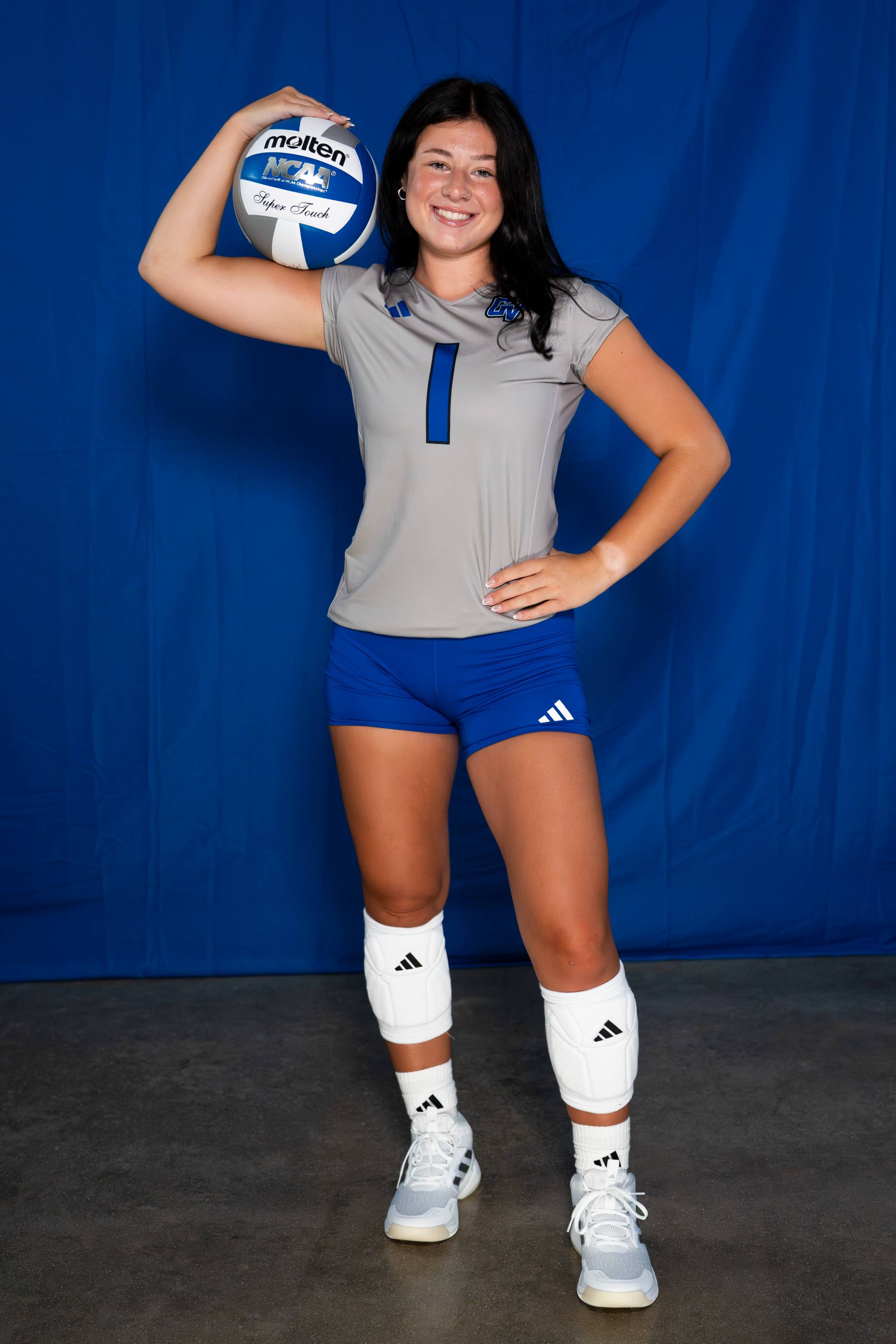
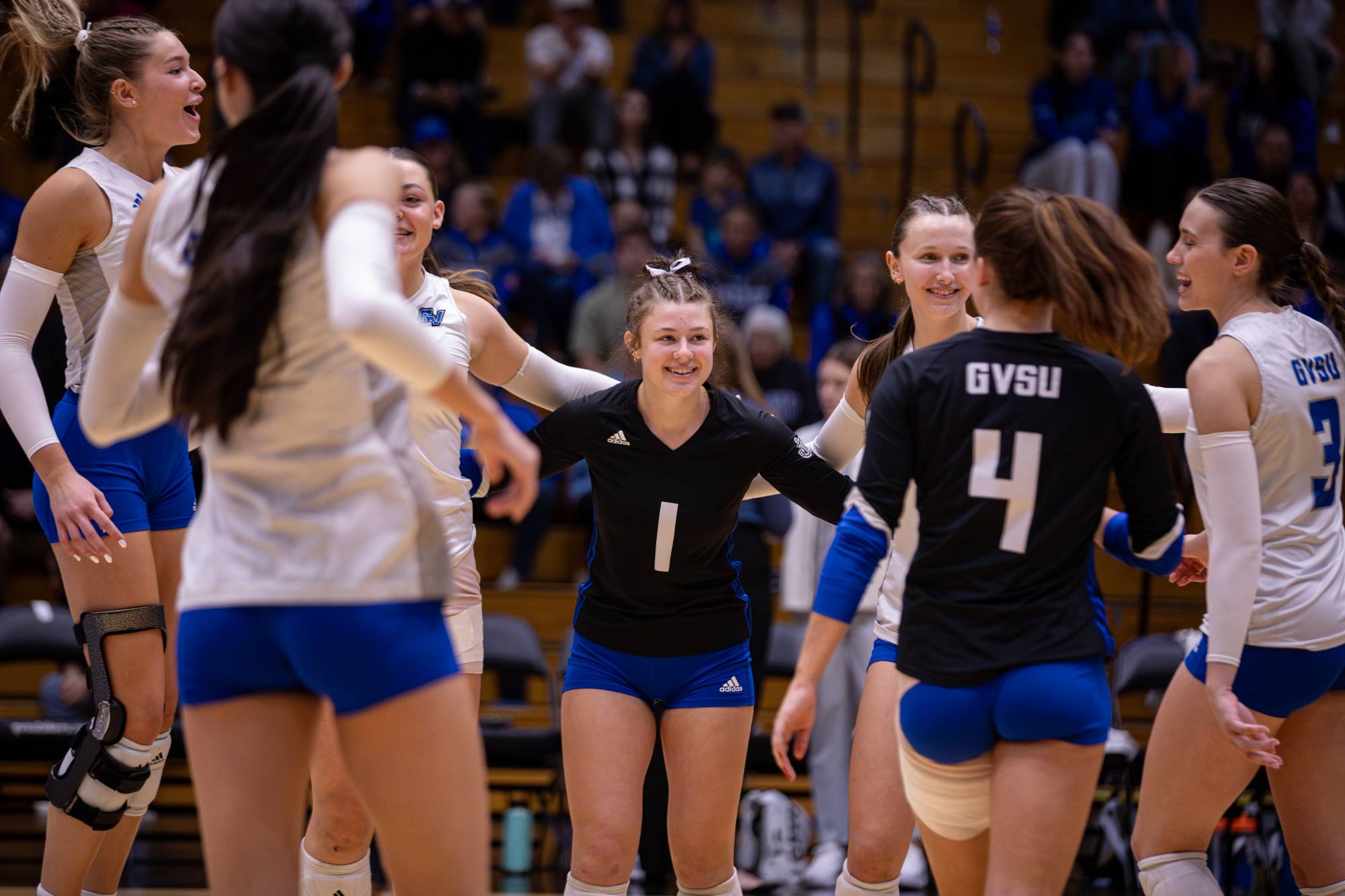
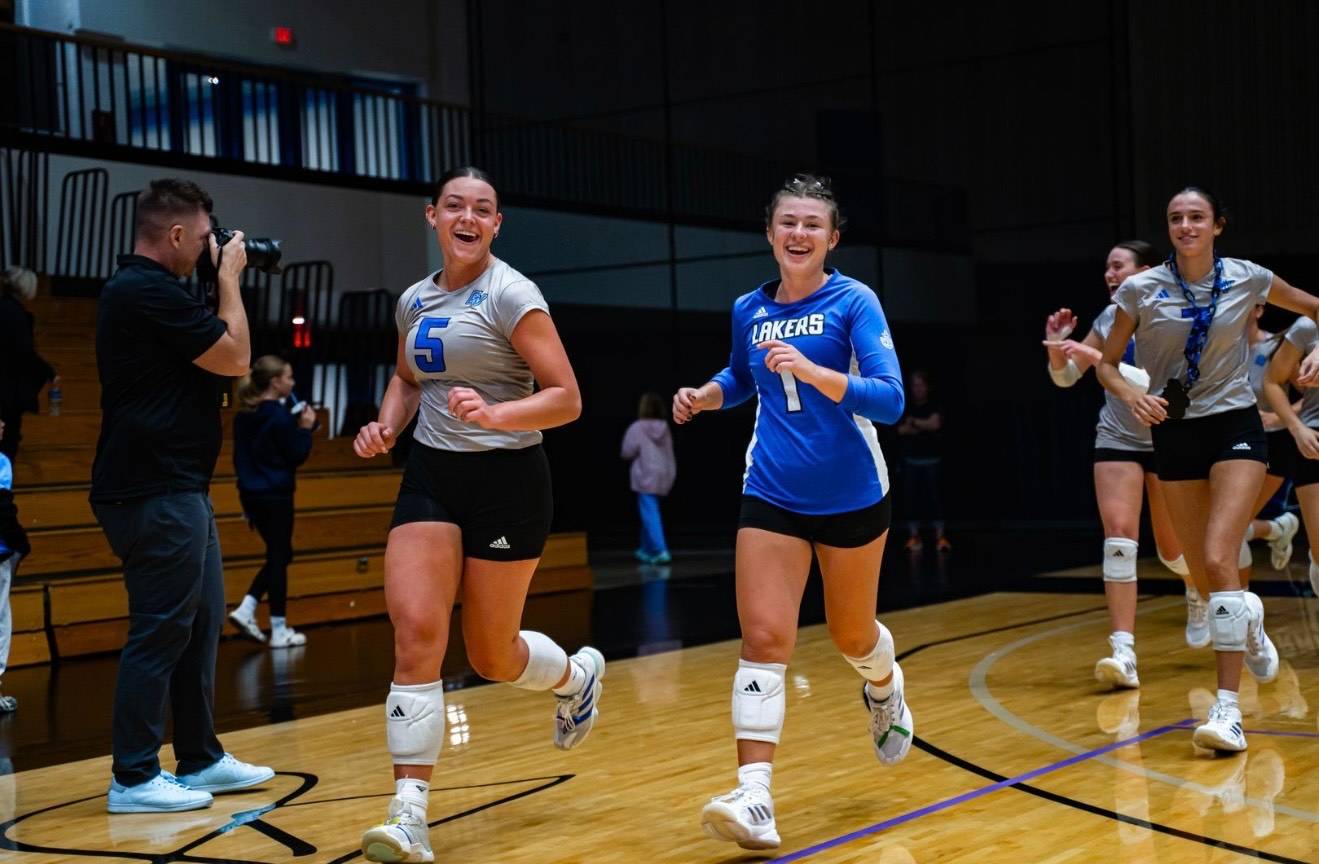
Hi there! My name is Olivia Behen and I am a sophomore on the volleyball team. As I was preparing how to put my story into words, my mind kept drawing blanks. All I kept thinking of was younger Liv and how thrilled she would be that I’m here writing this now! So, I decided that I’m going to write a letter to her, and just maybe, this letter can resonate with others too.
Dear Liv,
You’re currently in the midst of your sophomore year of college and you play on the volleyball team at GVSU! The same older girls you used to look up to, you are one of them now. One of the older girls that gets to live with her best friends, go on trips with her teammates, and decorate her room just how she wants to, ALL ON HER OWN! As glamorous as this all is, there’s also some other things that I bet you didn’t dream of.
Believe it or not, I was very homesick and lacked confidence when I stepped on campus. No matter how tough I tried to act- it was hard. And yes, even though I’m a college student now… sometimes I really just wanna be with mom and dad. Freshman year was hard. It is for everyone, but a lot of the time it felt like I was being kicked while I was already down. Two days before I moved into my apartment, Uncle Paul passed away from a cruel cancer. I missed the first day of classes and drove to and from the funeral services all on my own. A couple weeks later I got into a car accident on the way to one of our games. Thankfully, both myself and the other person involved in the accident walked away un-injured, but we also walked away all on our own. About a week later, it was Uncle Paul’s first birthday in Heaven. If you remember, one of his favorite things was seeing the sunset over Lake Michigan. I had planned all day to go watch the sunset in Grand Haven that night, but the sun was down before I could get there, and this hurt deep. For the first time, I realized I didn’t have to be all on my own. In that moment, I accepted that I needed to be with people. No matter what homework assignment, social plans, or routines I had scheduled that night, they could wait. I drove to Aunt Rita’s house that night and Aunt Rita, Mom, and myself spent the rest of that very hard day together. It didn’t make things perfect, but it made things a bit softer at that moment. To quote Ted Lasso, “I promise you, there is something worse out there than being sad, and that is being alone and sad. Ain’t nobody in this room alone”.
Now Liv, what I didn’t realize at the time is that I was never alone. My people had always been there for me and always would be, I just needed the strength to reach a hand out. After accepting that I needed my people with me, I found the strength to open up to my roommates more, find an amazing therapist to work with, and even sit down in my coach’s office to say “I am not okay, and let’s make a plan”
Fast forward a year later and life has really taken a step forward. I have the best teammates in the world, I am passionate about earning my degrees in both social work and psychology, I’m a part of the Anchor Team that is dedicated to helping my teammates and classmates get the mental health support they need… and I get to do it all with my people around me.
Now, for anyone who may need to hear this message too- I urge you to stretch your hands out and reach out to people in times of crisis. We as humans are social creatures,
yet we live in a society that so often romanticizes getting through hard times independently. We NEED people! Life is still not perfect and it is far from easy all the time, but with the right village surrounding you, you can find the beauty in everything. I believe that is what life is all about.
C Liv
Posted on Permanent link for A Letter to My Younger Self from a Laker Who Kept Going on February 2, 2026.