


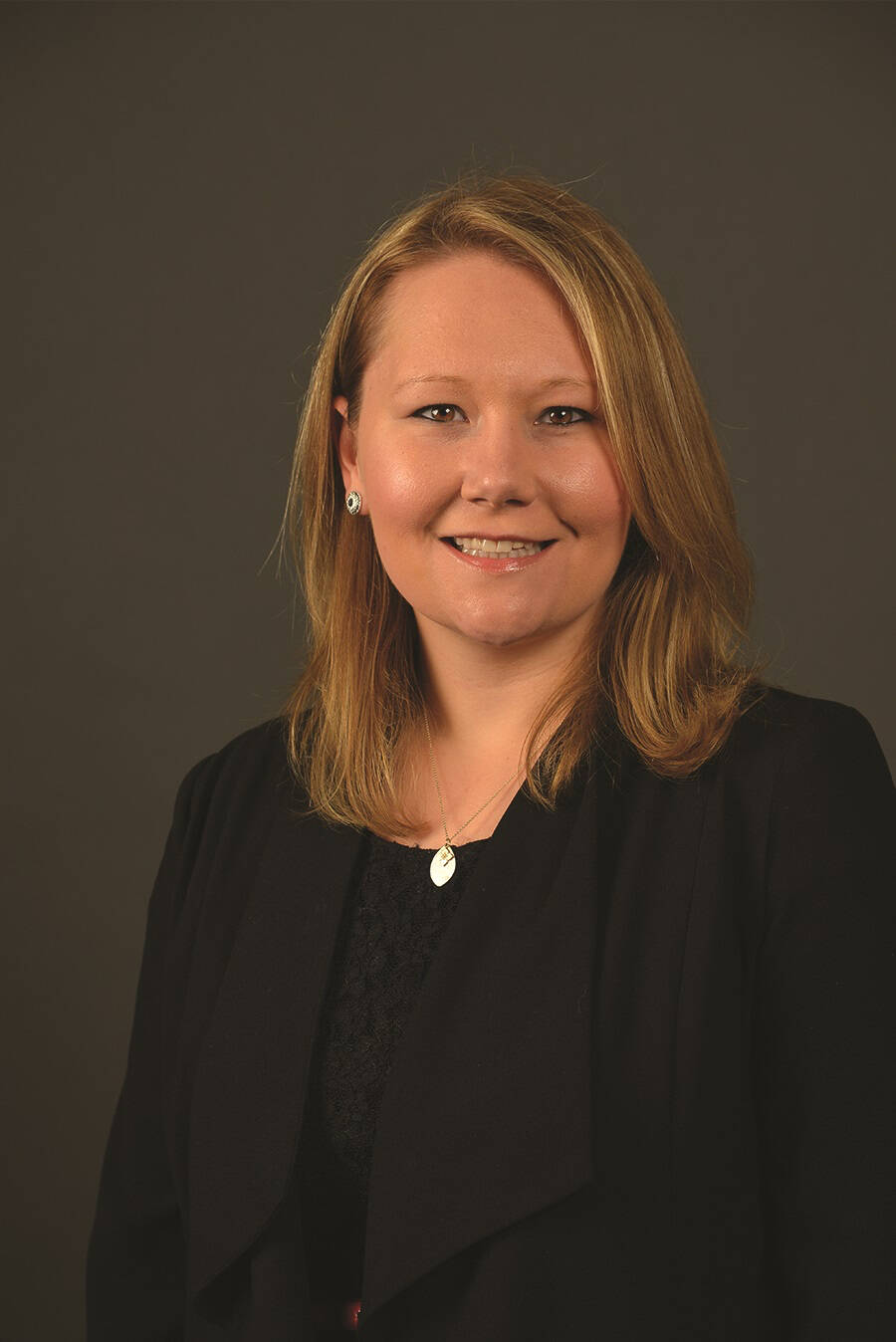
2004 Alumni Spotlight: Leah Omilion-Hodges
Published September 22, 2026 by Christopher Toth
Current job title
Graduate Director & Professor, School of Communication; Western Michigan University
Describe your current position
I am a Professor of Communication and the Graduate Director at Western Michigan University, where I teach courses on leadership, persuasion, and public relations. My career is defined by a commitment to advancing the field through my research—including over 35 peer-reviewed articles and an upcoming fifth book—as well as through my work as an Associate Editor for Management Communication Quarterly.
Outside of academia, I host the podcast The Communicative Leader, dedicated to helping professionals thrive in their work lives. Of all my professional responsibilities, I find the most fulfillment in working directly with our undergraduate and graduate students, supporting them as they transition into their own leadership roles.
To what extent does writing relate to your current position? What type of writing/design do you do for work?
Writing is the foundational thread that ties all my roles together. As an academic, writing is how I contribute to the discipline; I treat my research—including my peer-reviewed articles and book projects—as a way to translate complex organizational dynamics into actionable insights.
That philosophy carries over into my applied work as well. Whether I am drafting advising materials to streamline the student experience, developing scripts for The Communicative Leader to ensure the content is both accessible and impactful, or serving as an Associate Editor for Management Communication Quarterly, my goal is always to write with clarity and purpose.
In terms of design, I’m highly intentional about the 'architecture' of information. I often create navigational resources—like my 'One-Page Advising' guides—designed to remove friction for students and faculty alike. Ultimately, I view writing and design as tools for leadership: they are about taking complex, often overwhelming information and transforming it into something that empowers people to speak up and find their voice.
Describe your path from graduation at GVSU to your current position.
My journey from GVSU to my current position at Western Michigan University was defined by a steady transition from the corporate sector to the classroom. After graduating, I began my career as a Communication Specialist at GMAC Mortgage, where I led the development of corporate reports and high-stakes proposals. That foundational experience in technical writing and corporate strategy paved the way for my transition into the non-profit sector as a Marketing Communication Specialist for St. Joseph Mercy Oakland.
At St. Joseph Mercy, I specialized in 'translational' communication—partnering with physicians and subject matter experts to turn complex medical information into accessible, audience-centered content across service lines like Orthopedics and Neuroscience. My role there also included serving as an Emergency Preparedness Officer, which taught me how to communicate with clarity and calm during high-pressure crisis events.
Throughout these years in industry, I was pursuing my MA in Public Relations & Organizational Communication and my PhD in Organizational Communication & Research Methods at Wayne State University in the evenings. The more I delved into my graduate research, the more I realized that while I loved my industry work, my true calling was in the classroom and the research lab. I was fortunate to be supported by the King-Chávez-Parks Future Faculty Fellowship and the Rumble Fellowship during the final year of my doctoral studies. Those opportunities allowed me to focus entirely on my research and teaching, ultimately bridging the gap between my professional background and my current role as a tenured professor at Western Michigan University.
What parts of the writing major had the strongest impact on you as a professional?
The professional writing courses at GVSU were transformative for me. I distinctly remember the classes I took with Emeriti Professors Kountz and Dwelle—they remain touchstones that I reflect on even now. What made those courses so impactful was their heavily applied nature; they effectively collapsed the distance between being a student and becoming a working professional. By engaging with real-world communication challenges in the classroom, I felt prepared to navigate the professional landscape immediately upon graduation. That bridge—the one between theory and practice—is exactly what I strive to build for my own students today.
What advice would you offer to current/future writing majors at Grand Valley?
My advice is simple: if you love to write, never stop. The professional landscape will always be unpredictable, especially as new technologies continue to shift how we communicate. However, the ability to craft a clear, audience-centered story—whether it’s a press release, an email, a social post, or a novel—is a timeless, high-value skill that never goes out of style.
I often think of writing as a 'toolbox.' My education at GVSU provided me with a vast set of tools that I rely on every single day—not just in my career, but in my home life and my community work as well. Whatever path you choose, keep building that toolbox, keep practicing your craft, and remember that being an effective communicator is one of the most versatile and resilient assets you can possess.