Water in the West Program - A Deep Dive into Complex Water Resources Issues
What is the Water in the West Program?
A high-impact learning experience that was offered for the first time in the spring of 2023.This program is a deep dive into learning about water issues first-hand through experts and experience. The program satisfies requirements for honors students, natural and environmental science majors, and geology majors. The program is offered during the first spring term and includes one week of online coursework before and after a 3-week trip to the southwestern United States (Colorado, Utah, Arizona, and New Mexico).
More information about Water in the West 2027 coming soon! The trip is currently planned for May 8-30, 2027! Reach out to Dr. Jordyn Stoll at [email protected] to learn more!
In 2023 GV Magazine featured an article about the program with more details. You can find it here
Water in the West 2023 Video Highlights
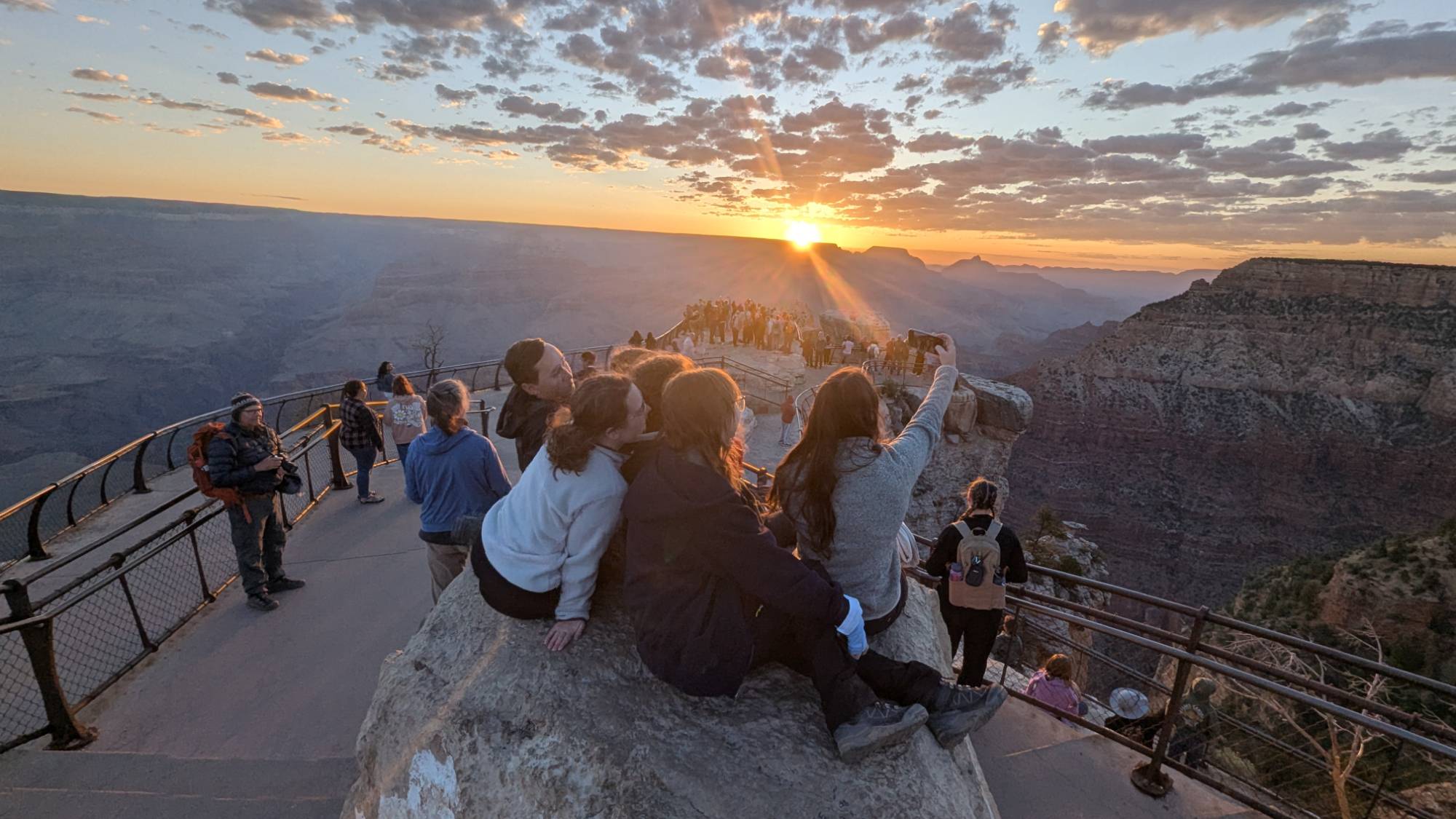
2025 WIWP participants at Grand Canyon National Park for a sunrise.

What credit can I get for participating in the water in the west program?
List of possible course credits that could be granted. Maximum of 6 credits per student. All students regardless of major or status as a member of the honors college will sign up for two honors courses HNR280-1 and HNR280-2. These credits will then be applied whatever requirements are most beneficial to the student.
|
Course |
College |
Student Pool/Requirement Met |
|---|---|---|
|
HNR 350 - Integrative Seminar (3 credits) |
FMHC¹ |
Honors Students |
|
HNR 351 - Integrative Seminar (quantitative) (3 credits) |
FMHC |
Honors Students |
|
HNR 300 - Campus/community engagement experiences (3 credits) |
FMHC |
Honors Students |
|
HNR 401/499 Senior Project (3 credits) |
FMHC |
Honors Students |
|
ENS 280 - Special Topics in ENS |
CLAS² |
Upper level credit applicable to ENS and Honors |
|
ENS 380 - Special topics in ENS |
CLAS² |
Geology elective; possibly ENS |
Geology students can also petition the geology department that the credits count for other geology courses such as GEO 220 - Earth Surface Materials and Systems or GEO 320 - Geomorphology
ENS majors can get credit for up two of the following categories: Triple Bottom Line Overview – Physical and Life Sciences. The Focus Area of Water Resources within the Social and Cultural; Physical and Life Science; or Political and Economic Perspectives. ENS minors can also get credit for Physical and Life Science Perspectives.
¹Frederik Meijer Honors College (FMHC)
²College of Liberal Arts and Sciences (CLAS)
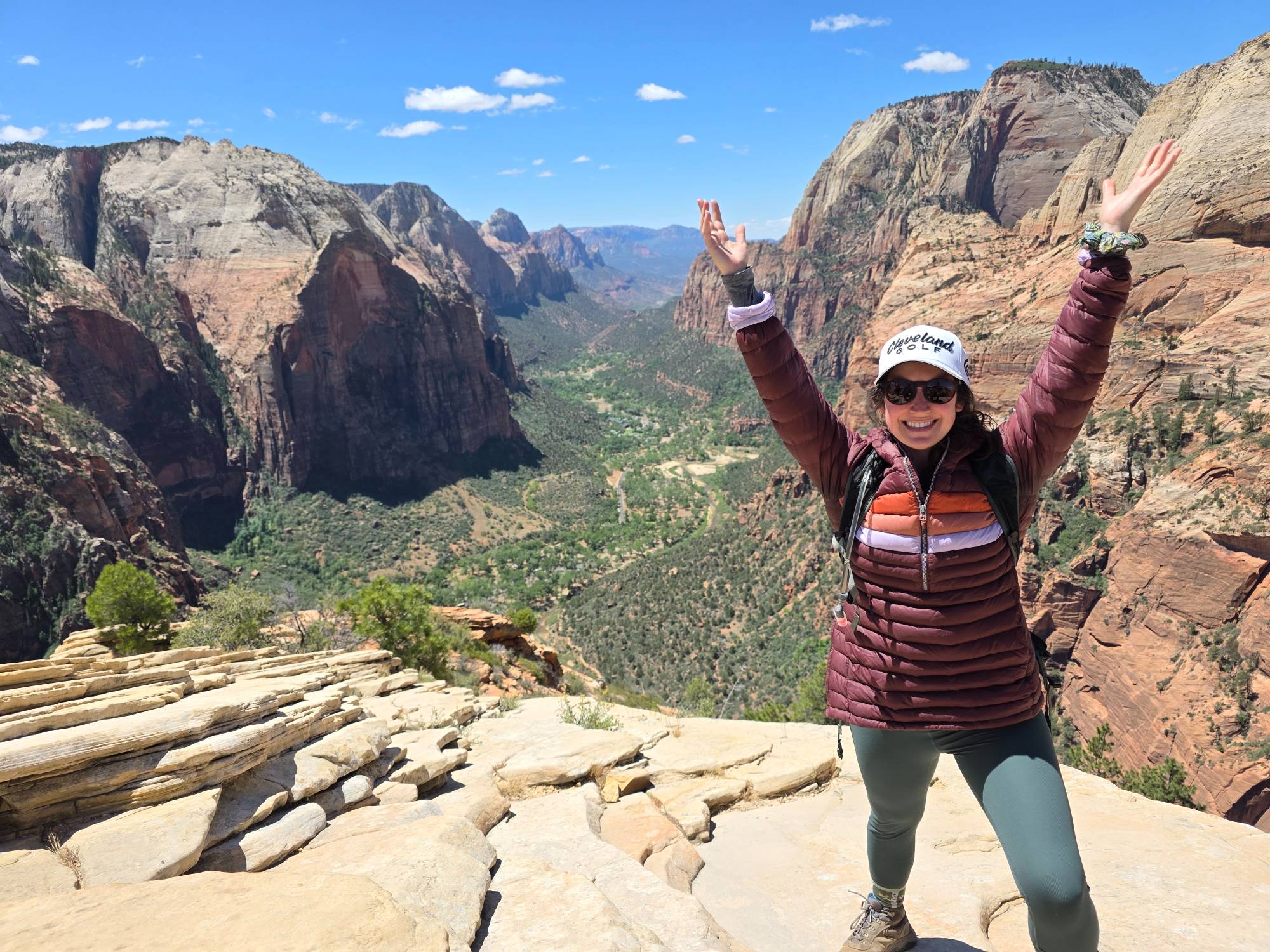
Dr. Jordyn Stoll
Who designed and teaches Water in the West?
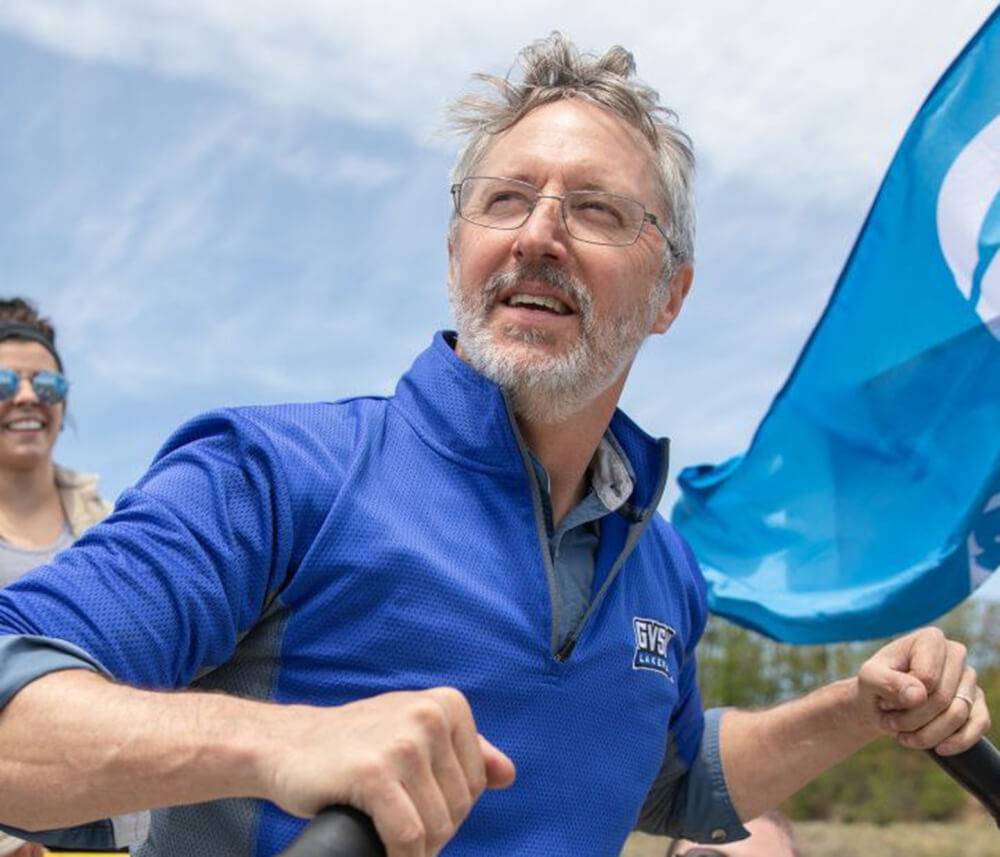
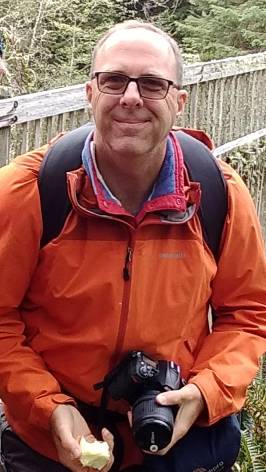
Drs. Peter Wampler and Peter Riemersma designed the Water in the West trip and initiated the program in 2023. Since both are retiring from GVSU at the end of 2026, Dr. Jordyn Stoll is taking on the course for 2027. Dr. Stoll is an Aquatic Ecologist who studies nutrients, algae, and their ecosystem level interactions. Her work has taken her across our Great Lakes as well as to Lake Victoria, Kenya. Dr. Stoll's ongoing research also involves stream restoration, including habitat improvement project and beaver management (not beaver removal!). Visit Dr. Stoll's website to learn more about her work!
Dr. Peter Wampler
Dr. Peter Riemersma
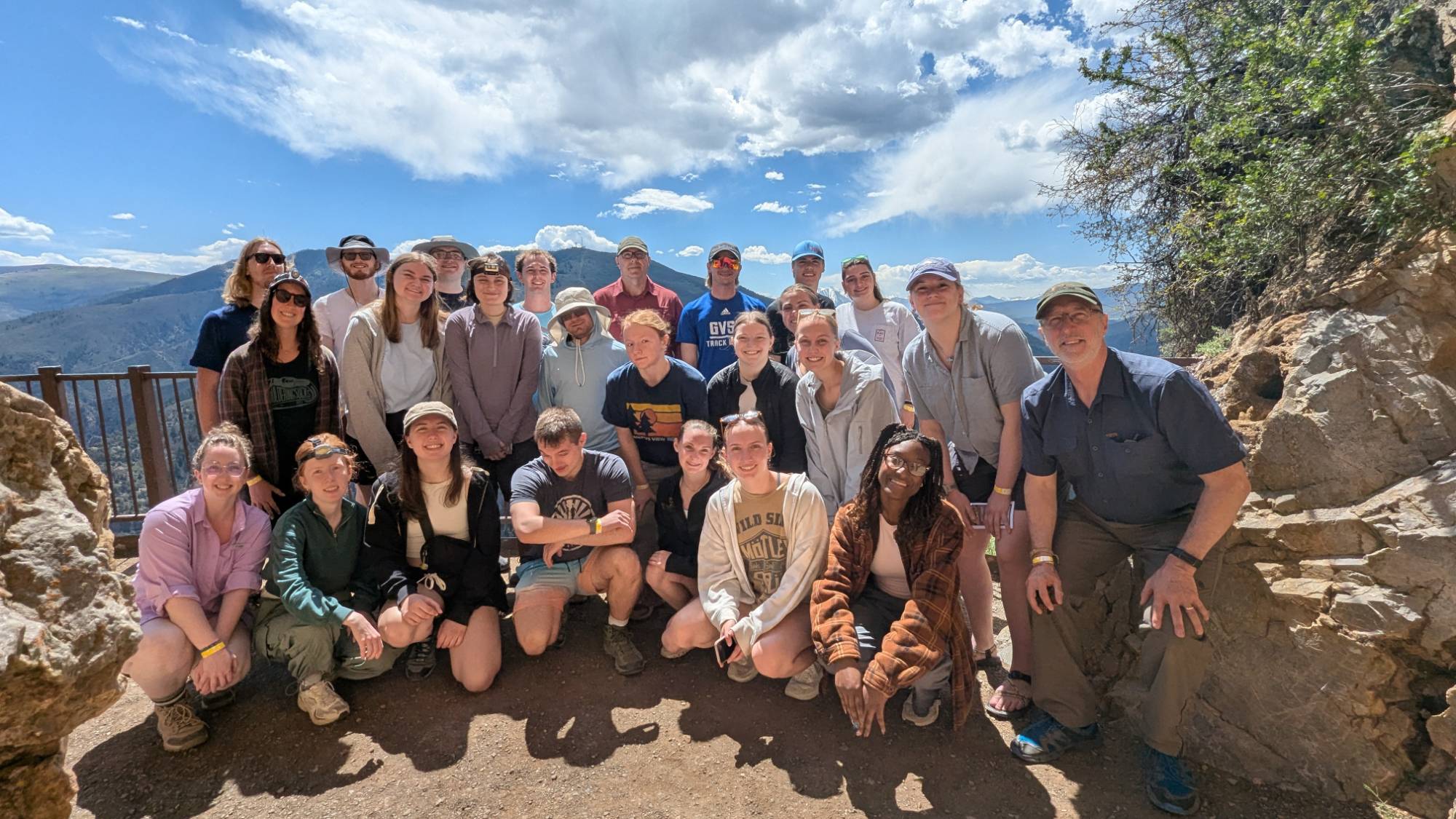
2026 Participants at Glenwood Canyon Lookout