

Mastering the Fail-Fast Approach: A Blueprint for Entrepreneurial Success
Published April 5, 2024 by Thomas Hopper
Throughout my career, I've focused on developing cutting-edge technologies and products. One of the most influential figures I've worked with, a brilliant scientist, introduced me to the concept of "fail fast."
Previously, my approach revolved around testing various inventive ideas and assessing their viability. As a team, we aimed to replicate successful outcomes and iterate on new concepts.
While we experienced some successes, we also encountered numerous failures, some of which were avoidable and overshadowed our achievements. Failure can come with significant costs.
As we progress towards market launch, flexibility decreases, and changes become more expensive. Simultaneously, development expenses escalate, making it crucial to identify and address potential flaws early on to minimize costs.
The fail-fast mindset acknowledges that no idea is perfect and seeks to identify weaknesses swiftly and efficiently. Rather than focusing solely on success, the emphasis is on identifying and mitigating failure points.
To implement this approach, it's essential to define clear hypotheses and develop a comprehensive test plan. For example, testing different website designs through A/B testing to determine their impact on conversion rates.
By embracing the fail-fast approach, entrepreneurs can quickly learn from mistakes and make necessary improvements. Failure becomes an opportunity for growth rather than a setback.
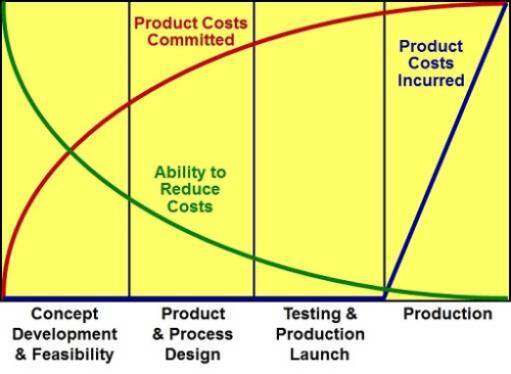
When developing new products or services, the costs spent on development increases, while the flexibility in making changes to the design of the product or service decreases. Image from NPD Solutions.