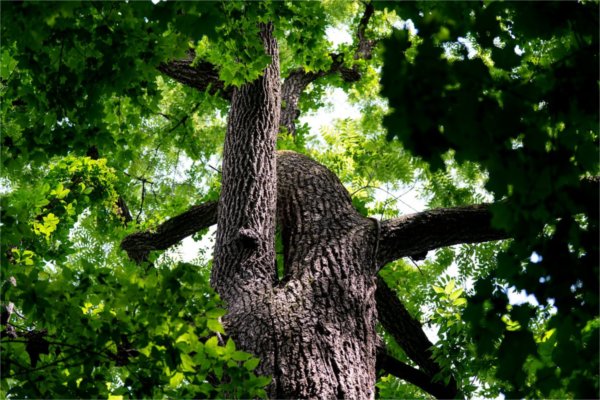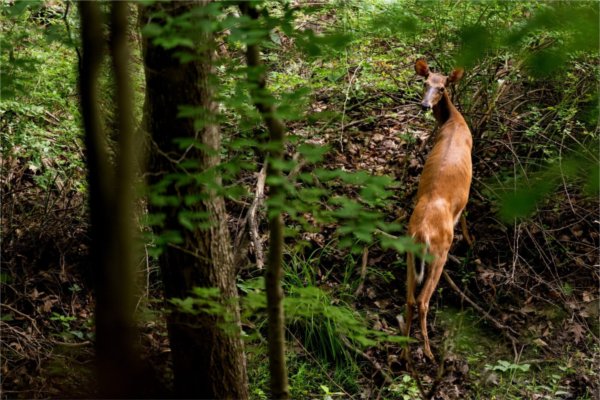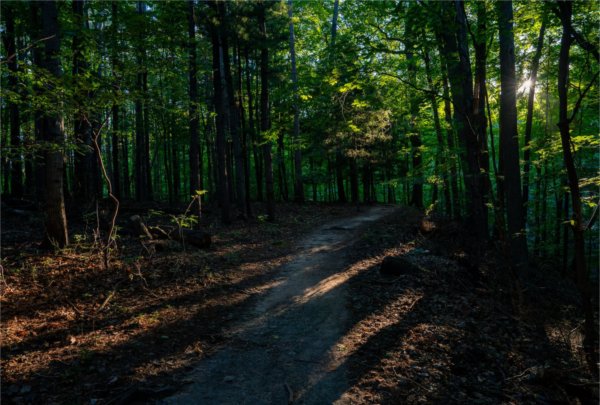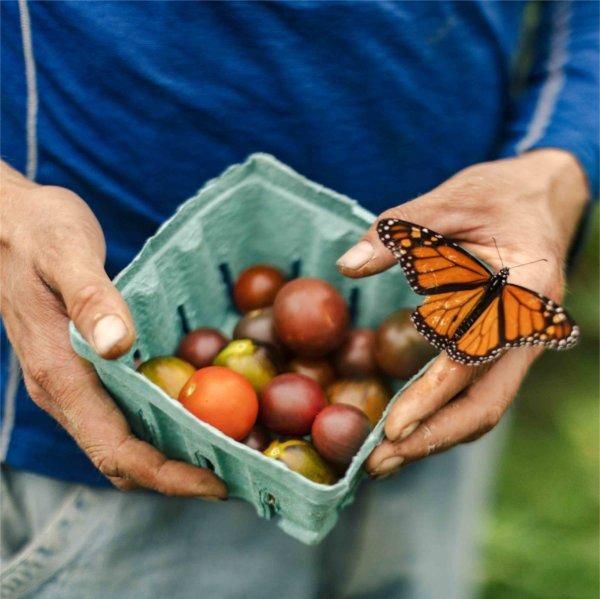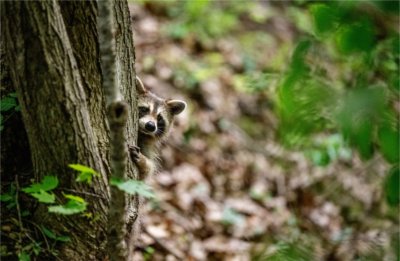


While many Lakers were away for the summer, the Grand Ravines were in full bloom.
A quiet campus provided ample opportunities for wildlife — everything from raccoons to Eastern gray squirrels to red-tailed hawks and more — to venture out and explore.
Nestled between the Grand River and the Valley Campus, the ravines are a natural hidden gem entirely unique to GVSU. While the unpretentious beauty of the ravines has flown under the radar for many over the years, their impact on campus can be seen everywhere, right down to the shape of campus itself. The two main roads that run north/south on campus, Campus Drive and Laker Village Drive, both curve to the west in the middle, mimicking the natural curve of the ravines.
Since the early days of Grand Valley, the ravines and their influence they would have on campus were taken into consideration. A site study conducted in 1968 for what is now the Valley Campus reported: “The drama of the site unfolds as one approaches the ravine edges and experiences the sharp contrast between the level, open plateaus and the adjoining steep, wooded slopes. Grand Valley State College's aesthetic image rises out of the natural characteristics of the ravines and their configuration, which define areas ideally suited to clusters of small buildings. The result has been a soft, natural, humanly scaled campus.”