News from Grand Valley State University

Speaker: Stronger connections in classrooms create stronger students

It's no secret that students who form relationships at college are more successful and likely to complete their degree paths.

How faculty make space for those relationships was the focus of the keynote presentation at the 31st annual Fall Conference on Teaching and Learning, sponsored by the Pew Faculty Teaching and Learning Center.

Peter Felten, professor of history and executive director of the Center for Engaged Learning, and assistant provost for teaching and learning at Elon University, has interviewed hundreds of students and faculty to learn about the relationships they form, or don't form, and their outcomes. Felten has written seven books about undergraduate education and serves as an advisory board member of the National Survey of Student Engagement.
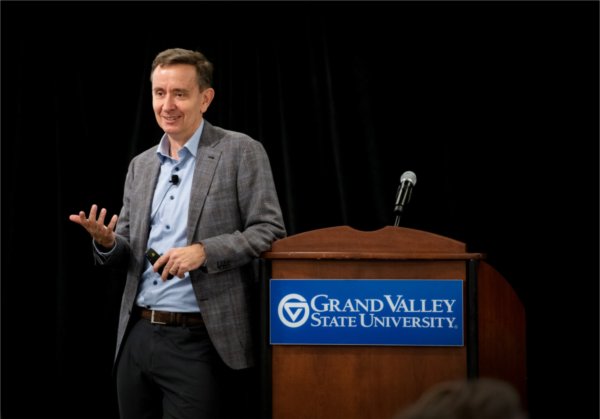
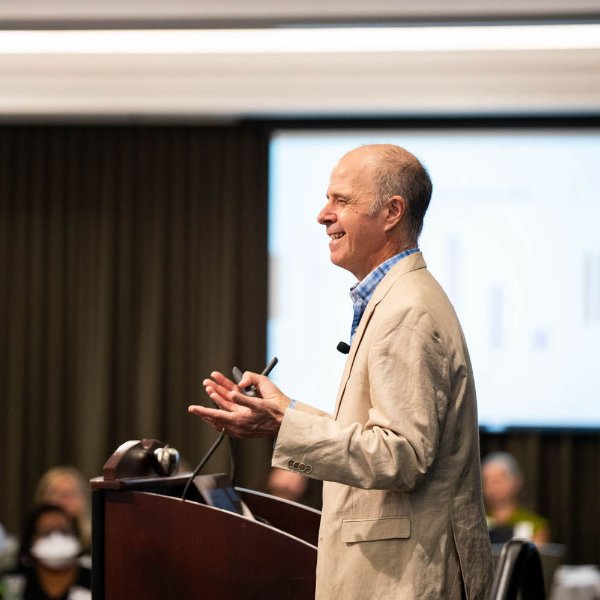
Peter Felten stands by podium in blue suit jacket and blue shirt, no tie
Peter Felten discusses the importance of creating space in the classroom for students to build relationships during a keynote address at the Teaching and Learning Conference August 14 at the Eberhard Center.
Image credit - Kendra Stanley-Mills

"The classroom is most important to building relationships, but it cannot be a one-on-one relationship from you," Felten explained to the audience in the Eberhard Center. "Faculty need to make their courses create space so students connect with each other."

He defined relationships as those students have with faculty and staff, and with other students.

Felten said relationships are most important for first-generation students and students of color to succeed in college. "First-generation students will say they have zero relationships on campus. It's because they have less trust in education," he said.

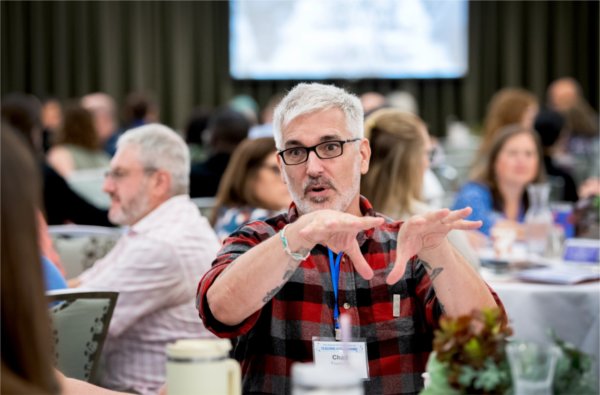
Chad Frederick in plaid shirt gesturing with hands while seated at table. Others fill in at tables around him
Chad Frederick, associate professor of geography and sustainable planning, participates in group discussion during the Teaching and Learning Conference on August 14.
Image credit - Kendra Stanley-Mills
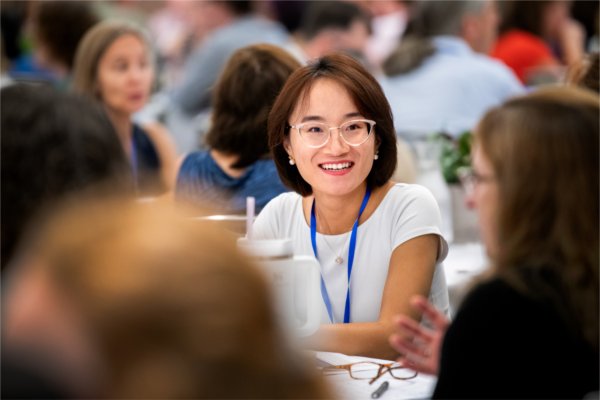
Yu Rong, assistant professor of management, participates in a group discussion during Felten's presentation at the Eberhard Center.
Image credit - Kendra Stanley-Mills

Students bring barriers to creating relationships. Perhaps a student feels like an imposter in class (everyone is smarter than me) or does not attend faculty office hours (I have another class or my job at that time). 

Faculty can help students overcome those barriers by caring, Felten said. 

"Give them validation, 'This is good, you can do better.' Students recognize that you care for them. This will lead to a strong foundation for learning," he said.

And students will remember what Felten called being a "mentor in the moment." These are interactions or pieces of conversations that faculty may forget, but students will hang on to long after the class or semester is over. He gave examples of asking a student about their family, suggesting a new course or giving thoughtful feedback on an assignment or exam.

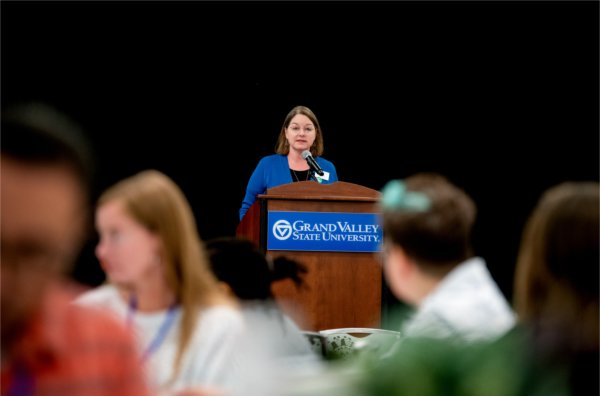
Christine Rener behind a podium
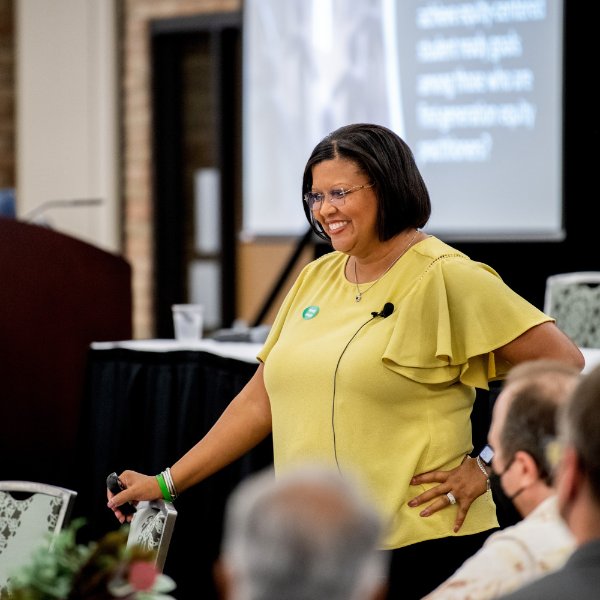
Christine Rener, director of the FTLC and vice provost for Instructional Development and Innovation, provides opening remarks to conference participants.
Image credit - Kendra Stanley-Mills

Felten introduces himself to new history classes by showing an old family photo without initial explanation and having students get into groups to discuss clues about the photo. He gave five practices faculty can take into their classrooms to build connections:

  • Introduce yourself in ways that connect.
  • Talk about the power of relationships.
  • Validate student capacity to learn.
  • Help students give structured feedback to each other.
  • Sequence group work to promote student learning, well-being and connectedness.

Christine Rener, director of the FTLC and vice provost for Instructional Development and Innovation, said Felten's interactive presentation aligns with the center's values of community, collaboration and shared purpose.

The conference included breakout sessions and a closing presentation by Jennifer Drake, provost, and B. Donta Truss, vice president for Enrollment Development and Educational Outreach.

Subscribe

Sign up and receive the latest Grand Valley headlines delivered to your email inbox each morning.