
News from Grand Valley State University
A sailboat glides along Lake Michigan past Muskegon State Park.

How GVSU students are helping shape the future of Michigan’s parks

A collaboration between the Michigan Department of Natural Resources and Grand Valley is giving students in the Statistics and Hospitality and Tourism Management programs valuable hands-on experience in data analysis and research.

Since January 2024, Grand Valley faculty and students have partnered with the DNR’s Parks and Recreation Division to analyze data from guests who visit and use the state’s campgrounds and marinas.

Visitors are asked to complete a short survey at the end of their stay, providing feedback on park facilities and amenities, length of stay, party size and other details.

Once the surveys are collected, more than 40 GVSU students — under the guidance of Patty Janes, professor of hospitality and tourism management, and Sango Otieno, director of the Statistical Consulting Center — analyze the data to help the DNR better understand and improve its resources.

“It’s very rewarding to see the partnership trifecta of external engagement, internal collaboration and student opportunity,” said Janes. 
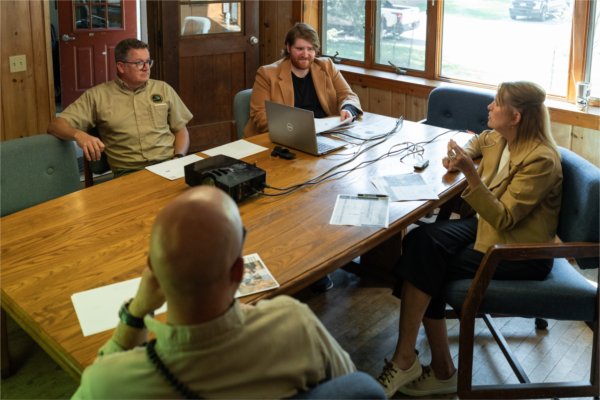
People sitting around a table in a conference room listening to a presentation.
Patty Janes, right, professor of hospitality and tourism management, discusses her team's analysis of guest surveys at Ludington State Park.
Image credit - Martin Hogan
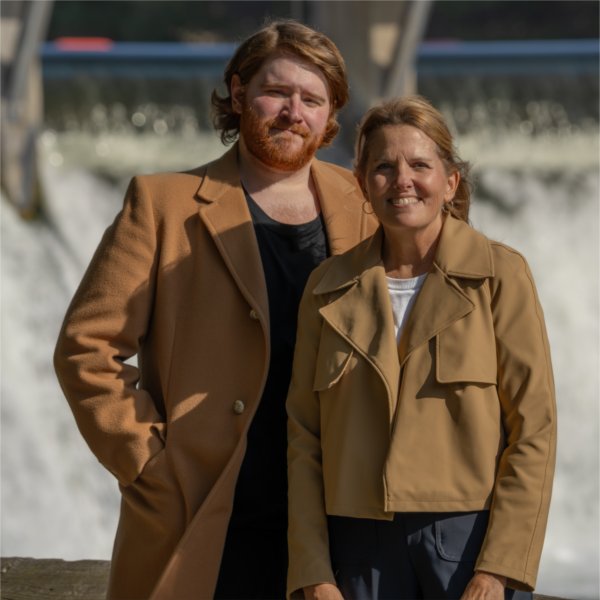
Ryan Schiller and Patty James pose for a photo at Ludington State Park
Ryan Schiller and Patty Janes, professor of hospitality and tourism management
Image credit - Martin Hogan

The student-led analysis has led to presentations and reports across the state. Janes said 10 research reports and more than 30 presentations have been delivered by her and students to DNR leadership in Lansing, senior staff at state parks and before governor-appointed commissions.

In October, Janes and one of those students, Ryan Schiller, visited Ludington State Park to share their findings with Park Manager Jim Gallie and his staff. 

Schiller said he tracked and analyzed more than 12,000 data slips from guests at Ludington State Park, with each slip containing 13 data points. In all, it was more than 158,000 individual entries for him to process. 

“While the scope of this specific project was fairly small and the dataset relatively lean, we were able to pull a surprising amount of meat out of the data, which puts in perspective what we might be able to do with more across multiple parks,” Schiller said. 

“Patty and I are in the process of setting up a presentation date with DNR administrators and are hoping to push for greater collection.”

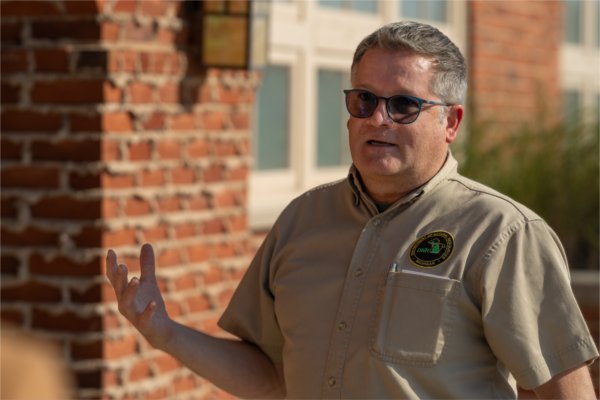
Man talking to visitors about Ludington State Parl
Jim Gallie, park manager at Ludington State Park, gives a tour of the park's beach house to guests.
Image credit - Martin Hogan

For the parks, it’s essential data that helps them reinforce their priorities for upgrades and additions to amenities, said Gallie. 

“Seeing that 31% of our users bring pets during their stays informs us that we need to provide options for pet owners that help them succeed at following our rules,” Gallie said. 

“By providing a pet beach, people don’t have to leave their pets unattended and barking back at their campsite while they hang out on our beautiful Lake Michigan beach.”

And for Janes, examples like Ludington’s pet-friendly initiative show how the students’ analysis translates into meaningful change — evidence that their work is shaping policies and amenities that benefit communities across Michigan.

“While the immediate benefits flow to the DNR, our students and our units, the broader impact elevates GVSU’s visibility with hundreds of industry professionals, business leaders and state commissions,” said Janes. “Ultimately, these efforts benefit all Michigan residents and visitors.”

Subscribe

Sign up and receive the latest Grand Valley headlines delivered to your email inbox each morning.