“The goal was very much an exchange of knowledge,” said McKay.
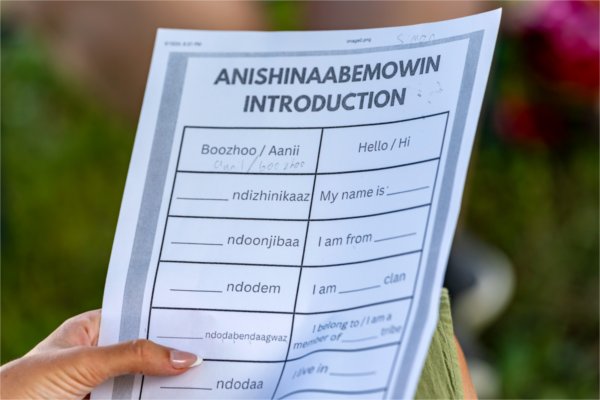
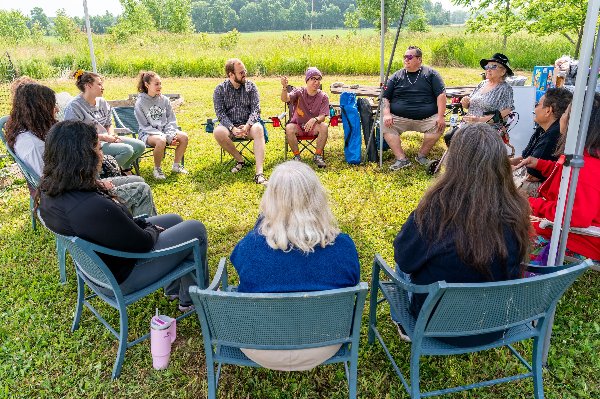
Meeting every other Thursday, the group practiced the
Anishinaabemowin language, shared meals together and built
connections between generations. Every week, Elswick and McKay
brought a new activity to the group – some of which they led, others
that the elders led.
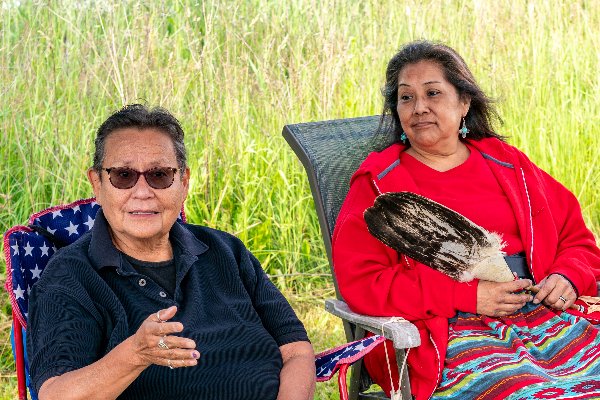
“We had a fry bread day,” said McKay, where the elders
taught the younger generation how to make a traditional indigenous
deep-fried bread. “I did a song for them called Wichita Song. I
started singing it and then these two other elders joined me out of
nowhere, just came and stood by me and started singing. That was
pretty cool.”
MORE:
Speaker addresses community to mark
November's Native American Heritage Month
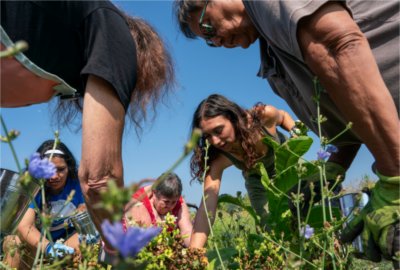
Another week Elswick created and shared a guide to
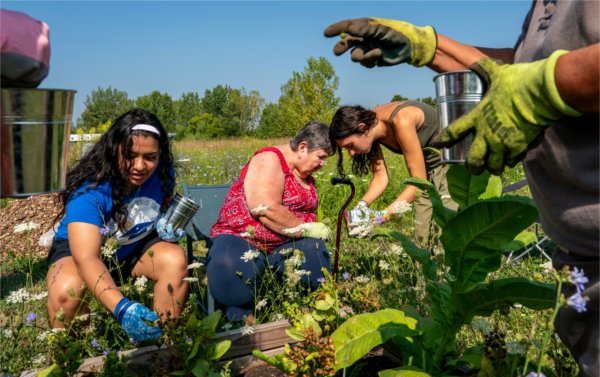
foraging local edible and medicinal plants, and yet another week the
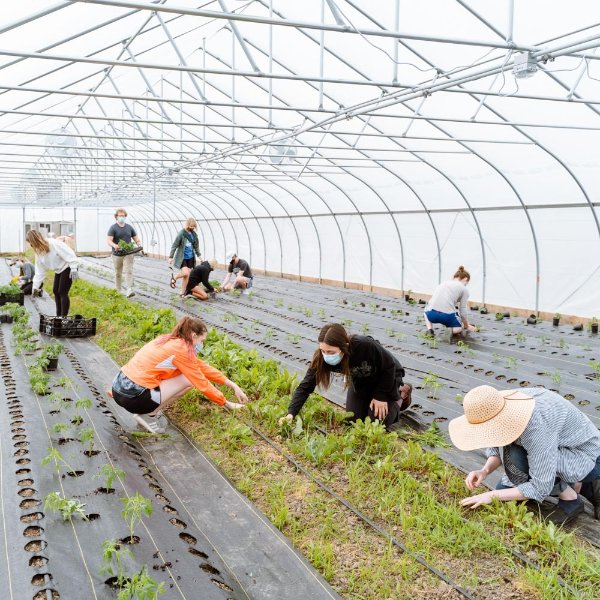
group helped with the harvest of the medicinal plants she was
growing as part of her summer internship.
“I thought about having something that could both
bridge our club with the elders in the community and do that through
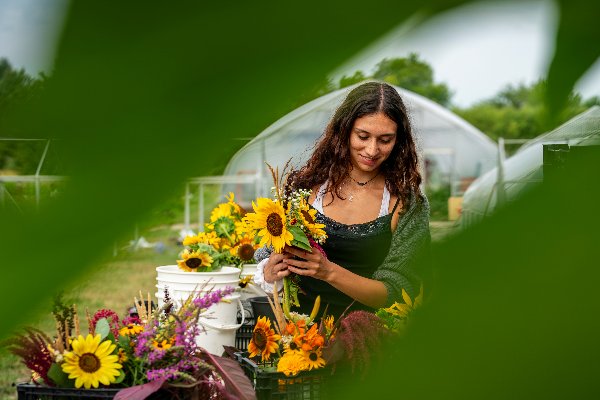
sustainable agriculture,” said Elswick. “I’m working with
specifically sacred medicines that are used in our community for
ceremonial purposes. So we planted sage, sweet grass, and tobacco.”
Elswick taught the group how she had learned to harvest
white sage and sort through the dried seed pods from tobacco plants,
and elders chimed in to share their advice, including Loonsfoot, who
grows her own tobacco and dries it every year.