


Student Scholars Day at 30
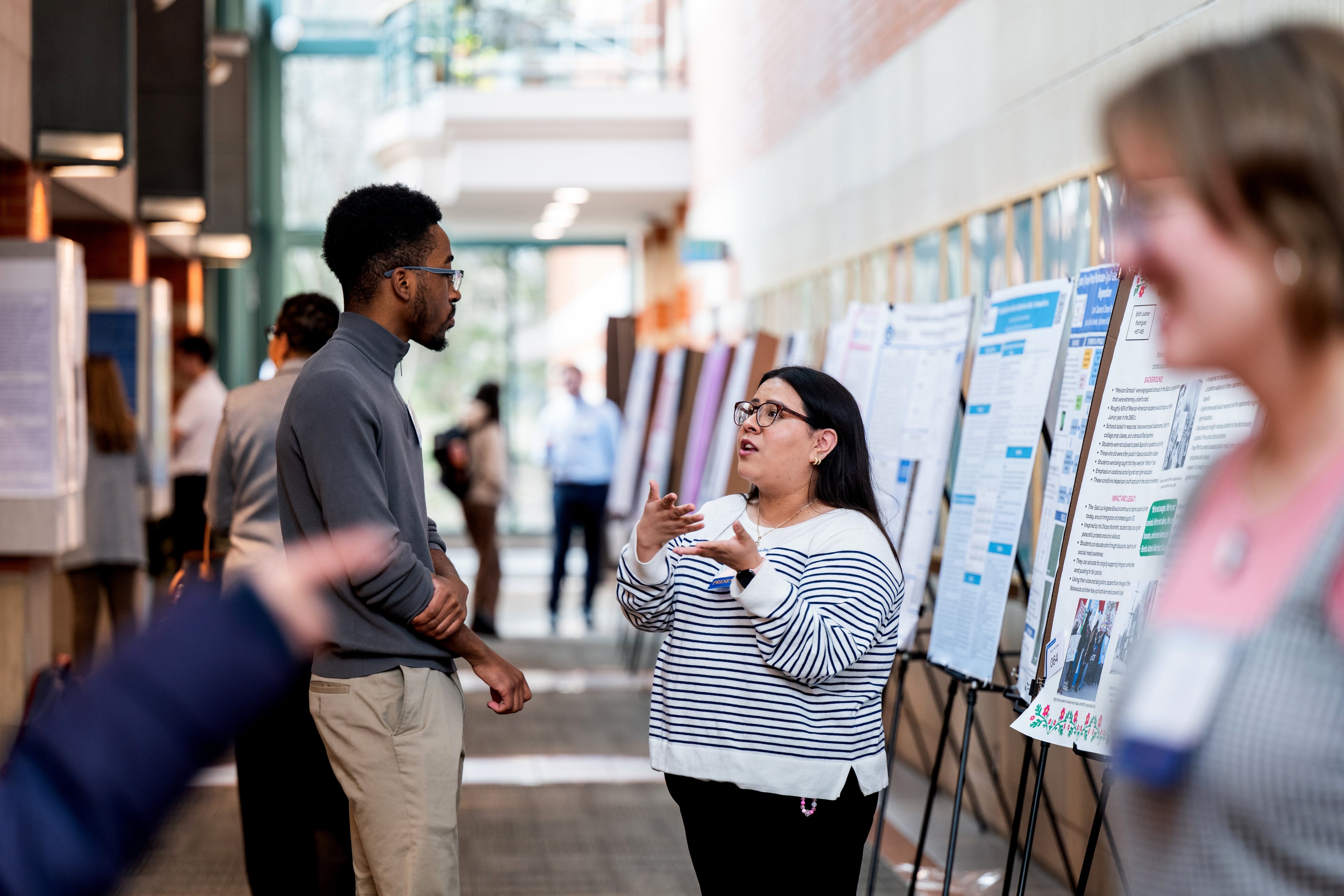

For nearly half of Grand Valley’s existence as an institution, Student Scholars Day has provided an avenue for its students — undergraduate and graduate — to pursue research opportunities under the mentorship of a faculty member and to build critical academic skills.
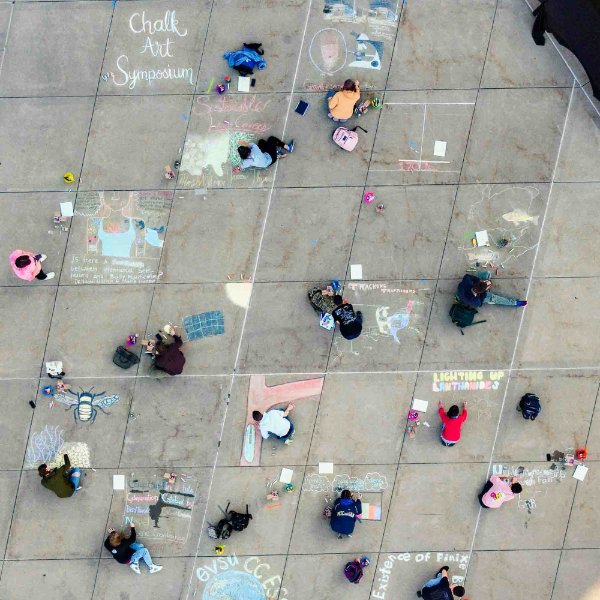
What began in 1996 as an initiative within the Science and Mathematics Division has blossomed into an annual, campuswide celebration of student research across all disciplines.
Student Scholars Day marks its 30th anniversary this year and is expected to be the largest since the pandemic and the second-largest in its history, with more than 570 students presenting alongside over 160 faculty mentors.
“There’s been something like 17,000 students that have presented over time, which is mind-blowing,” said Susan Mendoza, director of the Center for Undergraduate Scholar Engagement.
“That’s one of the things I love about Student Scholars Day — it’s new every year. The energy students bring and the diversity of their work are what keep people coming back.”
The event is often transformative, helping students refine their academic interests and, in some cases, launching them into research careers — as it did for Landon Hughes, ’14.
As a senior, Hughes worked under the mentorship of sociology associate professor Rachel Campbell on a project in partnership with the Office of Community Engagement and the West Michigan Fair Housing Center. Hughes and his group assessed the well-being of a southeast Grand Rapids neighborhood, collecting data through resident interviews.
Although he had presented research in other scenarios on campus, Hughes said Student Scholars Day was his most ambitious project and presentation.
“It was my first time understanding that I get to produce knowledge as opposed to consume it,” Hughes said. “It was the first time I really felt ownership over a scholarly project.”
Hughes, now a faculty member at Harvard Medical School, said it was a formative experience.
“The work itself was more so the impetus of what got me started in research,” Hughes said. “Having an avenue for me to present and get feedback among my peers and also to have a deadline, frankly, was really helpful.
“I remember the elation that I received and how enjoyable it was to see a project come to fruition.”
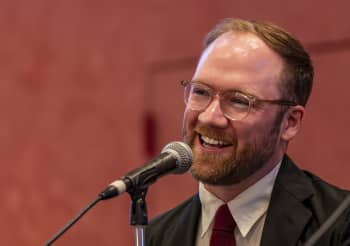

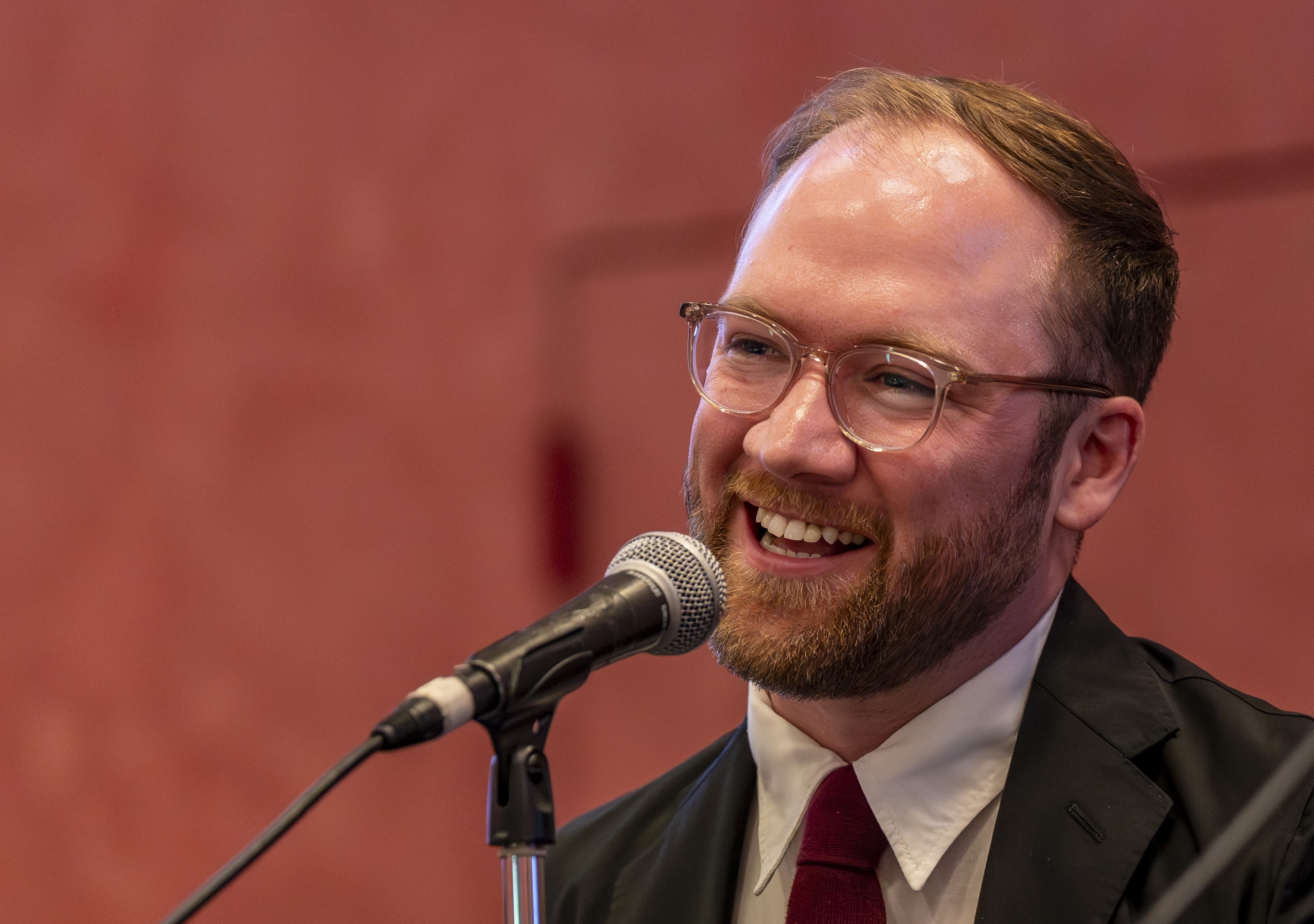

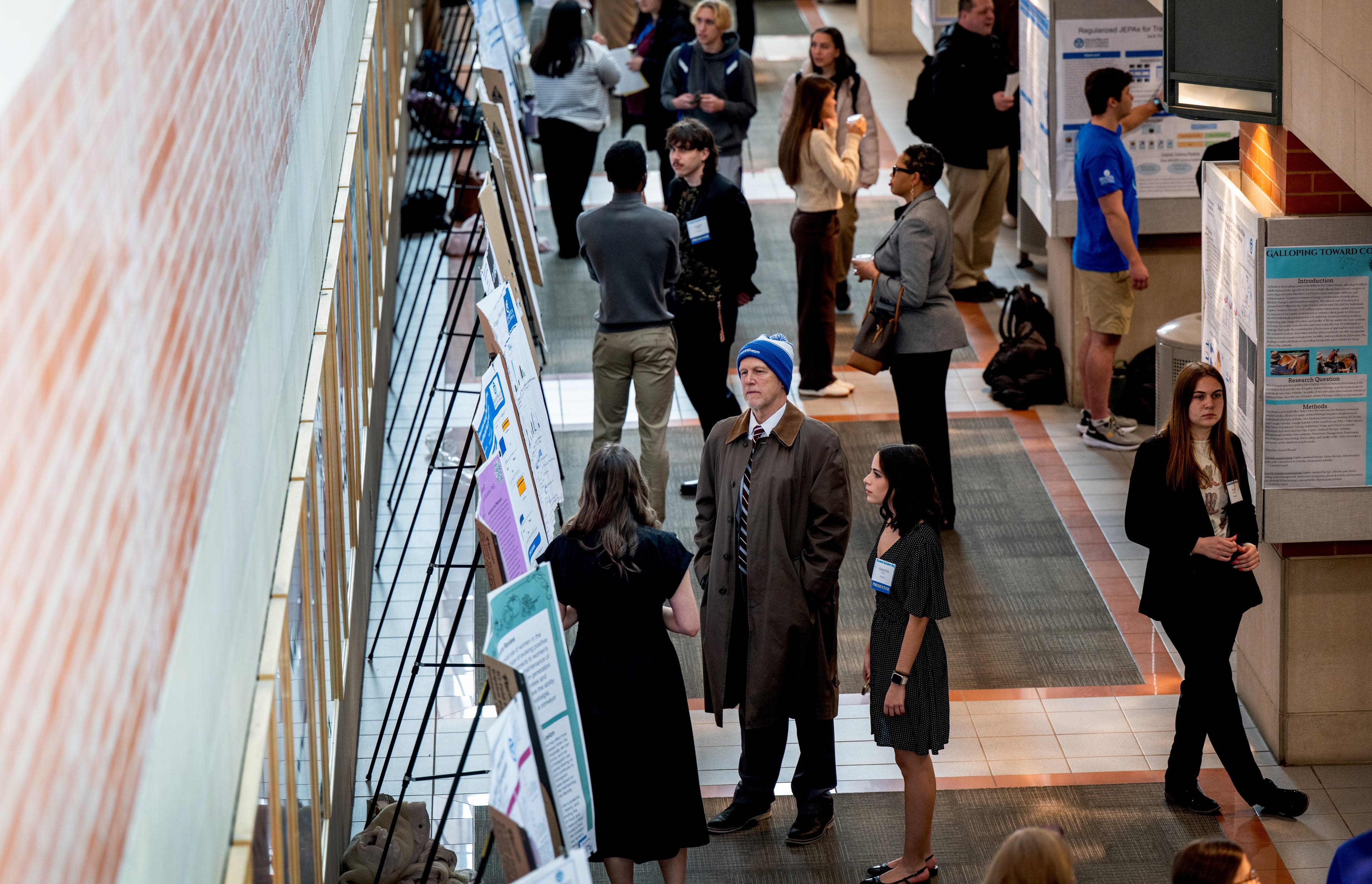

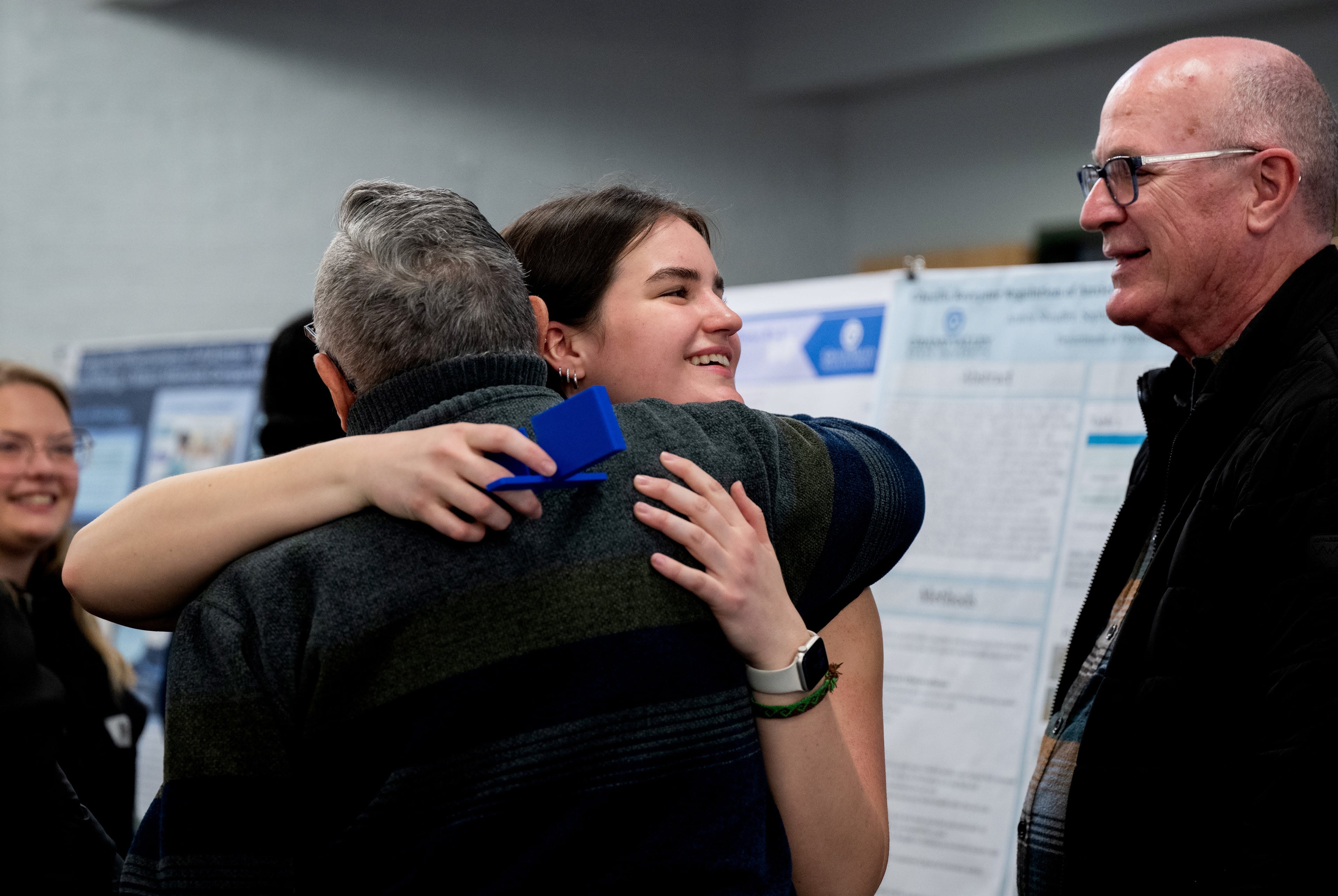

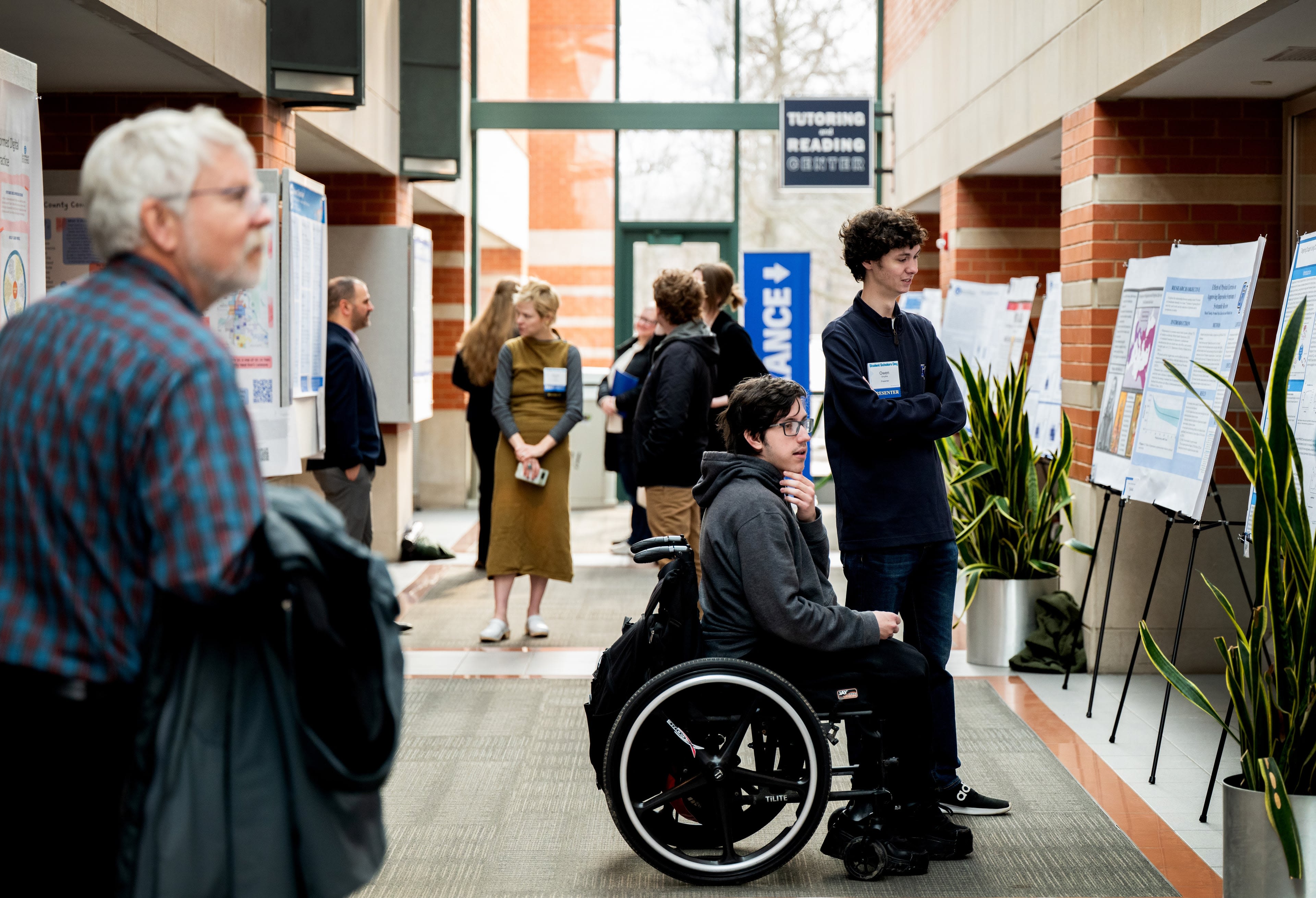

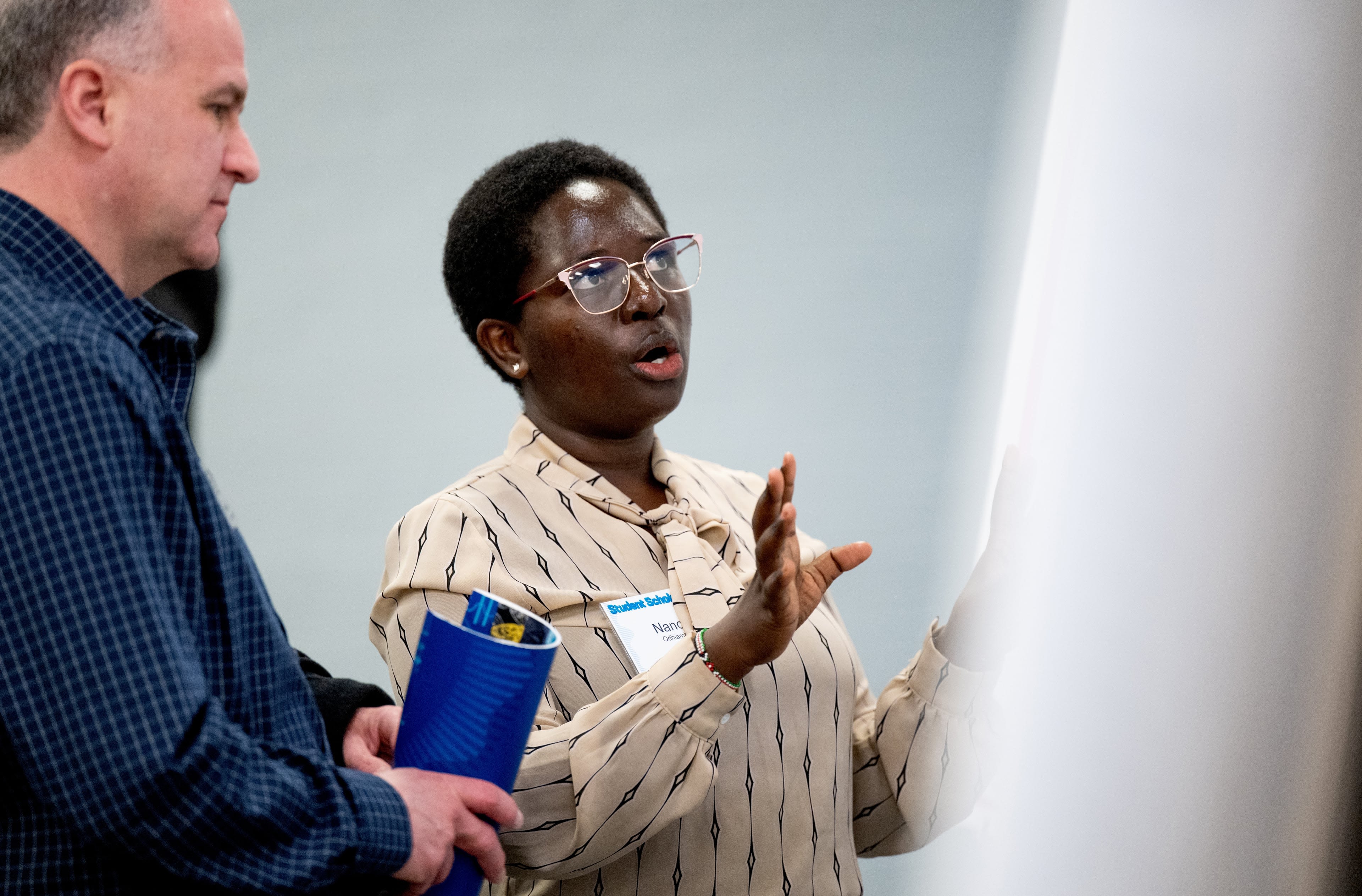

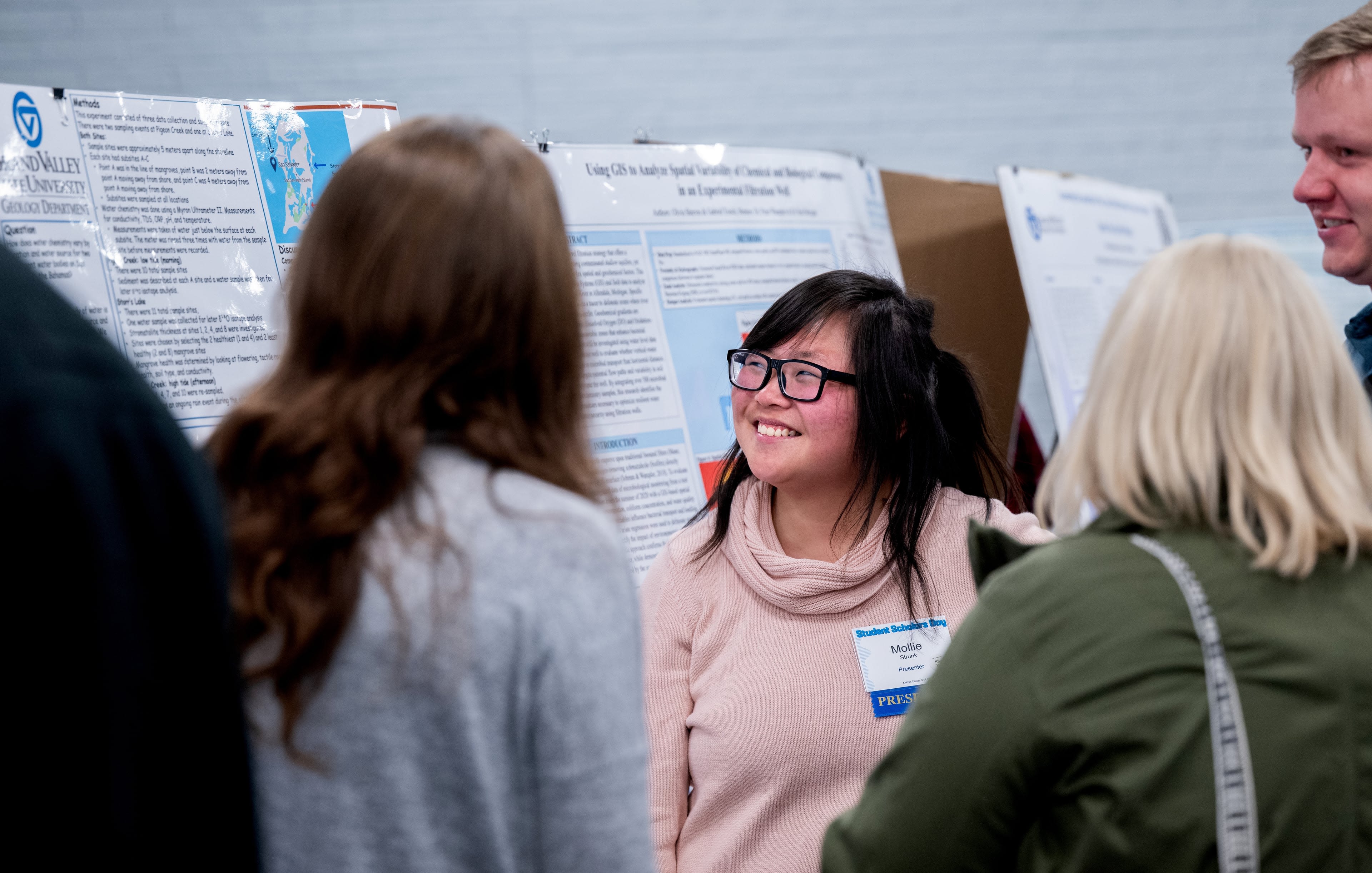
For 30 years, Student Scholars Day at Grand Valley has showcased the power of student research, connecting them with faculty mentors to deepen their academic focus and contribute to their fields.
The following profiles spotlight three students and a class who participated in this year’s event, offering a glimpse into their research and the experiences behind it.
From the lab to the library to the broader community, their work reflects the curiosity, creativity and dedication of GVSU students that fuel discovery and innovation.
Abigail Austin
In February, Gov. Gretchen Whitmer signed legislation requiring school districts to adopt policies that banned smartphone use during class time, making Michigan one of 35 states to adopt such policies.
With nearly a decade of experience working with children and families, Abigail Austin has seen firsthand how disruptive technology can be for young minds. Now, as a senior studying psychology and philosophy, she researched whether policies like these actually make a difference.
“As smartphone use rises, early research links it to classroom disruption, decrease in sleep quality and declining mental health, but the data is limited,” Austin said. “Early evidence also suggests that phone bans may offer modest benefits.
“This project aims to explore what we know so far, what is still missing in our knowledge and to make suggestions for future research to guide effective state school phone ban policies.”
Austin’s project built on her professional background. Before returning to college as an adult learner, she spent nearly 10 years working in childcare as a nanny, daycare provider, childcare coordinator, tutor and education coordinator. In one role as an online literacy tutor, she experienced the advantages and challenges of integrating technology into education.
“Almost all my jobs center around kids, parenting, navigating crises, and education, so this is definitely a passion of mine,” Austin said.
“It was an enriching experience to come to the same issue with a different question and to review new studies offering a different perspective on the issue.”
Working with associate professor of psychology Mihaela Friedlmeier, Austin developed a survey that examined how parents monitor and manage their children’s digital use and discovered the challenges that come with research.
“It was interesting to learn how to pivot and ask different questions when the timeline, data collection, and presentation dates didn't necessarily align,” Austin said.
Austin hopes her project helps address gaps in the emerging data and provide clearer insight into how school policies can be shaped moving forward.
“As technology develops alongside this next generation, it is imperative that we better understand how to effectively steward this tool in our lives as well as our kids' lives, minimizing the negative while stewarding and guiding the positive,” Austin said.








Classics 395/495
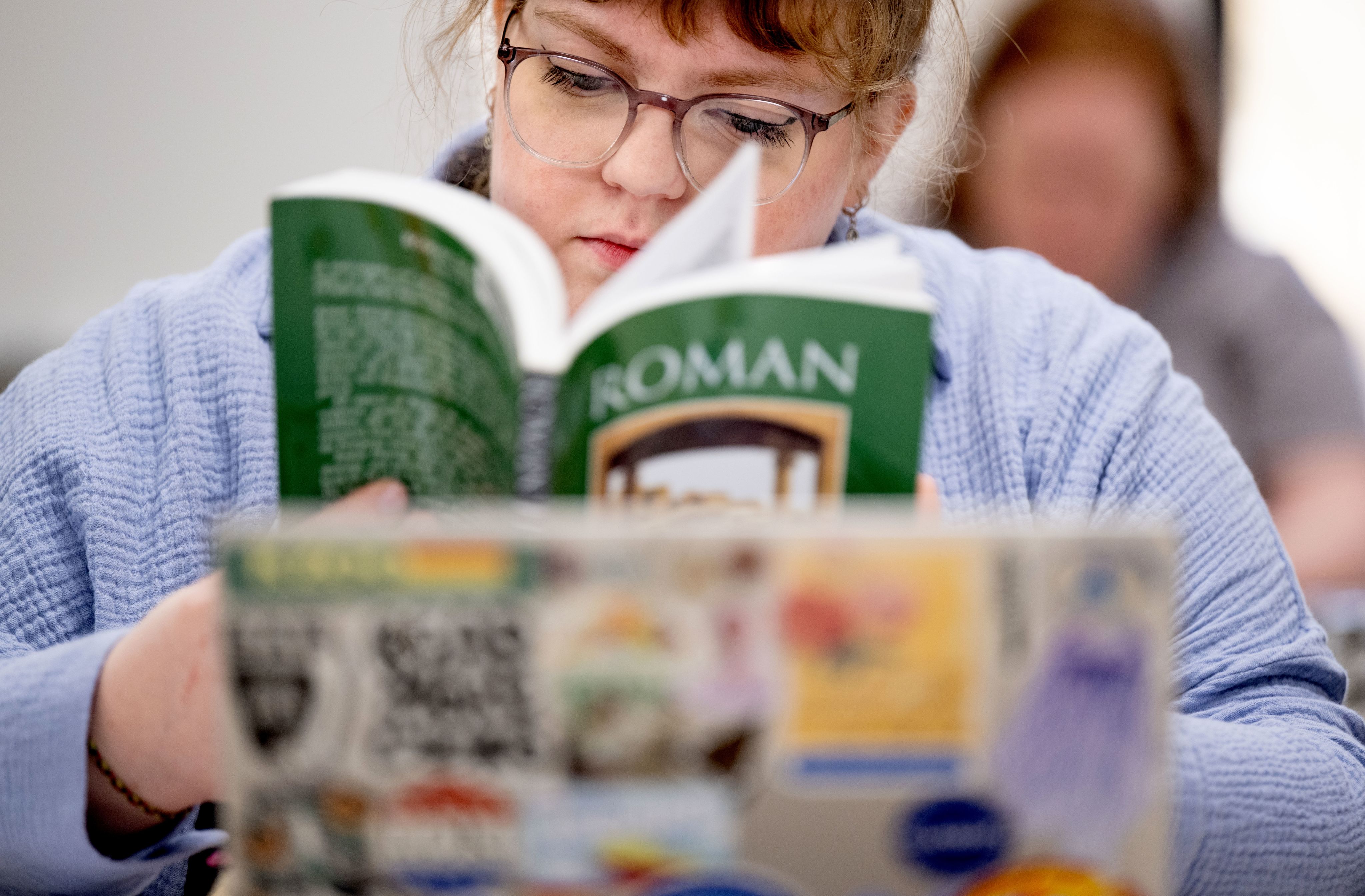
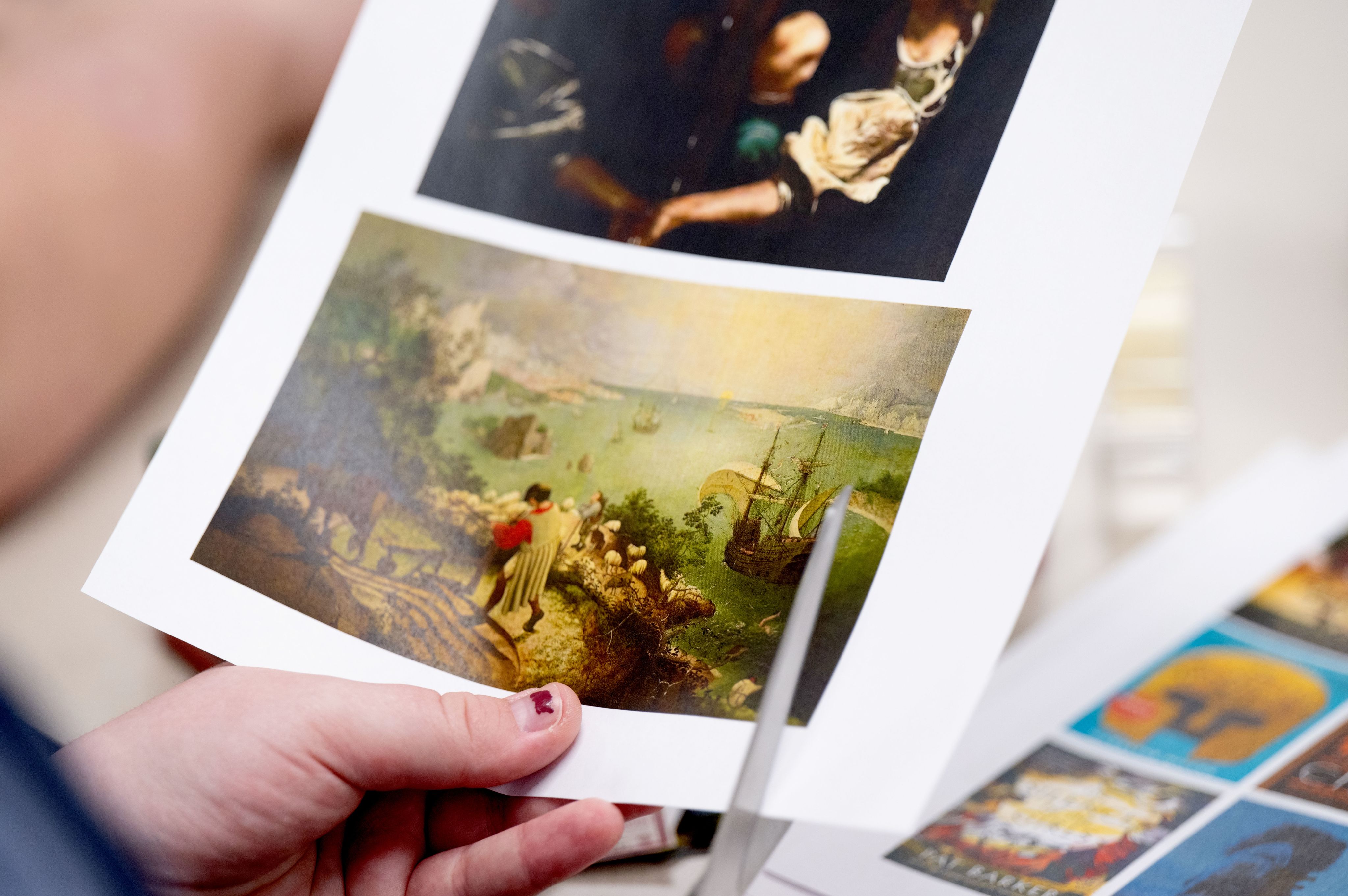
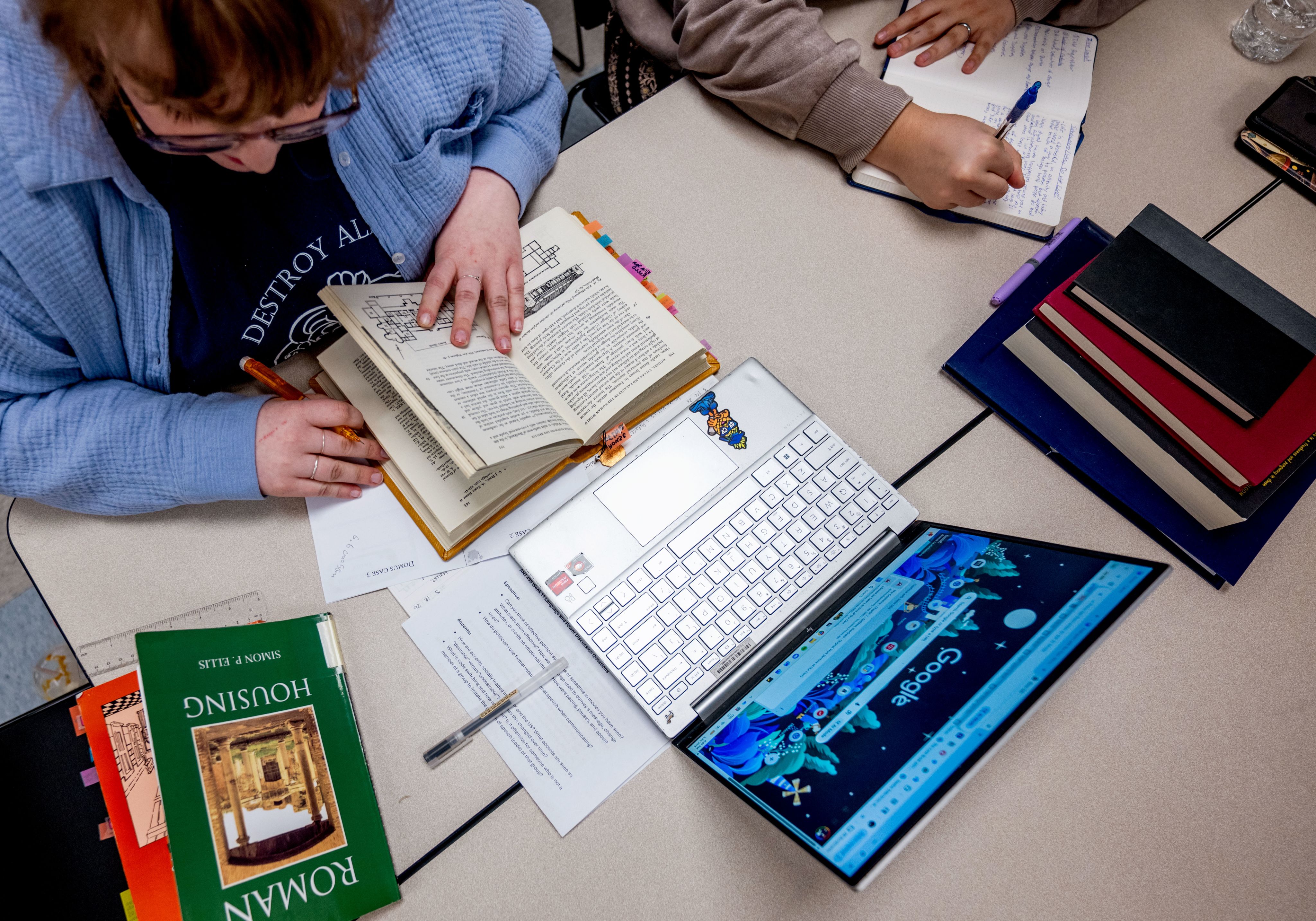
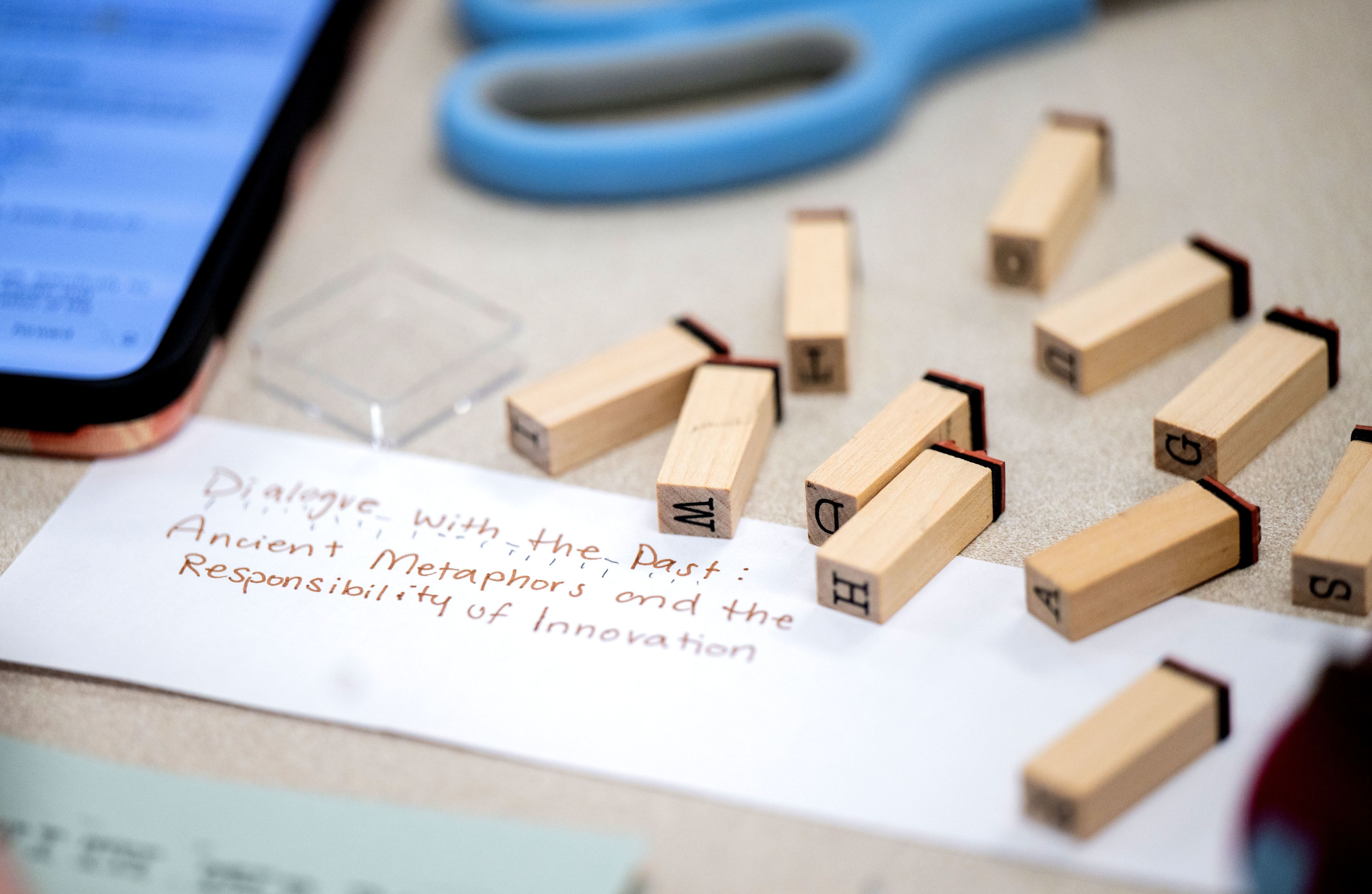
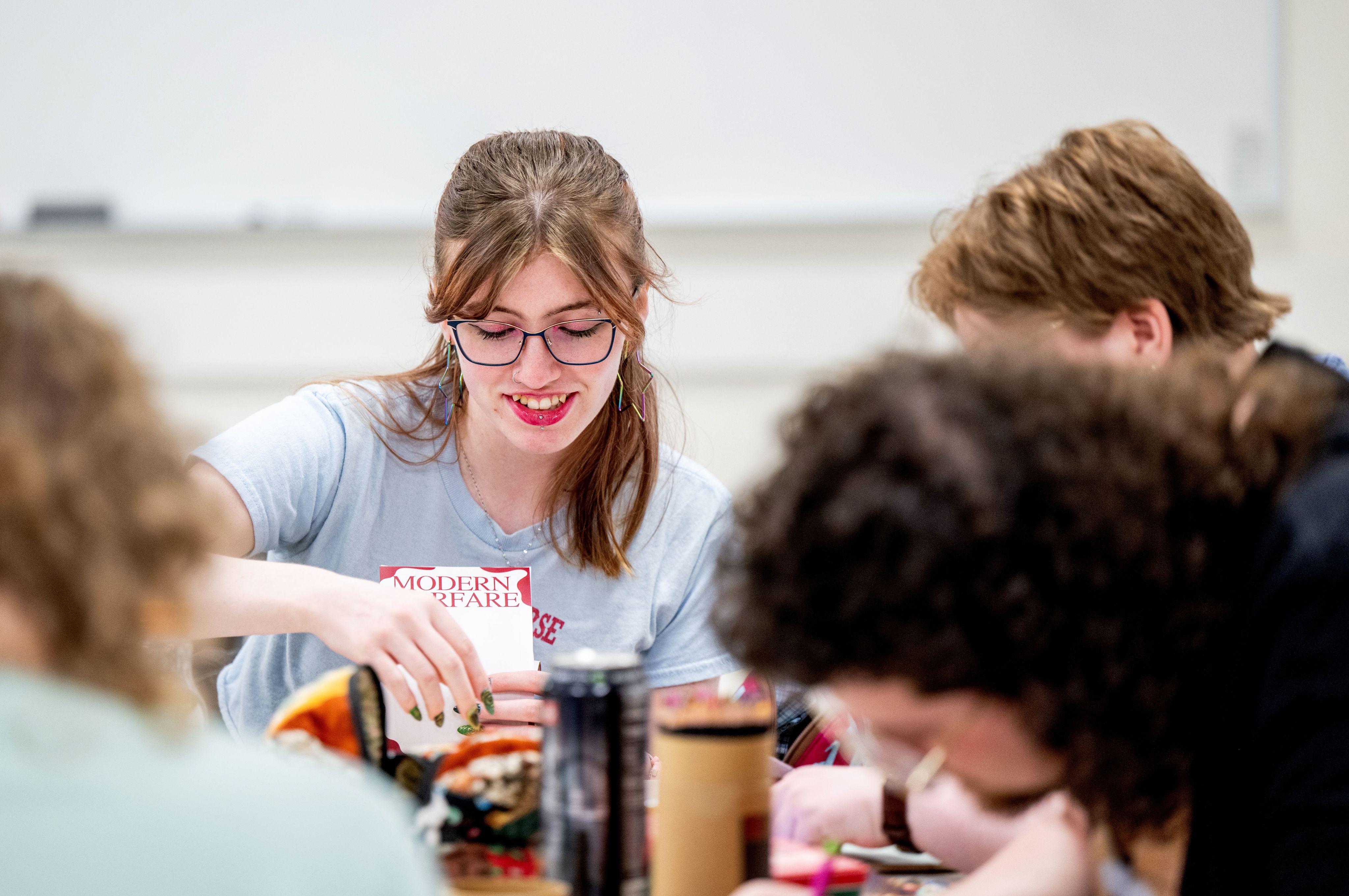
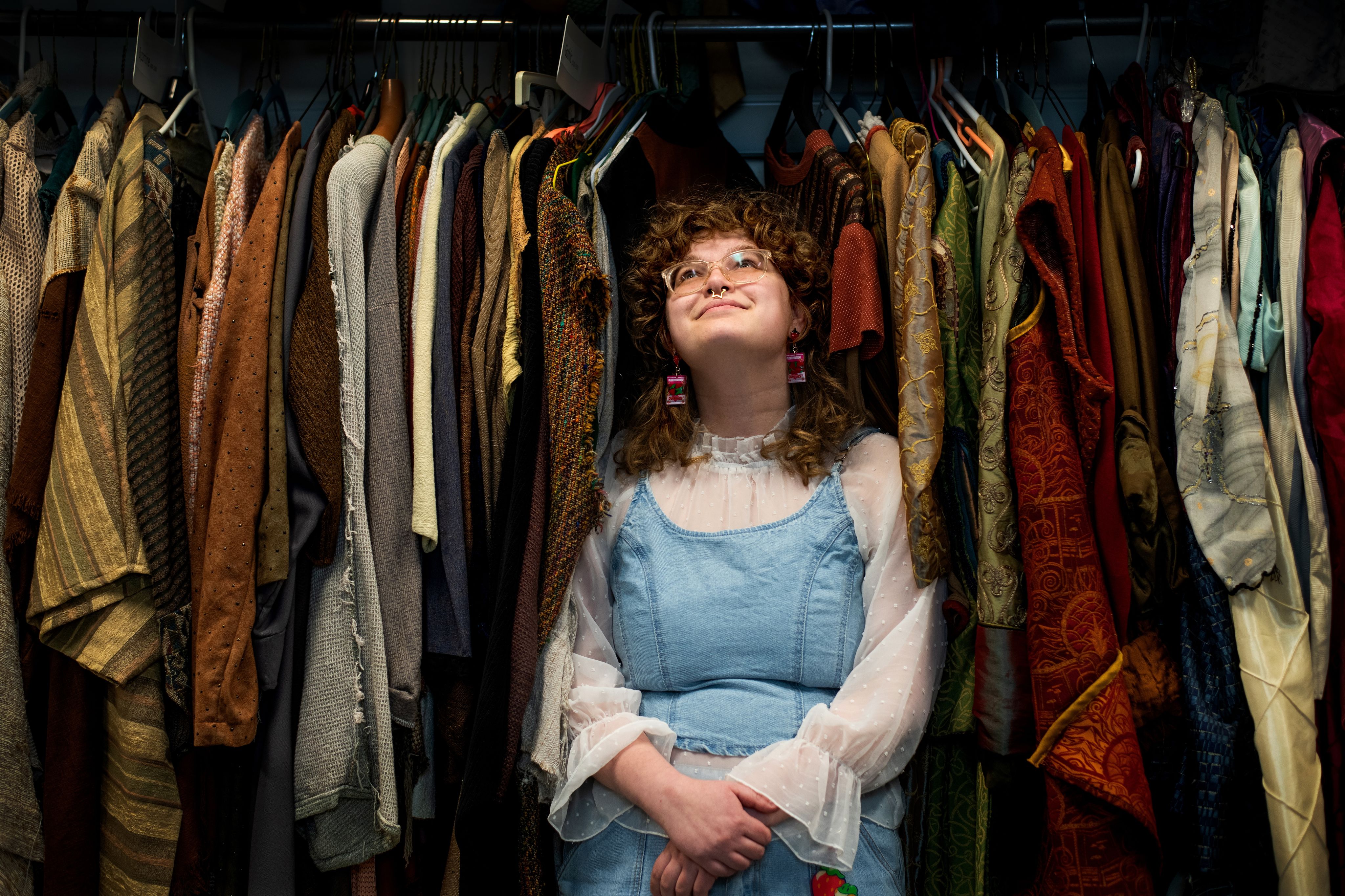
During a recent Thursday morning class, students in Melissa Morison’s Classics 395/495 huddled in small groups, putting the final touches on their Student Scholars Day projects ahead of the April 8 event. Morison offered guidance and encouragement as she moved between groups.
Using a series of texts as a foundation, the class explored the connections between ancient Greek and Roman societies and their relevance more than 2,000 years later, Morison said. Authored by classical scholars and philosophers, the works examined topics ranging from building a healthy lifestyle and practicing gratitude to even the art of telling a joke.
To present their research, students worked in a zine format — a self-published magazine style that encouraged creative expression while distilling complex ideas into concise, accessible forms.
“Zine writing is a fundamentally different kind of project,” Morison said. “It’s the one that we think is going to engage most with the public because we do think that not only is it important to try to translate these things, but also we feel like we have an obligation to do that."
"We feel like we have an obligation at the university to share what we learn with the public.”
Syd Sturgis, a senior majoring in classics with a minor in theater, bridged their two areas of study through their zine. Their research compared and analyzed Greek theater and modern theater, focusing on elements such as set and costume design.
“Zines are very accessible and easy for people to digest,” Sturgis said. “If you don't know a topic, you can easily look at it. It's not super intimidating.
“This is the first time I've done something like this for a class specifically, but for the theater department, I've done plenty of things that go into the more creative realm. It's fun to be able to bring both of those two things together.”

Lola Piper
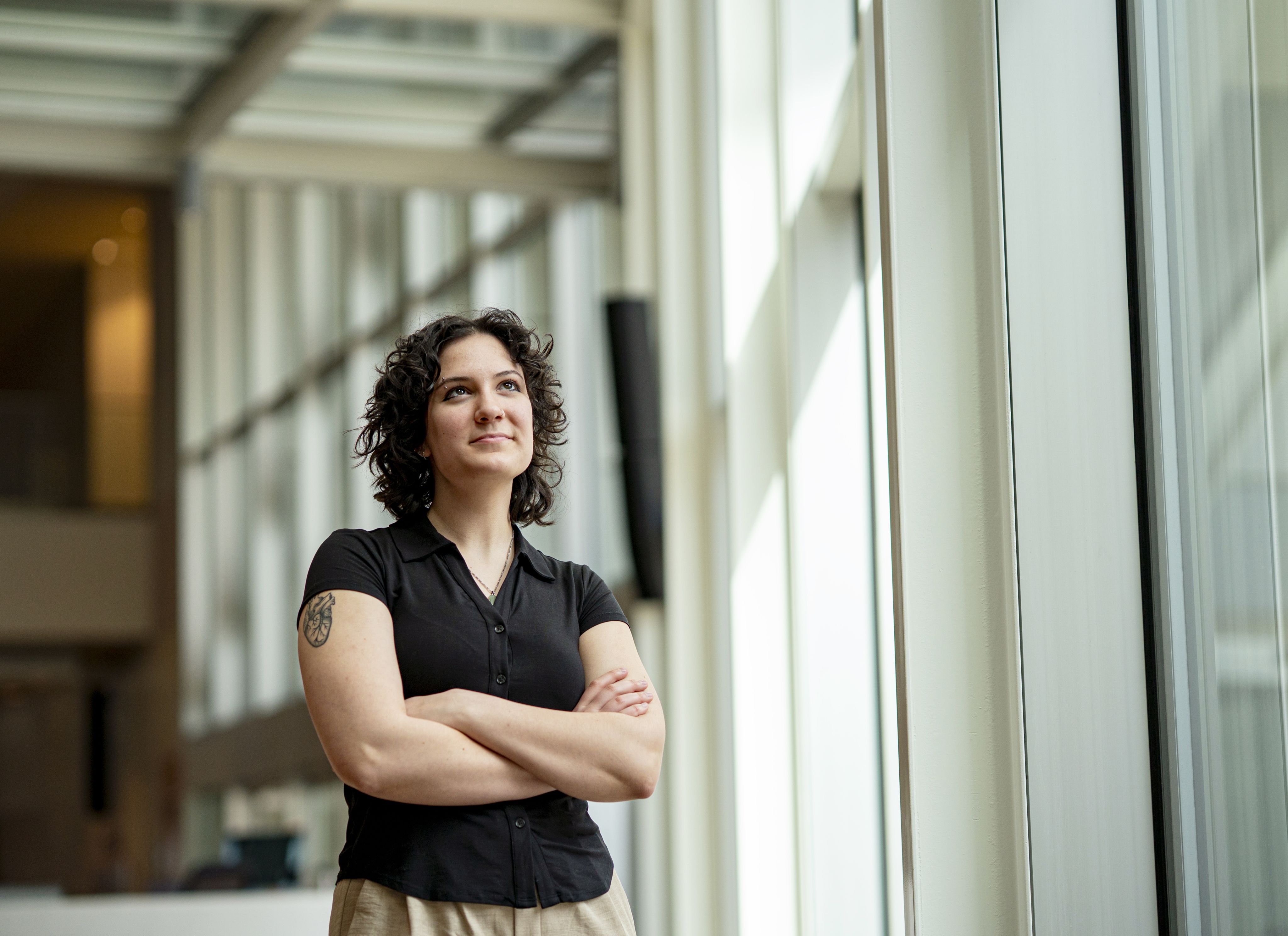
Genes may provide the blueprint for life, but how they are expressed is just as important, and it’s a question that Piper has spent the past 10 months investigating.
A junior pursuing a degree in cell and molecular biology, Piper has focused her research on epigenetics — the study of how and why genes are turned on and off within cells. By analyzing these processes, she aims to better understand the mechanisms behind genetic disorders and their development.
“We study this by mapping where different proteins interact with your actual DNA sequences, and these interactions can control that gene activity if it's on or off,” Piper said. “When this gets disrupted, it can cause a lot of human diseases such as cancer and other genetic diseases and disorders.”
It’s a path Piper said she didn’t anticipate when she graduated from high school. Her research journey began during her first year, when she joined the lab of biomedical sciences professor Martin Burg. That experience led to an opportunity with one of Burg’s collaborators, Derek Janssens, at the Van Andel Institute.
“Student Scholars Day is such a great opportunity to share your work."
“Dr. Janssens and my mentor (research technician) Emma Baird had an idea that this could be a cool project,” Piper said. “So they started it off, and then taught me the technique and handed the reins to me.
“I synthesized these proteins myself, and then tested them to see which ones worked. It was really special to see from start to finish.”
Piper’s work has already garnered her national recognition. Last month, she was named a recipient of the prestigious Goldwater Scholarship, awarded to 454 students across the country.
Piper said. “I really struggled with learning how to present my work, especially since it’s not at a digestible level to most people," Piper said. "Student Scholars Day is great because it's not high pressure, but it's still such great practice.”


Cruz Peña
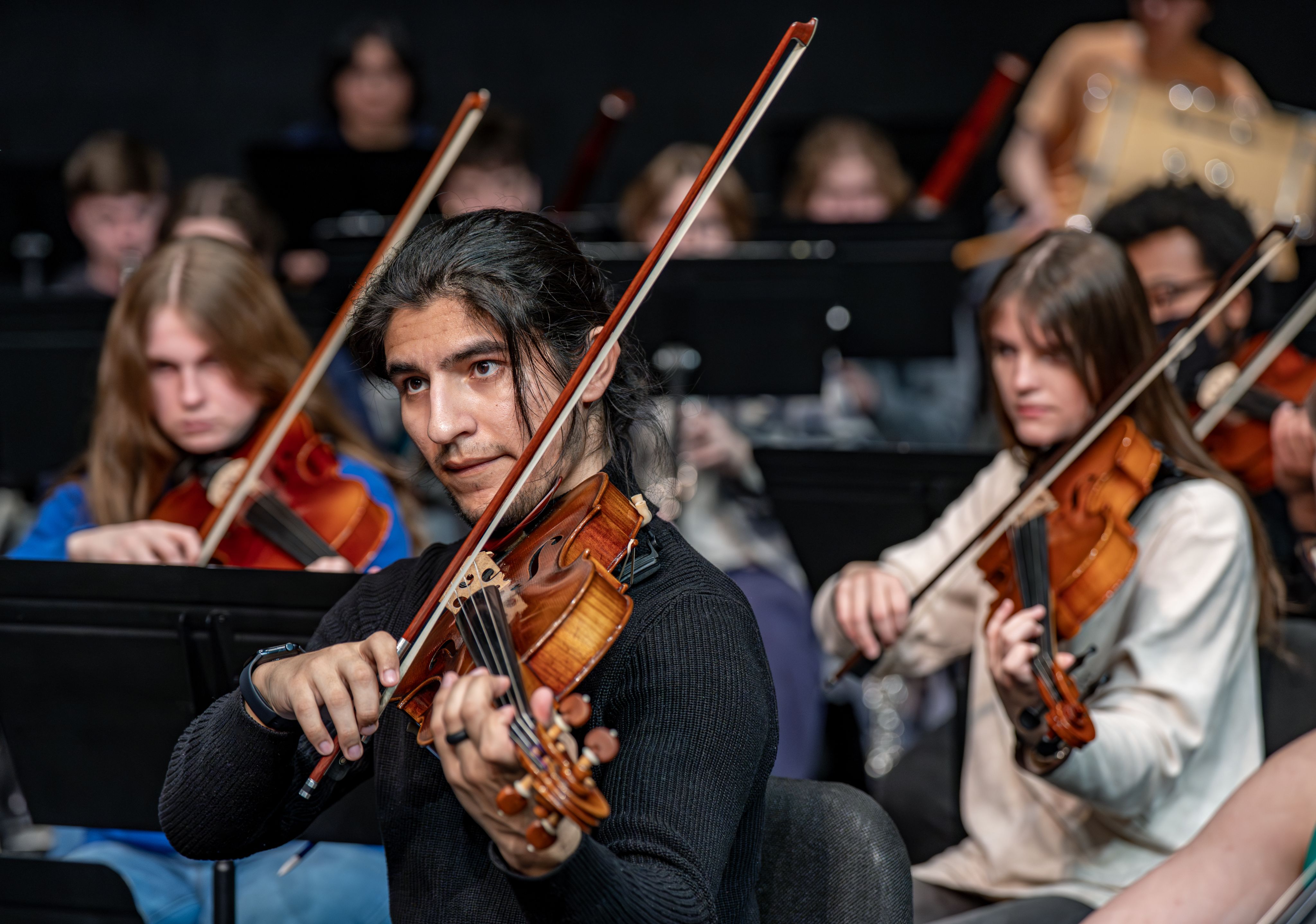
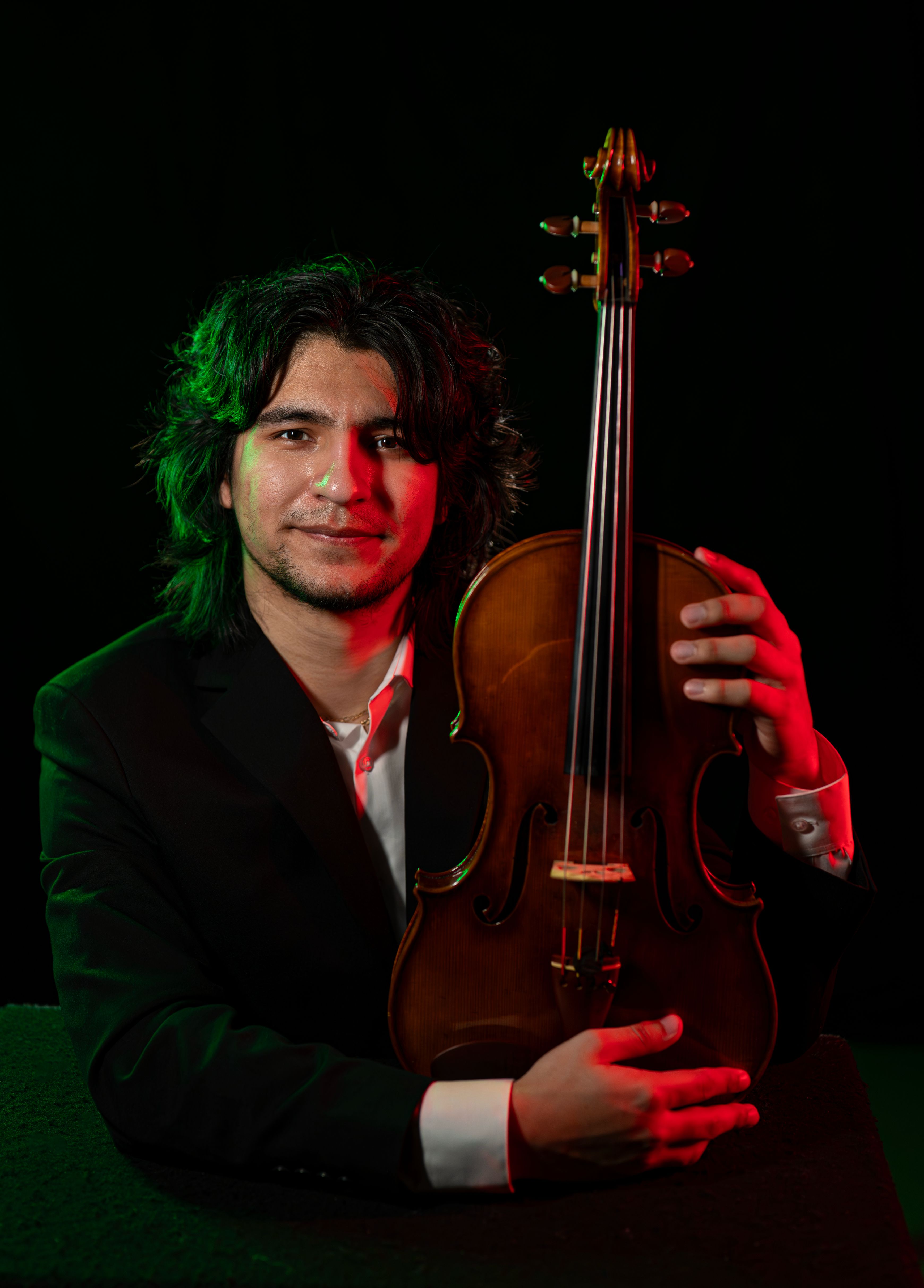
As primary violist for the GVSU Symphony Orchestra, Peña has studied and performed the canon of European classical music. But his Student Scholars Day research project was a deeply personal one.
“My experience at GVSU has mostly been centered around learning about European Western art, music, history and culture,” said Peña, a senior studying music. “That's been wonderful and performing it has been such a blast, but I've always had a yearning to do something for my community."
“This project is my little love letter to my community.”
To bring it to life, Peña traveled across West Michigan, discovering and recording Mexican and Latin American musicians, preserving the music that resonates throughout one of the region’s strongest cultural communities.
“It’s been about documenting those experiences, celebrating this community and demonstrating why they're an essential part of the fabric of West Michigan,” Peña said.
The project’s genesis began with Lisa Feurzeig, a professor of musicology and music history in the Department of Music, Theatre and Dance, he said. With plans to pursue musicology in graduate school, Peña embraced the opportunity to deepen his research experience while exploring a meaningful aspect of his own cultural background.
Peña’s initial research earned him the Seeger Fellowship and enabled him to expand it for Student Scholars Day.
“What was really fascinating was learning more about how there is this prescence of Mexican and Latin American folk music around the Midwest and in Michigan,” Peña said.
That connection made the work even more meaningful, he said. Peña’s parents are Mexican immigrants, and the music he documented has long been part of his everyday life.
“This type of music was always playing in our home and whenever we would go to different functions — weddings, birthday parties, quinceañeras — it was always super important,” Peña said.
As his research progressed, Peña built strong relationships with artists and bands, ultimately organizing a concert in late March to celebrate their art.
“This is beyond anything that I thought I could do, especially as an undergraduate,” Peña said. “This isn't something that I was anticipating at all, so getting the chance to jump on the opportunity, it's been a very fun, wild ride.”