
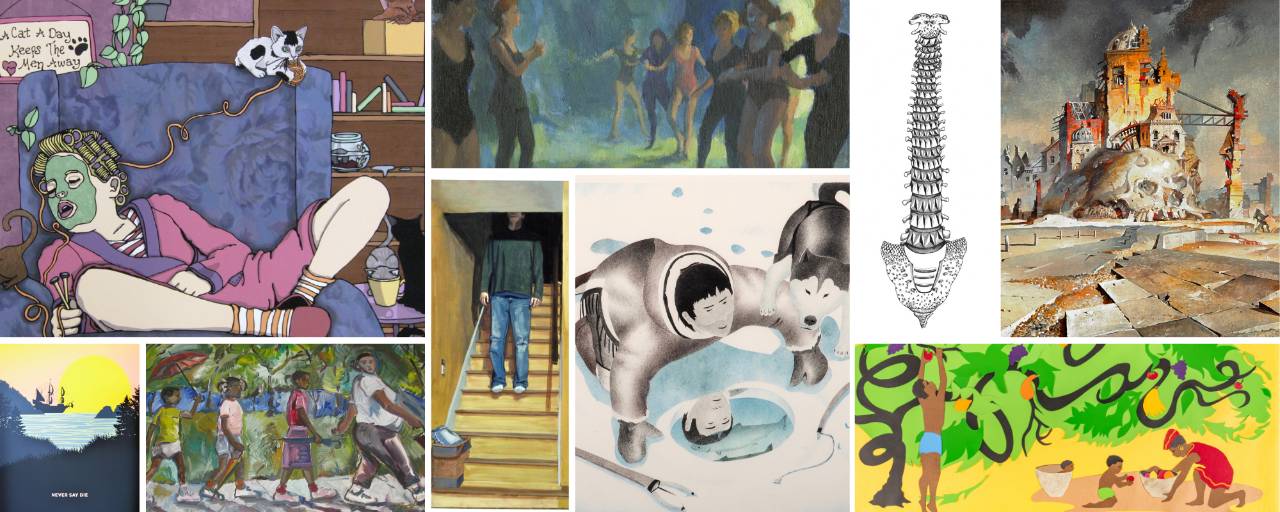
Theme: Illustration and Storytelling
We use visual art to portray information. This might be for entertainment, such as illustrative drawings for character development, or instructional, such as medical drawings. Sometimes the purpose is both, such as is often the case in children’s books. These artworks – whether painted, photographed, carved, woven, or digital – tell us about our world, and how others can see it. We can use these stories and illustrations to increase empathy and enhance our perspectives, to understand other cultures, and to increase our knowledge.
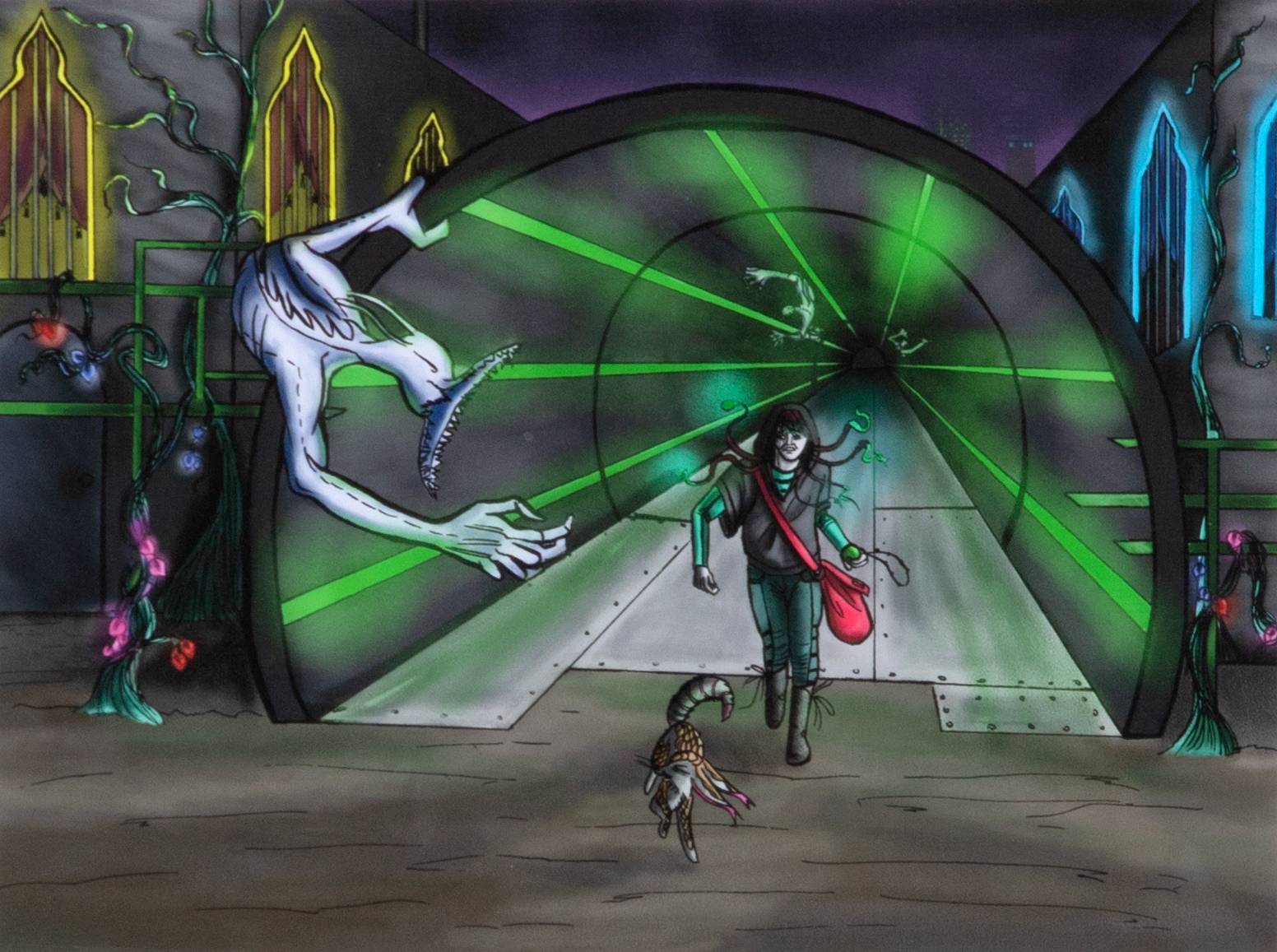
Alexandra Deykes, Releven Environment, digital illustration, 2011, 2011.120.2.

Illustrations in the Collection
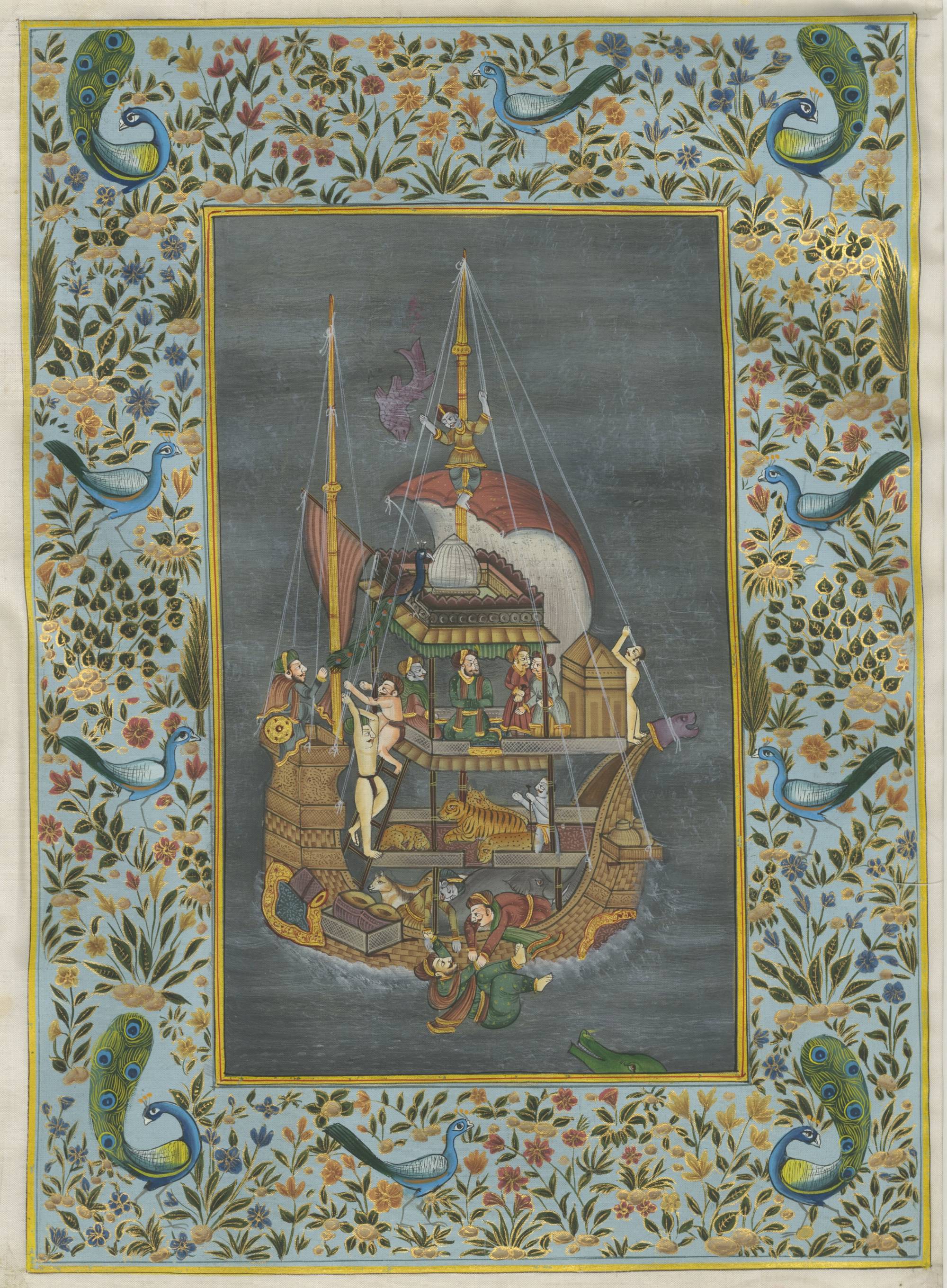
Babulal Marotia, Noah's Ark (Attributed to Miskin), paint on silk, 2008.086.1.
[1755891503].jpg)
Tim Fisher, Leda, oil on wood, 1997, 1999.784.1.
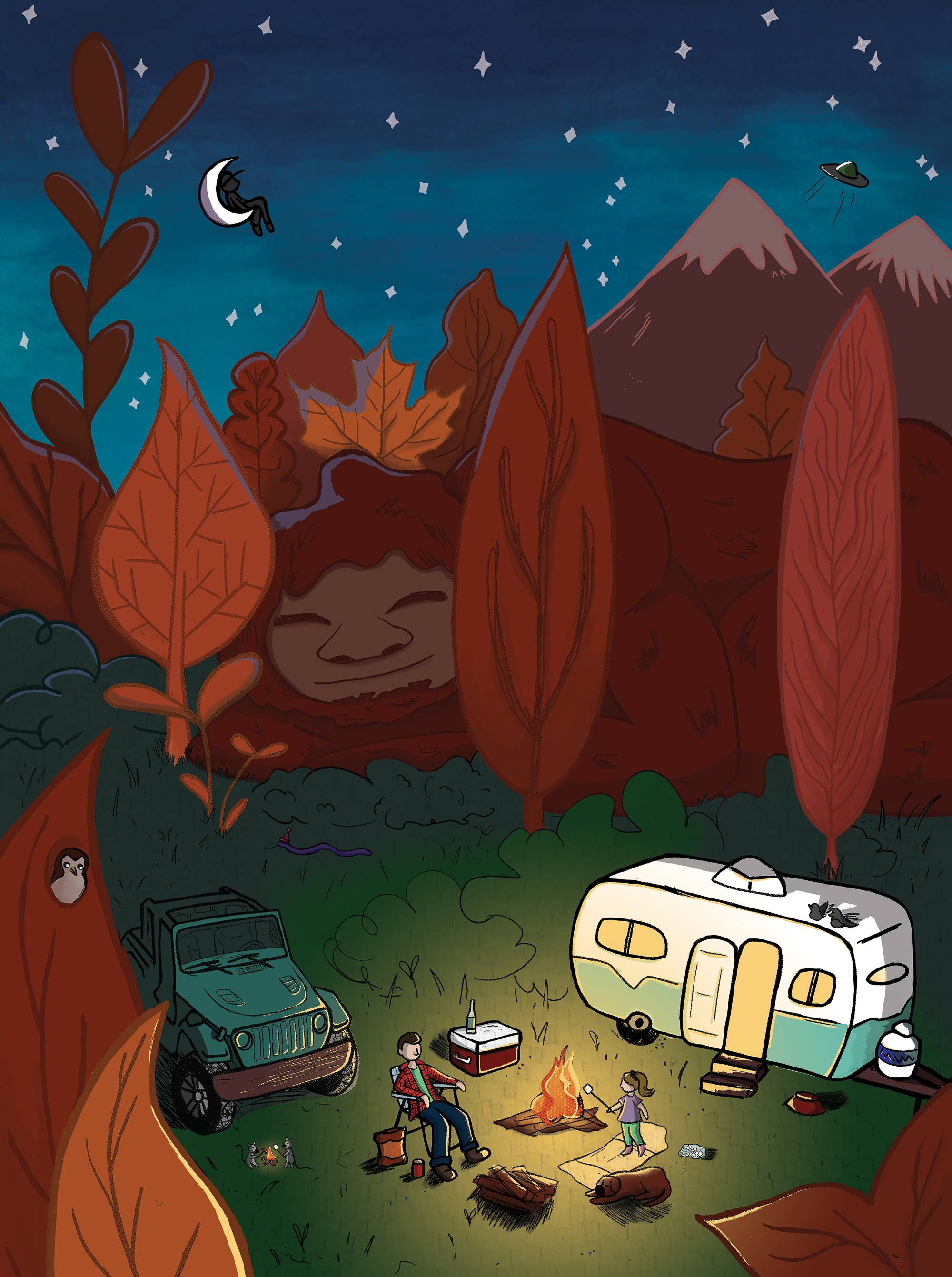
Jesselyn Kanniainen, Camping at Night, reproduction of original mixed media, watercolor, and digital print, 2020, 2021.59.1.
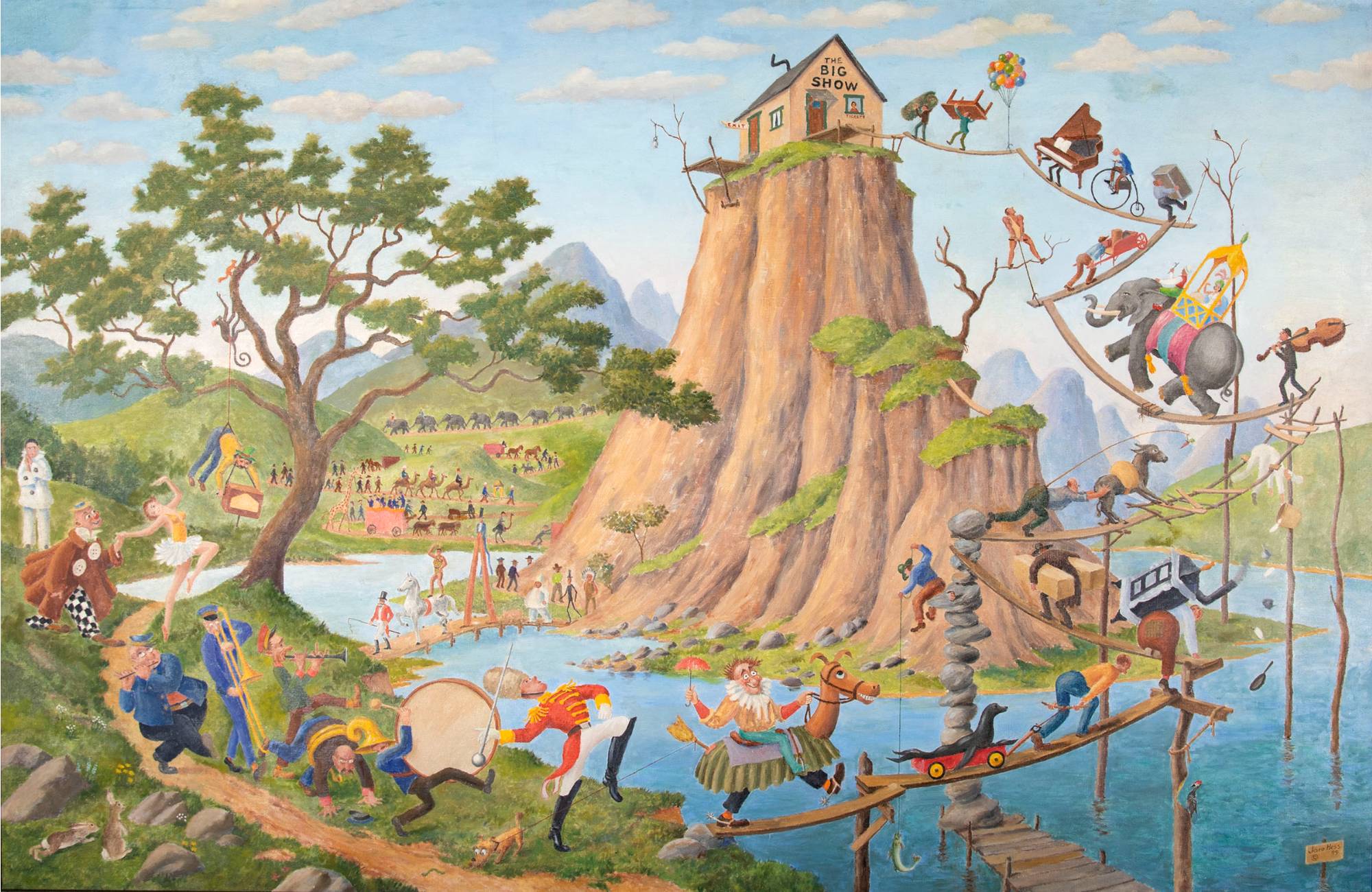
Jaro Hess, The Big Show, oil on canvas, 1969, 2022.30.5.
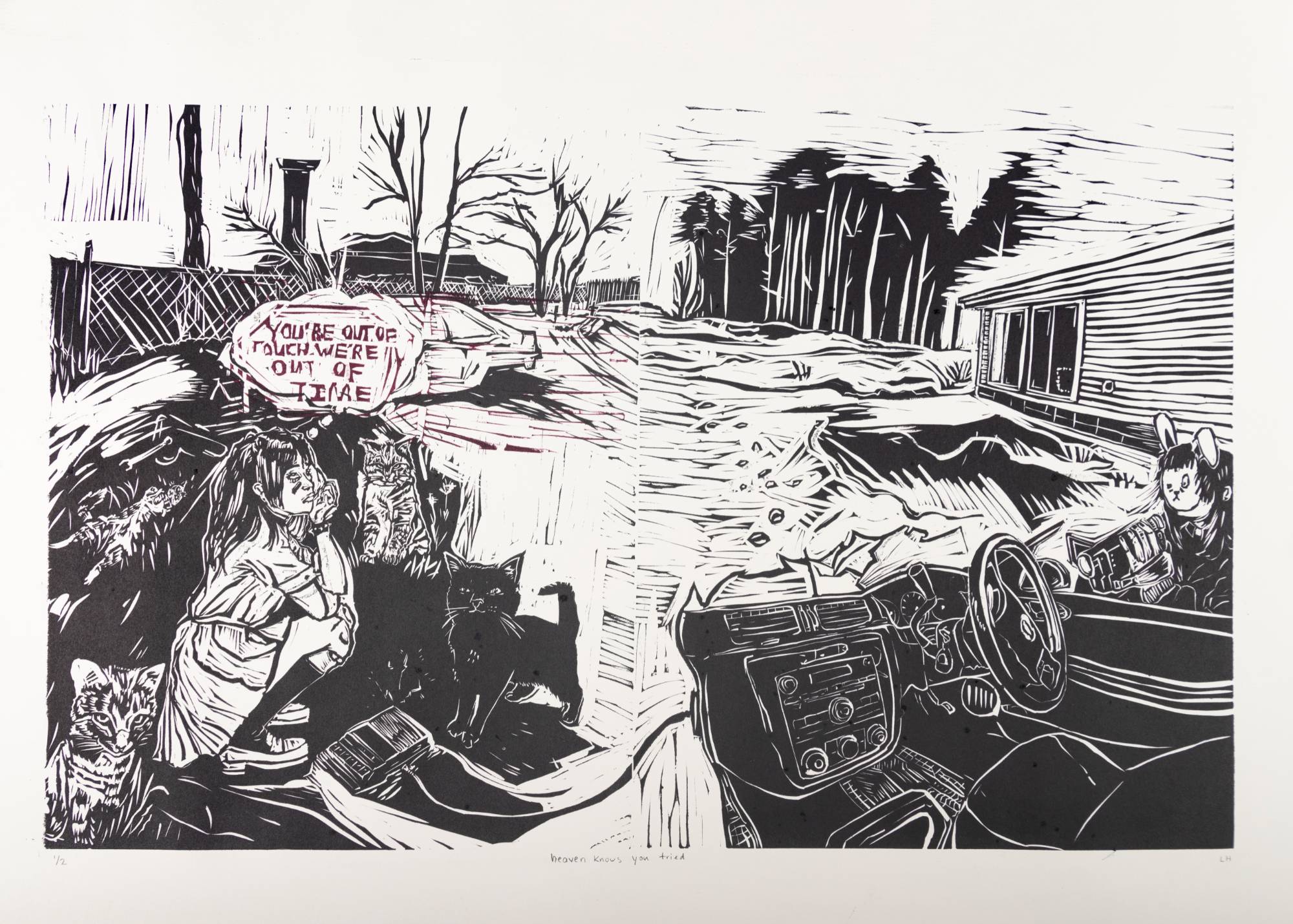
Lizzy Husted, Heaven Knows You Tried, linocut, 2022, 2022.15.1.
[1756129344].jpg)
Grace Carpenter, Operation: Fridge, digital illustration, 2014, 2014.35.1.

Incorporating Illustrations and Storytelling into your Curriculum
The GVSU Art Museum can integrate artwork into your classroom discussions, assignments, projects, and more. Check out our calendar to see if one of our already planned events meets a goal for your students or reach out to us directly to plan something tailored to your needs. We can bring artwork to your classroom; you can visit our art storage or office spaces or book a tour of an exhibition or space on campus.
The GVSU Art Museum team can work with faculty one-on-one to create lesson plans or assignments. Whether you are looking for a behind-the-scenes experience, something hands-on, a creative usage of art in your classroom, or a more traditional assignment, we are here to assist you.
Use the artwork in this theme to explore stories from around the world. Challenge students to create a story behind an artwork – what happened to lead to this moment, and what will happen after it? Or use artwork to engage with empathy, explore other perspectives, and as research points on different media or myths. Use them as visual aids to supplement class readings, or as inspiration for students to create their own works of art.
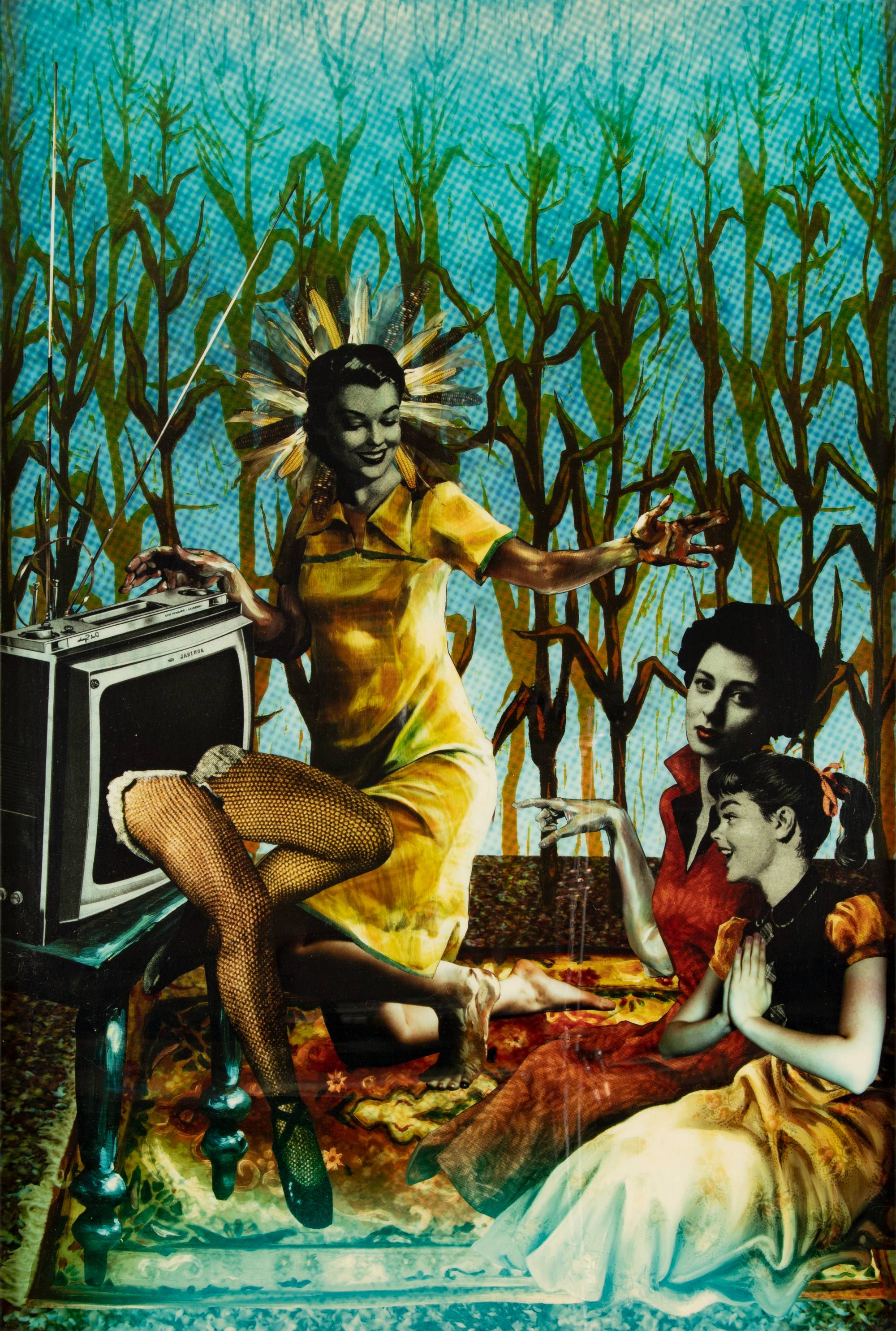
Allyson Haller, Virgin on the Rocks, digital collage, 2004, 2004.460.1.
Explore More Illustrations and Storytelling in the Collection
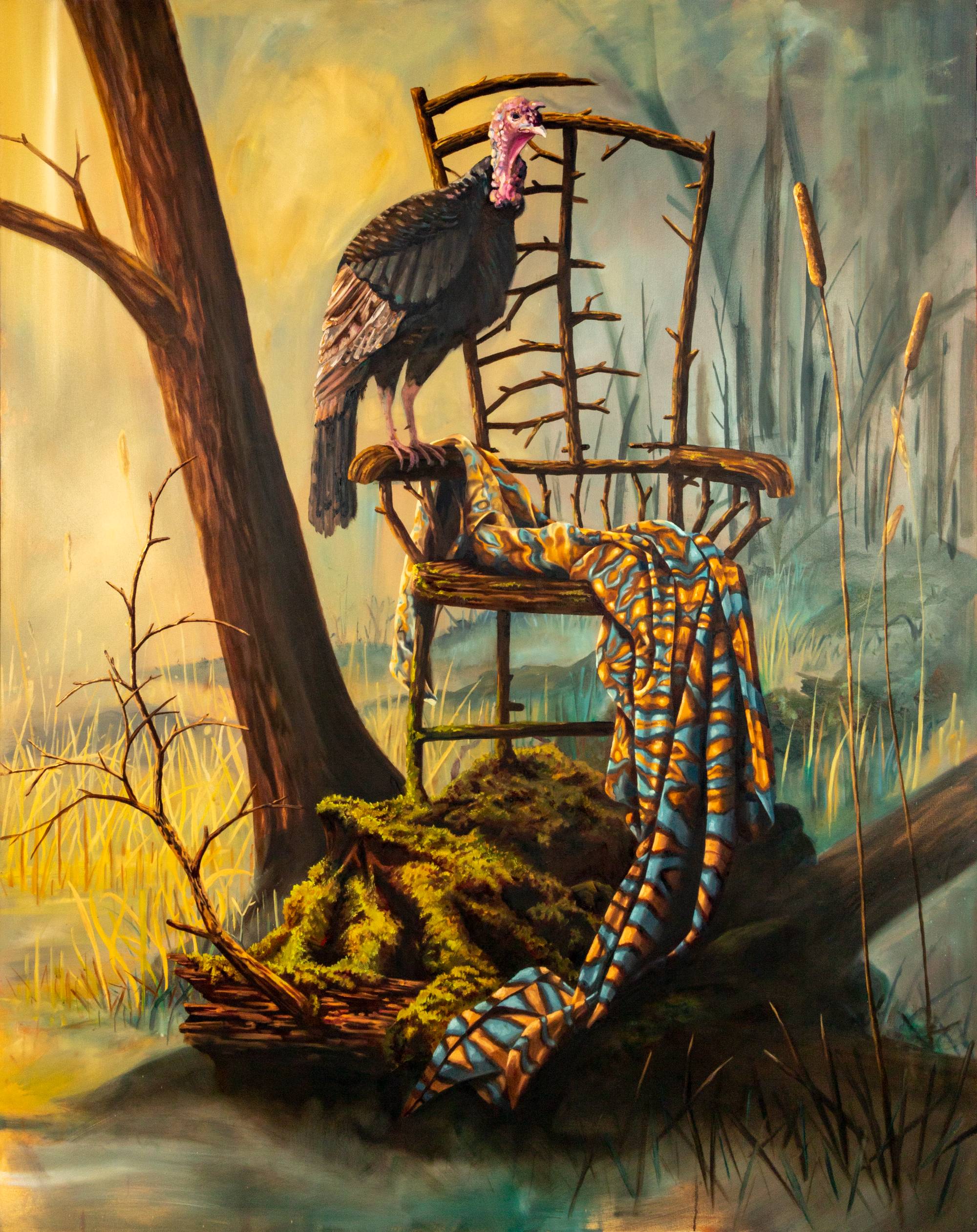
Gavin Weir, The Queen's Throne, oil on canvas, 2021, 2021.41.2.
Animal Illustrations
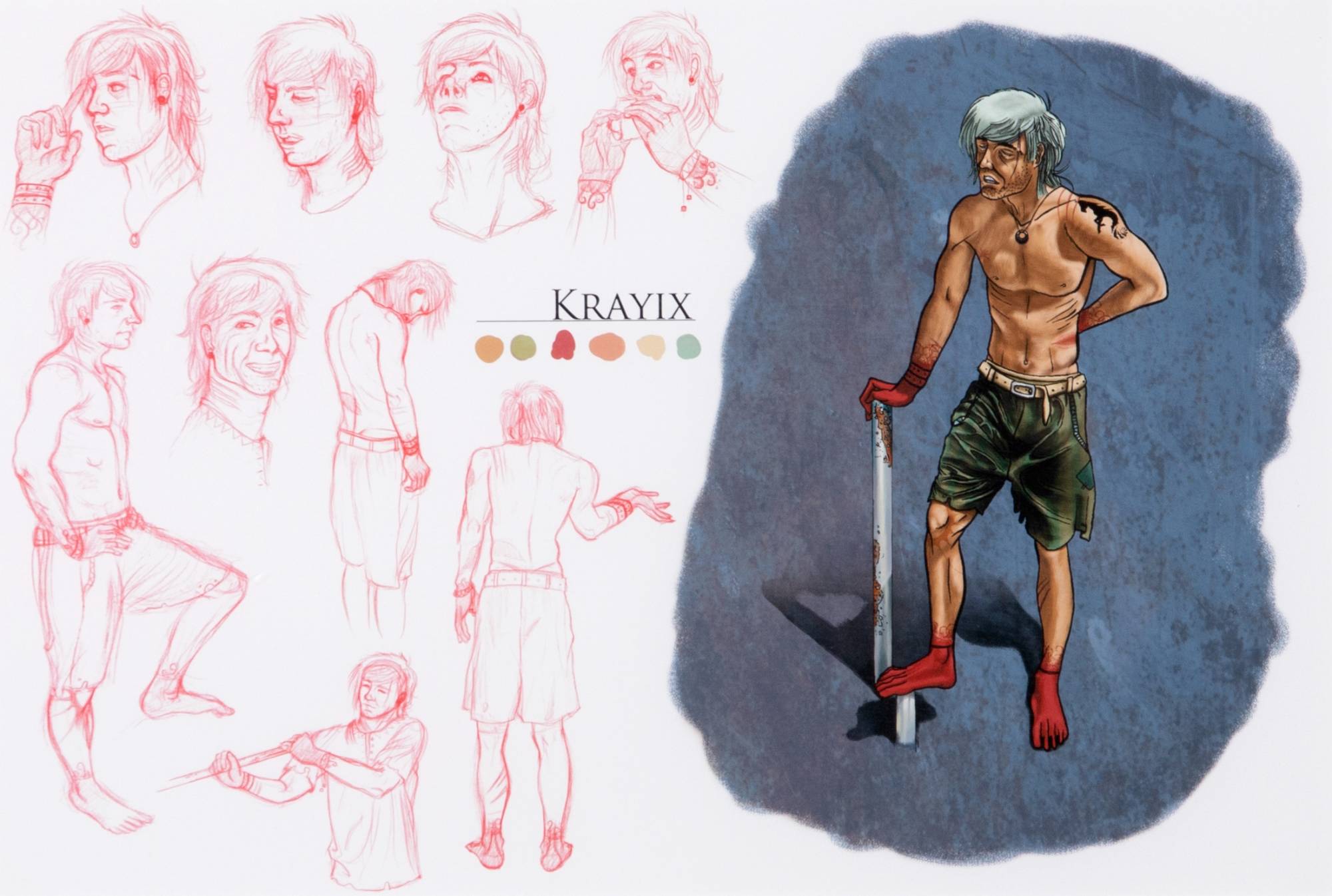
Alexandra Deykes, Krayix Character Design, digital illustration, 2011, 2011.120.3.
Character Design Illustrations
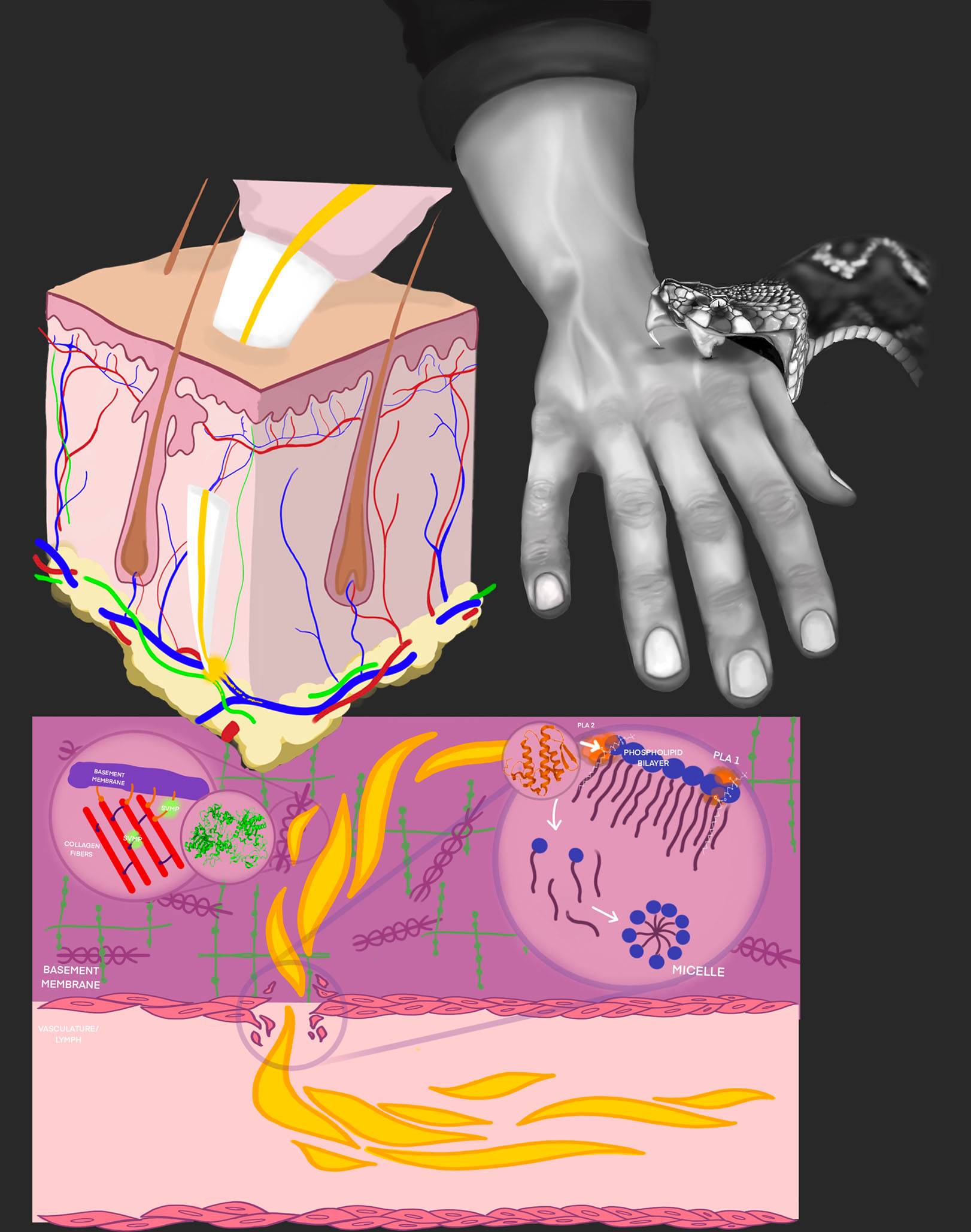
Allison Soffa, GVSU Research on Eastern Diamondback Rattlesnakes, digital illustration, 2021, 2021.75.1b.
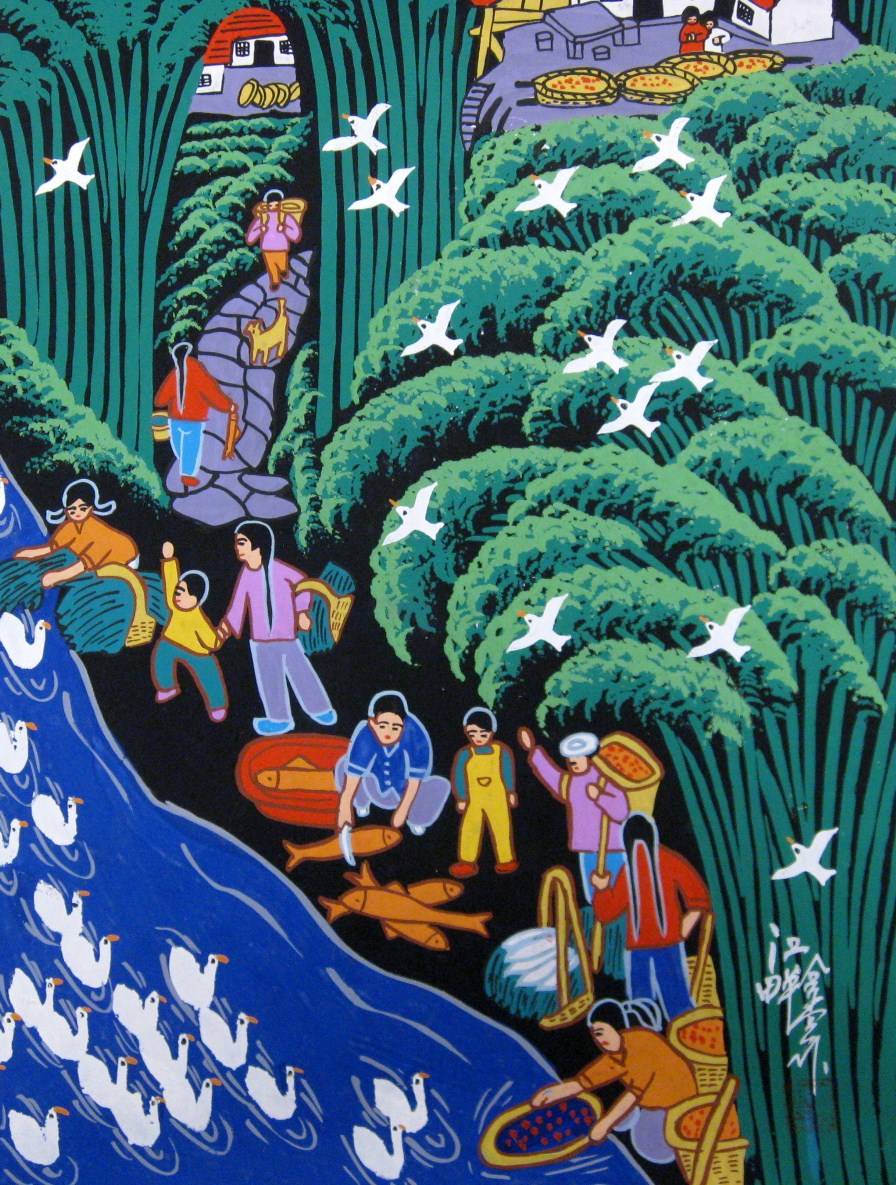
Artist Unknown, River Life, paint on paper, ca. 2008, 2011.78.42.
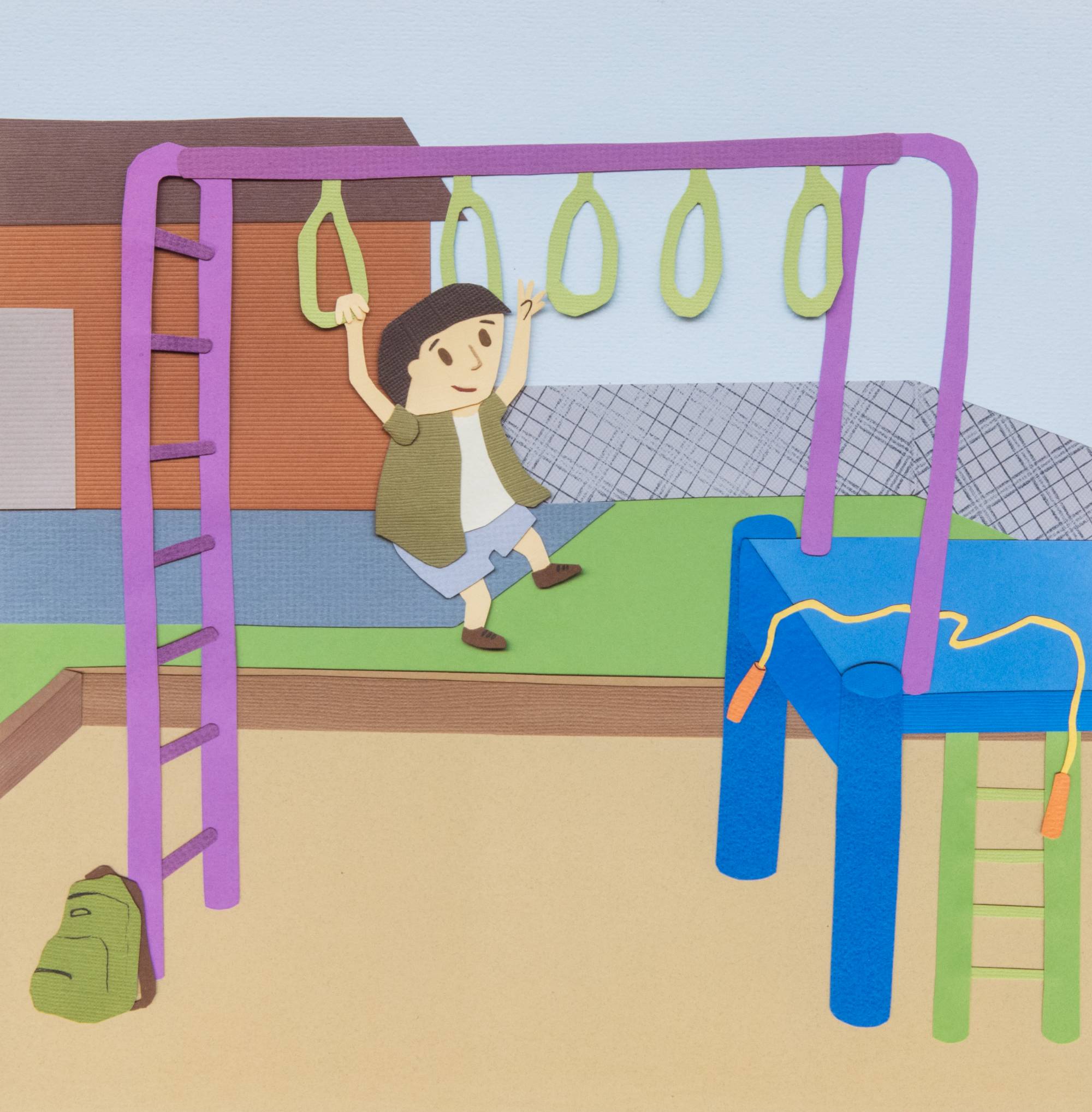
Kim Allen, Max, reproduction of original cut-paper collage, 2011, 2012.78.1.
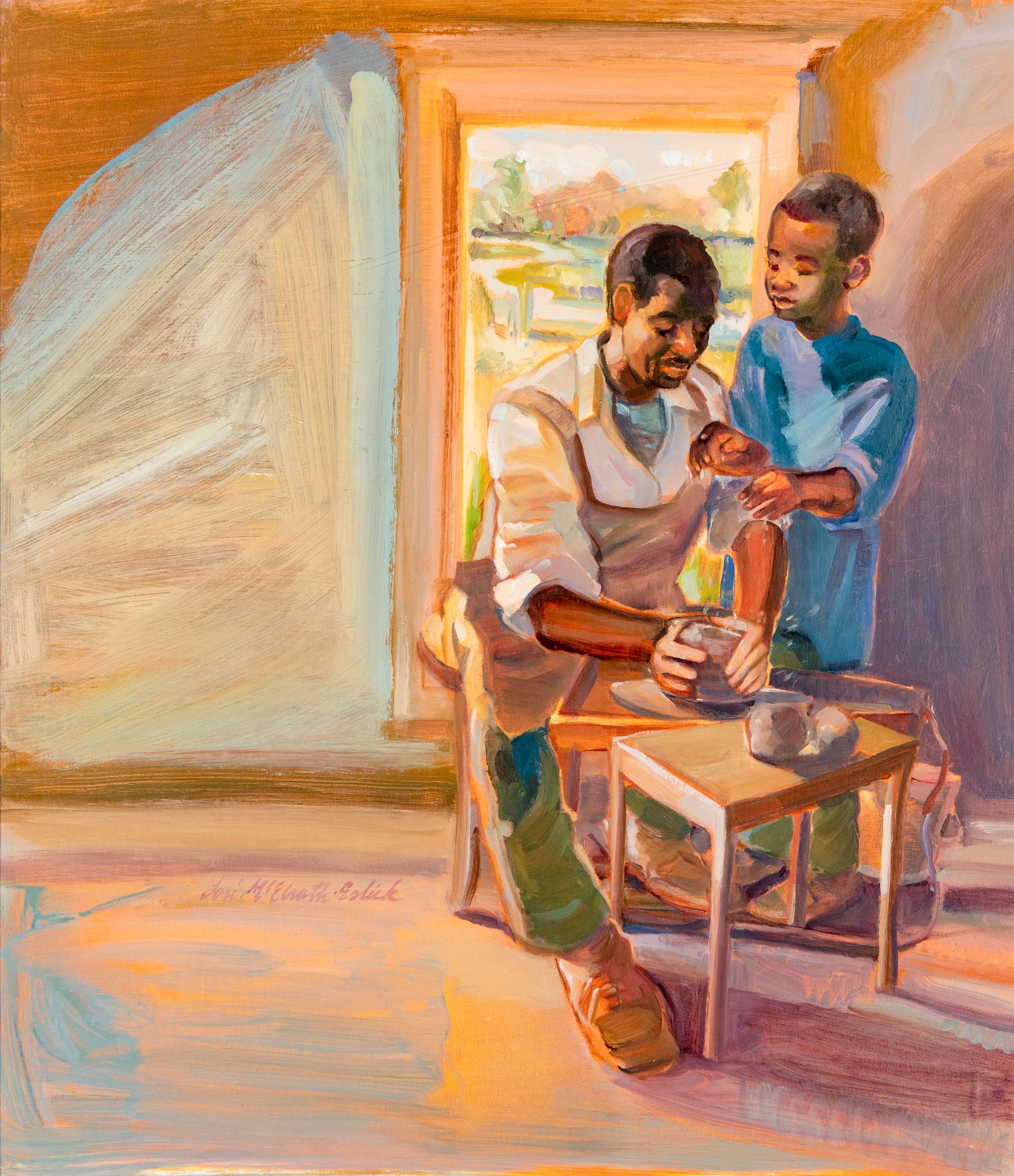
Lori McElrath-Eslick, Potter's Lesson, watercolor on board, ca. 2000, 2002.447.1a.
Book Illustrations
Activities and Resources
Exhibition: Stories Reimagined: Artistic Narrative in the Digital Age
Artists have used storytelling as a tool to share and interpret their own lived experiences with others and advocate for social change. Today, when digital tools present new ways to create and mediate our narrative experience.
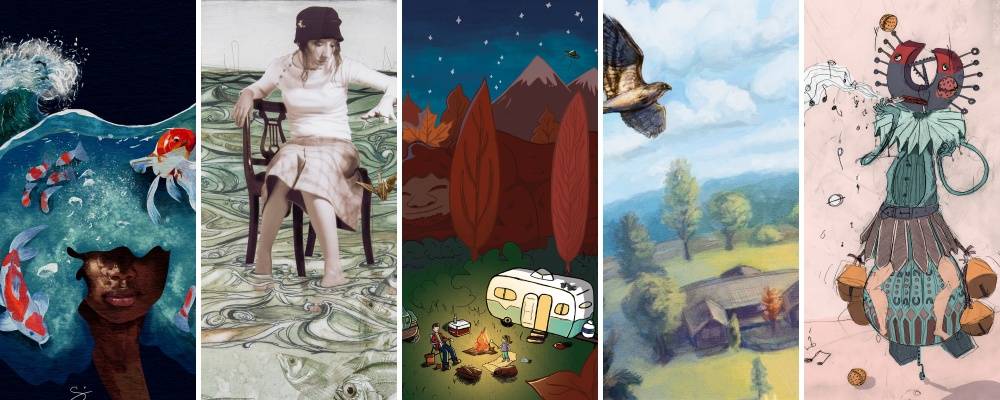
Blog: The Virtual Canvas: Storytelling in the Digital Era
Artists have been the illustrators of important social, cultural, and religious narratives. Many join together threads of memory, imagination, myth, reflection, and creative expression that are further nuanced by audio, video, and digital techniques.
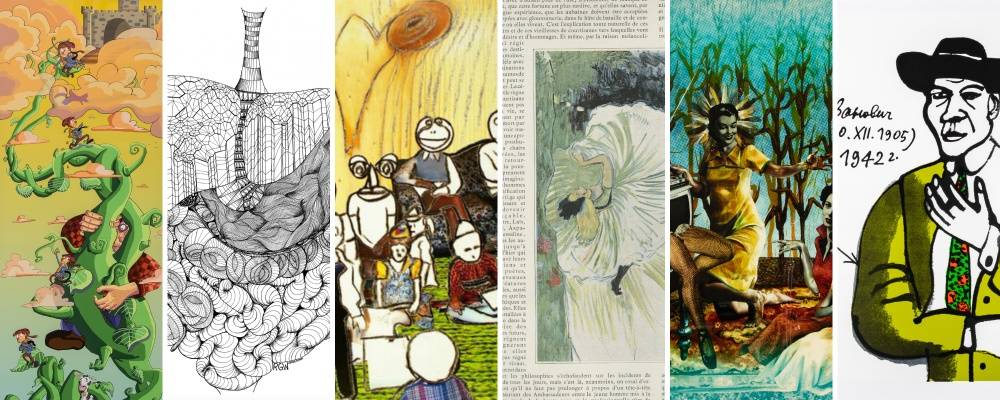
Blog: Illustration: The Art of Depicting a Story
Illustrations can be created in a variety of mediums, from digital drawings and paper collages to paintings, drawings, and prints.
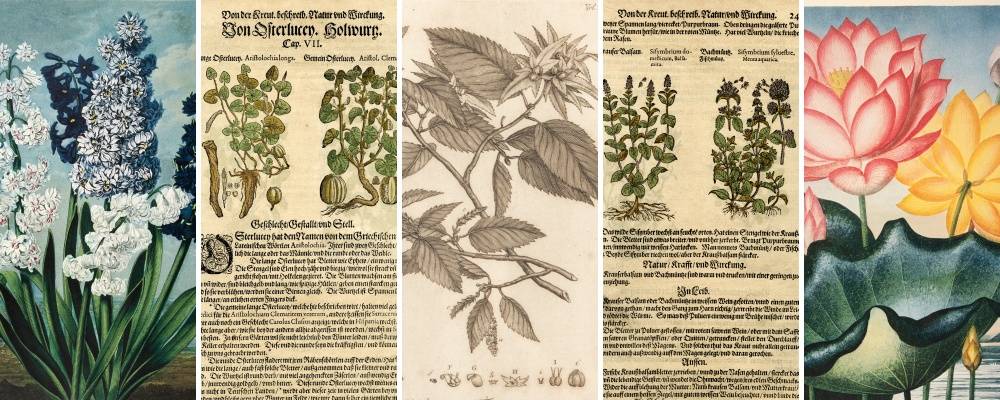
Blog: The Gap Between Art and Science: Botanical Illustrations
A botanical illustration is an accurate pictorial depiction of plants and plant traits for a scientific purpose that illustrates a plant's form, color, and details. Prior to the invention of photography, a botanical illustration was the only way of visually recording the world’s many species of plant life.
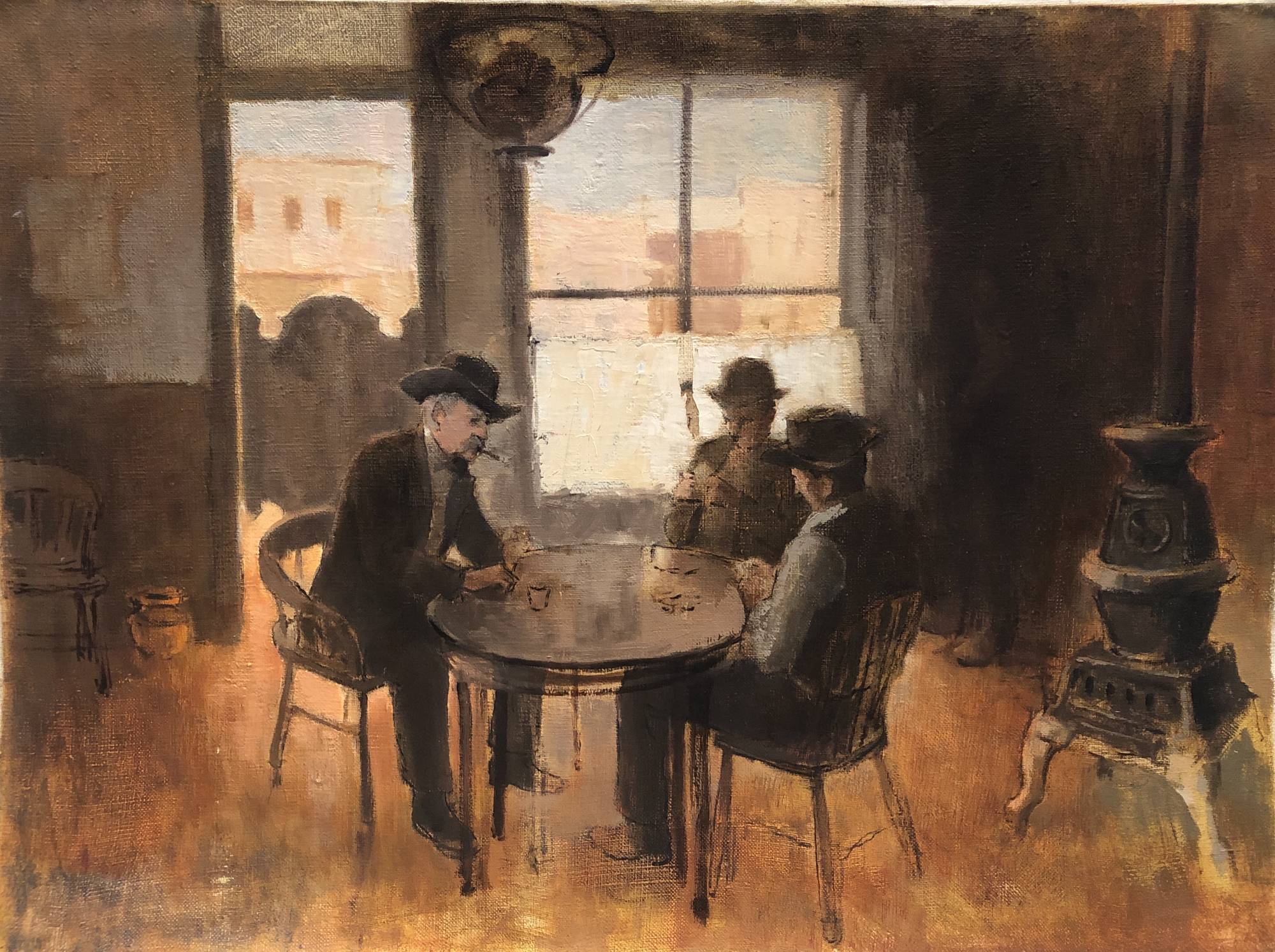
Past Exhibition: Anatomy of an Image: Stewart Ashlee and his Artistic Process
Throughout his childhood, Stewart Ashlee read adventure stories illustrated by N. C. Wyeth and Howard Pyle. These stories and the vibrant illustrations fostered his equally vivid imagination, something he embraced in his artwork throughout his career.
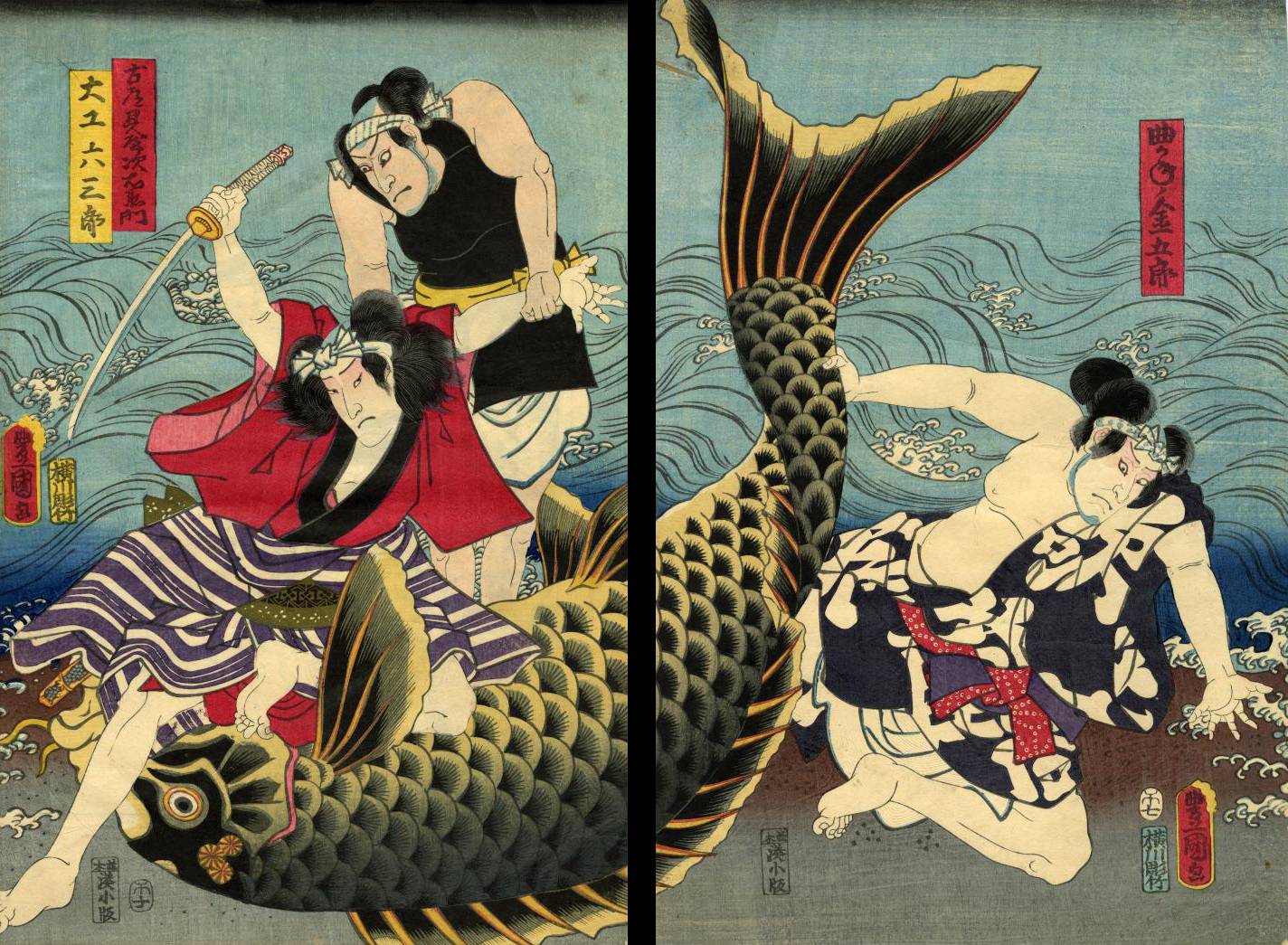
Past Exhibitions: Compelling Visions: The Art of Narrative in Japanese Prints
There is a long history of storytelling in Japanese art. Whether through the influence of tales about aristocratic courts from classical literature, the retelling of heroic warrior epics from folktales, or the relaying of travel and pilgrimage through the landscape, Japanese artists have consistently incorporated narrative elements into their work.
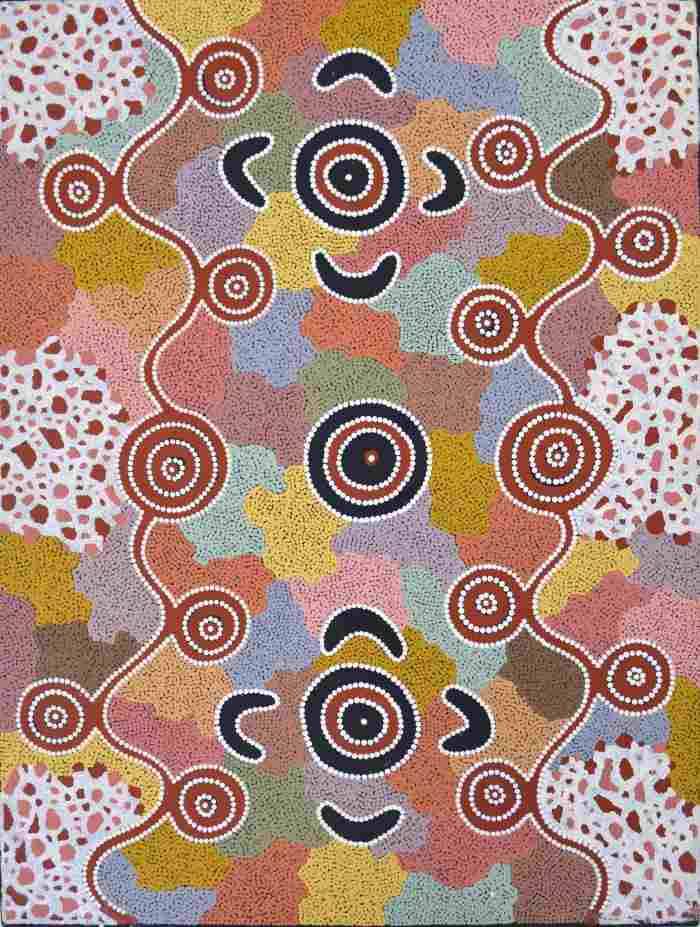
Past Exhibition: Drawn from the Desert: Australian Aboriginal Paintings from the Central and Western Deserts
This exhibition was drawn out of a recent gift of Australian Aboriginal paintings to GVSU, created by artists from Papunya and the surrounding region. It features artwork that provides insight into Aboriginal dreamings – retellings of important ancient stories and symbols – and the sacred sites of this vast and arid landscape.
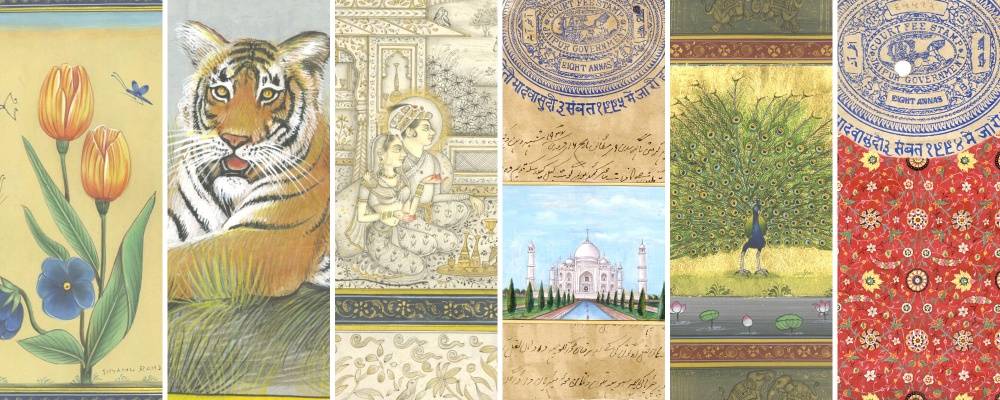
Blog: Tiny Art, Big Stories: The History of Mughal Miniature Paintings
At a distance, Indian miniature paintings convey vividly colorful stories of scripture, people, and events throughout the ages. On closer examination, they are a kaleidoscope of tiny, intricate brushstrokes applied delicately with a single-haired brush.
Header Images:
Left
Ashley Harriger, Premonition, digital illustration, 2010, 2010.79.3.
Jordinn West, Never Say Die, digital illustration, 2017.36.6.
Toph, After the Rain, oil on canvas, 2002.417.1.
Center
Stewart Ashlee, Untitled (Dance Studio), oil on board, 2019.68.44.
Corey Miller, Passage, oil on masonite panel, 2009, 2009.84.5.
Andrew Qappik, Moment of Appearance, stencil on paper, 2004, 2008.258.1.
Right
Rachelle G. Wunderink, Anatomy: Spines, pen on paper, 2016, 2018.13.3.
Reynold Weidenaar, Portends: The Works of Man, oil on masonite, 1960, 1998.249.1.
Nancy L. Clouse, A Wonderful Vine, cut paper collage, 1993, 2015.75.4.
Art on Campus
For more information about the artwork selection and installation process, please contact our Project Manager, Alison Christensen; [email protected].
University Art Collection
For questions related to any artwork in the University Art Collection, in storage or on view, please contact our Collections Manager, Nicole Webb; [email protected].
Learning
For questions about integrating artwork into curriculum, please contact Nathan Kemler; [email protected]