Sampling Gear and Instruments

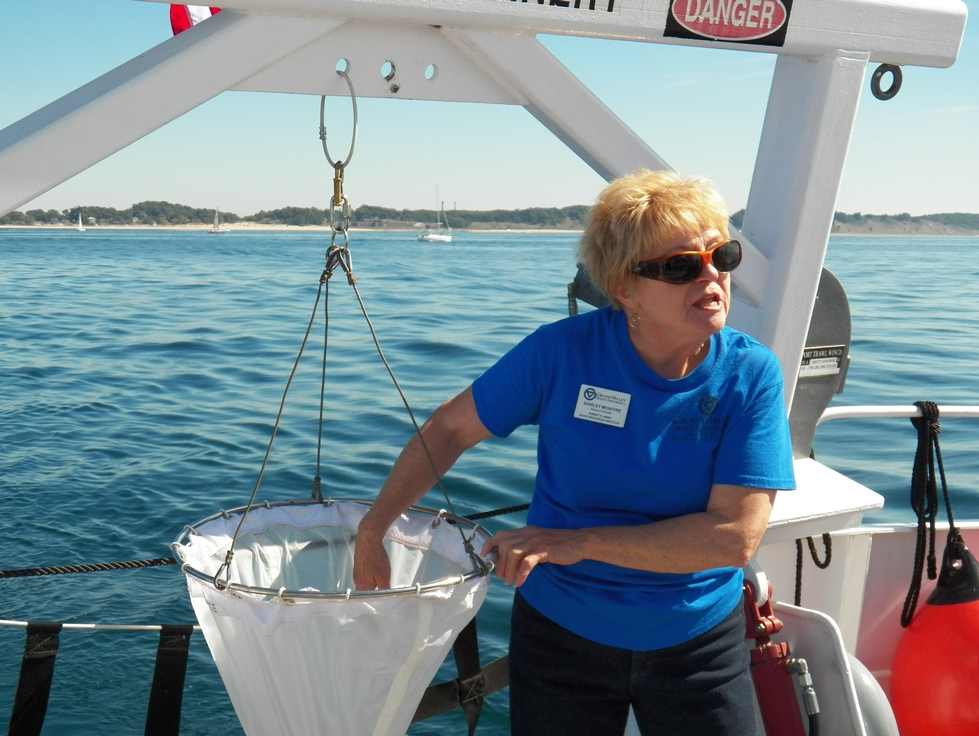
On the scientific cruises, participants work as limnologists using equipment to sample and analyze water and bottom material (sediment). Limnologists use many of the same instruments and techniques as oceanographers, but they study freshwater instead of salt water. Participants aboard the D.J. Angus and W.G. Jackson cruises will receive a basic background in the use of limnological (freshwater) sampling equipment (Figure 7 - Sampling & Other Equipment), and analytical instruments and procedures.

Since people are often not familiar with the specialized equipment and instruments carried on the vessel, detailed instructions on their use are given on-board before samples are taken. Some participants may want to study the more in-depth information on procedures that are included in this manual. Additionally, a videotape about the cruise, Cruising the Lakes, is available for loan from the Robert B. Annis Water Resources Institute (AWRI). There are data sheets in this manual to help organize information from the trip. When possible, water quality parameters will be measured in triplicate to reflect GLOBE protocols.

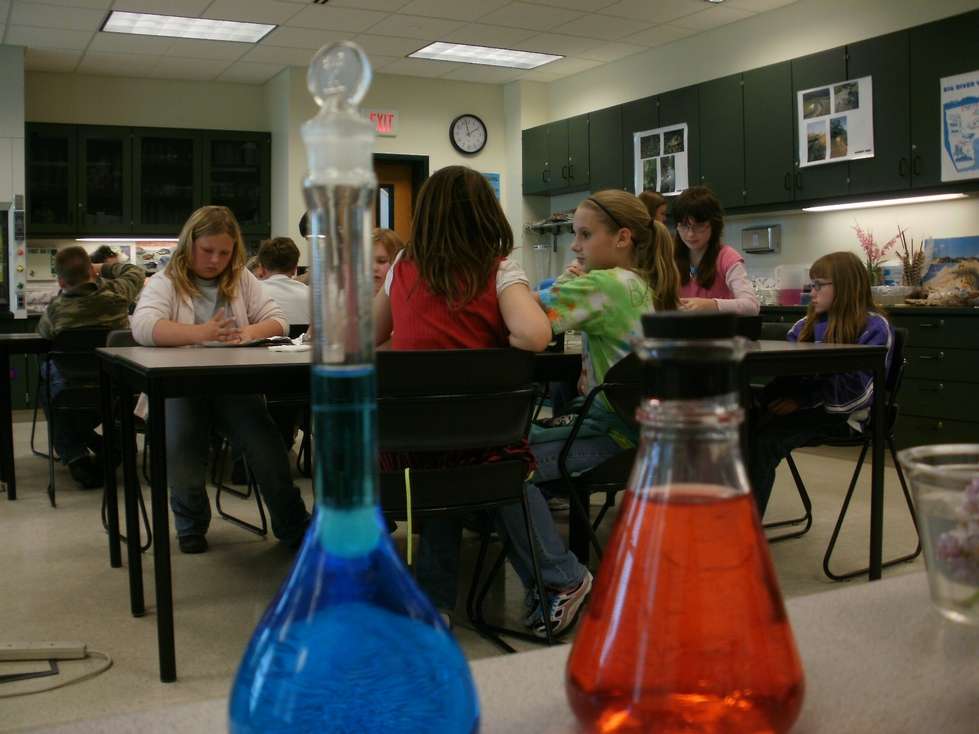
A wide variety of equipment for obtaining water and bottom sediment samples as well as biological samples is carried on-board the vessels. Specialized equipment for water color, clarity, and temperature measurements is also found on the vessels. Each vessel has a laboratory in the main cabin with stations for water analysis including dissolved oxygen, pH, turbidity, and conductivity. A microscope with a video camera is used for examining biological samples. Other instruments include a Global Positioning System (GPS) for position, depth finders, and a Davis weather station. The pilot house is equipped with modern navigational aids including radar, GPS, depth sounder, magnetic and electronic compasses, and radio communication sets.

In this manual, background information is provided on items such as:

  • The instruments and sampling methods used
  • The parameters they measure
  • Their operation
  • The range of results likely to be encountered
  • The significance of the data in freshwater studies
  • The organisms likely to be found in samples

There is a discussion of navigation, sampling procedures, side deck activities, and use of instrumentation in the cabin area. The basic flow of the trip is to arrive at a sampling station, determine the location and depth, take water samples which are analyzed in the laboratory, measure water temperature, determine water clarity and color using equipment at the side deck, take sediment samples to be viewed on the deck, and perform a plankton tow followed by microscopic viewing in the laboratory. Many activities are happening at once and participants will maximize their experience if they have been briefed on the activities prior to the trip. There is a wrap-up session at the end of the trip where the aquatic science instructors review what the samples and data mean.

<< previous page      next page >>

  Last Modified Date: February 9, 2009
Copyright © 1995 - 2009 Grand Valley State University is an Equal Opportunity/Affirmative Action Institution