Using the Research and Education Vessels

Outline of the Cruise

I. Before Coming To The Vessel

  1. Please confirm your reservation with the Robert B. Annis Water Resources Institute (GVSU-WRI) at (616) 331-3749. If you have to cancel your reservation, it is important to give another group a chance at a booking. Additionally, the crew needs to know the schedule in advance. Custom trips can be arranged with adequate notice.
  2. Be certain you know where and when to meet the vessel as adjustments may need to be made for weather conditions.
  3. Please bring one copy of your list of participants for the vessel records. REMEMBER the MAXIMUM number permitted is 26, including students and adults.
  4. Make sure to go over the rules provided in this manual with your group. Emphasize safety.
  5. Stress with the members of your group that this is an unusual educational opportunity, not just a boat ride. This manual, other references, and a videotape are available on loan from WRI and can be used to familiarize the group with the equipment that will be used and the various tests performed.
  6. Student backpacks must be left onshore. All personnel and items brought on board are subject to search.

II. At Dockside Before Boarding

One of the aquatic science instructors will:

  1. Welcome the group and introduce the crewmembers
  2. Give a Safety Lecture covering
    1. Off limit areas
    2. Personal flotation devices
    3. "Hero platform" procedures
    4. Emergency procedures and additional safety rules
    5. Importance of following directions

The other aquatic science instructor will take the group leader aboard the vessel to meet with the Captain to confer about the trip logistics. The group leader will provide one copy of the participant list for the instructors and the total passenger count (adults and students) for the Captain.

III. On-board

When the group boards the vessel, the aquatic science instructors will assist anyone wishing to wear personal floatation devices (life jackets). Under certain conditions, everyone may be asked to put on life jackets.

An aquatic science instructor will point out the various areas of the vessel including the:

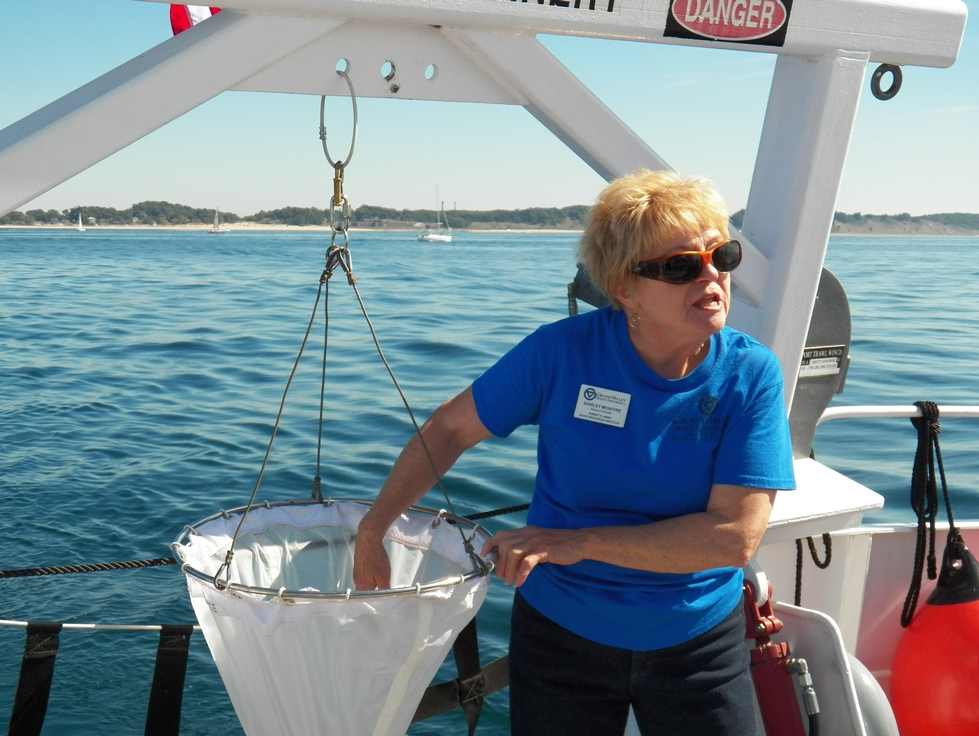
  1. Aft-Deck - Where sampling takes place
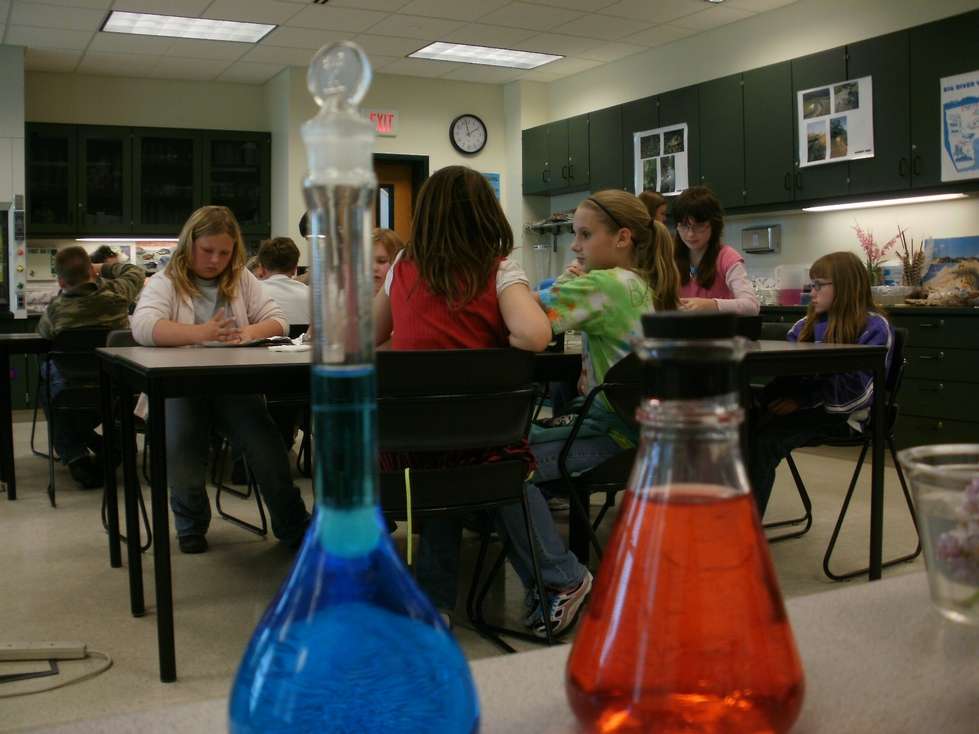
  2. Main Cabin - Location of the science laboratory
  3. Head (bathroom) - Unisex! Knock loudly
  4. Pilot House - Must have permission from the captain to enter
  5. Bow (foredeck) - Off limits
  6. Sidedecks (along the sides of the cabin) - Off limits while the vessel is in motion.
  7. Forward Cabin (below) - Off limits, do not enter!

Note that areas D through G are off limits except with specific permission. Permission must be granted by a crewmember to cross any yellow lines.

IV. Aft-Deck Orientation To Equipment

During the cruise, an aquatic science instructor will orient the participants to the equipment used on the aft (rear) deck:

  1. Winch - DON'T TOUCH!
  2. PONAR Grab Sampler
  3. Van Dorn Water Samplers
  4. Plankton Sampler
  5. Secchi Disk
  6. Forel-Ule Water Color Scale

Most of the above equipment is for sampling. However, the Secchi Disk is used to measure water transparency and the Forel-Ule Color Scale is used to determine the color of the water.

V. Scientific Equipment Used In The Main Cabin

The equipment for analysis of samples is located in the main cabin. Navigation equipment is found in the Pilot House as well as the main cabin. The group will receive an orientation session on the purpose and use of this equipment.

  1. pH Meter
  2. Conductivity Meter
  3. Turbidity Meter
  4. Dissolved Oxygen Analysis
  5. Microscope with Video Camera and Monitor
  6. Depth Finders
  7. Global Positioning System
  8. Advanced Trips: Alkalinity Kit, Spectrophotometers, Sea Bird

VI. Underway And On Station

Generally two stations are sampled and analyzed on a cruise for the purpose of comparing different bodies of water. The aquatic science instructors provide commentary on lake dynamics, river ecology, and shoreline structures/activities as the vessels travel between stations.

While underway, one of the aquatic science instructors will divide the participants into groups to accomplish specific tasks at each station. A typical way the aquatic science instructor normally assigns jobs is as follows:

  1. Dissolved oxygen - 4 people
  2. pH - 2 people
  3. Turbidity/plankton density - 2 people
  4. Conductivity - 2 people
  5. Bottom sediments - 3 people
  6. Secchi disk and color scale - 3 people
  7. Temperature and location - 2 people
  8. Plankton identification/food chain - 2 people
  9. Recorders - 2 people
  10. Deckhands - 2 people

There is flexibility as to the number of people for each task and new assignments can be made at the second station. If participants have already been assigned to tasks, please inform one of the aquatic science instructors at the beginning of the trip.

VII. Summary

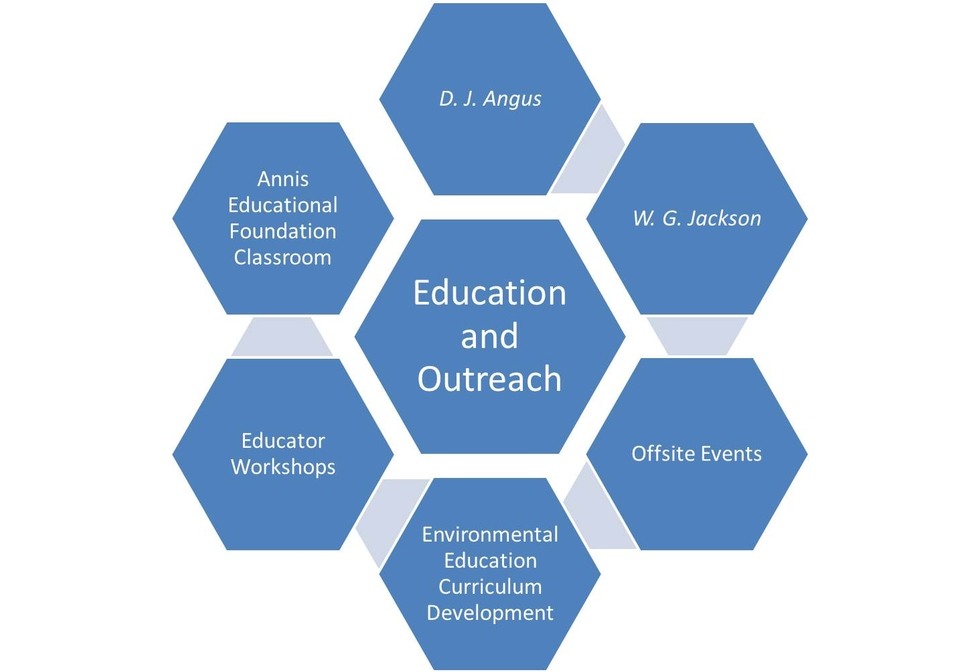
An important element of the D.J. Angus and W.G. Jackson experience is the summary of what participants have learned on the cruise and an interpretation of the data they collected. The stations sampled are chosen to illustrate differences in water quality.

The aquatic science instructors will facilitate the:

  1. Review of data from each station that the recorders have gathered
  2. Comparison of values from the different stations
  3. Discussion of actual versus expected values and trends
  4. Identification of practical applications of physical, chemical, and biological concepts
  5. Question and answer session

VIII. Disembarking

Follow the instructions from the crew for disembarking. Remind the group to be certain that they have collected everything they brought onto the vessel and come back again!

Extension of the Vessel Experience

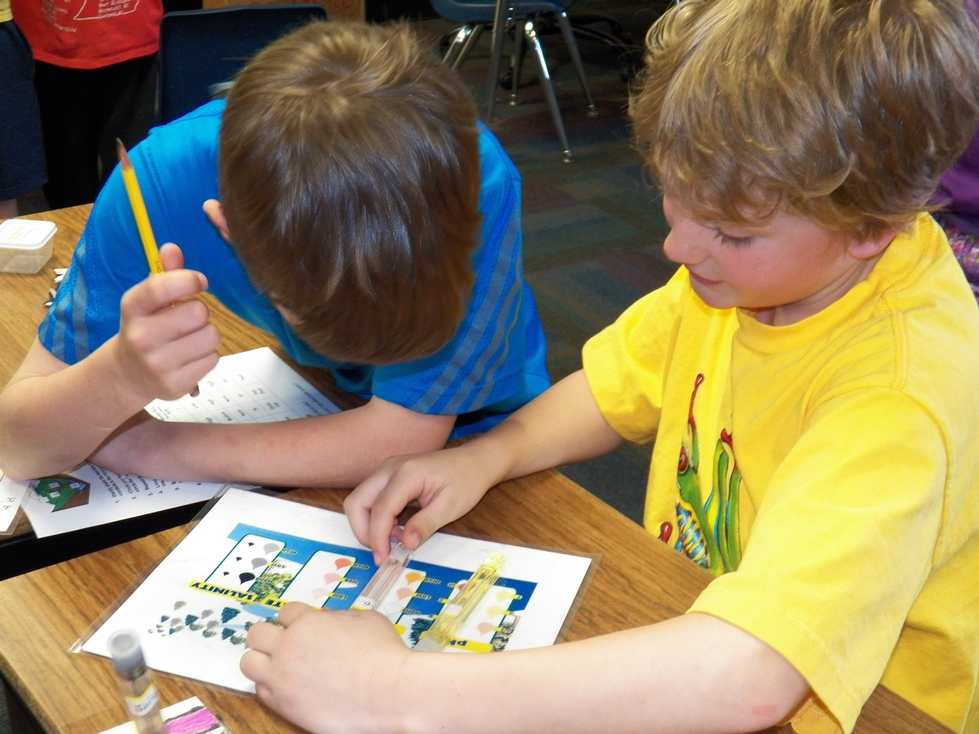
Through this "hands-on" science experience, participants will gain a better understanding of our fresh water resources. The knowledge gained can be put to use in a variety of ways through individual, classroom, and community activities. Connections with Great Lakes research and issues flow from this experience. College and university students may work on special research projects related to their vessel experience. Also, college and university instructors have designed specialized sampling cruises for their classes, and integrated the experience into their laboratory sessions.

GVSU-AWRI is a partner of the GLOBE (Global Learning and Observations to Benefit the Environment) program and is the Michigan coordinator for Project WET (Water Education for Teachers). GLOBE protocols are used on the vessels to take water quality measurements and for quality assurance.

Educators are invited to visit the vessels prior to their scheduled trip for orientation and assistance and are urged to show the AWRI Cruising the Lakes video to their students. Additionally, the AWRI aquatic science staff can make on-site visits to assist educators with pre- or post-vessel activities. Facilities at the Lake Michigan Center are available for aquatic education training including visits by classes. AWRI holds periodic teacher workshops in GLOBE, Project WET and other topics, which are funded by a variety of sources.

A manual entitled Teacher's Manual for Scientific Educational Cruises aboard the D.J. Angus and the W.G. Jackson has been developed especially for elementary and middle school teachers. This is a condensed version of this manual supplemented with in-class activities. AWRI welcomes any activities or extensions that you would like to contribute to this effort. A trip on the vessel can serve as a springboard for multiple physical, chemical, biological, and social science activities.

AWRI has produced a document that aligns the vessel experience with the Michigan Essential Goals and Objectives for Science Education (now incorporated in the Michigan Curriculum Framework). Work has also been done to integrate the Kent County KC4 objectives into the program. Student assessment questions have also been developed.

The AWRI website has links to numerous water-related sites as well as this online instructor's manual and data. Call (616) 331-3048 or (231) 728-3601 or email vailj@gvsu.edu for current program information.

<< previous page      next page >>

  Last Modified Date: February 9, 2009
Copyright © 1995 - 2009 Grand Valley State University is an Equal Opportunity/Affirmative Action Institution