
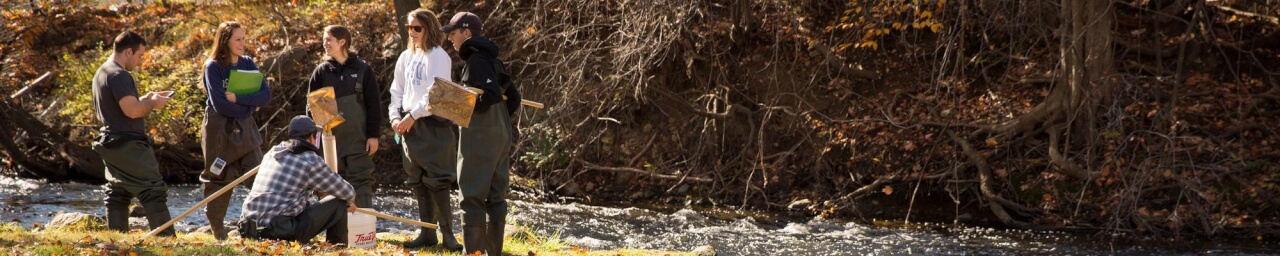
The Biology Department offers undergraduate degrees in Biology, Natural Resources and Environmental Management, Wildlife Biology Fisheries and Aquatic Sciences, and a Graduate Degree in Biology.
[1695144226].jpg)
- BS/BA in Biology
- Optional Emphases in
- Ecology and Evolutionary Biology
- Genetics
- Pre-Veterinary
- Pre-Professional
- Biology Education
- Minor in Biology
[1695144679].jpg)
- BS in Natural Resources and Environmental Management
- Minor in Natural Resources and Environmental Management
- GIS Certificate in Natural Resources Management
- Opportunity to obtain the Society for Ecological Restoration's Certified Ecological Restoration Practitioner-in-Training (CERPIT) certificate
- Opportunity to obtain National Wildfire Coordinating Group certifications
- BS in Wildlife Biology
- Opportunity for Certification by the Wildlife Society
- BS in Fisheries and Aquatic Science
- Opportunity for Certification by the American Fisheries Society
- Options to focus on Fisheries, Aquatic Science and Marine Biology
Graduate Study
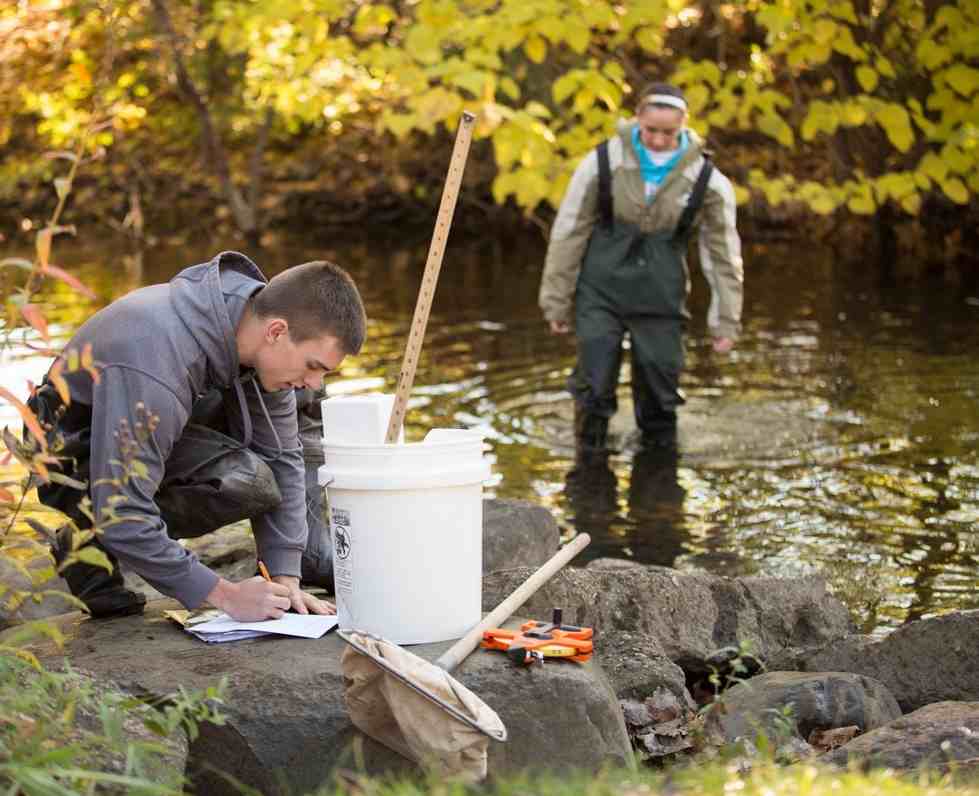
- MS in Biology
- Emphasis options in
- Aquatic Science
- Natural Resources Management
Research
Student Organizations
[1695152312].jpg)
- Biology Club
- Pre-Veterinarian Club
- Society for Ecological Restoration Student Association
- Soil Judging Club
- Soil and Water Conservation Club
- Wildlife Biology Club
Department News

Dr. Todd Aschenbach and 22 GVSU students at the 12th Annual Burning Issues Workshop, February 10-12, 2026, Ft. Custer, MI

Saturday, October 4, was our annual Family Weekend Open House in the Barbara Kindschi Greenhouse. 518 people come through during the open house, and we gave out almost 300 succulents!

GVSU biologists and undergraduate students from Calvin University survey freshwater mussels in Plaster Creek.

Members of GVSU's Society for Ecological Restoration Student Association assisted the Muskegon County Conservation District with a prescribed burn on Sunday, April 13th

Biology student, Cameron Doane, received the Outstanding Student Employee Scholarship for their awesome work at the Sustainable Agricultural Project.

GVSU and John Ball Zoo are protecting a 'Keystone Species' in the Grand River
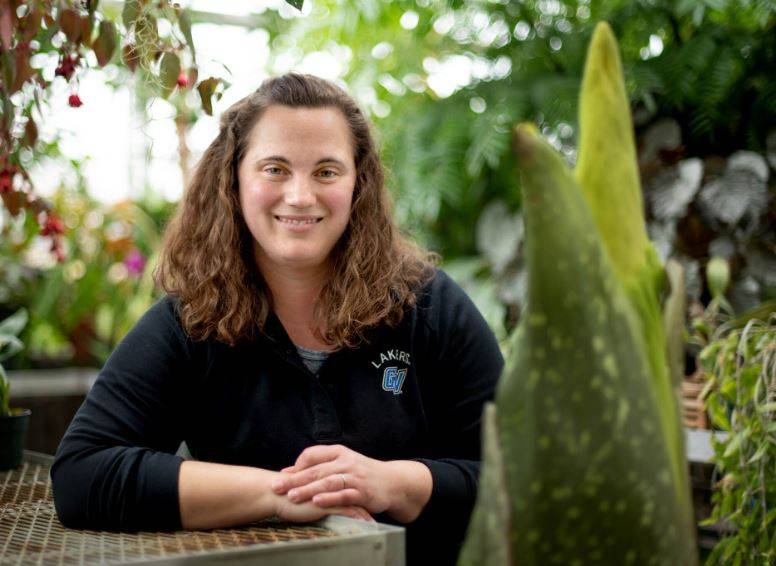
Time Lapse Video of Corpse Flower Blooming
Seminars
Check back later for upcoming seminars!
Job Feed
6/16/26
Natural Resources Asset Manager
for job 11133809
Washington State Department of Natural Resources
Expires: 7/17/26
6/16/26
Bears Ears National Monument Field Ranger
for job 11133215
The Student Conservation Association
Expires: 7/17/26
6/16/26
Crew Member - Alabama Conservation Gulfcorps
for job 11132984
The Student Conservation Association
Expires: 7/17/26
6/16/26
Histology Core Facility Director
for job 11132990
Cold Spring Harbor Laboratory
Expires: 7/17/26
6/16/26
Natural Resources Recreation Coordinator
for job 11132837
Washington State Department of Natural Resources
Expires: 7/17/26
Career Events for Biology

Alumni Webinar: Ask an Advisor with Katie Cwiakala and Meghan Veltri
June 23, 2026 12:00 PM - 1:00 PM
Join us for a virtual “Ask an Advisor” session designed specifically for alumni seeking general career support and guidance. This open Q&A format offers the opportunity to ask questions...

Fulbright US Student Program - Virtual Information Session
June 24, 2026 12:00 PM - 1:00 PM
Are you interested in teaching English abroad? Are you curious about studying for a Master's degree abroad? The Fulbright program might be for you! Join me to learn more! For more Information...

Ready, Set, Work! A Student's Guide to On-Campus Jobs
July 15, 2026 5:30 PM - 6:30 PM
=� Ready, Set, Work! A Freshman's Guide to On-Campus JobsStarting college is exciting, but figuring out how to land your first on-campus job can feel a little overwhelming. Good news: we've got...

Virtual Information Session: Fulbright US Student Program- Tips and Guidelines as you draft your essays
July 22, 2026 12:00 PM - 1:00 PM
Interested in teaching English abroad as a Fulbright English Teaching Assistant (ETA)? Curious about the Fulbright Study/Research (S/R) grants for US students seeking support for a year of funded graduate...

Alumni Webinar: Ask an Advisor with Dayna Phillips and Stephanie Jensen
July 29, 2026 12:00 PM - 1:00 PM
Join us for a virtual “Ask an Advisor” session designed specifically for alumni seeking general career support and guidance. This open Q&A format offers the opportunity to ask questions...