
START-isms: Values to Guide our Work
This article originally appeared in START Connecting in May 2021.
Revised in May 2023
As part of our 20th anniversary celebration, we are debuting our updated START-isms. What are “-isms”? They are “concise and forcefully expressive phrases” (Oxford Languages online dictionary). So, what are START-isms? They are pithy phrases that represent the values that guide our work. As you explore the START-isms on our website, you will see classics that you have heard many times while others are new or refreshed. Some of these represent shifts in our thinking and understanding while others just needed to get written down. You will find that the START-isms are interdependent and build the structure for how we work together to make the lives of students with autism better.
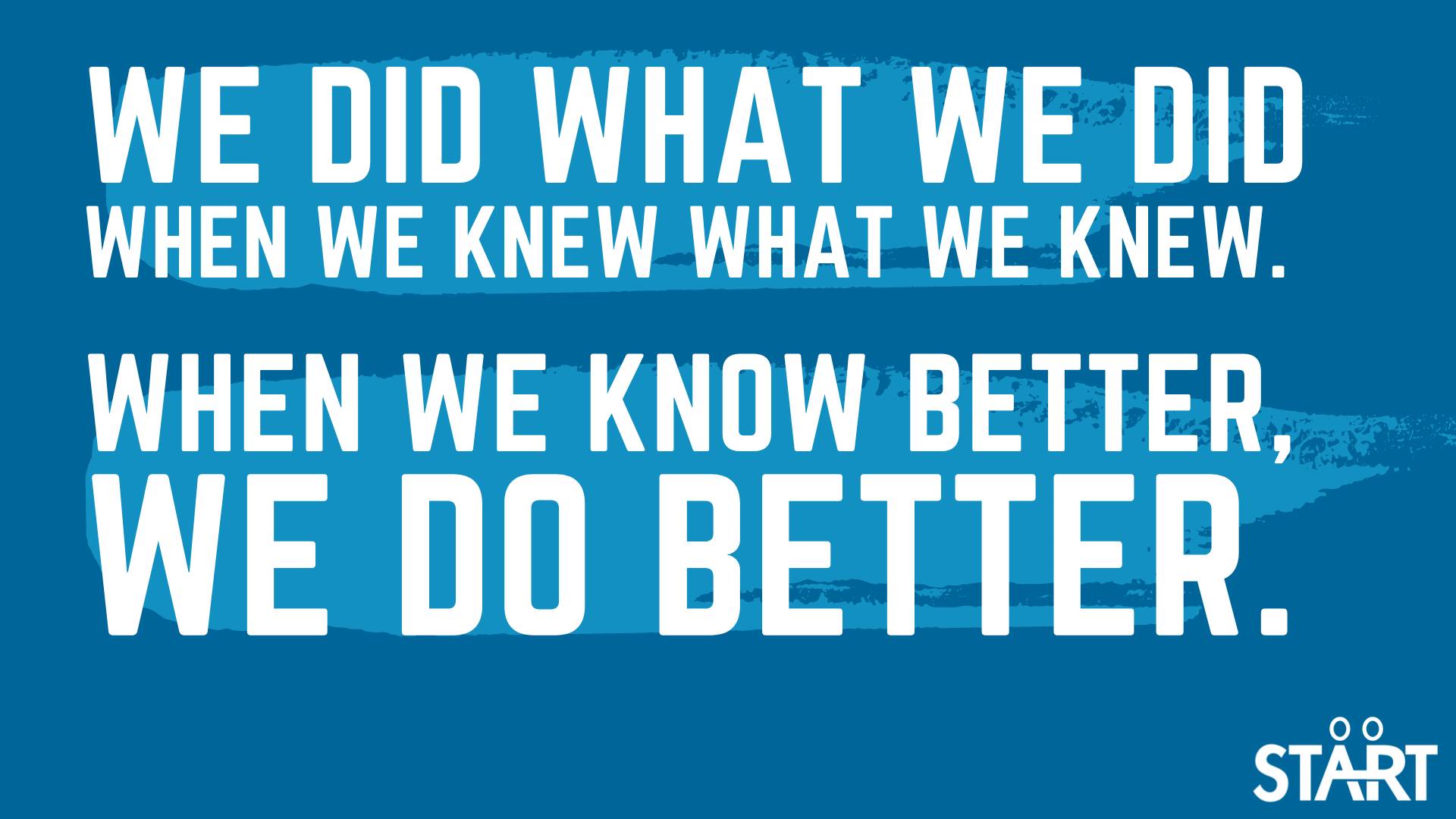
As we look back over the past 20 years, we have points of pride and more than a few cringes. We did what we did when we knew what we knew. When we know better, we do better. We are continuing to learn more and do better. For example, shifting from autism awareness to autism acceptance in April, and through the newly formed ASD 365: Inclusion and Equity work, we will listen to the voices of the autistic community to better inform our project activities.
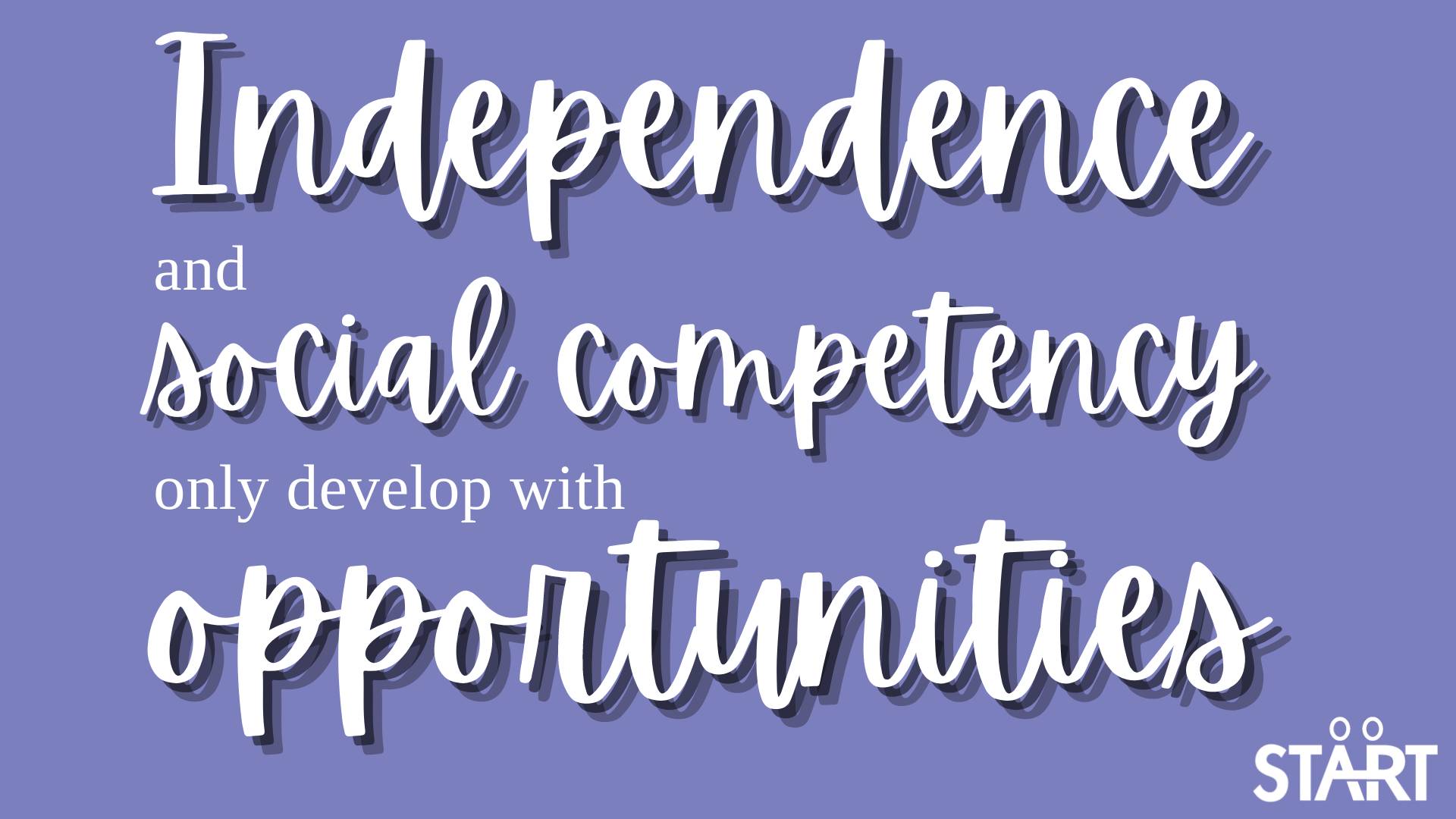
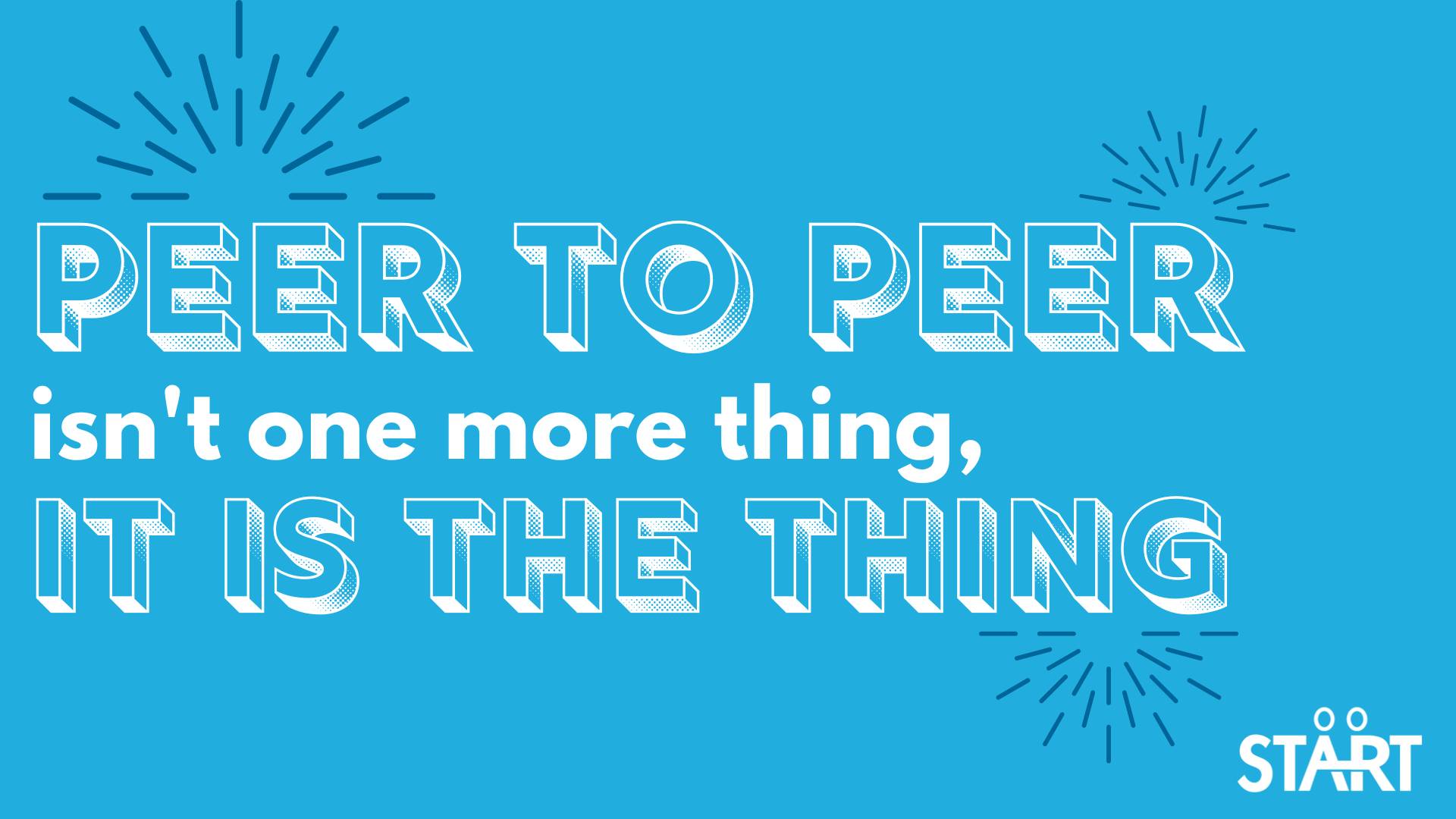
What else have we learned over the past 20 years that are reflected in our START-isms? Inclusion is not a readiness model since all students benefit from general education participation and engagement with peers. There are no prerequisites, because Independence and social competency only develop with opportunities. In order to build these opportunities, our partner schools have developed over 700 Peer to Peer programs around the state. It is clear to all of us that Peer to Peer isn’t one more thing, it is the thing that changes school culture and the lives of all students.

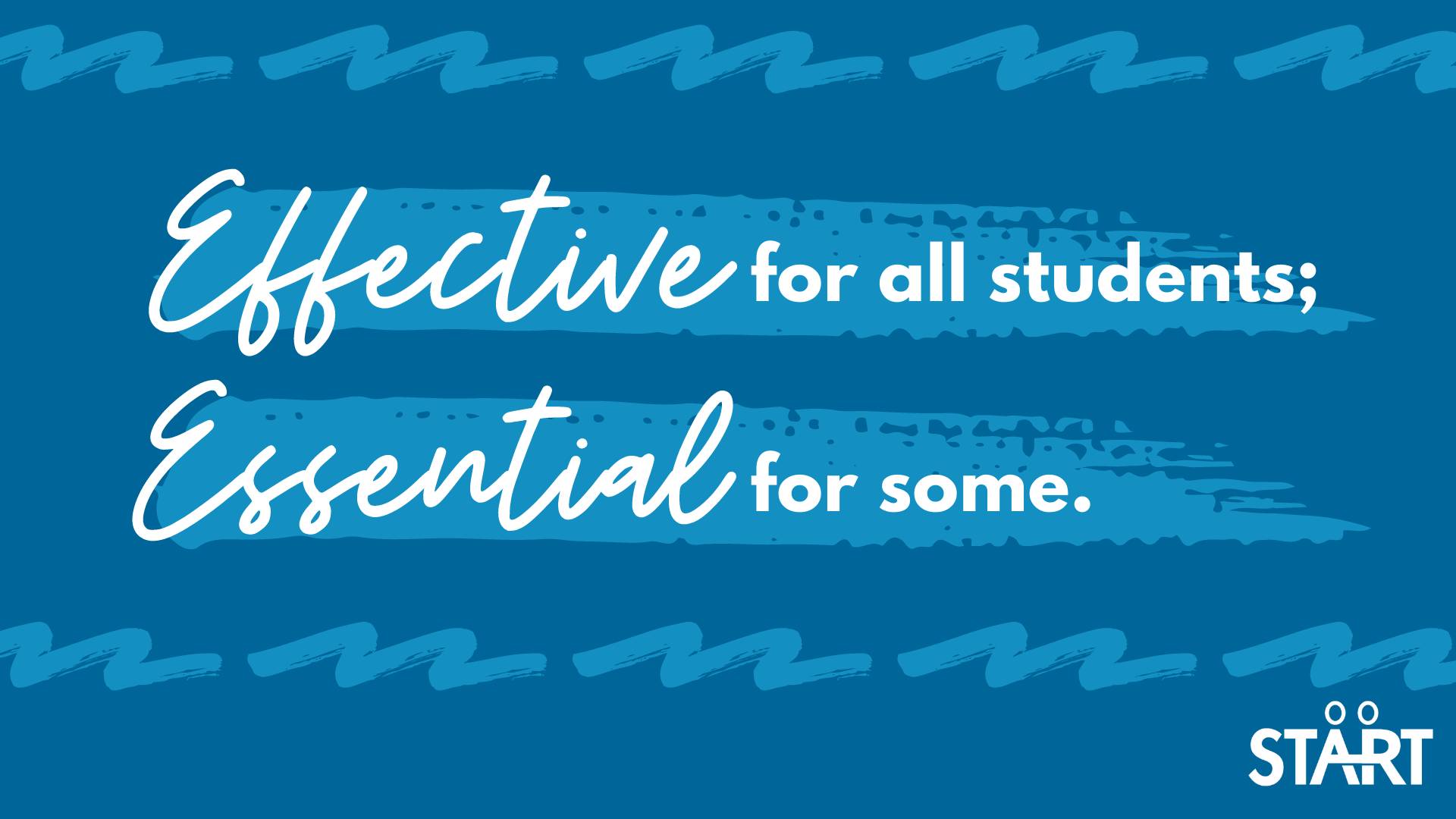
We have also learned that evidence-based academic, behavior, and social supports are Effective for all students; essential for some. Many of you work with students with a variety of needs, and you have seen the power of effective interventions implemented with fidelity to change student lives, whether those students have ASD or not.
We have discovered that evidence-based strategies like differentiation, self-management, and visual supports are useful in many classrooms with many students. But what is a strategy that is especially important for students with ASD? Write it down, write it down, write it down. It seems so simple yet we often forget to use it for students, and staff. Stop talking and make it visual.
Teach where and when is another strategy we are promoting through the START-isms. This reminds us that what we see as problem behaviors are often behaviors that are just out of context. This is a teaching opportunity, and a way to allow students with ASD to still access their areas of high interest but at a time and place that is less likely to interfere with learning.


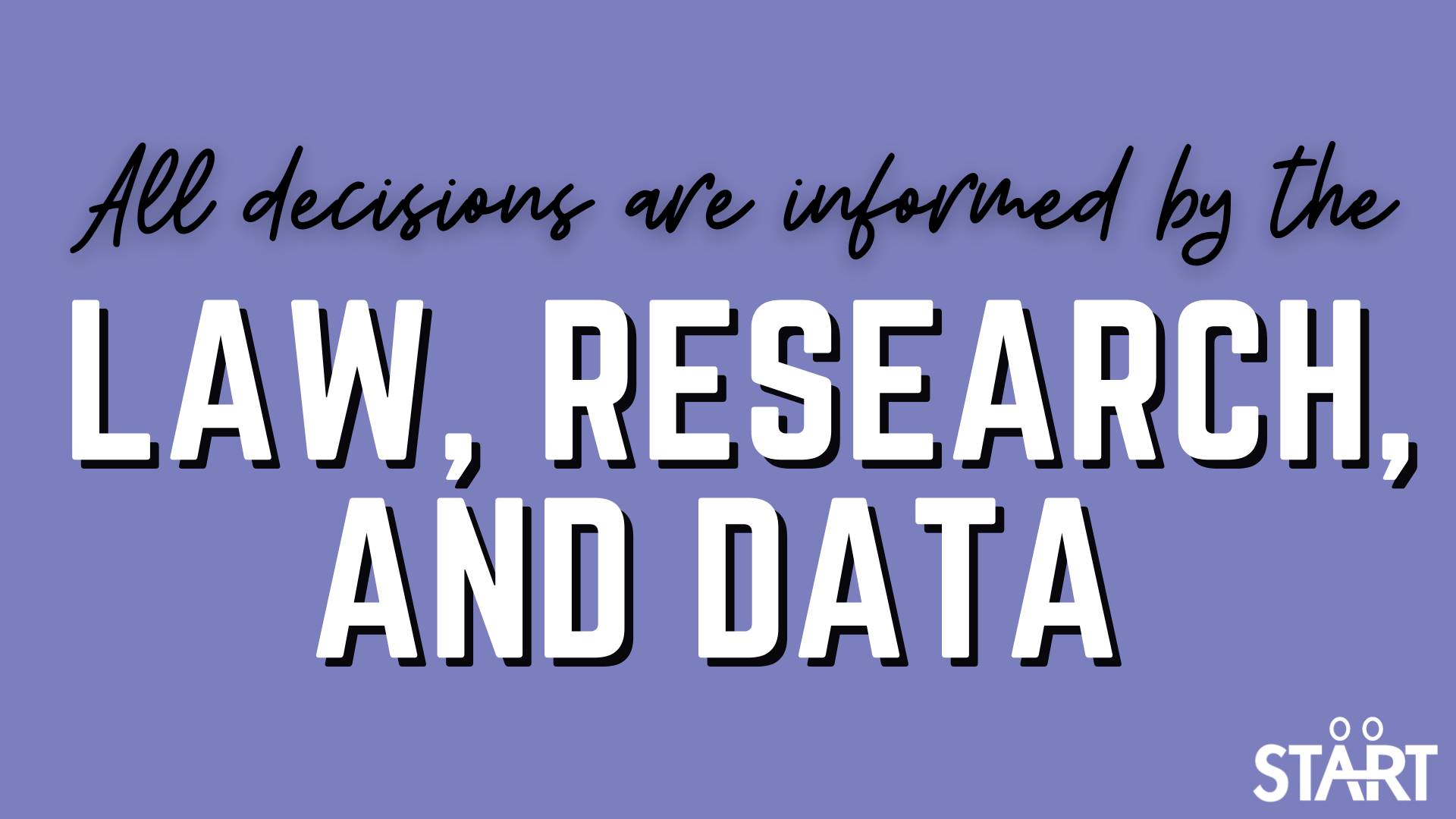
All decisions are informed by the law, research, and data. As humans interacting with other humans, we are naturally filled with opinions, feelings, and anecdotes from our personal experiences. However, when we are delivering special education services to students, we need to set aside preferences, personal beliefs, and potential biases, and switch to our professional lens. This means our team agrees to follow IDEA, the research literature, and use data to tell the story when making decisions about how to educate and support students. We do this because we get better results for students.
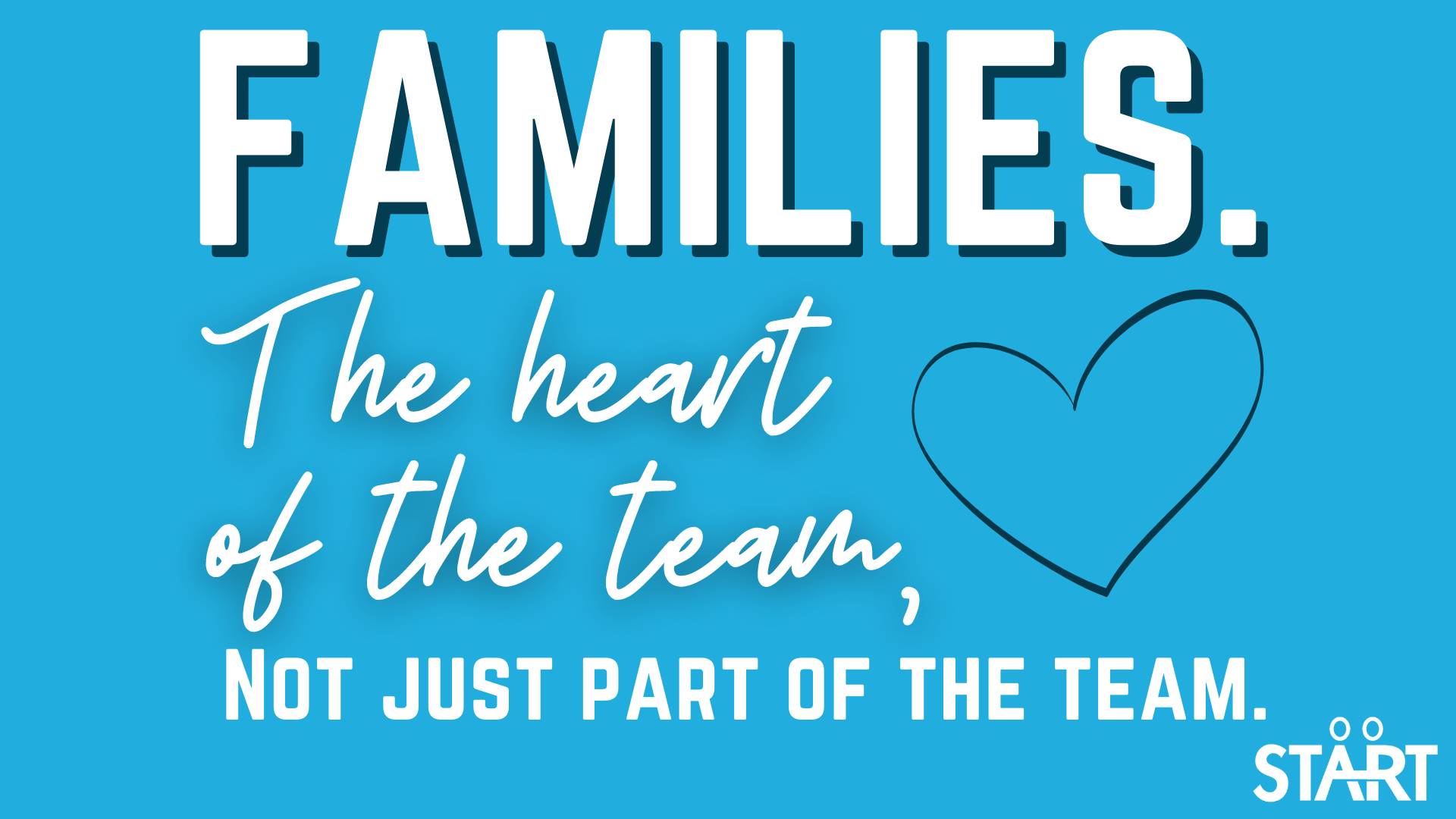
What else guides our decisions? Families. The heart of the team, not just part of the team. As informed, active members of the school team, families can share their vision, inform goals, and invest in their child’s learning. As partners with families, we have an opportunity to listen and learn as well as build up the knowledge and skills of families to be their child’s greatest teacher and ally.
We will end with the most powerful START-ism of all. Presume competence. It conveys respect and communicates that we value each individual. If we believe that each student has the ability to learn and understand, we raise our expectations and students not only meet them, but often exceed them.
Thank you to our partners around the state for helping us to discover, shape, share, and live by these START-isms over the past 20 years. Let’s see what we can do in the next 20 years.
|
START-isms are available in various formats here:
|
Written by: Amy Matthews, Ph.D., BCBA - Project Director, and Jamie Owen-DeSchryver, Ph.D. - Project Faculty